



Georgian Style Fire Irons
Georgian style fire irons bring period elegance to a hearth, offering the refined brass and steel work that defines a traditional fireplace.
Georgian Style Fire Irons
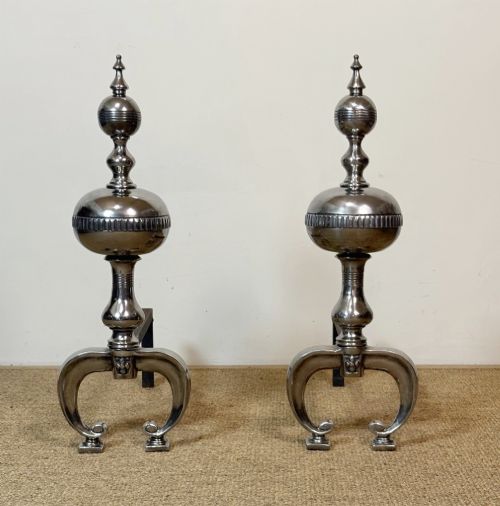
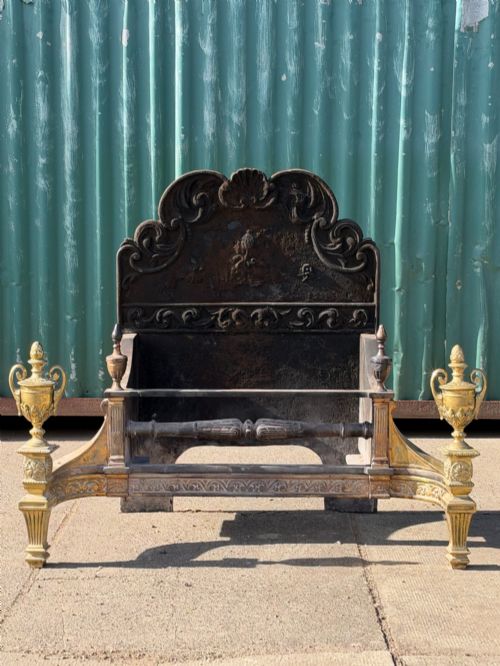
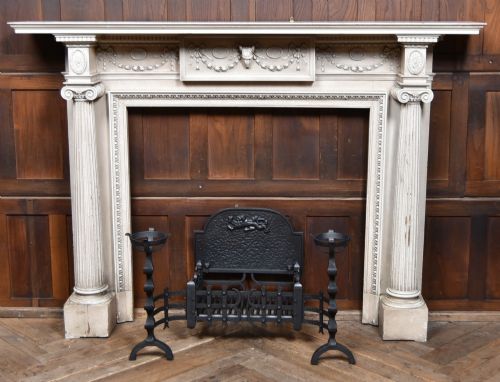
When you search for georgian style fire irons, you encounter hearth furniture spanning the Georgian, Regency, and Victorian periods alongside later revivals. These pieces encompass companion tool sets, fire baskets, grates, and dogs designed to equip a working fireplace with classic proportion.
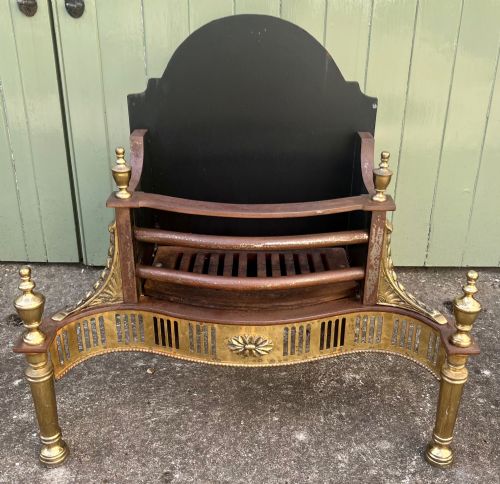
The selections on this page most frequently present polished steel, brass, and cast iron configurations. You will find sets dating from the nineteenth century and the early twentieth century that replicate the neoclassical lines of the Adam style.
Beyond standalone companion tools, the category extends to fire dogs and freestanding grates that anchor the hearth ensemble. Each object reflects the enduring appeal of eighteenth and nineteenth century domestic metalwork.
Materials and construction
The makers of these hearth accessories relied primarily on cast iron, wrought iron, and polished steel for structural durability. Brass featured prominently for decorative elements, handles, and fire tool fittings, providing a bright contrast to darker iron components.
Casting and forging techniques allowed smiths and foundries to shape intricate neoclassical details such as claw and ball motifs. Polished steel surfaces required skilled abrasion to achieve the reflective finish prized in formal reception rooms.
Georgian Style Fire Irons Retail Price Guide 2026
Typical asking prices for georgian style fire irons among the pieces listed under this phrase on Sellingantiques today, from the lower quarter to the upper quarter. They describe what is for sale here now, not the wider market.
Listings in this category span the nineteenth century, Regency, and Georgian periods, alongside early twentieth century revivals utilising cast iron, brass, and polished steel.
Judging quality in hearth metalwork
Quality rests upon the crispness of casting detail and the weight of the metal used in the construction. Finer examples display well-balanced proportions and careful hand-finishing on brass mounts and steel shafts.
The integrity of assembly distinguishes superior pieces from utilitarian items made for everyday service. Heavier gauge steel and robust brass casting ensure that companion tools and grates retain their structural form through repeated handling.
The Georgian Style Fire Irons Glossary
- Fire dog
- A horizontal support iron raised on legs, used to hold logs in an open hearth. They often feature decorative brass or cast iron fronts.
- Register grate
- A fireplace insert featuring a moveable flap or plate to regulate the draught. These were widely adopted in the eighteenth and nineteenth centuries for improved heat control.
- Fire basket
- An open metal grate designed to hold coal or wood within a fireplace opening. They incorporate decorative cast iron firebacks and side plates.
- Neoclassical revival
- A nineteenth and early twentieth century design movement that reinterpreted classical Greek and Roman motifs. It heavily influenced the urn and swag ornamentation seen on Adam style grates.
- Companion set
- A matched collection of fireplace tools, typically including tongs, a poker, and a shovel. They hang together on a dedicated stand or rest beside the hearth.
Georgian Style Fire Irons: Frequently Asked Questions
What is included in a fire iron set?
A standard companion set comprises tools intended for tending a coal or wood fire. These typically include tongs, a poker, and a shovel designed for hearth maintenance.
Depending on the specific suite, they may be accompanied by a matching stand or display hooks for tidy placement beside the fireplace.
How do I distinguish Regency from Victorian pieces?
Regency metalwork generally favours restrained neoclassical lines, crisp brass details, and lean proportions inspired by classical antiquity. Victorian designs often introduce heavier ornamentation, such as prominent claw and ball feet.
Examining the casting quality and overall silhouette helps clarify the period of manufacture, noting that later revivals frequently copied earlier Georgian aesthetics.
Are these pieces suitable for a working fireplace?
Most cast iron and steel grates and fire dogs were engineered for active hearth use. Their robust material composition handles high temperatures and regular fuel loading.
Careful inspection of the metal thickness ensures the item remains structurally sound for burning logs or coal in a modern setting.
What does Adam style mean for fire grates?
The Adam style draws upon the neoclassical architectural designs of the eighteenth-century brothers Robert and James Adam. Grates in this aesthetic feature symmetrical urn motifs, delicate pierced brass plates, and tapered legs.
This style emphasises refined geometry over heavy ornamentation, lending a formal architectural character to the fireplace.