
Antique Hearth Coal Bucket
An antique hearth coal bucket is a heavy metal or wood fuel container designed to sit by the fire.
Antique Hearth Coal Bucket
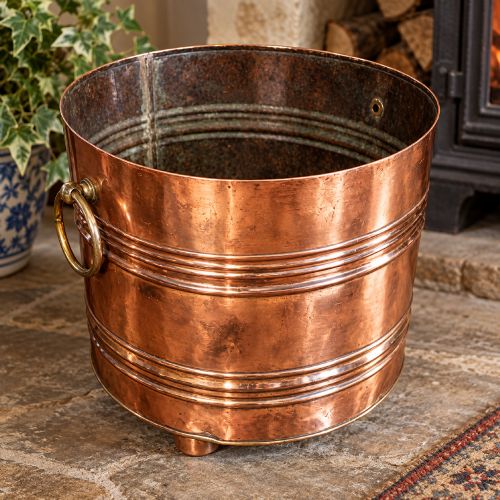
An antique hearth coal bucket provides a practical vessel for holding fuel beside the fireplace while serving as a decorative feature of the room. These items range from simple utilitarian containers to ornate decorative pieces found in a variety of period styles.
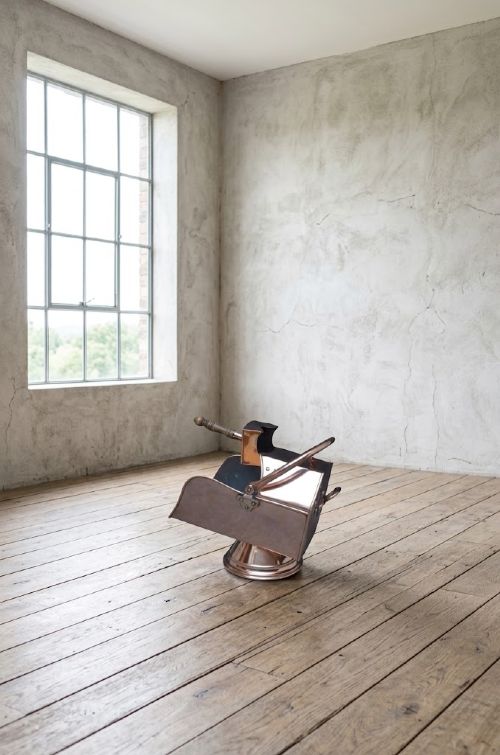
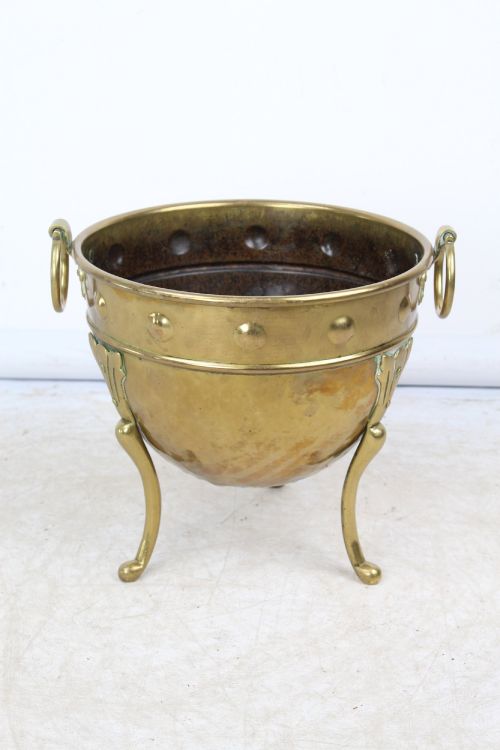
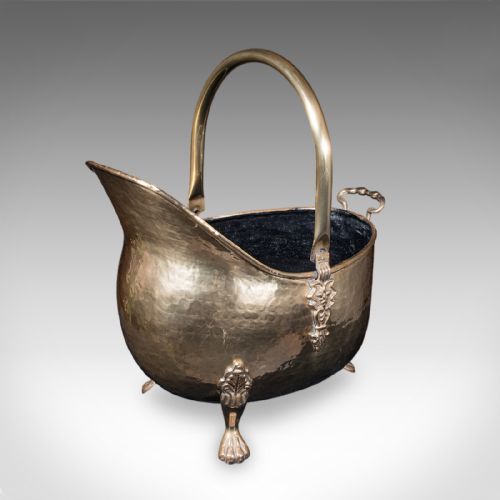
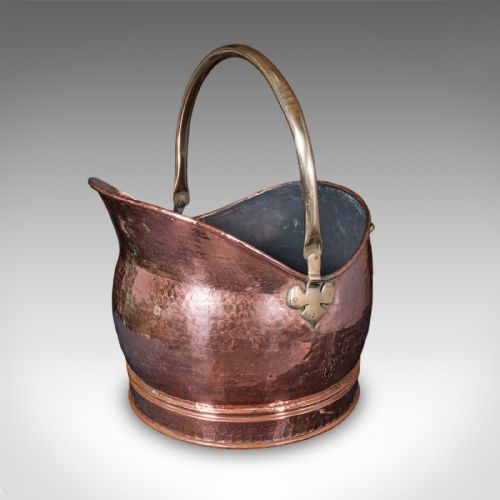
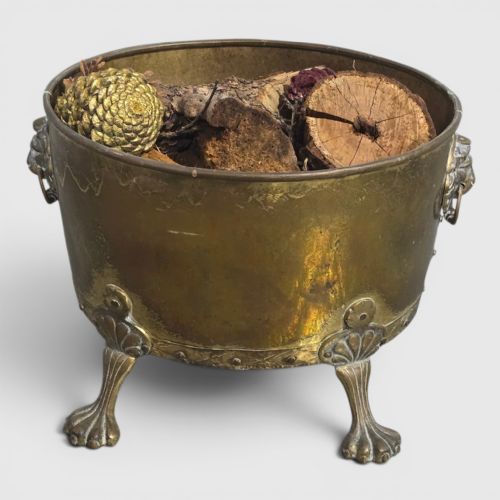
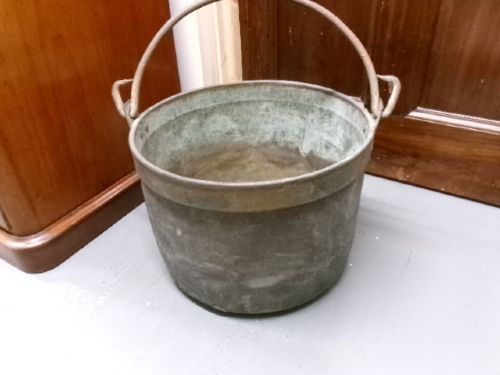
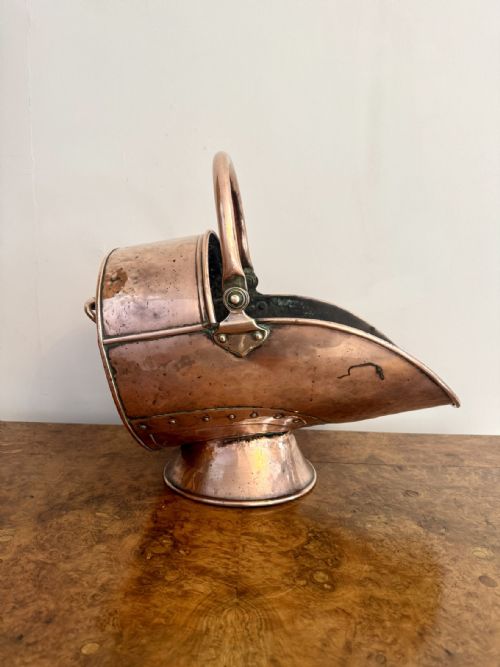
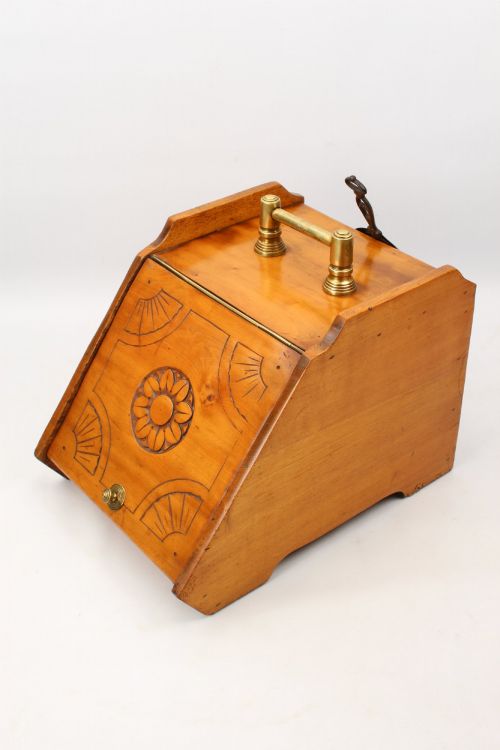
The pieces appearing most frequently span the Victorian, Edwardian, and Georgian eras. Forms include helmets, cauldrons, bins, and buckets made for coal, logs, or peat.
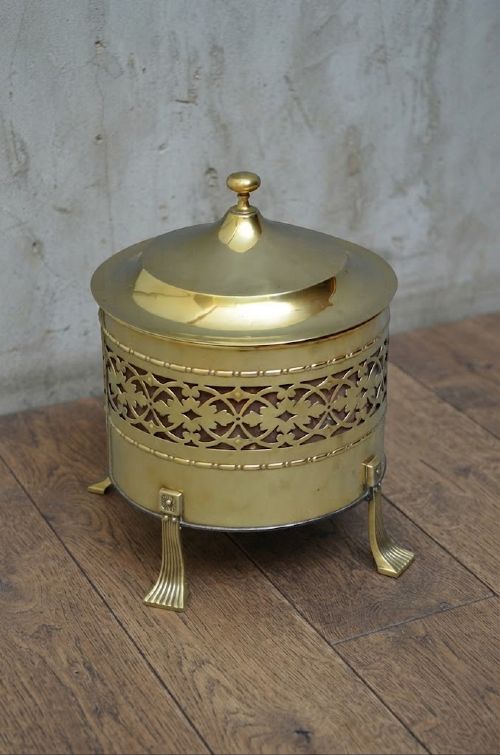
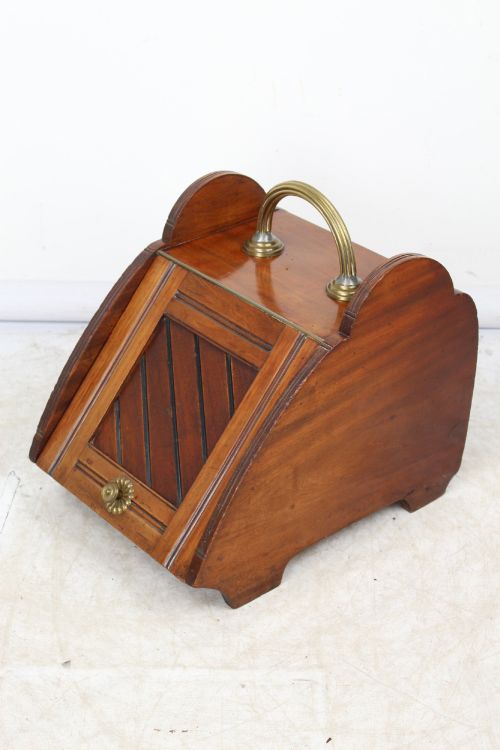
Materials vary from polished brass and riveted copper to traditional oak, mahogany, and leather. Many double as planters or log bins depending on their size and construction.
Materials and construction
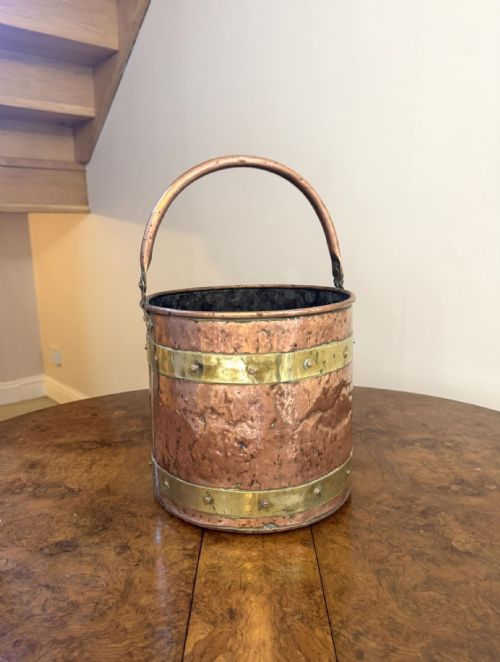
Makers utilised durable metals such as brass and copper, often forming them into riveted panels or hammered shapes. Iron frames and handles provided structural support for heavier fuel containers.
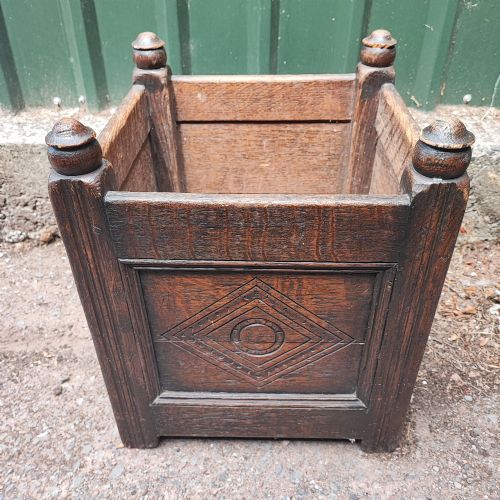
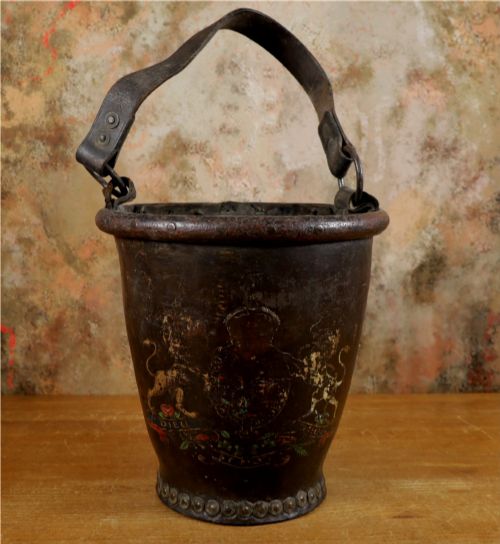
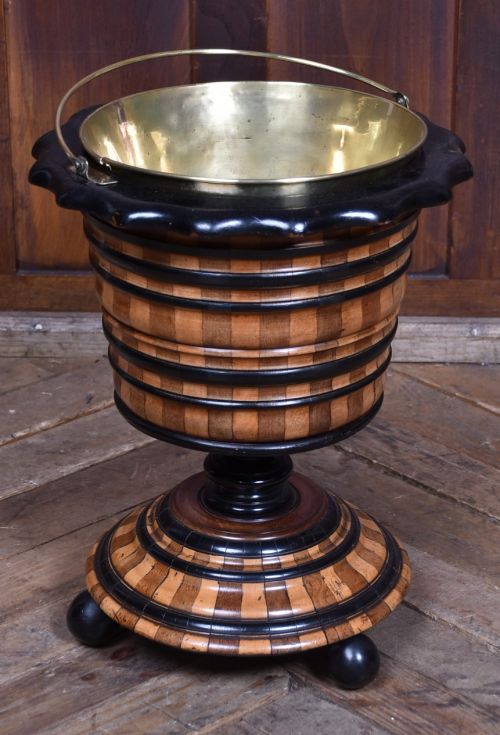
Wooden examples rely on traditional coopering techniques with metal banding, utilising oak, mahogany, and ebonised wood. Leather versions feature studded detailing and heraldic coats of arms.
Some leather fire buckets bear stubborn coats of arms, perhaps reminding servants which grand estate they were supposed to be saving.
Assessing quality and finish
Quality rests in the weight of the metal and the integrity of the construction, such as hand-riveted seams and heavy brass swing handles. Thicker gauge copper and solid brass castings distinguish superior pieces from lighter, mass-produced items.
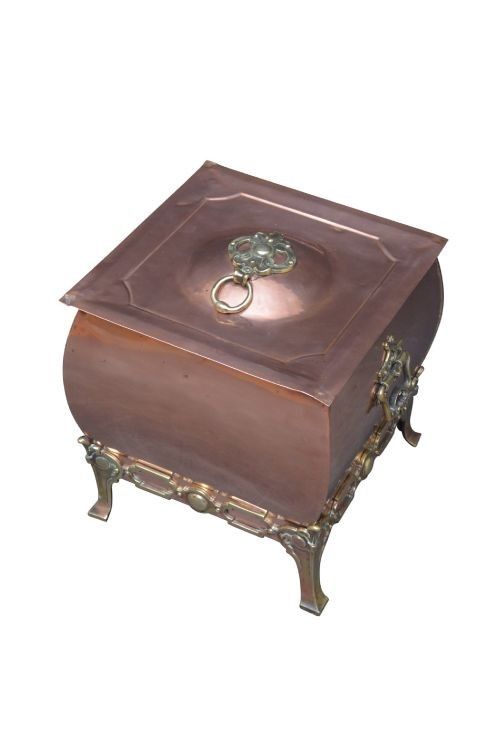
Original components like matching shovels, liners, and period feet elevate a piece. Fretwork designs and decorative brass banding demonstrate skilled craftsmanship within Arts and Crafts, Art Nouveau, and Georgian styles.
Henry Loveridge·Benham and Froud·Petrus Ramus
The Antique Hearth Coal Bucket Glossary
- Coal helmet
- A tall, tapered metal bucket with a flared lip designed for easy pouring of fuel onto the fire. This shape is common in Victorian brass and copper examples.
- Coopered
- A method of construction where narrow staves of wood are fitted together and bound with metal hoops, typical of wooden log and peat buckets.
- Teestoof
- A traditional Dutch warming vessel often featuring a metal liner, sometimes repurposed as a fireside accessory. These items reflect continental European craftsmanship.
- Cauldron
- A rounded metal pot, frequently supported by three feet and fitted with a swing handle, utilised for holding coal or logs near the hearth.
- Fretwork
- Openwork ornamentation cut into metal or wood, frequently seen on Edwardian and Arts and Crafts coal buckets.
Antique Hearth Coal Bucket: Frequently Asked Questions
What is an antique hearth coal bucket used for?
These vessels were originally manufactured to store and transport coal, logs, or peat directly beside a fireplace for domestic heating.
Today, they function equally well as storage bins for firewood, kindling, or as decorative planters in living spaces.
How do I clean a brass or copper bucket?
Cleaning depends on the desired finish, though most owners prefer to maintain a warm patina rather than polishing the metal to a bright shine.
Use a soft cloth and mild soapy water to remove dust and soot, avoiding harsh abrasives that can damage the original surface.
Can I use an antique coal bucket for logs?
Many examples are spacious enough to hold logs, kindling, or peat, particularly those catalogued as log bins or rustic country boxes.
Check the interior for a removable metal liner if you plan to store damp wood, which protects the outer structure from moisture.
How do I date a copper coal scuttle?
Dating relies on construction methods, stylistic cues, and materials characteristic of specific periods like the Georgian era or the Arts and Crafts movement.
Hand-hammered surfaces and heavy riveted construction often point to nineteenth-century manufacture, while machine stamping typically indicates later production.