



Antique Hearth Box
An antique hearth box brings practical fuel storage to the fireside, ranging from heavy brass coal scuttles to carved oak log bins.
Antique Hearth Box
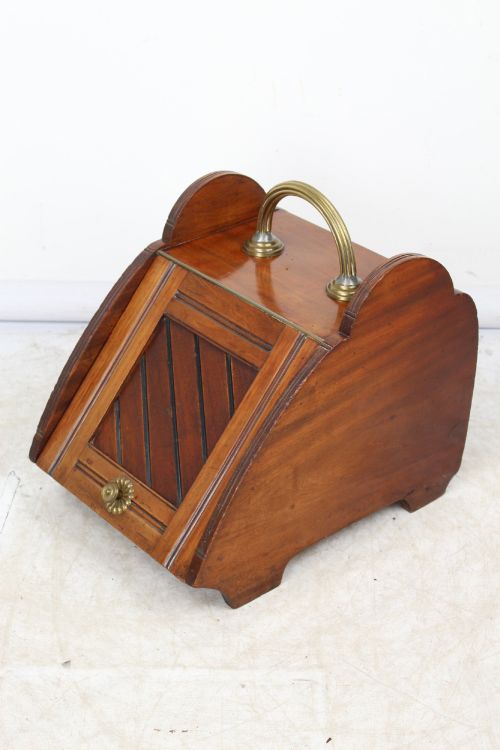
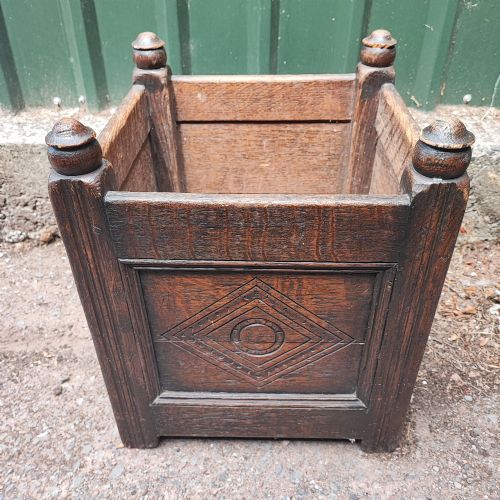
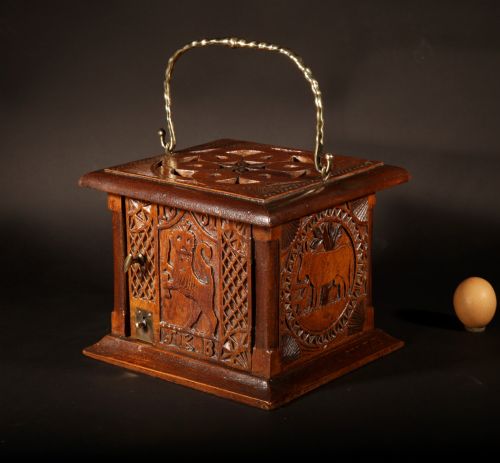
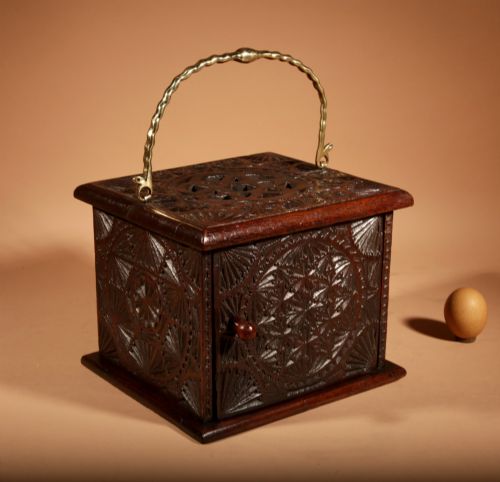
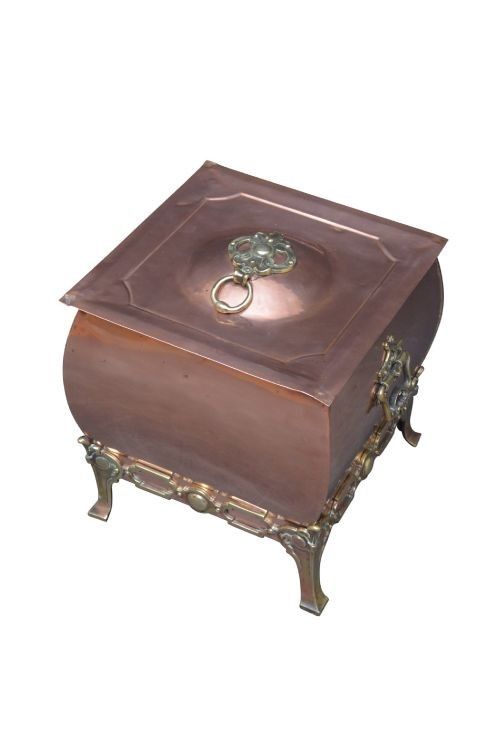
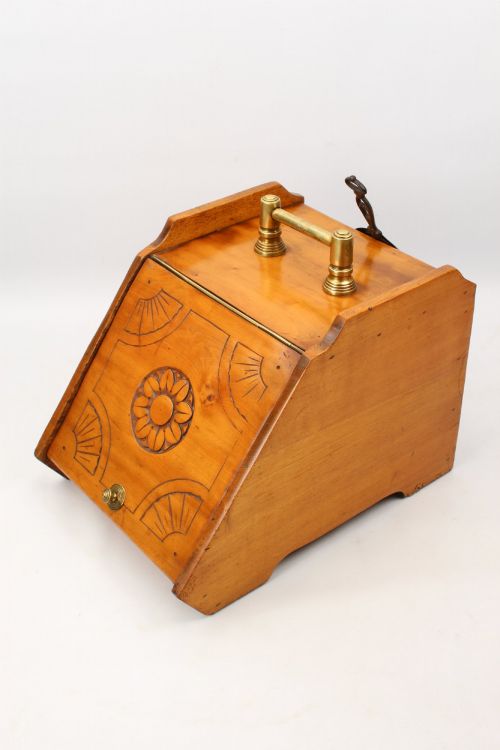
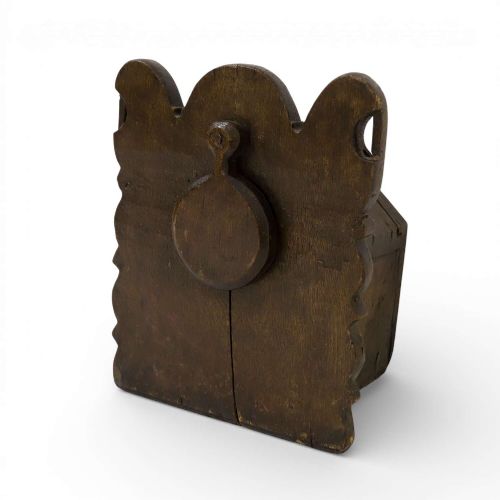
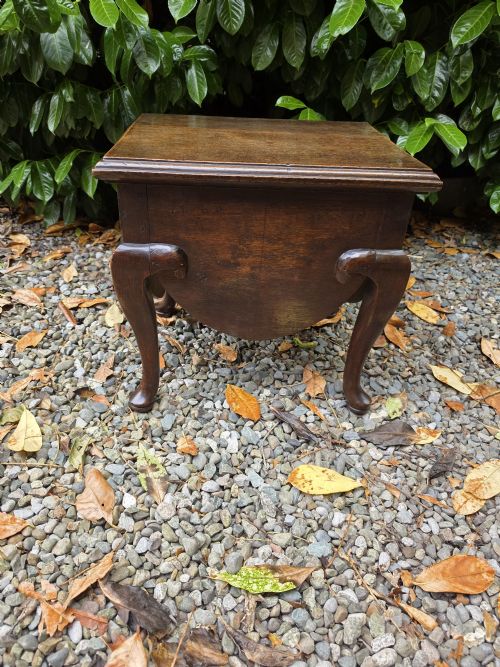
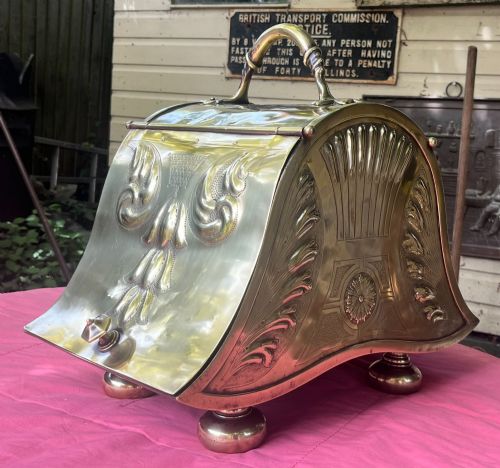
An antique hearth box serves as a functional container for coal, logs, or tinder beside the fireplace. When you examine this selection, you encounter various forms including coal scuttles, purdoniums, log bins, and foot stoves.
The objects span multiple periods, with Victorian and nineteenth-century examples dominating the selection. Alongside these, earlier eighteenth-century boxes and Edwardian pieces appear in timber and metal.
Makers utilised durable materials suited to daily fireside labour, combining timber bodies with metal linings, handles, and hardware. The resulting storage vessels balance domestic utility with the decorative character of their respective eras.
Materials and construction
Cabinetmakers and metalworkers built these pieces using solid timbers like oak, mahogany, pine, and walnut, often pairing them with robust metals such as brass, copper, and iron. Wood components frequently feature chip carving, inlay, or painted finishes.
Metal storage vessels employ hand-beaten brass or copper sheets, sometimes stamped with maker marks, joined to iron swing handles and secure hinges. Many timber coal boxes and purdoniums incorporate removable metal liners to contain ash and debris.
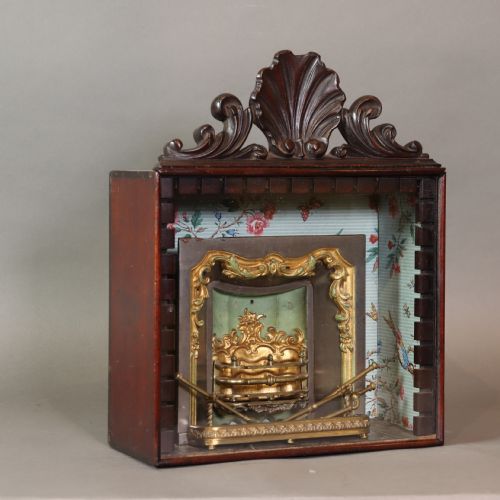
One miniature salesman’s sample allowed travelling reps to demonstrate hearth equipment without lugging full-sized coal scuttles across the countryside.
Assessing quality and craftsmanship
Quality rests upon the integrity of construction, the thickness of the metal, and the selection of timber. Superior examples display crisp chip carving, secure dovetail joints, and substantial brass hardware rather than thin sheet metal or flimsy hinges.
The presence of original components, such as interior metal liners, matching scoops, and period iron handles, elevates a piece. Finer items also demonstrate thoughtful decorative details like intricate inlays or polished brass surfaces preserved from their period of origin.
Benham and Froud·Henry Loveridge
The Antique Hearth Box Glossary
- Purdonium
- A specialised coal box featuring a sloping front flap and a shovel stored in a compartment beneath. This Victorian invention kept coal dust contained while sitting neatly beside the fireplace.
- Coal scuttle
- A bucket or pail designed to carry fuel to the grate, usually fitted with a swing handle and a flat base for tipping. Examples in the evidence utilise brass, copper, or wood.
- Log bin
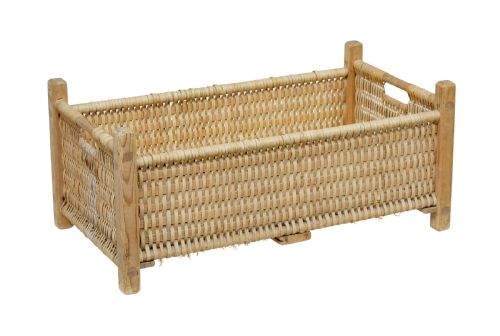
- A large container intended for storing firewood rather than small coal. These pieces appear in oak, pine, and iron-banded country house formats.
- Tinder box
- A small container holding flint, steel, and tinder used to strike a light before matches became common. They represent an earlier form of fireside storage.
- Foot stove
- A small perforated box containing hot embers, used in past centuries to warm the feet. They often feature detailed chip carving or painted woodwork.
Antique Hearth Box: Frequently Asked Questions
What is a purdonium?
A purdonium is a specific type of coal box introduced during the Victorian period, designed with a hinged sloping front and an internal metal liner. It typically includes a matching shovel stored in a built-in compartment.
These boxes kept fuel neatly enclosed and out of sight, offering a more refined appearance than an open bucket beside the fireplace.
How do I clean a brass hearth box?
Cleaning depends on whether you wish to maintain an aged patina or achieve a bright metallic shine. Gentle dusting and mild soapy water remove surface dirt without disturbing the history of the metal.
Avoid harsh chemical abrasives that strip away the character developed over a century or more of use near the fire.
Were these boxes used for coal or wood?
The evidence shows containers built for both fuels, depending on their size and internal fittings. Smaller scuttles and purdoniums handled coal, while larger bins accommodated logs.
Metal liners in coal boxes protected the surrounding wood from moisture and residue left by fuel.
How can I tell a Victorian box from an earlier one?
Victorian pieces often display machine-assisted manufacturing elements, heavier brass stampings, and popular styles like Arts and Crafts or Aesthetic movement details. Earlier eighteenth-century items usually rely on hand-forged iron hardware and simpler, robust timber construction.
Examining the fixings, wood joints, and overall wear helps place the piece within its correct historical era.