

Antique Heals Furniture
Antique heals furniture brings functional British craftsmanship into your home through solid oak storage, desks and beds.
Antique Heals Furniture
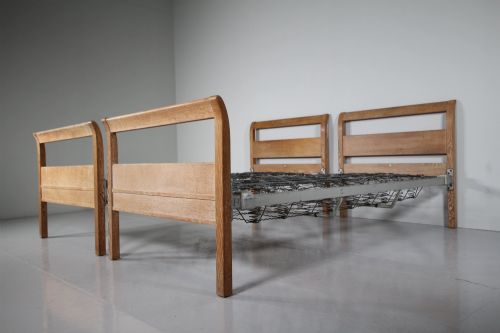
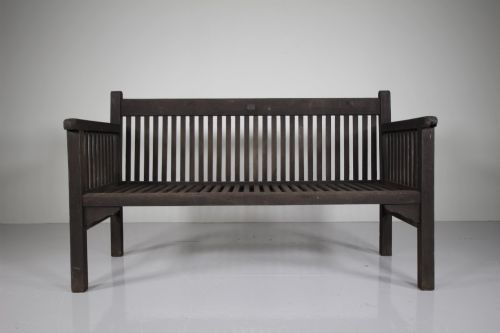
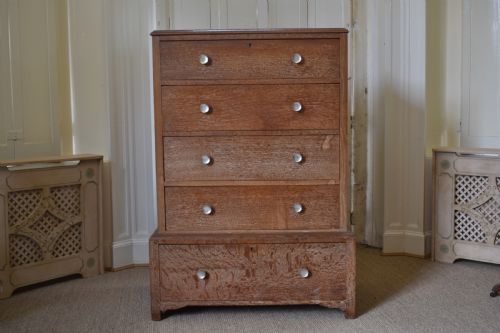
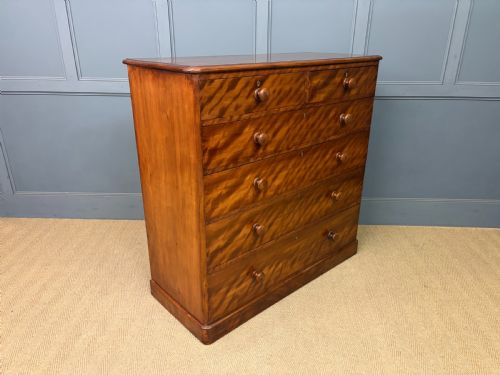
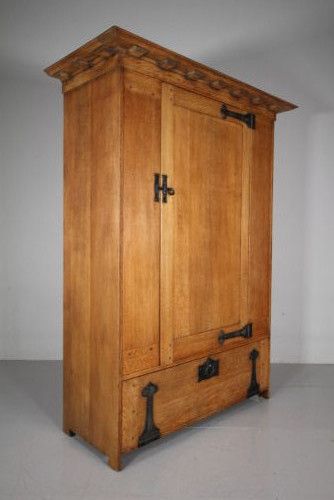
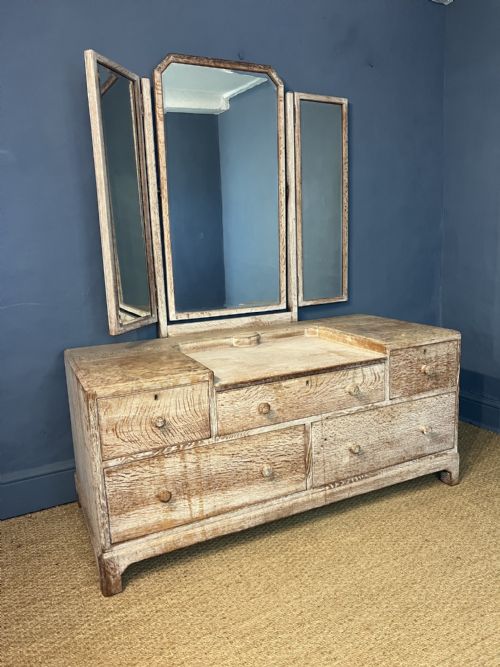
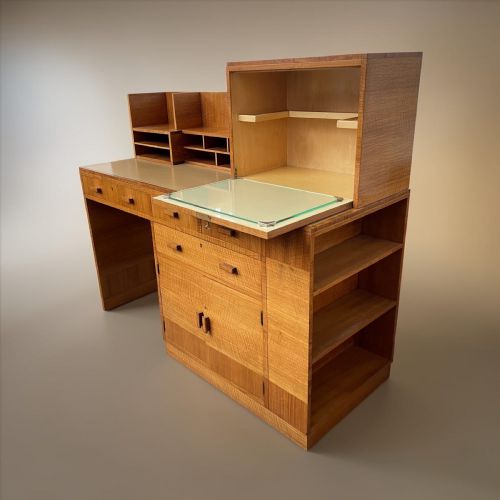
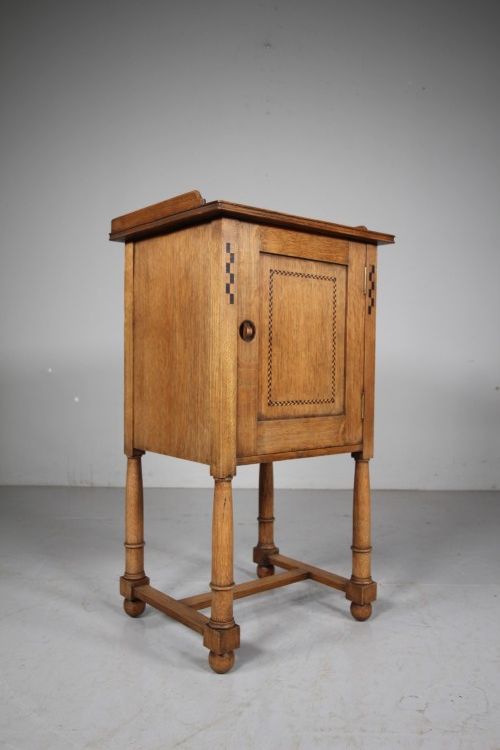
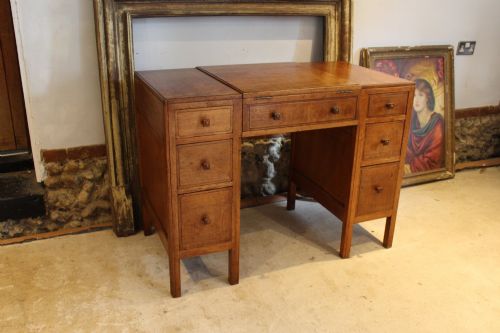
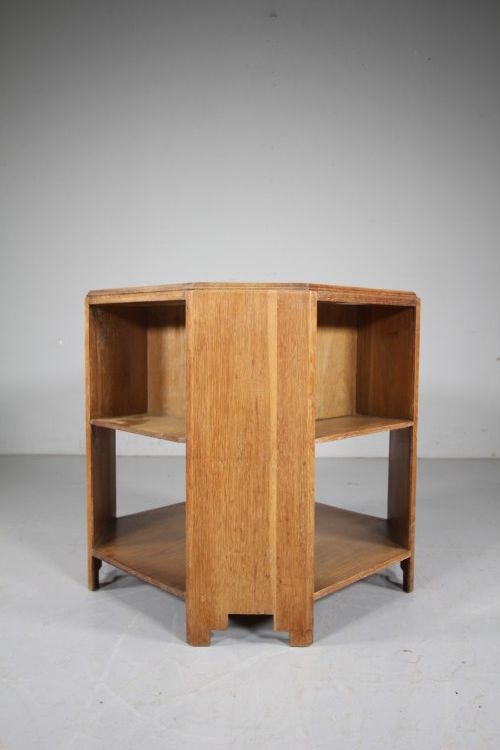
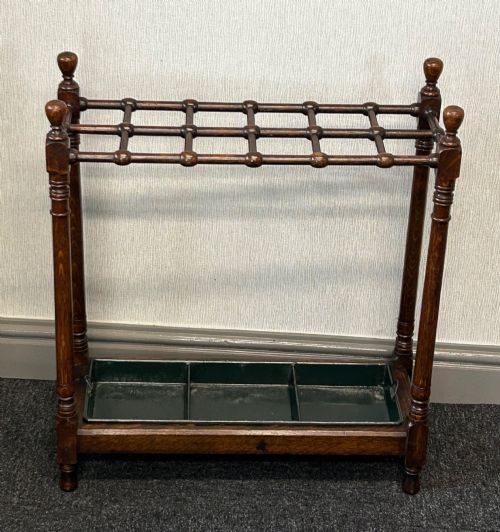
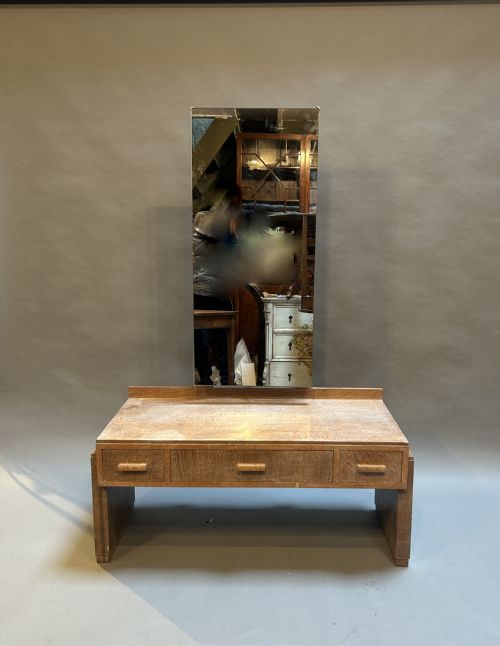
When you search for antique heals furniture, you encounter pieces spanning from the Victorian era into the Art Deco period of the 1930s. The selection focuses heavily on utilitarian forms in oak, limed oak and walnut, including chests of drawers, wardrobes, desks and single beds. Many items derive directly from the London firm through labels, stamps or distinctive design attributes.
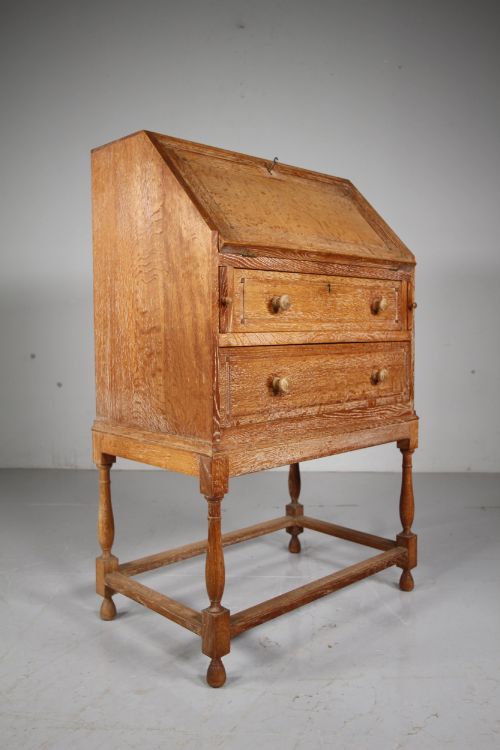
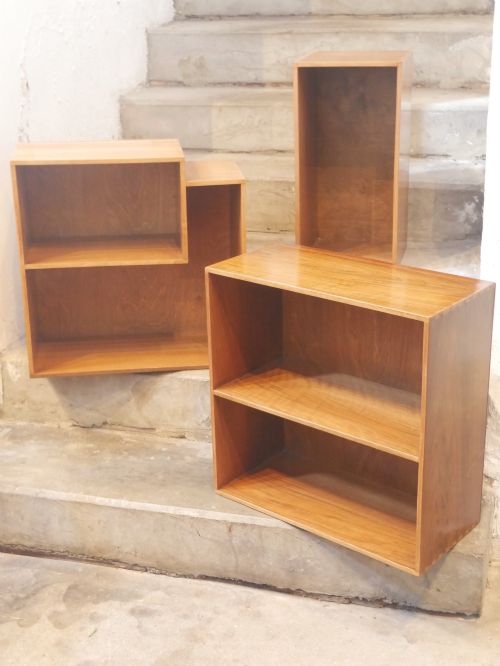
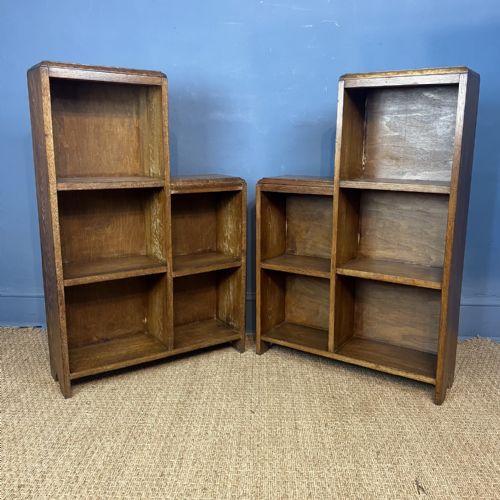
The assortment on this page leans strongly toward early twentieth-century production, particularly Arts and Crafts items and clean-lined Art Deco bedroom suites. You find sturdy side tables, stacking bookcases and writing bureaux alongside rarer regional pieces stamped with origins like St. Ives or Newlyn. These works reflect a deliberate shift away from heavy ornamentation toward honest utility.
Factors determining quality
The distinction between standard commercial output and superior craftsmanship rests on the selection of timber and the clarity of maker identification. Pieces featuring quartered oak with prominent medullary rays or finely figured satin walnut demonstrate a higher grade of material sourcing. Stamped signatures, paper labels or branded marks provide definitive attribution that elevates a piece above unmarked items in the same style.
Design integrity and finish preservation also separate the tiers of these furnishings. Original limed oak surfaces that retain their intended tone and clean geometric lines without clumsy alterations represent the upper tier of production. Pieces with replaced components or altered upholstery sit lower on the scale of original integrity.
One listed item is a rattan caned rocking crib that waited patiently for Victorian infants.
Heal and Son·Heals of London
The Antique Heals Furniture Glossary
- Limed oak
- A wood treatment involving a white or pale compound rubbed into the open grain of oak to create a lightened, textured finish. This technique gained significant popularity during the 1920s and 1930s.
- Quartered oak
- Timber cut radially from the growth rings to produce distinct medullary ray patterns across the board. This method yields stable boards with a decorative figuring valued in Arts and Crafts design.
- Bentwood
- Wood softened through steaming or boiling and bent into curved structural forms. It appears frequently in chair frames and armchairs.
- Bureau
- A desk featuring a sloping hinged writing flap that opens to reveal internal compartments and pigeonholes. These items often stand on raised legs or drawer bases.
Antique Heals Furniture: Frequently Asked Questions
How do I identify genuine heals furniture?
Look for maker marks such as paper labels, ink stamps or brands on the timber structure. Many pieces also display characteristic clean lines and materials like limed oak or quartered oak.
Attribution can also rely on documented construction styles typical of the London firm during the Arts and Crafts and Art Deco periods.
What periods do these pieces cover?
The available selection spans from the mid-nineteenth century through the Edwardian era up to the 1930s. Victorian and 19th-century items sit alongside later Arts and Crafts and Art Deco designs.
Each era contributes different wood types and aesthetic approaches, ranging from dark mahogany and satin birch to pale limed oak.
Are these items suitable for modern bedrooms?
The collection includes numerous functional forms such as single beds, bedside cabinets, tallboys and wardrobes that fit contemporary living spaces. Compact chests of drawers and desks provide practical storage without overwhelming smaller rooms.
Neutral timber tones and straightforward geometric shapes allow these older furnishings to integrate easily with modern interior layouts.
What is limed oak finish?
Limed oak is a surface treatment that highlights the open grain of the wood by filling it with a pale pigment. This creates a characteristic light, textured appearance common on items from the 1920s and 1930s.
It represented a modern departure from the dark varnishes favoured in earlier Victorian interiors.