
Antique Harvest Table
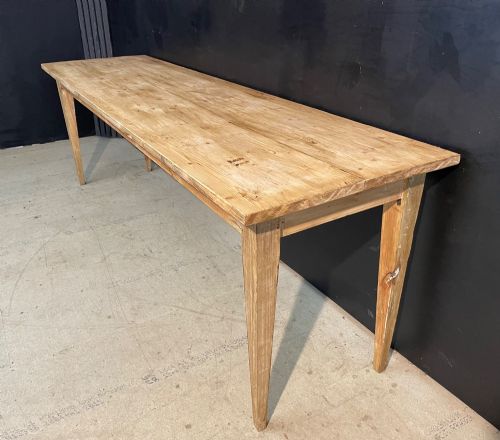
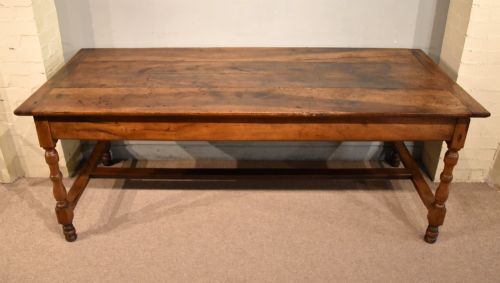
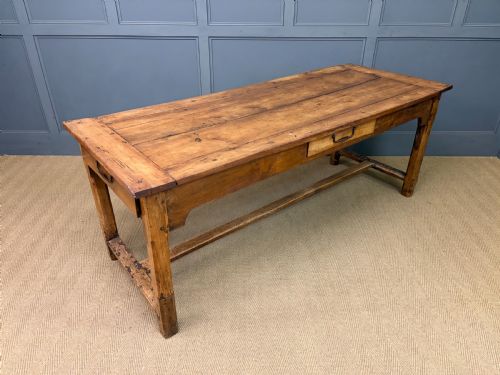
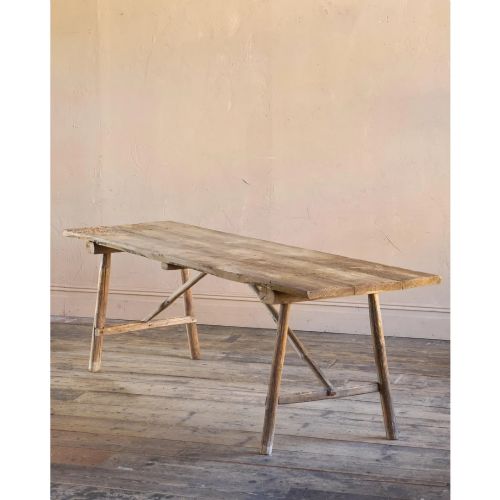
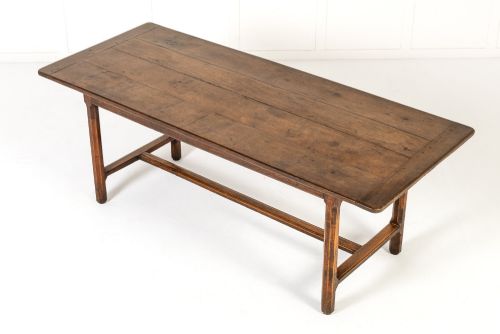
An antique harvest table is a long timber dining surface built for communal farmhouse meals, prized for its honest utility and rich, aged grain.
What an antique harvest table is
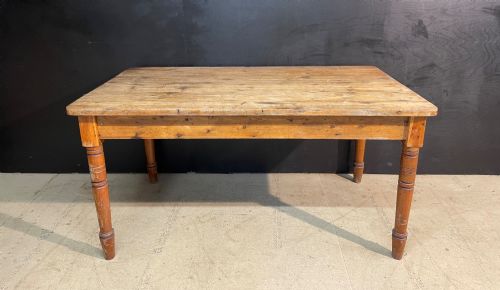
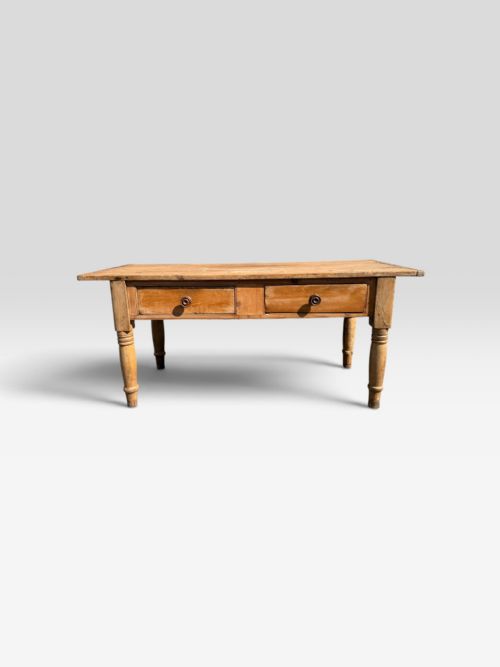
An antique harvest table serves as a sturdy communal dining surface rooted in rural domestic life. These large tables provide substantial surface area for gatherings and everyday family use.
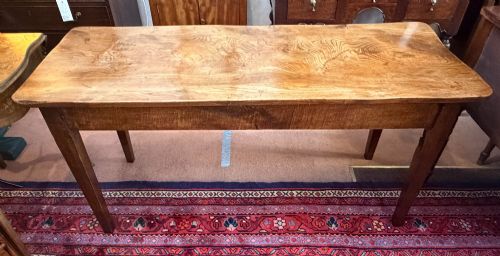
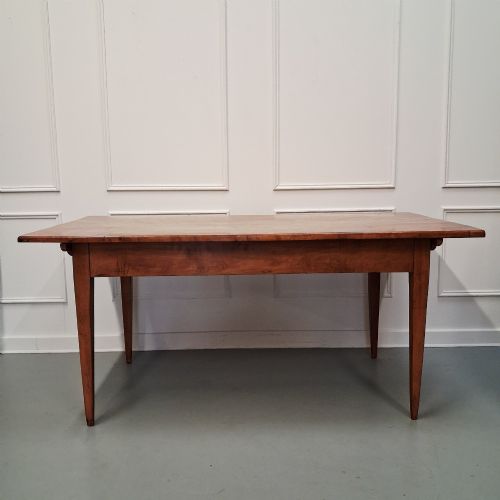
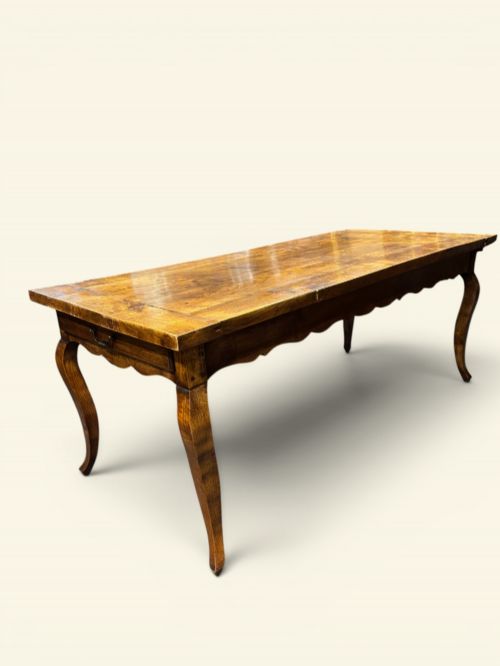
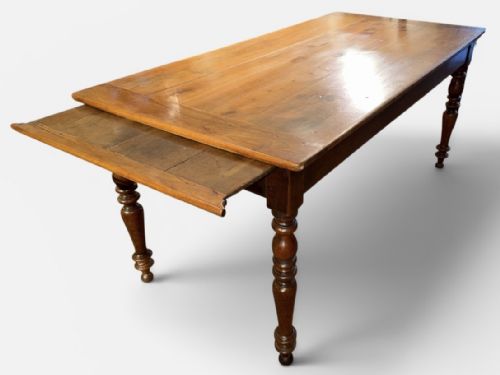
The examples available range across several distinct eras and regional styles. Buyers will encounter 19th-century pieces, including French provincial items and fruitwood farmhouse refectory tables, alongside older 17th-century Jacobean oak designs.
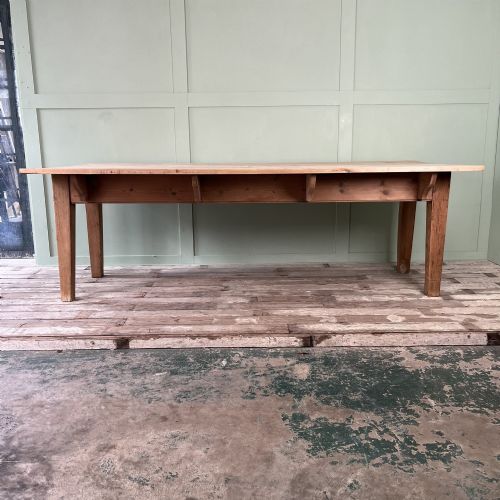
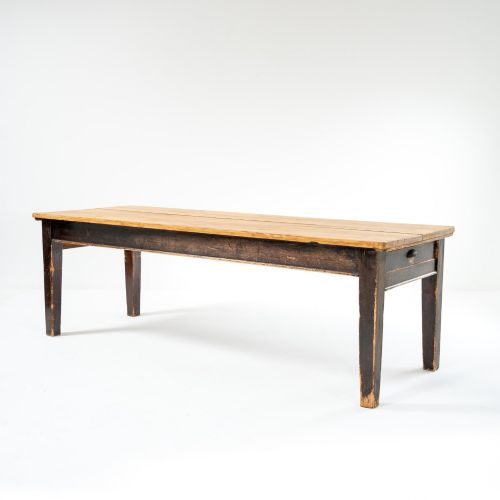
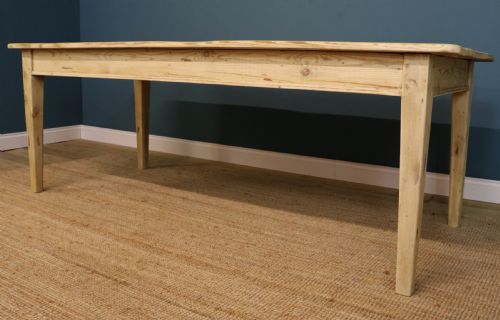
Most pieces function primarily as dining tables designed to accommodate many diners. Their proportions remain long and narrow, reflecting the historical need to seat large households in farm kitchens and halls.
How they were made
Cabinet makers constructed these tables using solid hardwoods chosen for durability and local availability. The recorded materials include oak, fruitwood, and red walnut, sometimes reinforced with iron components.
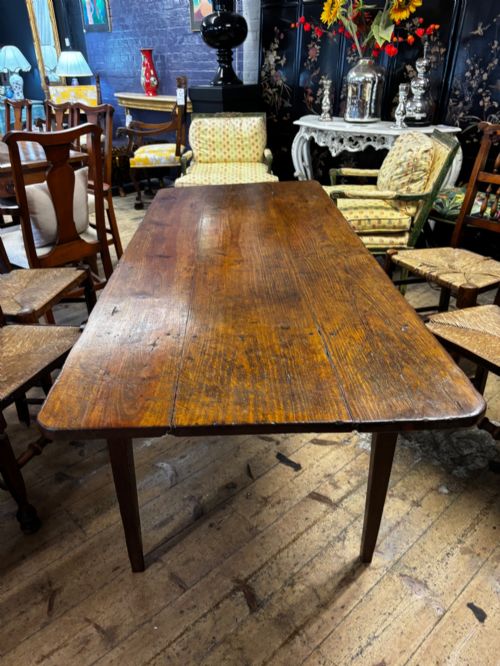
Joinery methods focused on strength and longevity rather than decorative flourish. Heavy timber planks form the tops, supported by substantial framing and legs designed to withstand daily physical strain.
Retail Price Guide 2026
Typical UK retail prices for harvest table, calculated from the Sellingantiques database of over a million retail prices indexed since 2003. This retail price guide relies exclusively on Sellingantiques data; no external sources or auction records are used, so the figures do not describe the wider market.
The listings span the 17th, 18th, and 19th centuries, featuring timber varieties such as oak, fruitwood, and walnut.
What varies in quality
Quality rests upon the selection of timber and the integrity of the original construction. Dense oak and finely figured fruitwood hold a superior visual depth compared to more utilitarian timber selections.
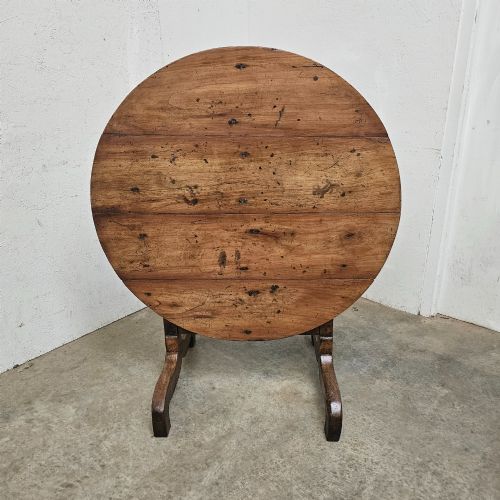
The character of the surface timber dictates much of the aesthetic merit. Tables that retain a deep, honest patina developed through generations of use stand apart from those with compromised or overly stripped surfaces.
The Antique Harvest Table Glossary
- Refectory table
- A long dining table historically used in monasteries and great halls. This form is characterised by its narrow proportions and substantial length.
- Fruitwood
- Timber derived from fruit-bearing trees such as pear, cherry, or apple. It provides a warm tone and fine grain suitable for provincial cabinet making.
- Patina
- The surface sheen and colour acquired by wood over decades of handling, polishing, and exposure to light. It serves as an indicator of age and genuine use.
Frequently Asked Questions
What is an antique harvest table?
An antique harvest table is a long, utilitarian dining surface traditionally used in farmhouses and large rural households for daily meals and food preparation. These tables are built to accommodate many people.
The listings on this page span the 17th and 19th centuries, incorporating materials like oak, fruitwood, and walnut across styles such as French provincial and Jacobean.
How do I identify a 17th century table?
Seventeenth-century tables typically feature heavy oak construction, mortise and tenon joinery, and stylistic elements native to the Jacobean period. Their timber work displays the marks of hand-tooling appropriate to the era.
By contrast, 19th-century examples often utilise fruitwood or red walnut and reflect French farmhouse or later refectory traditions with lighter framing.
Can I use an antique harvest table daily?
Yes, these pieces were originally built for heavy, everyday domestic service and remain exceptionally robust. Their solid hardwood tops handle normal dining use with ease.
Careful placement away from direct heat sources and excessive moisture will protect the timber and preserve the aged surface character for ongoing use.
What woods were used for these tables?
Cabinet makers utilised local hardwoods that offered structural strength and pleasing grain. Surviving examples incorporate oak, fruitwood, and red walnut, occasionally combined with iron hardware.
Different timbers produce distinct visual qualities, from the dark, heavy grain of early oak to the smoother warmth of 19th-century fruitwood.