



Antique Hanging Wall Bracket
An antique hanging wall bracket offers a practical way to display small objects while adding period character to a room.
Antique Hanging Wall Bracket
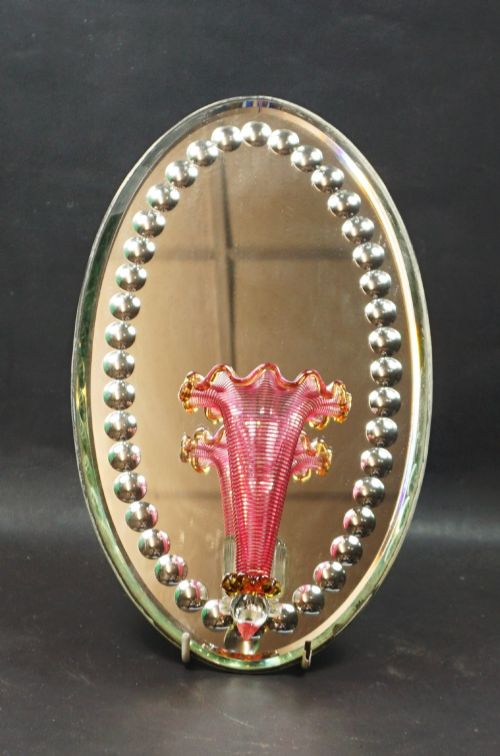
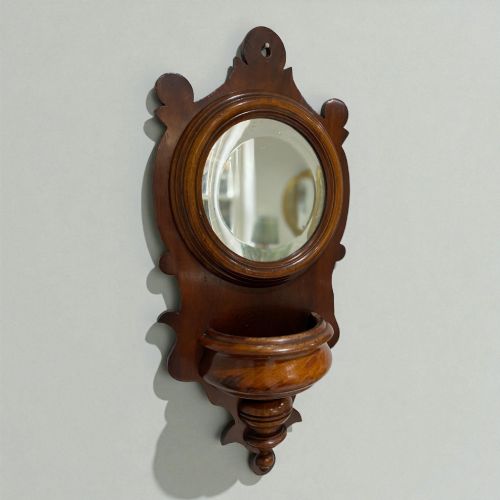
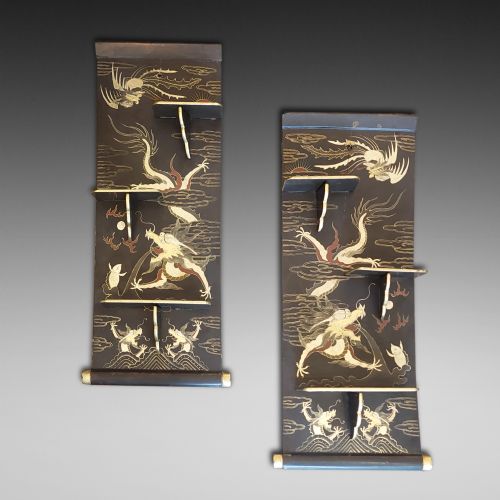
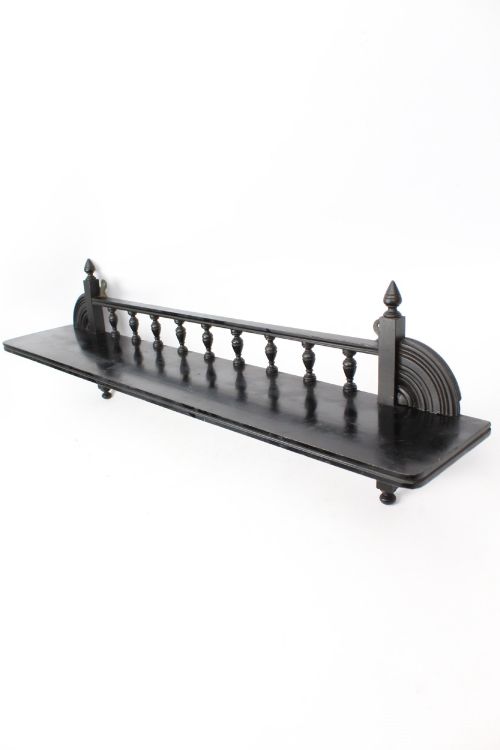
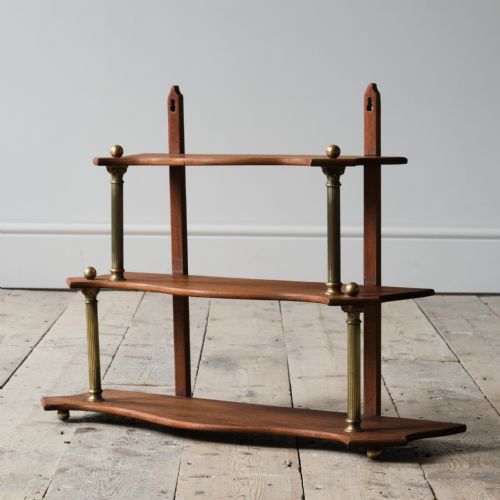
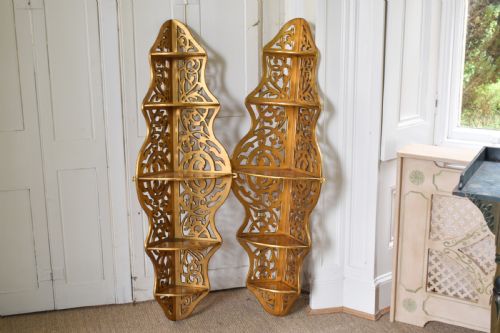
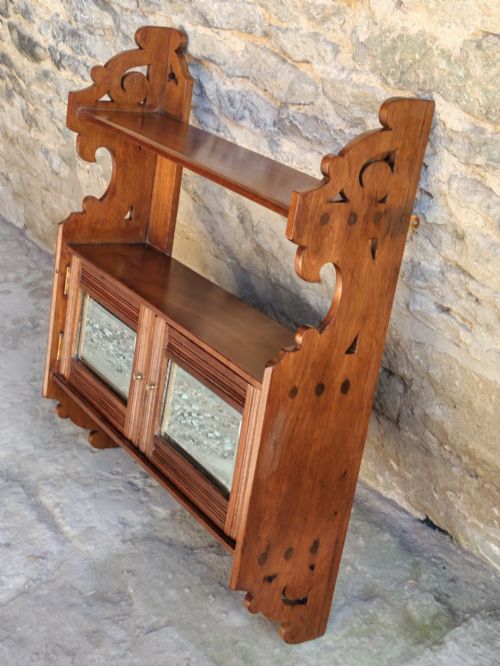
When you search for an antique hanging wall bracket, you encounter a variety of wall shelves, corner shelves, and supporting brackets designed to maximise vertical space. These pieces serve both utilitarian and decorative purposes in domestic interiors, holding ornaments, books, or mirrors.
The selections span multiple periods, most notably the Victorian and Edwardian eras, alongside Regency and early twentieth-century examples. You will frequently find timber forms alongside metal and ceramic variations, reflecting the changing tastes of interior decoration over the decades.
Materials and Construction
Cabinetmakers and metalworkers utilised a range of materials including mahogany, oak, walnut, brass, wrought iron, and copper. Timber pieces often feature detailed turning, joinery, or intricate inlay work such as Sorrento olive wood designs.
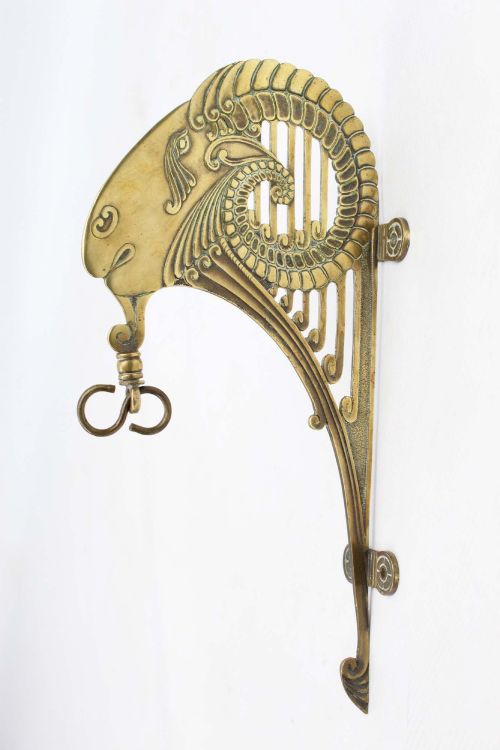
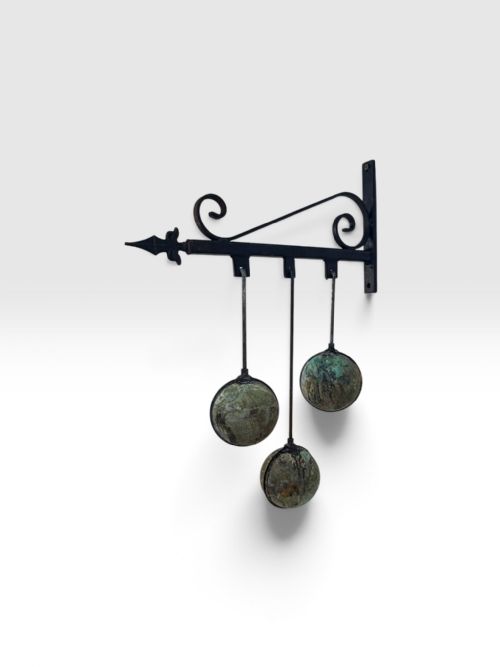
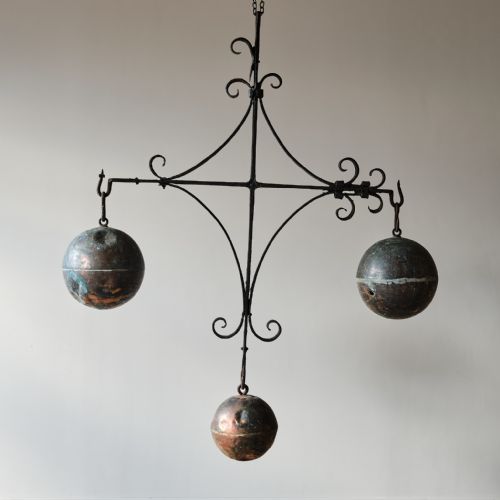
Metal brackets and mounts incorporate cast brass or forged iron, sometimes paired with mirrored backs or ceramic elements to enhance their visual impact on the wall.
Antique Hanging Wall Bracket Retail Price Guide 2026
Typical asking prices for hanging wall bracket among the pieces listed under this phrase on Sellingantiques today, from the lower quarter to the upper quarter. They describe what is for sale here now, not the wider market.
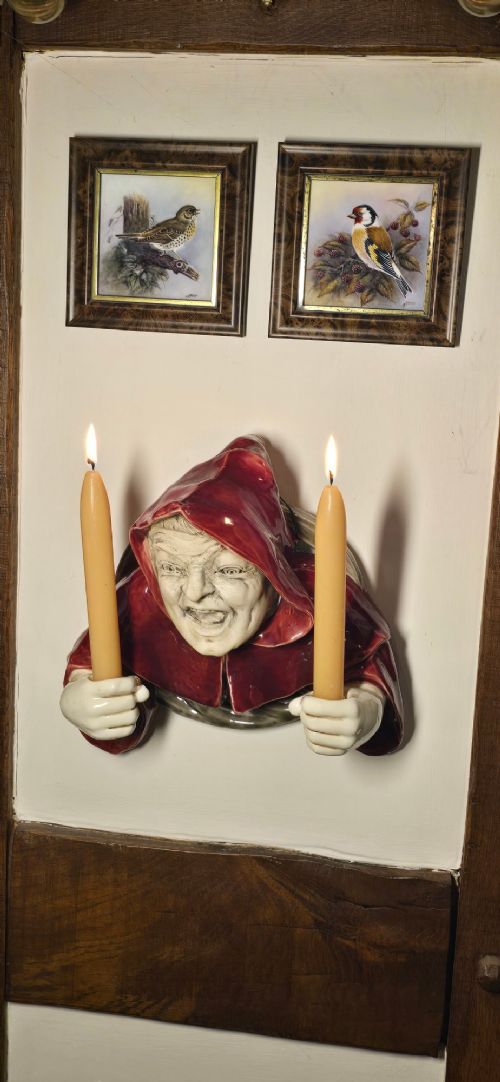
Monks made of pottery and pawnbrokers' trade signs occasionally keep watch over the shelves.
Assessing Quality and Craftsmanship
Quality rests in the crispness of the timber carving, the precision of any inlay, and the structural integrity of the joints and hanging mounts. Finer examples display thoughtful proportion and careful selection of figured woods like mahogany and walnut.
The distinction between standard production and superior work lies in the finish of the secondary timbers, the quality of the brass or iron fixings, and the preservation of the original surface patina.
The Antique Hanging Wall Bracket Glossary
- Corner shelves
- Shelving units specifically constructed to fit neatly into the ninety-degree angle of a room. They make efficient use of otherwise neglected space.
- Inlay
- A decorative technique where contrasting pieces of wood, such as olive wood, are inserted into a recessed surface to form a pattern.
- Giltwood
- Timber that has been coated with a thin layer of gold leaf or gold paint. This finish creates a reflective, opulent surface.
- Wrought iron
- Iron that has been heated and hammered into shape by a blacksmith. It provides sturdy structural support for heavy wall fixtures.
Antique Hanging Wall Bracket: Frequently Asked Questions
How were hanging wall brackets used?
These brackets and shelves provided domestic spaces with elevated display areas for ceramics, clocks, and small decorative items.
They also served practical functions in hallways and cloakrooms for holding mirrors and small everyday objects.
What materials are most common?
Timbers such as mahogany, oak, and walnut appear frequently across the various shelf designs.
Metal components in brass, copper, and wrought iron also feature prominently in the construction of brackets and wall fittings.
How do I date a wall bracket?
Stylistic clues, such as Victorian aesthetic details or Regency proportions, help determine the period of manufacture.
Construction methods and the specific choice of secondary timbers also offer reliable indicators of age.
Are these pieces suitable for modern walls?
Most brackets include original hanging loops or mounting points designed for secure attachment.
Proper wall fixings suited to your specific wall type ensure safe installation for heavier wooden and metal pieces.