





Victorian Carved Wall Sconce
These Victorian carved wall sconce selections bring period illumination and display to a room through ornate timber and reflective glass.
Victorian Carved Wall Sconce
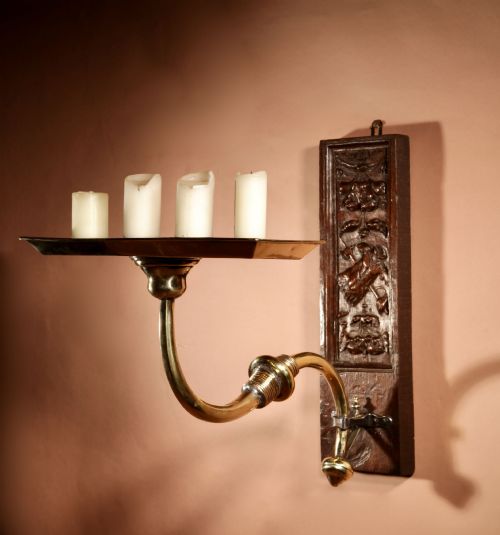
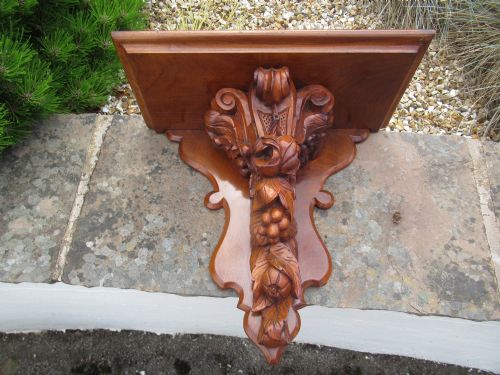
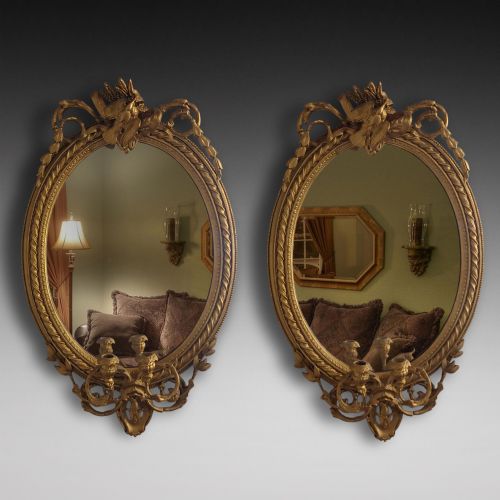
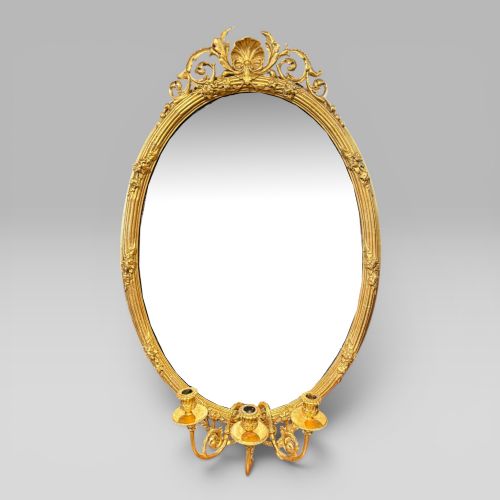
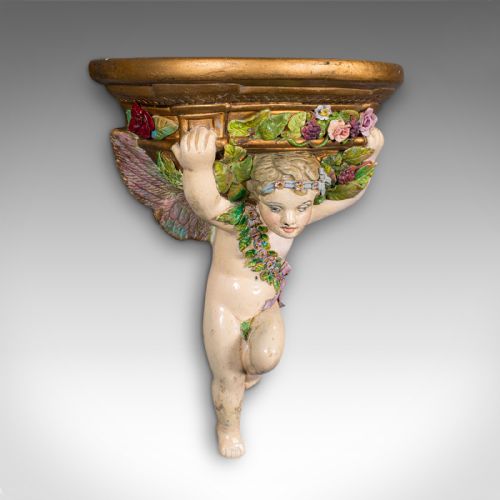
A Victorian carved wall sconce combines functional lighting and architectural display, often taking the form of wall brackets, girandoles, or candle holders attached directly to timber or plaster backplates. You will encounter pieces from the nineteenth century alongside later revivals, displaying forms ranging from simple shelves to elaborate multi-branch wall lights.
Makers utilised diverse styles including Rococo Revival, Gothic Revival, and Chippendale Revival, alongside Anglo-Indian or French Belle Époque influences. These objects served to bounce candle or gas light around nineteenth-century rooms while providing a dedicated ledge for small ornaments or clocks.
How they were made
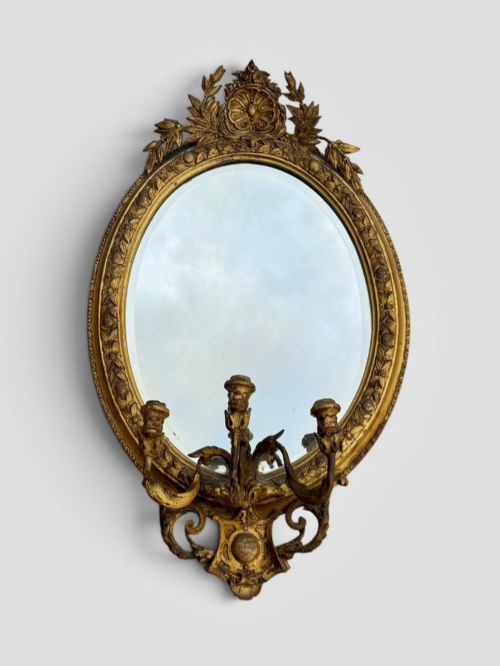
Artisans carved walnut, pine, and giltwood to form the structural backplates and supporting brackets of these pieces. Gesso was frequently applied beneath gilt finishes to build up intricate relief decoration such as scrolls and cherubs.
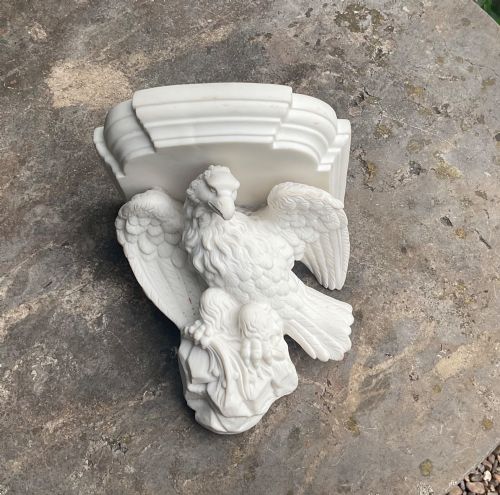
Reflective elements incorporate mirror glass and silvered surfaces, while metal components utilise brass, iron, and various cast metals for branches and candle sockets. Parian ware also appears in moulded bracket forms, combining ceramic manufacture with wall mounting.
Victorian Carved Wall Sconce Retail Price Guide 2026
Typical asking prices for victorian carved wall sconce among the pieces listed under this phrase on Sellingantiques today, from the lower quarter to the upper quarter. They describe what is for sale here now, not the wider market.
Mermaids occasionally join the carved cherubs and acanthus leaves, holding candle sockets aloft in unexpected maritime displays.
What varies in quality
Depth and crispness of the carving distinguish standard production from exceptional examples, particularly in how sharply acanthus leaves, figures, and rope twists are defined in the timber or gesso. Superior pieces display fluid symmetry and secure joinery where brackets meet the wall plate.
The quality of the gilding and the preservation of original mirror glass or candle branches further separate ordinary items from finer ones. Heavier cast metal components and well-preserved surface finishes indicate higher grade nineteenth-century manufacturing.
The Victorian Carved Wall Sconce Glossary
- Girandole
- A branched wall light or candle holder, frequently incorporating a mirror to reflect illumination into the room. These often feature ornate giltwood or gesso frames.
- Gesso
- A plaster-like mixture applied to wood surfaces and carved before being gilded or painted. It allows for crisp, highly detailed decorative relief work.
- Wall Bracket
- A projecting shelf or support fixed to a wall for displaying ornaments, clocks, or figures. Many nineteenth-century examples feature elaborate carving.
- Parian
- A fine white porcelain resembling marble, used for nineteenth-century sculptural figures and architectural brackets. It was named after Parian marble from Greece.
- Giltwood
- Timber, such as pine or walnut, coated with a thin layer of gold leaf or gold paint. This technique creates a luminous finish characteristic of period frames.
Victorian Carved Wall Sconce: Frequently Asked Questions
Were these pieces meant for candles or electricity?
Original nineteenth-century pieces were designed exclusively for candles, oil, or gas illumination. Many retain their original brass candle sockets and drip pans.
If you wish to electrify them, a qualified electrician can run discreet wiring through the structure without damaging the antique timber or metalwork. Alternatively, many owners use them with unlit candles to preserve their original state.
How do I tell a girandole from a standard mirror?
A girandole specifically incorporates integrated candle branches or arm attachments extending from the frame or glass. Standard wall mirrors lack these functional lighting arms.
The presence of drip pans and candle nozzles distinguishes girandole mirrors and pier mirrors intended for use beside windows or fireplaces.
What is the difference between Victorian and Edwardian wall lights?
Victorian lighting fixtures often display heavy ornamentation, dark walnut timbers, or dense giltwood and gesso relief work reflecting Revival styles. The nineteenth-century aesthetic favoured ornate detail and robust proportions.
Edwardian pieces can show greater variation, such as detailed metalwork featuring figurative elements like mermaids, alongside lighter overall forms. Both eras utilised traditional casting and carving methods.