

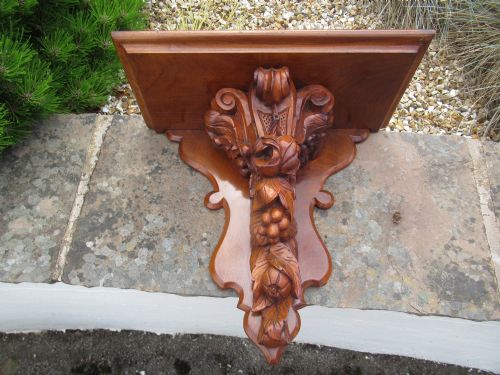
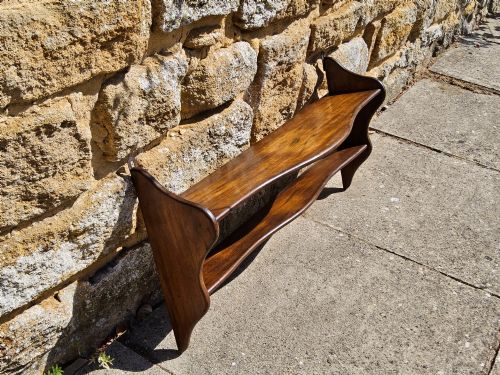
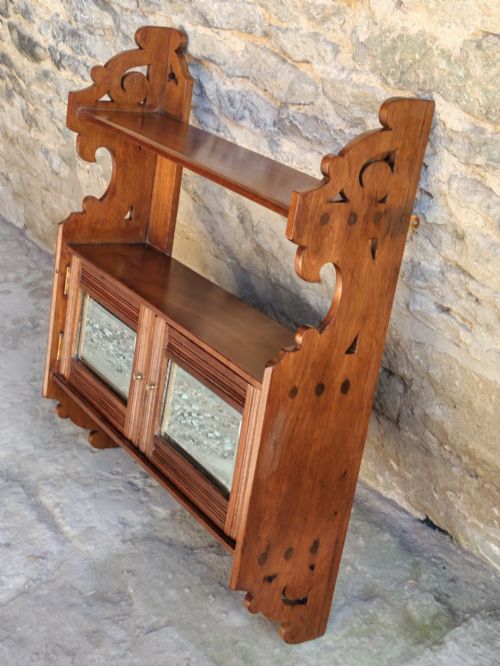


Carved Walnut Wall Shelf
These carved walnut wall shelf options offer rich timber and decorative carving, bringing practical display space and distinct period character to any room.
Carved Walnut Wall Shelf
A carved walnut wall shelf serves as a practical display surface while adding architectural presence to interior walls. You will frequently encounter Victorian and Edwardian examples featuring rich timber tones and detailed surface carving.
The selection ranges from simple hanging brackets and wall cabinets to elaborate Italianate corbels and inlaid Syrian pieces. Walnut timber provides a stable base for deep relief work, making these shelves both functional and decorative.
Most pieces date from the nineteenth century through to the Edwardian period, often reflecting revival styles such as George I and Renaissance designs. Each format uses wall mounting to elevate small objects, clocks, or display items off the floor.
Materials and construction methods
Makers utilised solid walnut and red walnut for its rich grain and dependable strength, allowing carvers to execute deep and intricate relief details without splitting the timber. Giltwood accents and parcel-gilt highlights frequently appear alongside the dark wood to accentuate carved motifs.
Secondary materials such as mirror glass, brass hardware, and mother of pearl inlay enhance specific functional types like hallway mirrors and display cabinets. Joinery relies on traditional pinning and mounting plates to secure the weight of the timber and supported items to the wall.
Carved Walnut Wall Shelf Retail Price Guide 2026
Typical asking prices for carved walnut wall shelf among the pieces listed under this phrase on Sellingantiques today, from the lower quarter to the upper quarter. They describe what is for sale here now, not the wider market.
One exceptional nineteenth-century piece carries the carved signature of master carver Luigi Frullini, depicting the devil himself.
Assessing craftsmanship and execution
Quality rests upon the depth, clarity, and confidence of the carving, where master carvers achieved sharp undercut foliage and distinct animal or human figures. Softer, more generic moulding indicates mass production or later commercial output.
The choice of timber grain and the precision of fitted elements, such as door rebates or mother of pearl inlay work, separate standard joinery from exceptional studio pieces. Superior examples maintain balanced proportions and crisp architectural detailing across brackets and cornices.
Connell of London·Luigi Frullini
The Carved Walnut Wall Shelf Glossary
- Corbel
- A structural projection from a wall designed to support weight, often heavily carved with scrolls and acanthus leaves in walnut pieces.
- Parcel-gilt
- Partially gilded with gold leaf, this technique highlights specific carved details against the dark walnut timber ground.
- Pier glass
- A tall mirror designed to hang on the wall between windows, frequently paired with console tables or brackets.
- Whatnot
- An open set of multi-tiered shelves used for displaying ornaments and small decorative objects.
- Inlay
- A decorative technique where contrasting materials such as mother of pearl are embedded into recesses cut into the walnut surface.
Carved Walnut Wall Shelf: Frequently Asked Questions
How do I hang a heavy walnut wall shelf safely?
Secure the mounting brackets directly into wall studs or use appropriate heavy-duty cavity anchors matched to your wall type. The dense weight of walnut timber requires robust fixings to support both the shelf and displayed objects.
Ensure the hanging plates or screw eyes on the back of the piece are firmly seated and check the wall structure before mounting cabinets or large brackets.
What rooms suit a carved walnut wall shelf best?
These pieces suit reception halls, studies, and living rooms where dark timber tones complement traditional furniture and architectural mouldings. Smaller bracket formats also function well in bathrooms or hallways when paired with mirrors or key hooks.
Consider eye-level placement so the carved details and any displayed items are easily visible without crowding the wall space.
How should I clean and maintain walnut timber?
Dust the carved surfaces regularly with a soft, dry cloth to prevent dirt from settling into the deep recesses of the woodwork. Avoid using silicone-based sprays or modern polishes that can build up a film over the traditional finish.
Apply a quality beeswax sparingly once or twice a year to nourish the walnut and maintain a natural, soft sheen.
How can I tell Victorian walnut from Edwardian pieces?
Victorian walnut pieces often feature heavier Renaissance revival carving, darker finishes, and dense ornamentation like scrolls and corbels. Edwardian items frequently display lighter construction, simpler Georgian revival lines, or functional multi-use elements like shaving mirrors and key cabinets.
Examining the secondary woods, hardware, and interior construction will help clarify the manufacturing period.