


Antique Hanging Rack
An antique hanging rack solves small-space storage with timber, iron and brass fixed directly to the wall.
Antique Hanging Rack
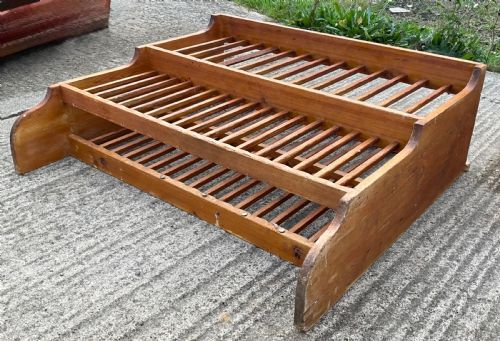
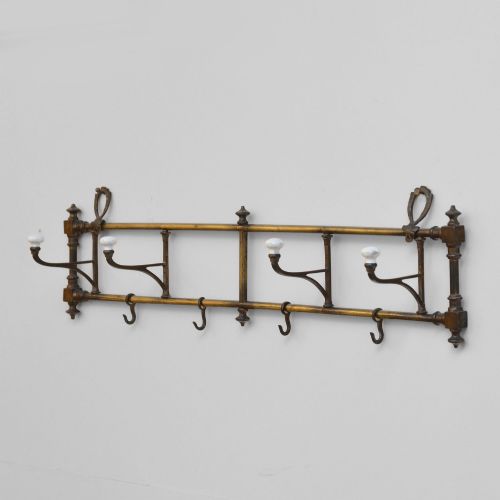
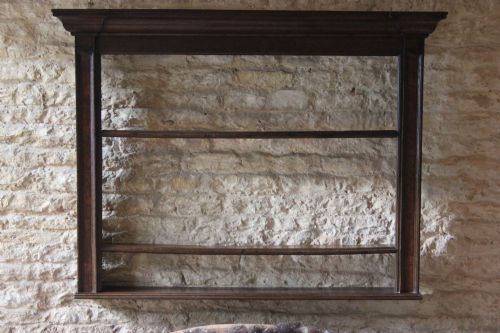
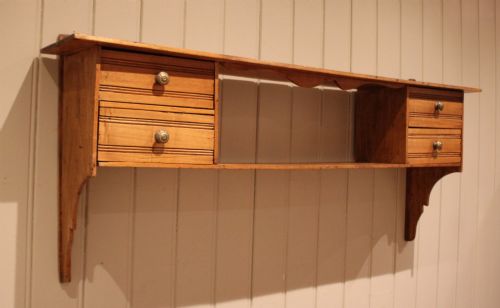
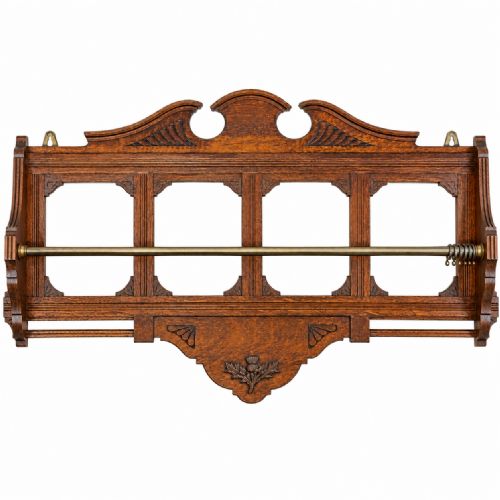
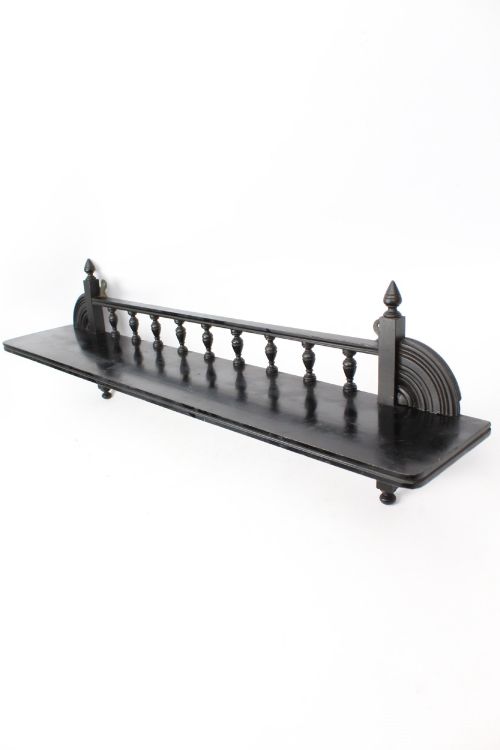
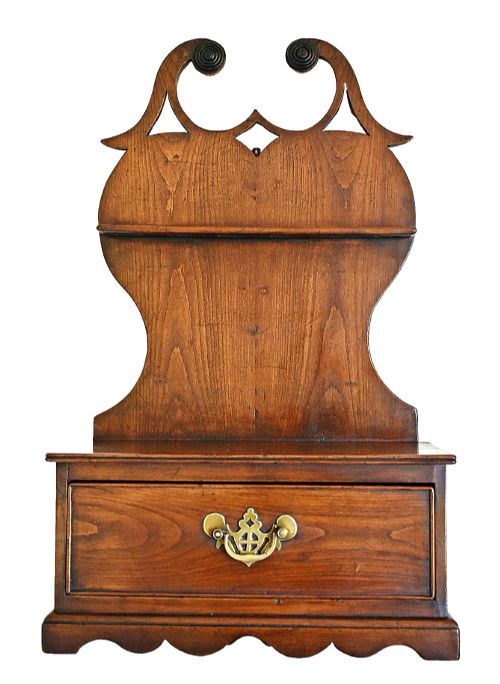
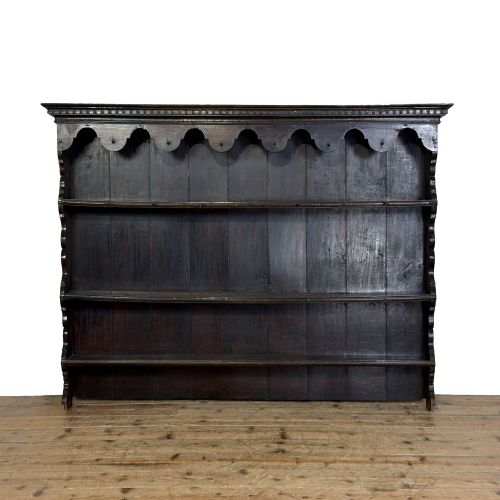
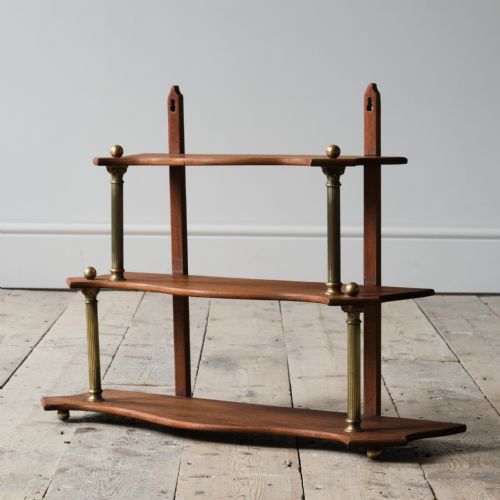
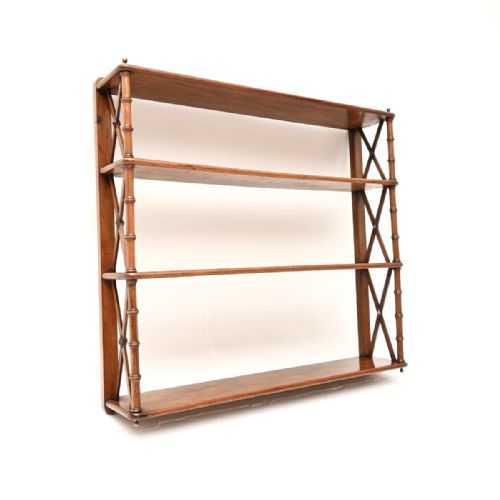
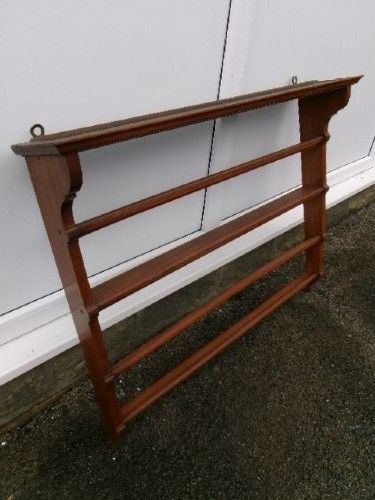
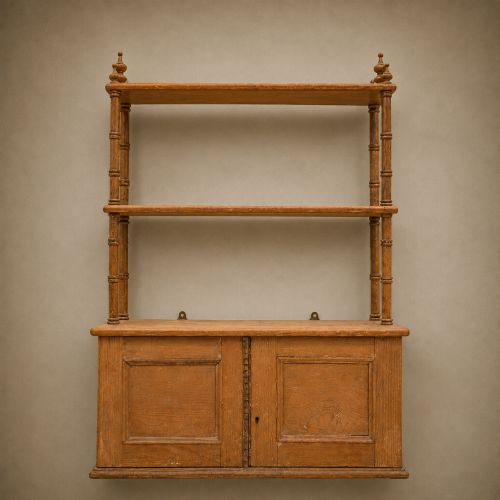
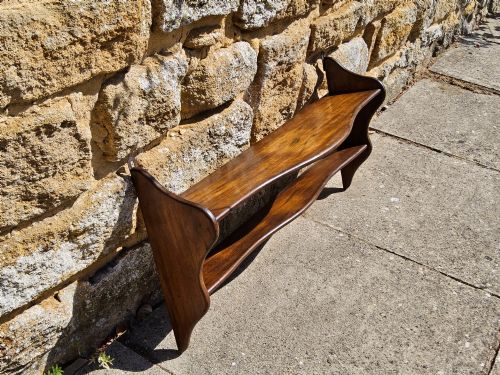
An antique hanging rack encompasses wall-mounted shelving, coat holders, plate racks and storage units designed to clear the floor and display domestic belongings. When searching for an antique hanging rack, buyers encounter domestic fixtures intended for kitchens, halls and libraries.
The pieces appearing on this page span the Georgian, Victorian and Edwardian periods, stretching from the eighteenth century into the early twentieth century. Forms range from simple oak plate racks and pine kitchen shelves to mahogany bookshelves and wrought iron coat holders.
Originating largely from British and French domestic settings, these wall-mounted fittings reflect the practical needs of past households. The selection includes utility pieces like towel rails and pipe racks alongside display shelves suited for books and ceramics.
How they were made
Carpenters and cabinetmakers built these wall fixtures primarily in solid timber, utilising oak, mahogany, walnut, pine and fruitwood. Joints were often pegged or dovetailed to bear the weight of books, ceramics or garments hanging from brass and iron hooks.
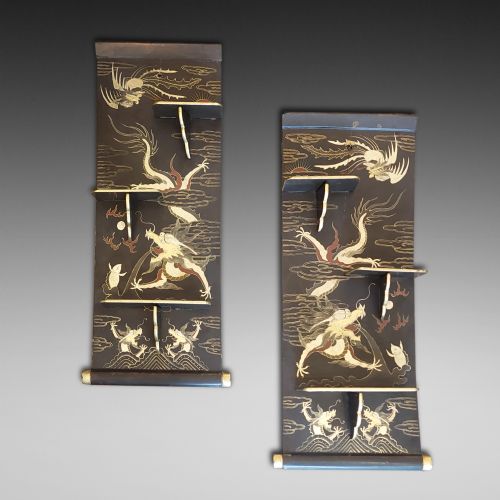
Metal components such as wrought iron brackets, brass hooks and copper fittings were hand-forged or cast. Painted finishes and simple carved details appeared on decorative wall shelves and display cabinets, particularly during the Victorian and Arts and Crafts periods.
Antique Hanging Rack Retail Price Guide 2026
Typical asking prices for hanging rack among the pieces listed under this phrase on Sellingantiques today, from the lower quarter to the upper quarter. They describe what is for sale here now, not the wider market.
Some nineteenth-century pine racks spent their early years holding freshly washed boots or game hanging by the larder door.
What varies in quality
The grade of timber selection and the crispness of joinery dictate the structural integrity of a wall rack. Well-made examples retain original fixings and undisturbed patination on the wood surface.
Design complexity also separates standard utility pieces from fine cabinetwork. Superior specimens display thoughtful proportions, integrated display grooves for plates, or hand-carved decorative motifs rather than purely utilitarian assembly.
The Antique Hanging Rack Glossary
- Delft rack
- A wall-mounted wooden shelving unit featuring grooved plate rails designed to display ceramic dishes upright. These kitchen fittings date frequently from the eighteenth and nineteenth centuries.
- What-not
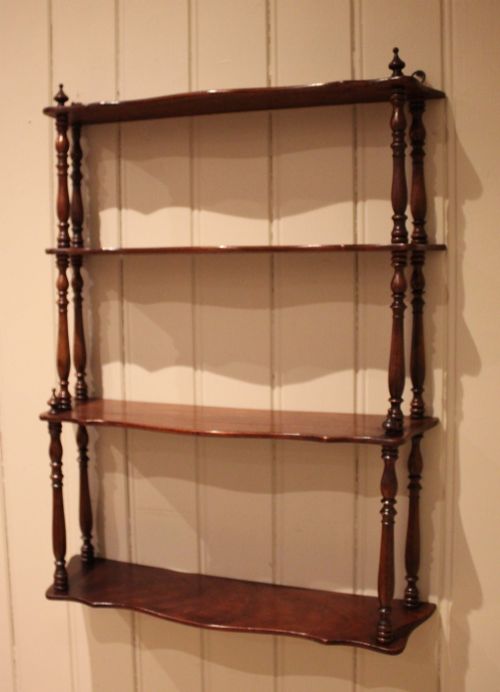
- A multi-tiered set of open hanging or standing shelves used for displaying ornaments and books. They appeared in various timber forms throughout the Regency and Victorian eras.
- Pipe rack
- A wall-mounted rack fitted with notches and holes specifically designed to hold smoking pipes. They often incorporated small shelves or cupboards for tobacco storage.
- Dovetail
- A wood joint formed by interlocking wedge-shaped fingers, commonly found at the corners of drawers and shelving frames. Hand-cut dovetails indicate cabinetwork executed before mass production.
Antique Hanging Rack: Frequently Asked Questions
How do I hang an antique rack safely?
Most antique hanging racks rely on original screw holes, rear brackets or wooden mounting battens secured directly to wall studs. Modern wall anchors matched to the weight of the timber ensure the piece remains secure.
Checking the stability of the back frame and joints before loading the shelves with heavy books or ceramics prevents structural failure.
What rooms suit an antique hanging rack?
Kitchens suit oak plate racks and utility shelves, while hallways accommodate coat hooks, hat racks and letter holders. Bookcases and display shelves fit studies and living rooms.
Selecting a room based on the original function of the rack maintains a practical balance between historic utility and modern interior space.
How do I clean timber wall racks?
Dusting with a dry, soft cloth removes daily accumulation without disturbing the historic surface. Avoid modern silicone sprays or harsh chemical polishes that degrade aged timber.
Applying occasional specialist wax preserves the dry, patinated finish found on eighteenth and nineteenth-century pine, oak and mahogany.
How do I date a hanging rack?
Dating relies on timber species, construction methods, hardware and stylistic details such as Gothic Revival arches or Arts and Crafts brackets. Georgian pieces often feature oak and dense mahogany, while Victorian versions introduce varied pine and mixed metals.
Nail types, saw marks and the presence of hand-cut joints provide further physical evidence for narrowing down the decade of manufacture.