

Antique Handled Box
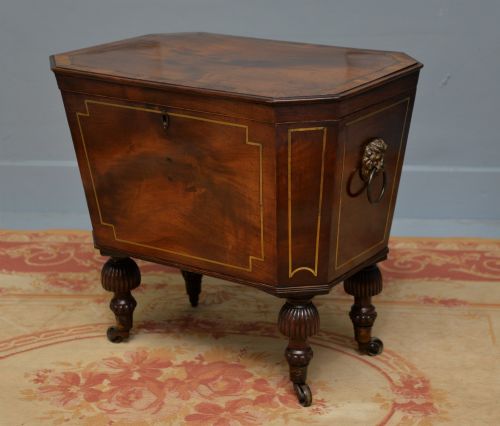
An antique handled box brings utilitarian craftsmanship into daily utility, offering solid timber construction and period metalwork.
Antique Handled Box
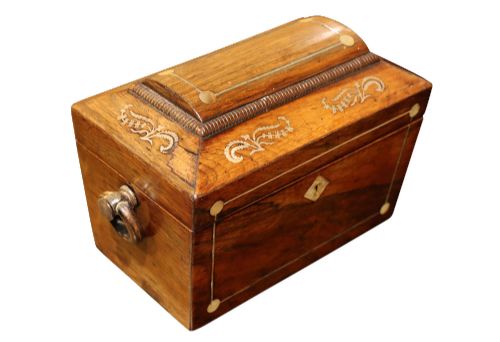
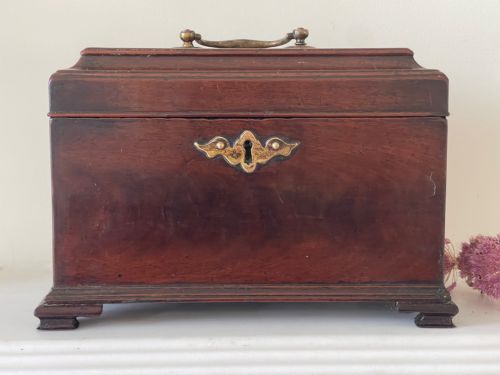
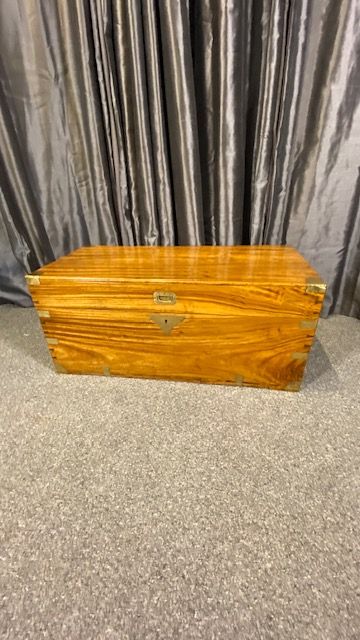
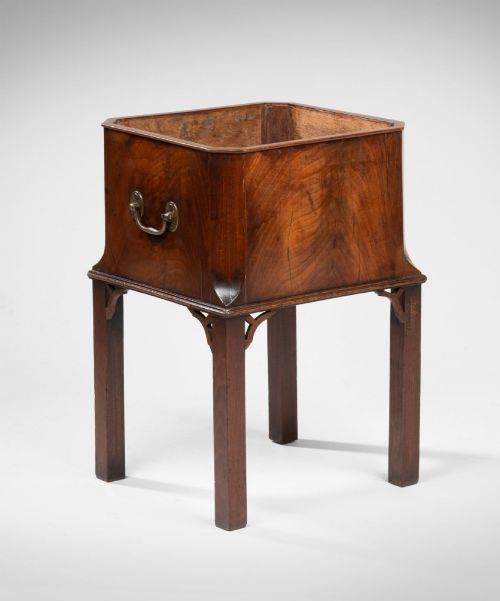
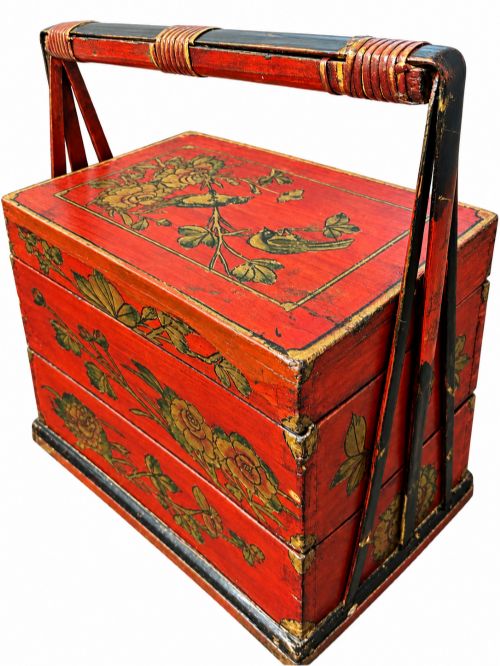
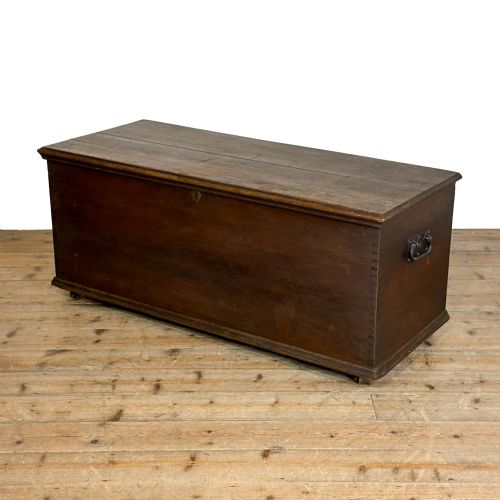
The term antique handled box covers a wide spectrum of functional vessels, ranging from tea caddies and document boxes to heavy blanket chests and campaign trunks. Buyers encounter numerous pieces originating from the 18th and 19th centuries, spanning Georgian, Victorian, and Edwardian periods.
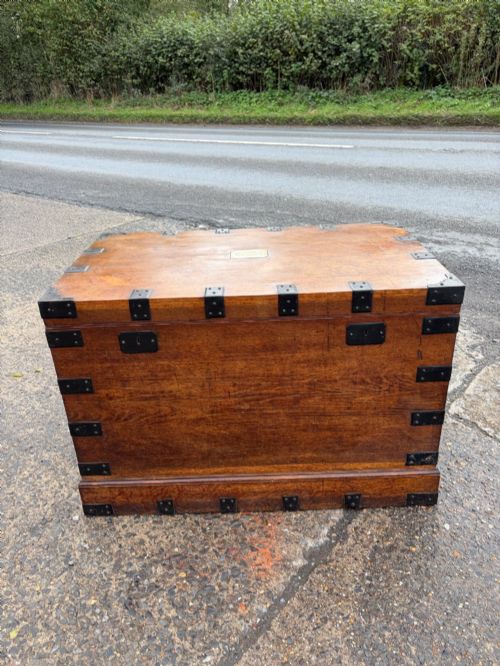
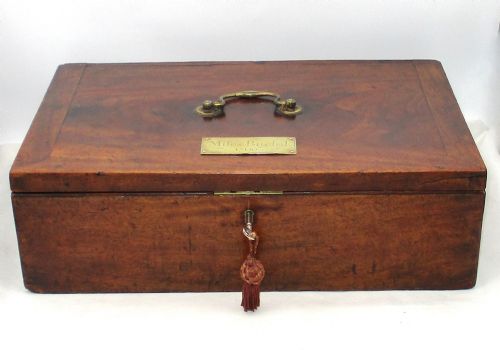
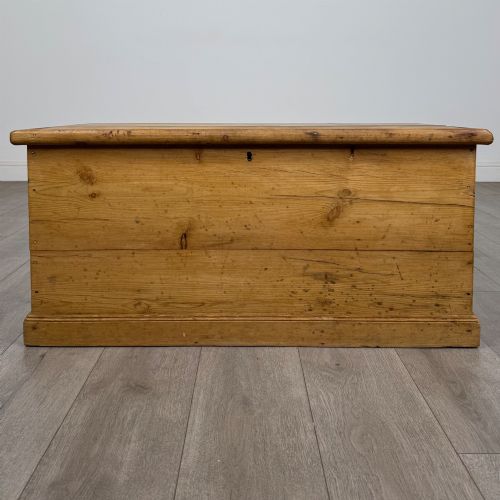
Domestic storage forms dominate the selection, particularly pine blanket boxes, oak mule chests, and mahogany document boxes fitted with robust side carrying handles. These items served practical transport and storage roles in period households, barracks, and maritime settings.
Materials and construction
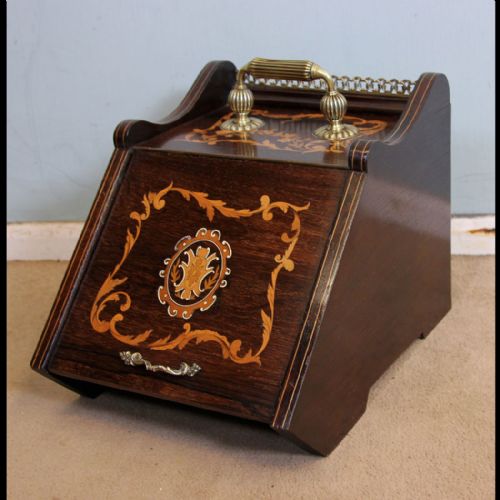
Makers utilised dense native and imported timbers, notably mahogany, oak, pine, walnut, and camphorwood, joined with traditional dovetail or pegged construction to withstand heavy daily use. Surfaces often retained a waxed finish or simple chip carving, highlighting the natural grain of the wood.
Functional metal fittings defined the category, incorporating brass drop handles, iron mounts, and copper accents that provided both structural reinforcement and portability. Velvet linings and leather studding occasionally appeared on refined interior compartments and maritime transport cases.
Antique Handled Box Retail Price Guide 2026
Typical asking prices for handled box among the pieces listed under this phrase on Sellingantiques today, from the lower quarter to the upper quarter. They describe what is for sale here now, not the wider market.
Foot warmers included perforated wooden boxes that held hot coals to keep churchgoers comfortable during long winter services.
Quality and proportion
Proportion and structural survival dictate value, separating standard utilitarian pine storage boxes from sophisticated Georgian cellarettes or campaign correspondence cases. Pieces retaining functional internal trays, secret drawers, and uncompromised joints demonstrate superior workshop origin.
The Antique Handled Box Glossary
- Mule chest
- A storage chest featuring one or more drawers beneath the main lift-up compartment, commonly constructed from oak or pine during the 18th century.
- Campaign chest
- A modular timber trunk divided into sections with recessed brass handles, designed for easy dismantling and transport by military officers on active service.
- Tea caddy
- A small lidded container built to store loose tea leaves securely, often featuring internal compartments and decorative wood veneers such as yew or mahogany.
- Cellarette
- A lockable container or cabinet designed to hold wine bottles safely, frequently fitted with internal dividers and heavy carrying handles.
- Foot warmer
- A small perforated box utilised with hot coals during cold periods, sometimes rendered in chip-carved oak for domestic or church use.
Antique Handled Box: Frequently Asked Questions
What were handled boxes used for?
These vessels served diverse storage and transport functions in domestic, military, and maritime settings. Items ranged from securing valuable tea and documents to holding blankets and spirits.
Built for portability, the integrated side handles allowed servants or travellers to move heavy contents between rooms or across long distances easily.
How do I identify a Georgian box?
Georgian pieces typically display dense native timbers like mahogany or oak, combined with subtle proportion and hand-cut dovetail joints. Look for interior fittings such as secret drawers and compartments.
Hardware on these items generally consists of cast brass drop handles and escutcheons rather than stamped iron or later plated metals.
Are campaign boxes waterproof?
Campaign boxes utilised dense woods like camphorwood or mahogany to resist tropical humidity and insect damage during transport. However, they were designed for portability rather than complete submersion.
Brass corner brackets and recessed handles protected the vulnerable edges of the trunk during rough transit across rough terrain.
How should I clean pine boxes?
Maintain waxed pine surfaces by applying a traditional beeswax polish sparingly with a soft cloth. Avoid modern chemical sprays that can strip historic finishes.
Keep the timber away from direct heat sources and sudden temperature shifts to prevent splitting in the pine boards.