
Antique Hand Carved Stand
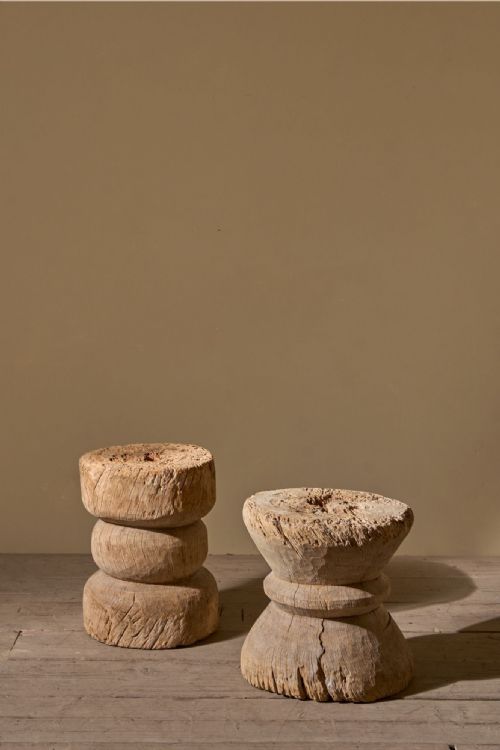
An antique hand carved stand offers sturdy utility and intricate artistry, spanning regional workshops from Anglo-Indian tables to Black Forest animal carvings.
Antique Hand Carved Stand
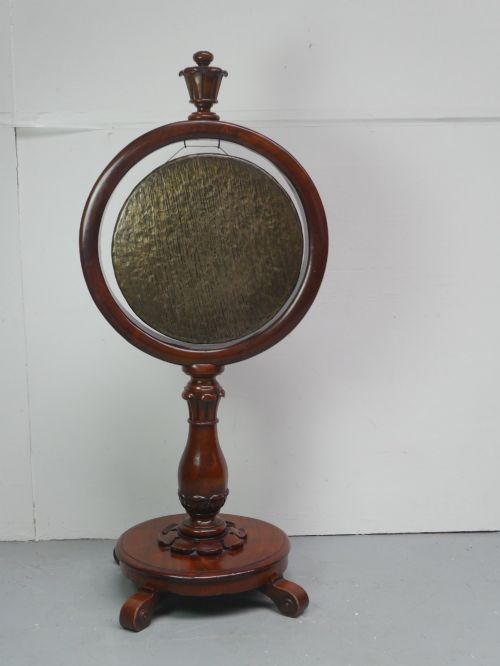
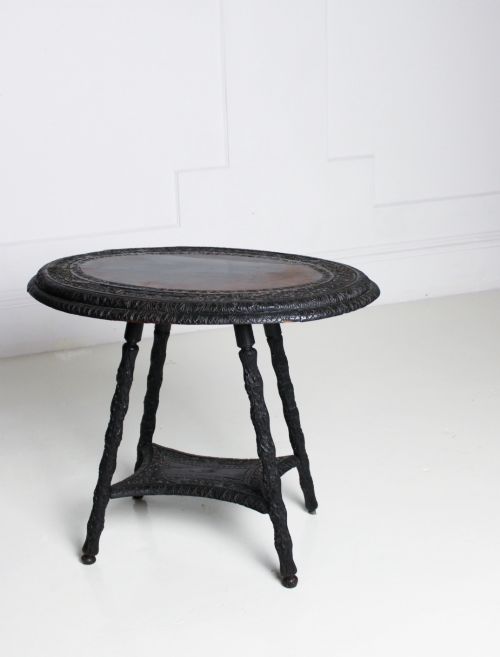
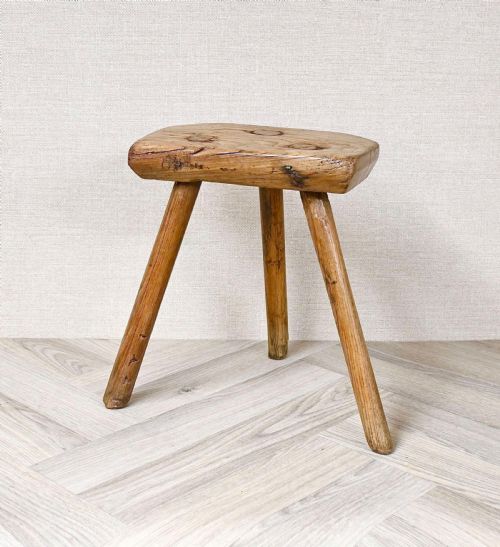
When you search for an antique hand carved stand, you find a diverse range of objects designed to hold lamps, bowls, books, or plants, alongside specialised furniture like side tables and occasional tables. These items originate from the eighteenth, nineteenth, and early twentieth centuries, reflecting distinct periods of domestic craft and international trade.
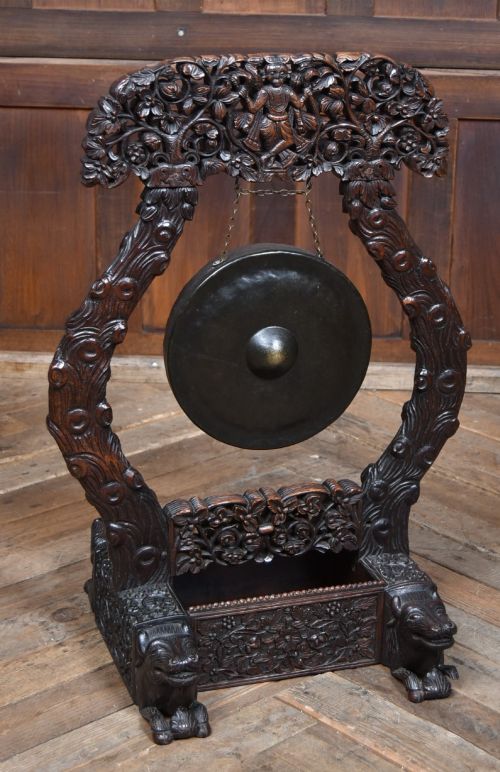
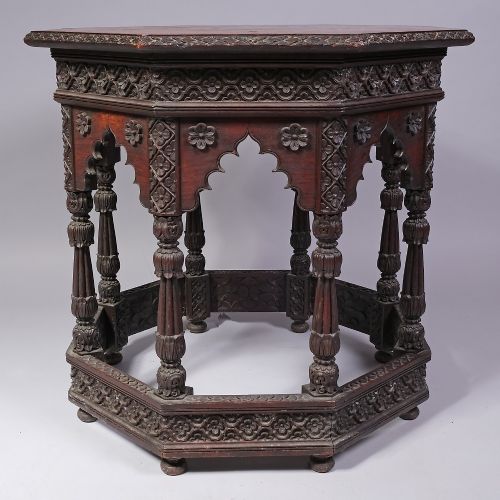
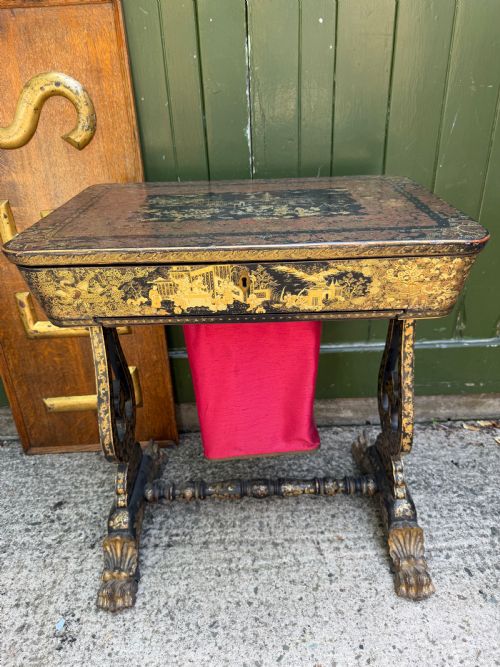
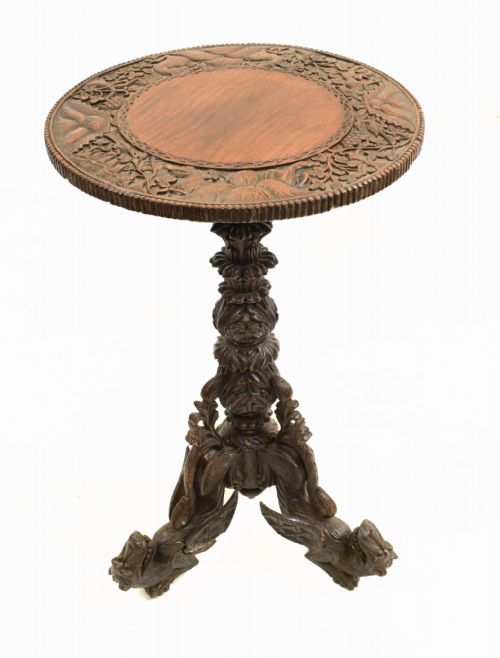
You are most likely to meet pieces linked to specific regional traditions, such as Anglo-Indian elephant tables made of teak and hardwood, or Black Forest carved items featuring bears and owls. The selection includes Chinese export furniture and occasional tables produced during the Victorian era up to the 1930s.
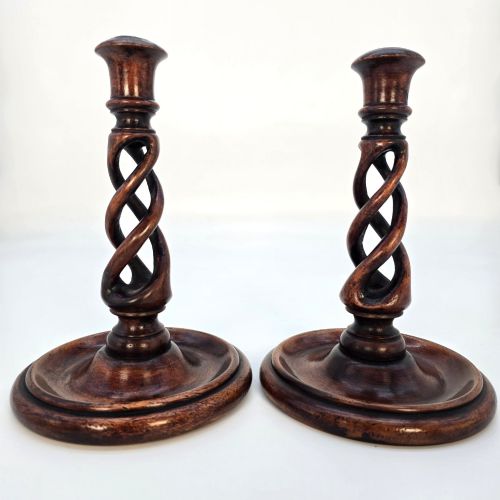
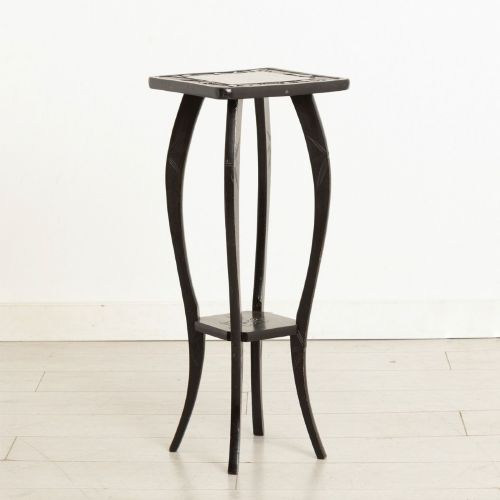
The category extends beyond simple tables to include candlesticks, bookends, inkstands, and plant stands, demonstrating the broad scope of hand-carved wooden objects historically used in homes. Each form serves a practical domestic function while displaying the decorative skills of period makers.
How they were made
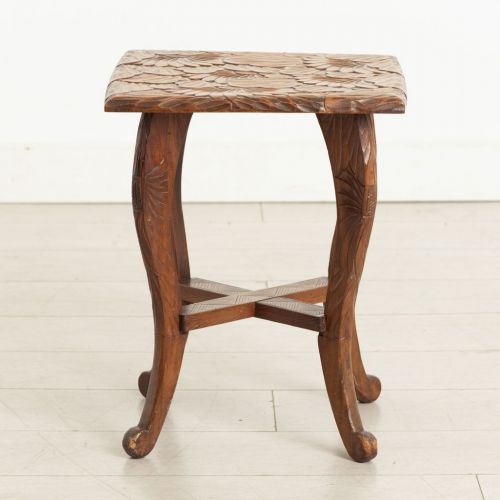
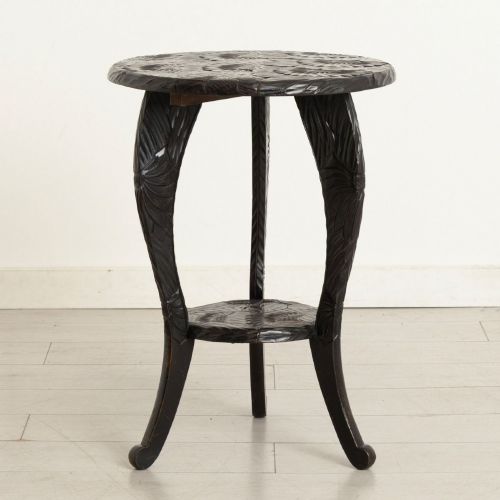
The pieces on this page are constructed from various woods recorded in the listings, including teak, oak, fruitwood, limewood, and general hardwood. Artisans shaped these materials using traditional hand-carving techniques, often combining solid timber construction with applied brass, copper, marble, or bone details.
Surface treatments range from natural polished wood and intricate open twist turnings to black lacquer with gilded decoration. Makers employed specialist joinery and carving tools to execute detailed motifs like foliage, animals, and regional figures across items dating from the eighteenth century to the 1930s.
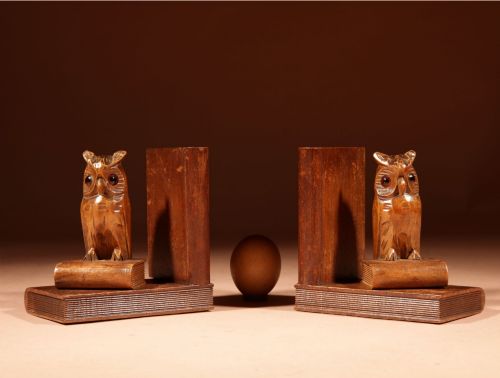
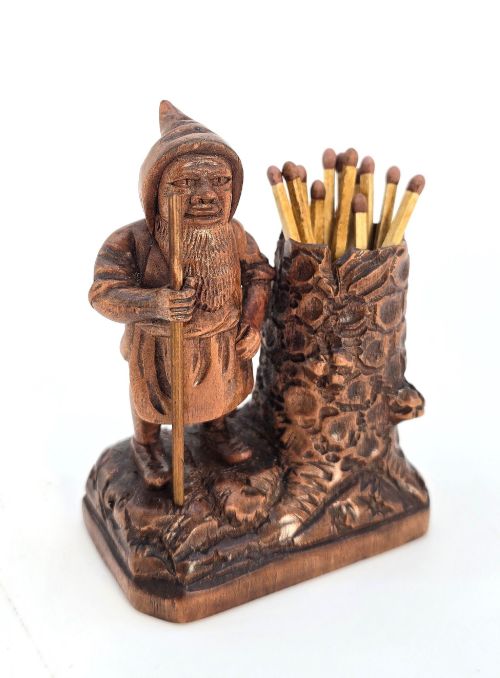
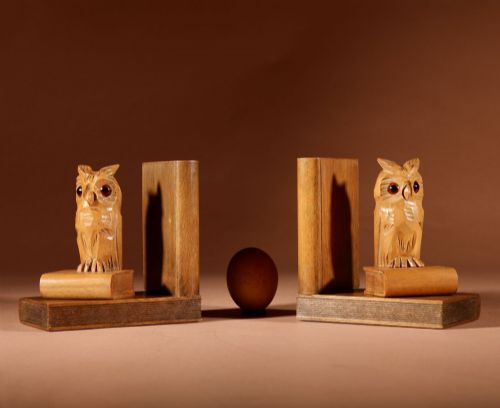
An amusing pair of carved wooden owls stares out from the inventory, keeping watch beside antique inkstands and match holders.
What varies in quality
The integrity of the construction and the preservation of original surface finishes, such as lacquer, polish, or patinated brass and copper elements, determine the standing of an item. Pieces retaining their structural stability and original decorative components demonstrate the higher tier of period craftsmanship.
Liberty of London·F.H.Ayres
The Antique Hand Carved Stand Glossary
- Anglo-Indian
- A style of furniture produced in India during the British colonial period, typically featuring dense carved hardwoods and elephant or floral motifs.
- Black Forest
- A style of wood carving originating from the European region of that name, famous for realistic depictions of bears, owls, and forest animals.
- Chinese Export
- Goods manufactured in China specifically for Western markets, often utilising lacquer and gilded decoration on tables and cabinets.
- Occasional table
- A small, movable table designed for specific, intermittent uses within a room, such as holding lamps or decorative objects.
- Bobbin turned
- A method of woodturning where the lathe creates a series of rounded, spool-like shapes along the length of a leg or support.
Antique Hand Carved Stand: Frequently Asked Questions
What is an antique hand carved stand?
An antique hand carved stand is a piece of furniture or a decorative object shaped from wood by hand during the eighteenth, nineteenth, or early twentieth centuries. These items include occasional tables, plant stands, and inkstands.
They reflect diverse regional styles, ranging from Anglo-Indian teak tables to European Black Forest animal carvings.
How do I identify an Anglo-Indian table?
Anglo-Indian tables are typically characterised by dense tropical hardwoods such as teak and octagonal or rectangular tops. They frequently incorporate carved elephant motifs and intricate pierced foliage designs.
These pieces date predominantly from the nineteenth century and reflect British colonial trade influence.
What woods were used for these stands?
Carvers utilised a variety of timbers depending on the region and the period of manufacture. Common materials include teak, oak, fruitwood, limewood, and general hardwood.
Some items also integrate secondary materials like brass, copper, marble, or bone to enhance the design.
How should I care for a carved wooden stand?
Care for antique carved wood involves maintaining stable indoor humidity and avoiding direct sunlight to protect the finish and timber. Dusting gently with a dry, soft cloth helps preserve fine carved details.
Avoid using harsh chemical polishes that can degrade nineteenth-century lacquer or wax surfaces.