

Antique Hammered Silver
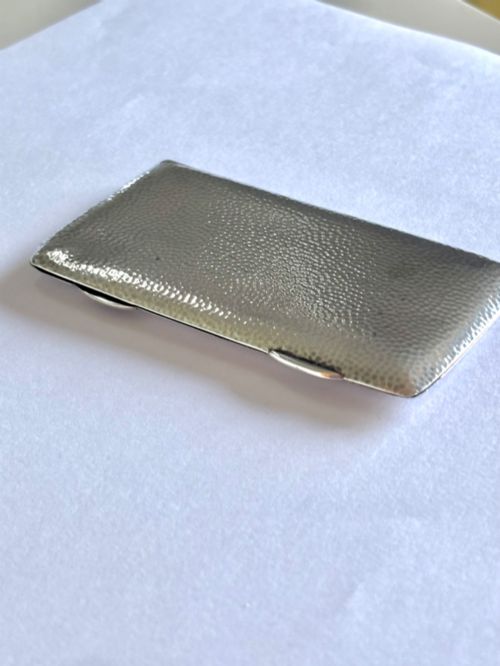
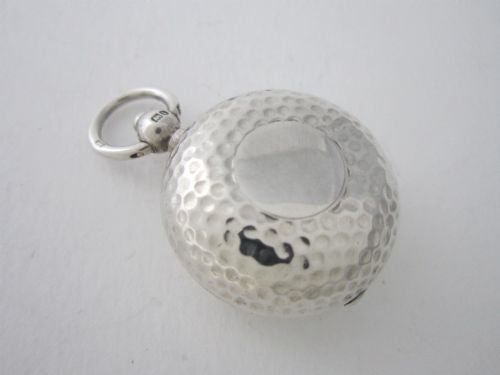
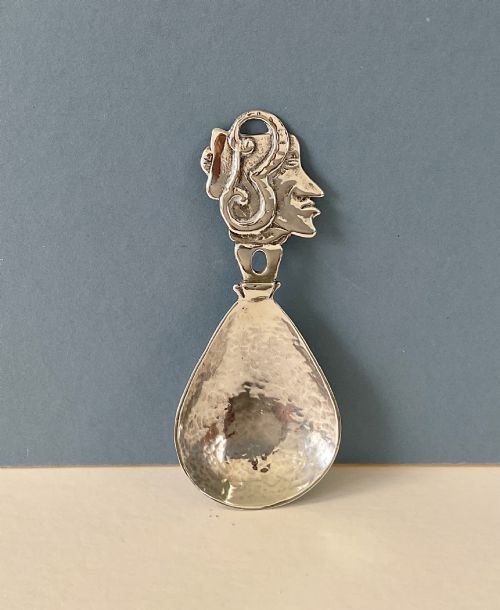
Antique hammered silver encompasses hand-wrought vessels and decorative items defined by visible tool marks, prized for their tactile honesty.
Antique Hammered Silver
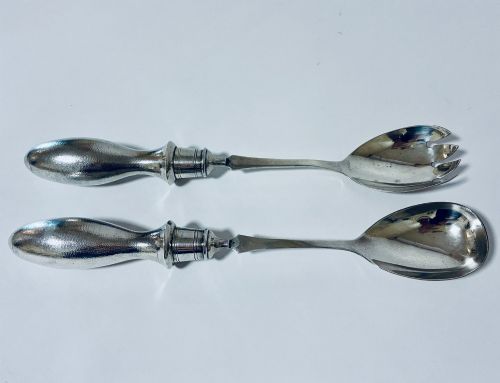
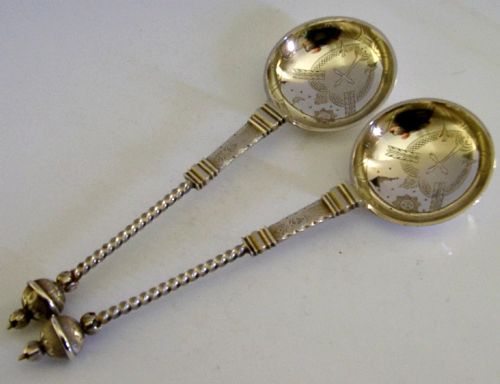
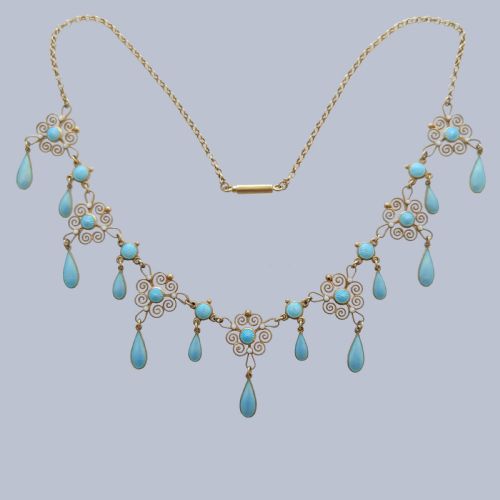
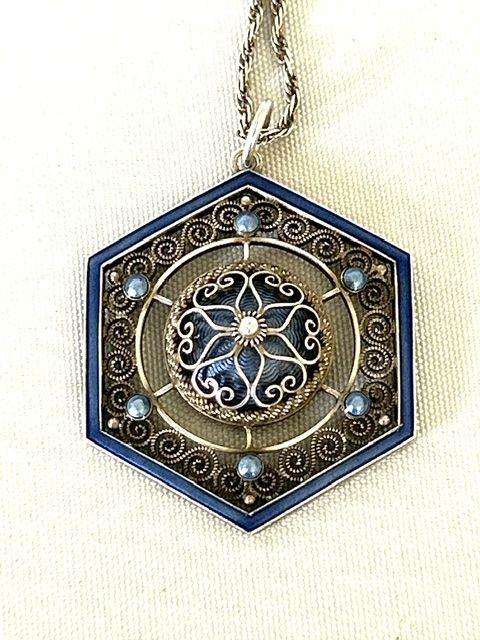
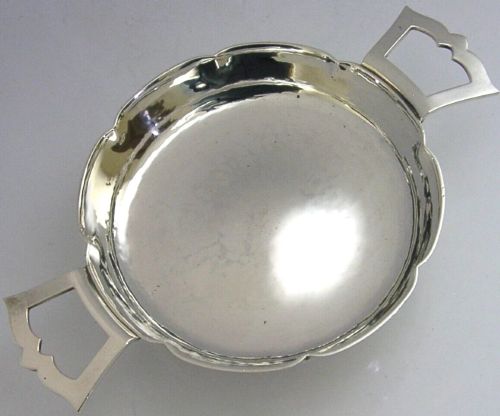
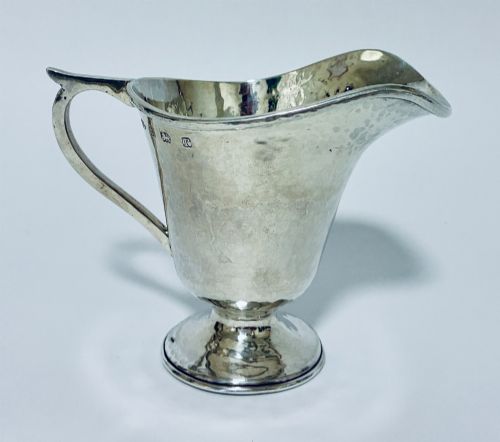
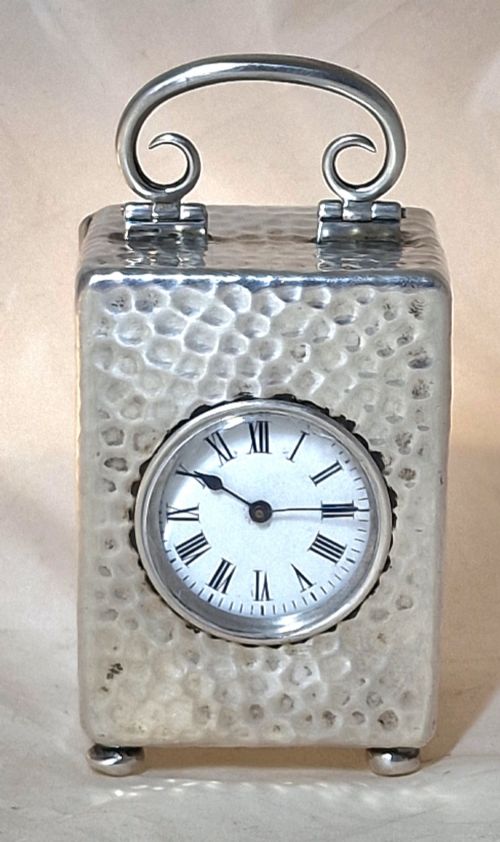
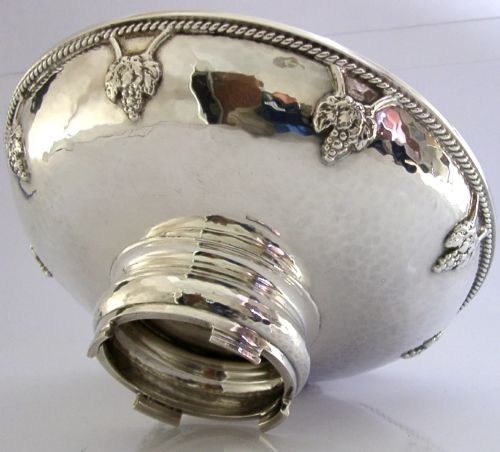
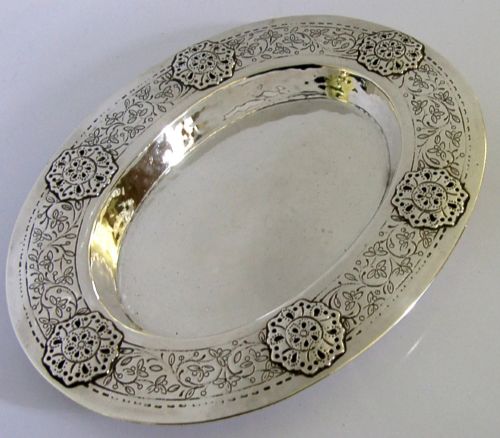
When you search for antique hammered silver, you encounter items shaped by hand during the Arts and Crafts movement, Edwardian era, and Art Deco period. The selection on this page centres on domestic objects and personal accessories, including bowls, cream jugs, photo frames, and pendants.
Makers working within these styles drew on traditional metalworking methods to produce pieces that display a distinct hand-beaten or planished surface texture. Alongside sterling silver, you find related items executed in pewter, copper, and enamel.
The most typical pieces originate from British workshops active in the late nineteenth and early twentieth centuries, though American and European examples also appear.
Materials and Techniques
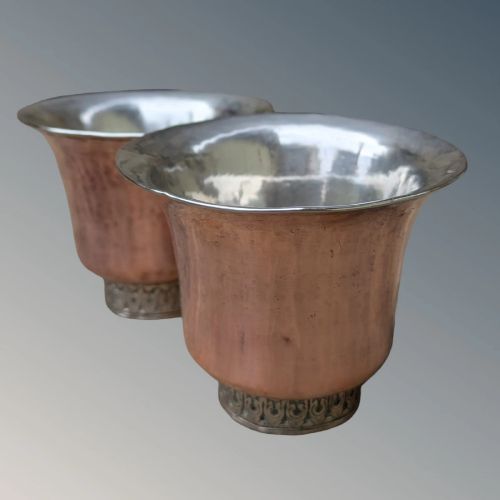
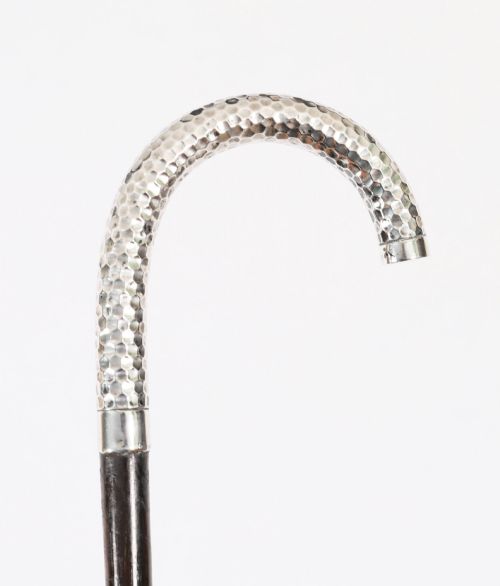
Silversmiths formed these objects by beating flat sheets of sterling silver or copper over stakes using specialised hammers, leaving intentional faceted marks known as planishing. This labour-intensive process requires precise control to maintain an even wall thickness while shaping hollowware, bowls, and chalices.
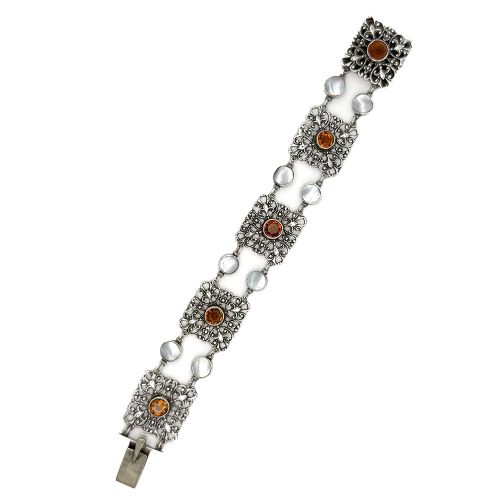
Makers often enhanced silver surfaces with applied enamel, citrine, moonstone, or blister pearls, integrating stones into pendants, buckles, and photo frames. Pewter and silver-gilt versions utilised similar hand-beating and casting methods, frequently incorporating riveted construction.
Antique Hammered Silver Retail Price Guide 2026
Typical asking prices for hammered silver among the pieces listed under this phrase on Sellingantiques today, from the lower quarter to the upper quarter. They describe what is for sale here now, not the wider market.
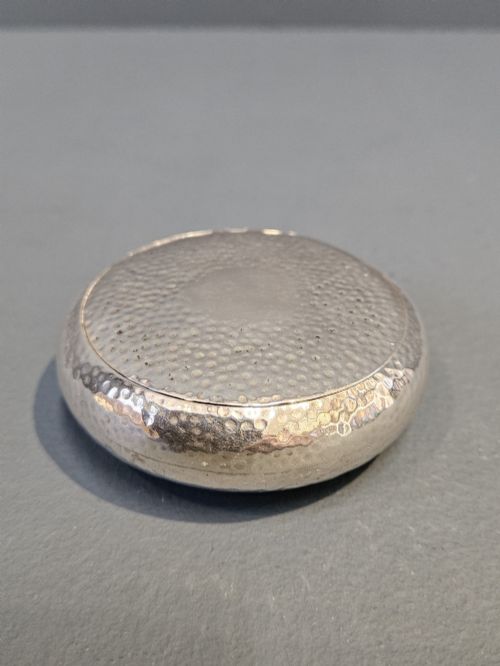
Someone once hammered a silver tobacco pebble to fit a pocket just so.
Evaluating the Workmanship
Quality in antique hammered silver rests on the rhythm and consistency of the hammer blows across the surface, which reveal the hand of the individual silversmith. A well-executed piece displays harmonious proportions and confident handling of the metal rather than mechanical uniformity.
The integration of decorative elements, such as enamel panels or set gemstones, distinguishes standard production from finer workshop output. Maker marks and clear hallmarks further anchor the standard of execution.
Lambert and Co·Sampson Morden·Amy Sandheim·R E Stone·Marius Hammer·Albert Edward Jones·Goldsmiths and Silversmiths Company·Liberty and Co·William Hutton and Sons·Oliver Baker·Nathan and Hayes·Charles Boyton·Mary Thew·Archibald Knox·David Veasey·Murrle Bennett
The Antique Hammered Silver Glossary
- Planishing
- The process of smoothing and shaping metal using a small hammer with a flat or slightly convex face, which leaves characteristic faceted marks on the surface.
- Hollowware
- Tableware and decorative objects with volume, such as bowls, jugs, cups, and caddies, distinct from flatware like spoons.
- Silver-gilt
- Silver objects that have been coated with a thin layer of gold on the interior or exterior surface.
- Tyg
- A large drinking vessel featuring three or more handles, commonly produced in pottery and replicated in silver during the Arts and Crafts period.
- Vesta case
- A small pocket container designed to hold matches, usually fitted with a striking surface on the base.
Antique Hammered Silver: Frequently Asked Questions
What defines antique hammered silver?
These items display visible facets left by the silversmith's hammer during shaping, distinguishing them from machine-pressed silver.
They emerged largely through the Arts and Crafts movement as a rejection of industrial uniformity.
How do I care for hammered silver?
Clean pieces gently with a soft cloth and mild silver polish to avoid wearing down the raised hammer marks.
Store them away from direct sunlight and damp environments to protect any inset enamel or stones.
What periods do these pieces come from?
The inventory spans the late nineteenth century through the mid-twentieth century, with a strong concentration from the Edwardian era and 1900.
Art Deco and Mid-Century examples also feature alongside earlier Victorian items.
Who made these silver objects?
Independent silversmiths and prominent guilds produced these works, often stamping them with specific workshop initials or retailer marks.
Familiar names include Liberty and Co, Sampson Morden, and Archibald Knox.