
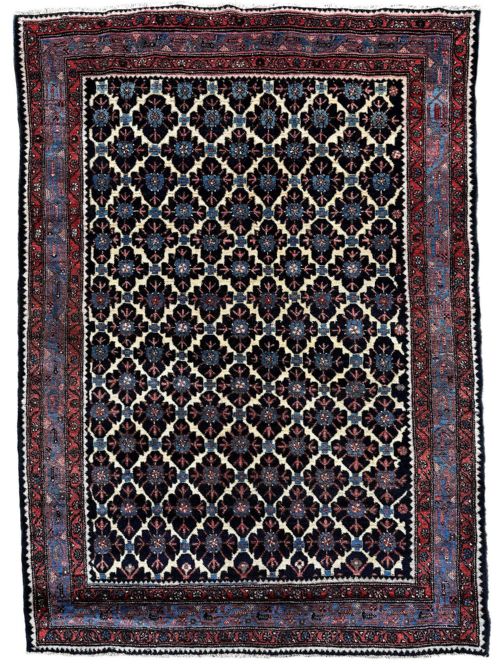
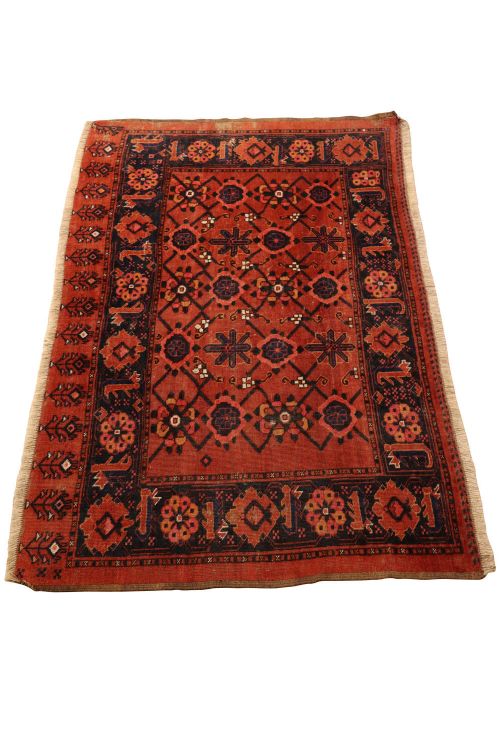


Antique Hamadan Rug
An antique hamadan rug brings durable west Persian village craftsmanship and rich tribal patterns directly into domestic hallways and living spaces.
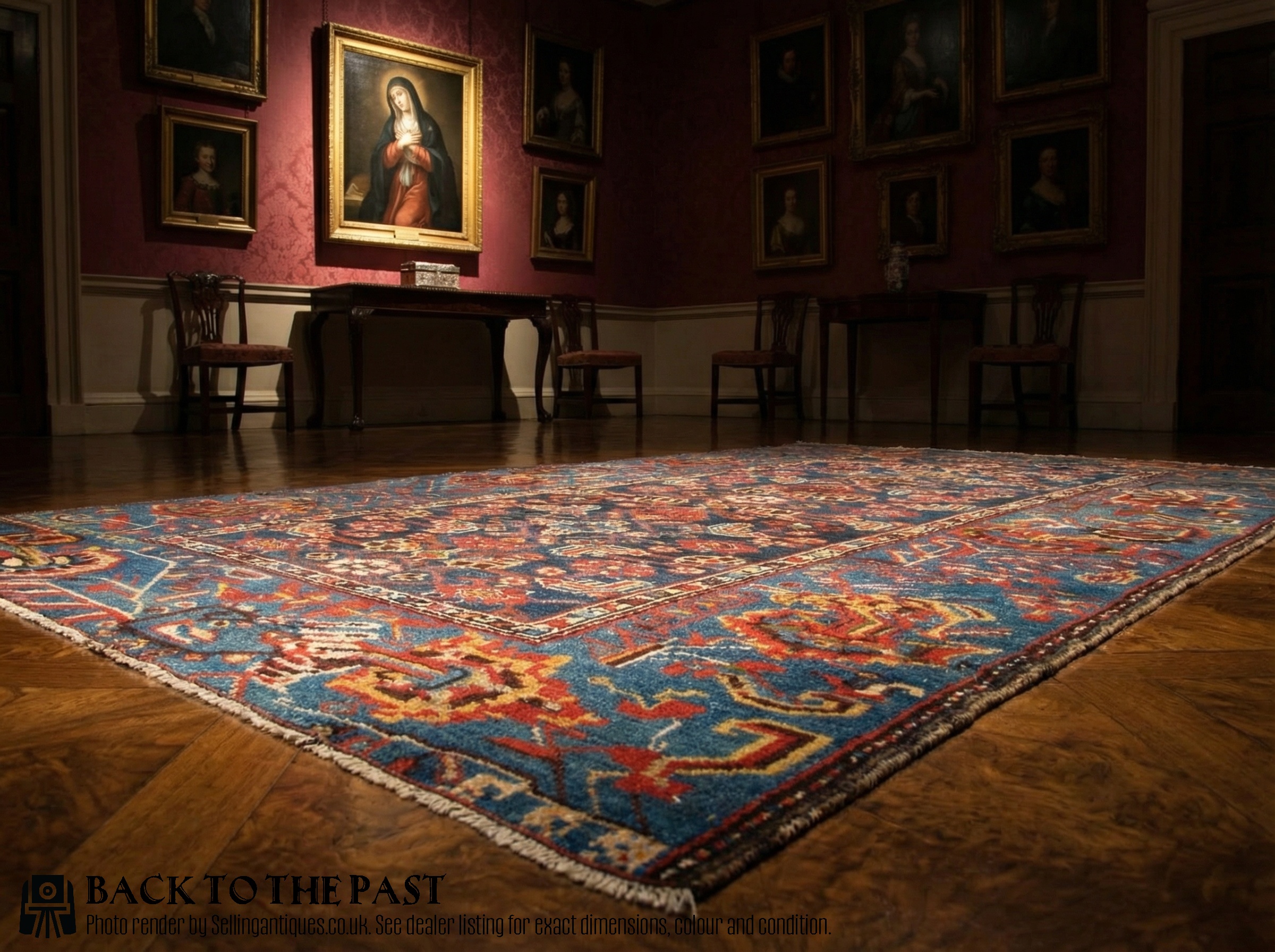
Antique Hamadan Rug
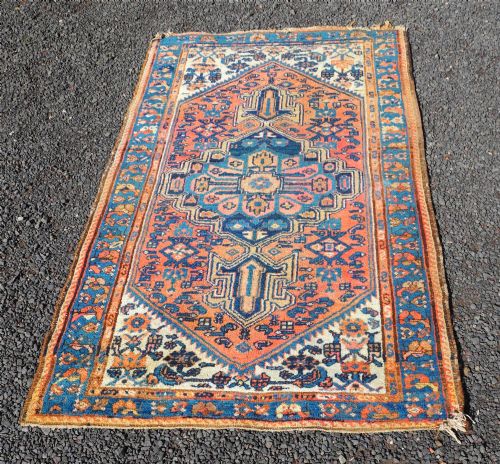
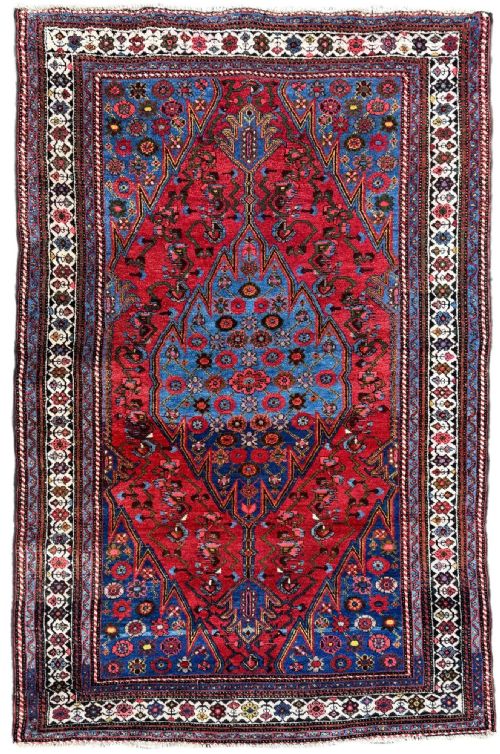
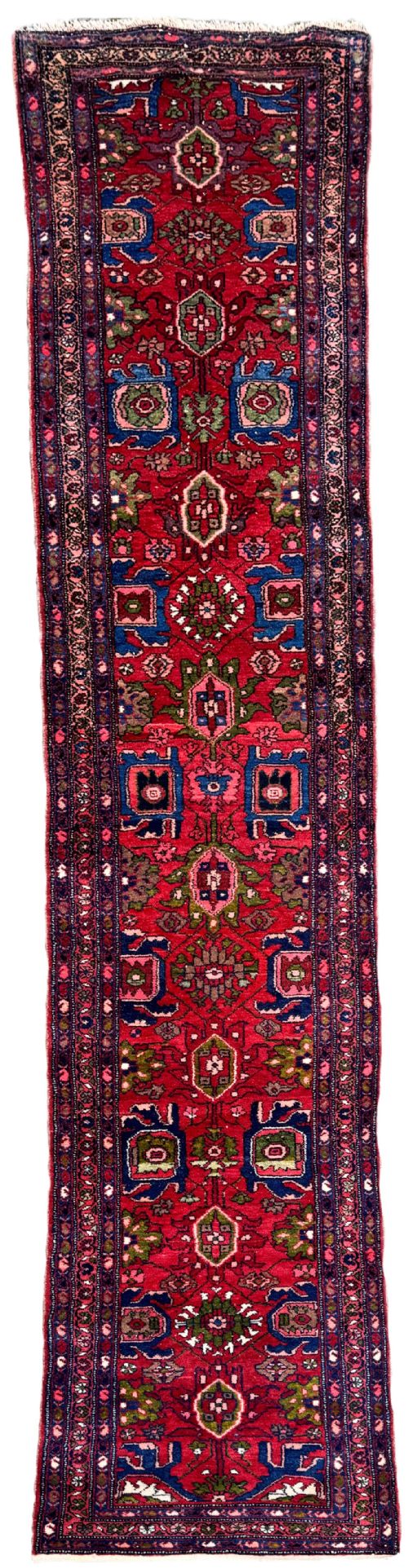
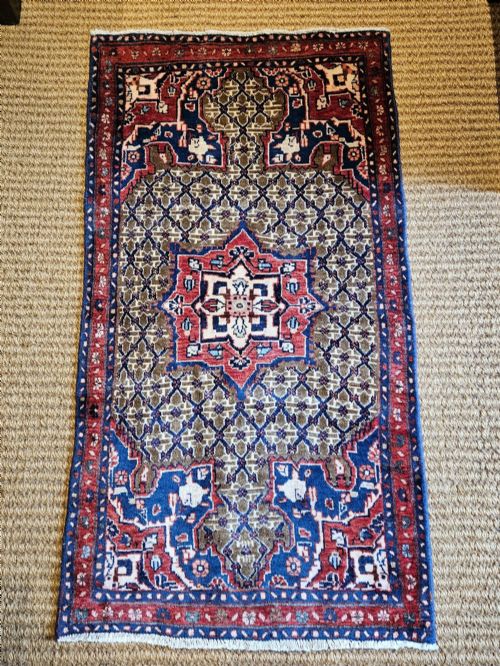
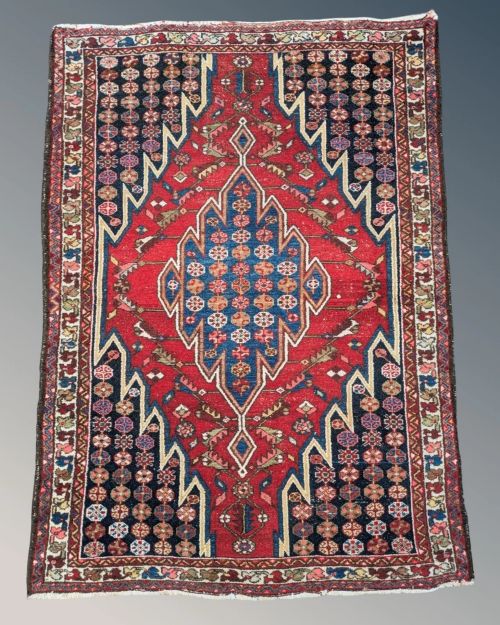
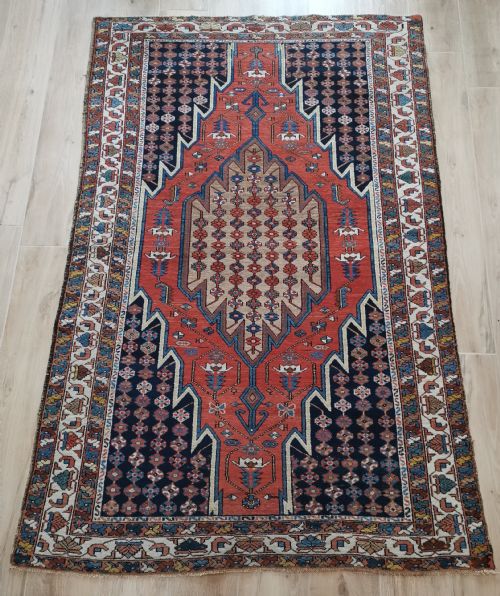
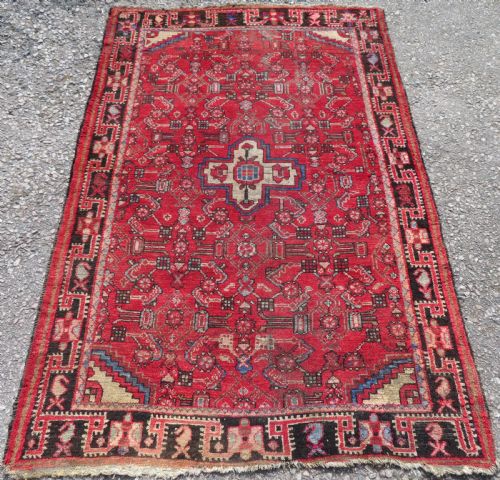
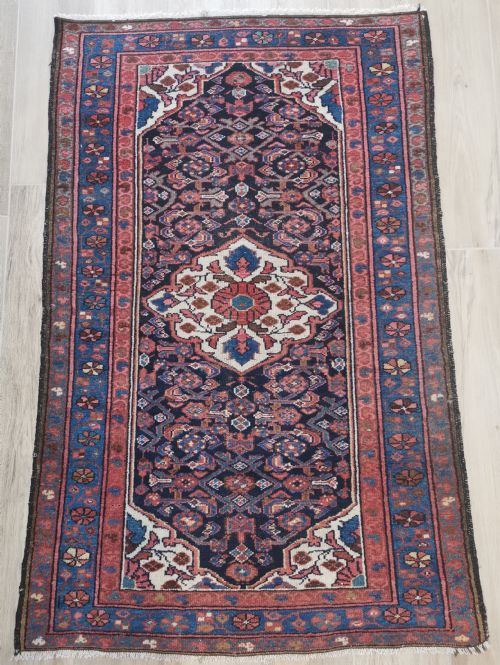
When searching for an antique hamadan rug, a buyer encounters authentic village and tribal weaves originating from west Persia during the late nineteenth and early twentieth centuries. These floor coverings appear in multiple formats, most commonly as rectangular area pieces, hearth-sized mats, and long hallway runners.
The selections span various traditional styles, including Persian tribal designs, Kurdish variations, and specific regional sub-types such as Malayer, Mazlaghan, and Borchalu. Production dates across the available evidence predominantly cluster around the decades from 1890 to 1940, showcasing established village traditions.
Buyers frequently meet standard geometric layouts, floral vase motifs, boteh patterns, and shrub designs woven across diverse sizes. These pieces served practical domestic purposes in Persian village homes before reaching the antique market.
How They Were Made
These floor coverings utilise hand-knotted wool pile secured onto sturdy cotton foundations. Artisans in the hamadan region employed traditional village handweaving techniques passed down through generations.
Natural materials dominate the construction, providing both the thick pile observed in heavier carpets and the resilient structure needed for long runners. Hand-spun wool supplied the soft texture and durability required for everyday use.
Antique Hamadan Rug Retail Price Guide 2026
Typical asking prices for hamadan rug among the pieces listed under this phrase on Sellingantiques today, from the lower quarter to the upper quarter. They describe what is for sale here now, not the wider market.
The listings span construction dates from 1870 to 1940, utilising wool and cotton across various runner and area rug formats.
What Varies in Quality
The standard of a piece depends heavily on the fineness of the knotting and the tightness of the wool weave across the cotton foundation. Denser knots allow intricate motifs and border designs to remain sharp and well-defined.
Proportion and balance in the layout separate standard village output from superior tribal examples. Distinct colour distribution and the complexity of regional patterns further elevate the character of individual pieces.
The Antique Hamadan Rug Glossary
- Hamadan
- A major trading hub in west Persia where hundreds of surrounding villages brought their handwoven rugs to market. Pieces grouped under this name exhibit diverse tribal and geometric motifs.
- Runner
- A long, narrow carpet format designed specifically for hallways, corridors, or narrow spaces. These items appear frequently in multiple lengths across the inventory.
- Boteh
- An almond-shaped or paisley motif representing a floral sprout or cypress tree. This traditional symbol occurs often in Persian village weaving.
- Kelleh
- A large-sized rectangular rug format traditionally utilised as a room-size carpet. These substantial pieces provide extended coverage for larger floors.
- Malayer
- A specific west Persian weaving style associated with the greater hamadan region. Items bearing this classification often display refined floral patterns.
Antique Hamadan Rug: Frequently Asked Questions
Where were these rugs made?
These floor coverings were produced in villages and tribal settlements across the west Persian region centred on the market city of Hamadan.
Weavers utilised locally sourced wool and traditional hand-knotting methods to create durable pieces for everyday domestic use.
How do I use a runner?
Runners are designed specifically for narrow spaces such as hallways, corridors, and entryways where standard rectangular rugs do not fit.
Their elongated format protects high-traffic wooden floors while adding traditional west Persian colour to otherwise plain passageways.
How do I date these pieces?
Dating relies on stylistic markers, construction methods, and materials recorded across pieces from the late nineteenth and early twentieth centuries.
Most surviving examples date from the decades between 1890 and 1940, reflecting traditional village production before modern synthetic materials became common.
Are these rugs durable?
The combination of hand-spun wool pile and sturdy cotton foundations creates a resilient structure suited for active domestic environments.
Thicker pile variations provide extra cushioning and longevity, making them practical for living rooms and hallways.