

Antique Hall Sofa
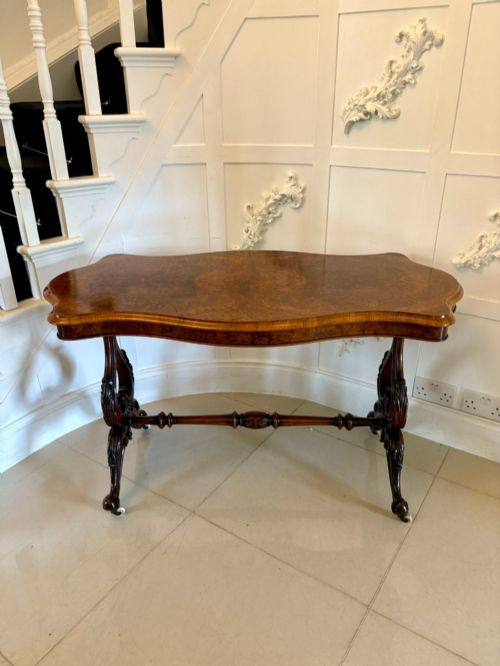
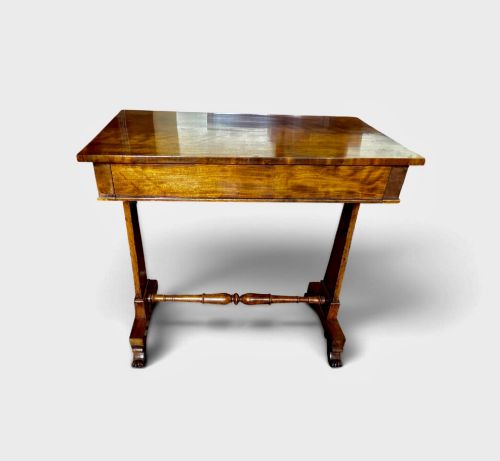
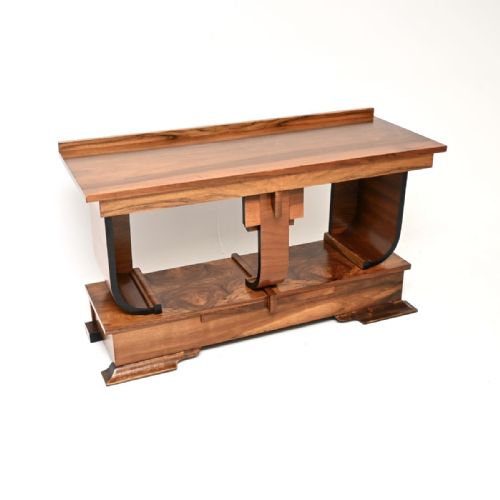
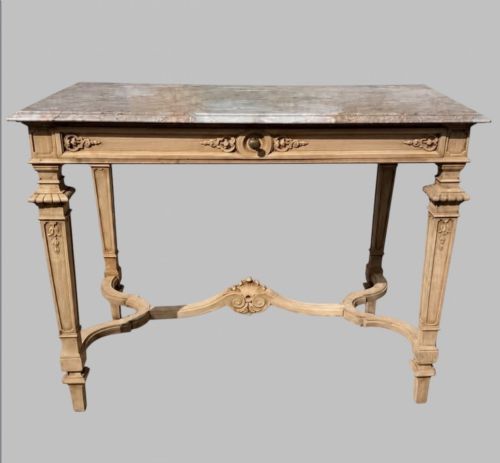
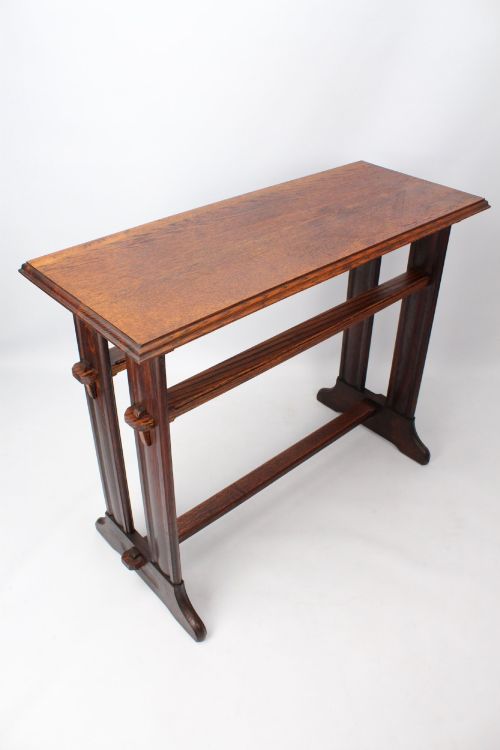
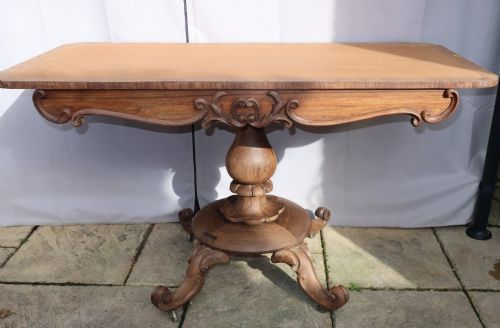
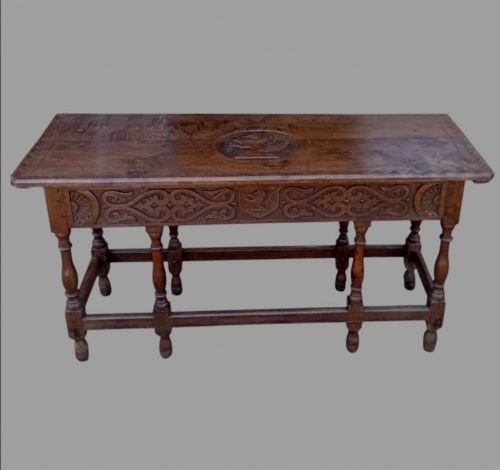
When searching for an antique hall sofa, collectors encounter a versatile mix of console tables, side tables, and bench seats from the Georgian, Regency, and Victorian eras.
Antique Hall Sofa
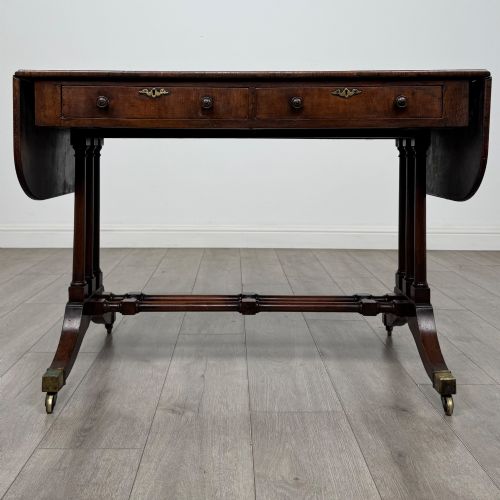
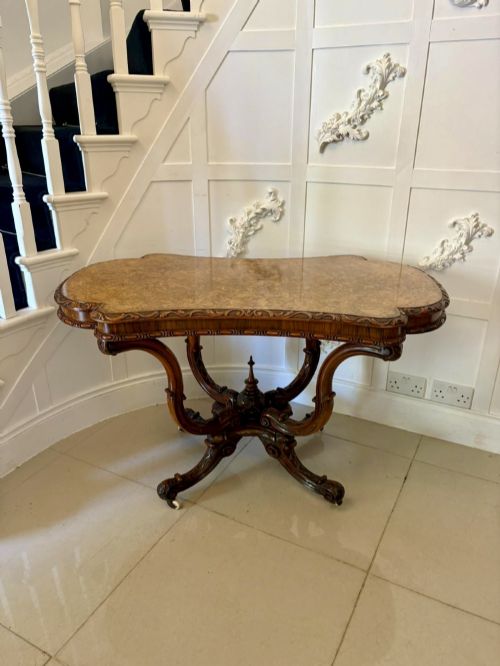
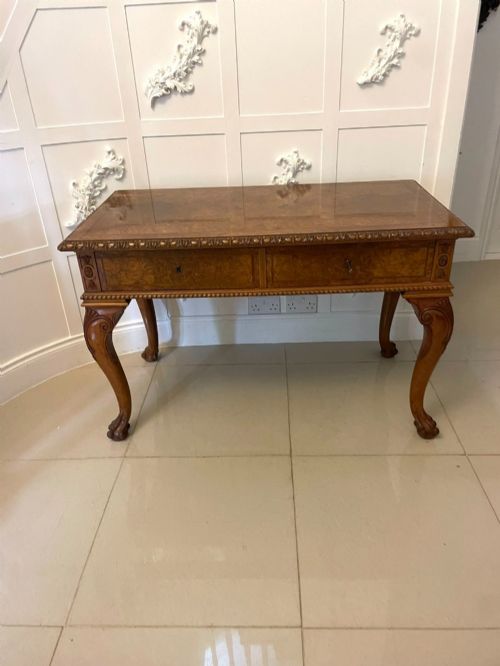
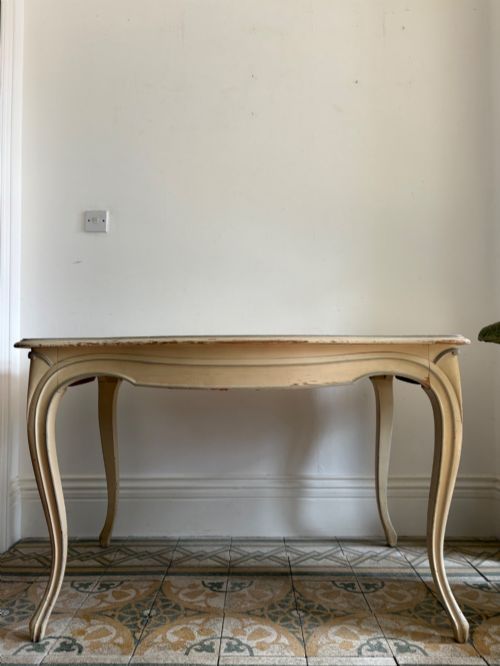
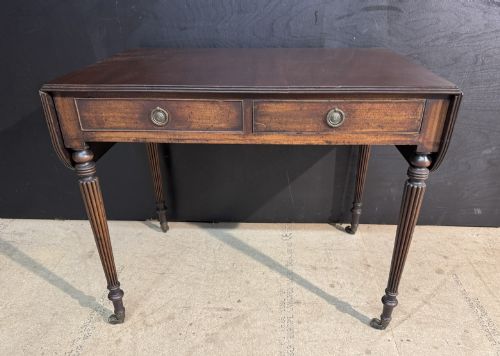
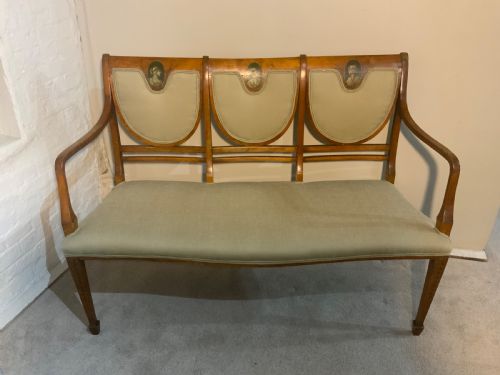
An antique hall sofa search often leads buyers to a combination of narrow console tables, side tables, and occasional seating designed to furnish entrance spaces and reception rooms. The selection includes everything from Georgian mahogany drop-leaf sofa tables to Edwardian painted console tables and Victorian upholstered benches.
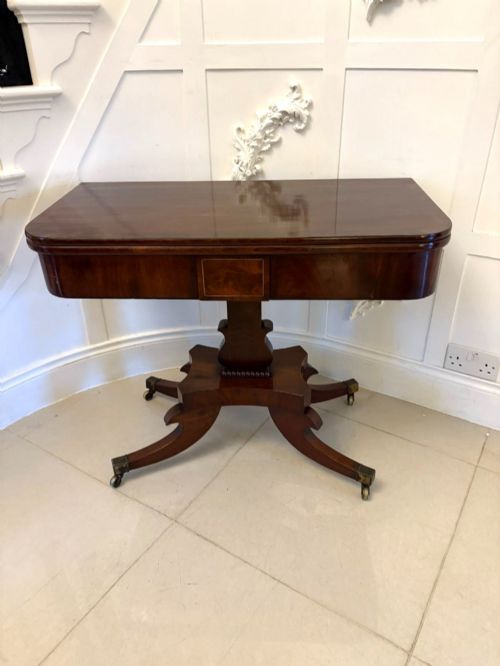
The pieces appearing most frequently span the nineteenth and early twentieth centuries, reflecting changing domestic requirements for transitional furniture. While some items function strictly as flat-topped surfaces for lamps and letters, others retain the drop leaves or fold-over mechanisms intended for dining and card games.
How they were made
Cabinetmakers constructed these forms using dense hardwoods such as mahogany, walnut, and rosewood, frequently selecting figured veneers like burr walnut and flame mahogany to ornament the primary surfaces. Secondary timbers like oak and pine provide structural stability within internal framing and drawer construction.
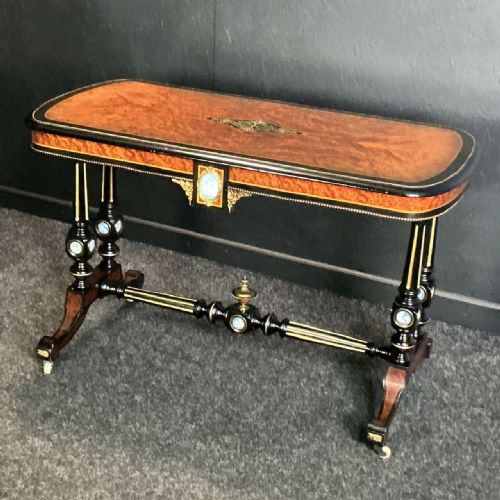
Joinery techniques ranged from traditional dovetailing in drawer boxes to sophisticated turning on legs and stretchers, alongside decorative additions such as brass inlay, marquetry, and carved wooden details.
Some nineteenth-century tables hide clever folding leaves once meant for clandestine midnight card games.
What varies in quality
The standard of execution depends heavily on the choice of timber figure and the precision of the cabinetmaker's hand. Superior examples display carefully matched grain patterns across expansive surfaces, crisp carving, and robust structural integrity without recourse to excessive modern repairs.
Subtleties in proportion and the integration of hardware, such as original brass mounts or castors, distinguish workshop-produced furniture of note from standard utilitarian pieces of the period.
Gillows·Hille
The Antique Hall Sofa Glossary
- Sofa table
- A rectangular occasional table featuring drop leaves on either side, originally designed to stand in front of a sofa. These pieces often incorporate two small drawers and trestle supports.
- Console table
- A wall-mounted or freestanding table designed to stand against a hallway or reception room wall. They frequently feature marble or wooden tops supported by elaborate legs.
- Burr walnut
- A prized wood veneer obtained from the deformed growths or burls of walnut trees. It yields a swirling, highly decorative pattern favoured in elite cabinetmaking.
- Pembroke table
- A small occasional table with hinged flaps on opposite sides that can be raised to extend the surface area. They typically feature a single drawer and slender legs.
- Lowboy
- A small seventeenth or eighteenth-century dressing or side table featuring one or more rows of drawers beneath a flat top. They usually rest on cabriole or straight legs.
Antique Hall Sofa: Frequently Asked Questions
What is an antique hall sofa table?
An antique hall sofa table is a narrow, versatile table typically placed in entranceways or against walls. These pieces often feature drop leaves and small drawers for storage.
They derive from nineteenth-century designs intended to maximise space in formal reception rooms without sacrificing surface utility.
How were these tables used originally?
Originally, these tables served multiple domestic purposes depending on their specific form. Fold-over versions accommodated card games and tea, while fixed-top variants held lighting and decorative objects.
Halls and narrow corridors utilised them for receiving callers and storing everyday accessories.
How do I identify a Regency period piece?
Regency pieces often display classical architectural influences, dark mahogany or rosewood timbers, and distinctive brass inlay. Look for Saber legs and bold geometric forms characteristic of the early nineteenth century.
Proportions tend to be crisp, reflecting a clean aesthetic inspired by ancient Roman and Greek design.
Can I use an antique hall table daily?
These pieces integrate easily into modern hallways as functional drop zones for keys and post, or as decorative anchor points beneath mirrors. Their sturdy hardwood construction suits everyday placement.
Care should be taken to protect polished wooden and marble surfaces from moisture and heavy impacts.