


Antique Reeded Sofa
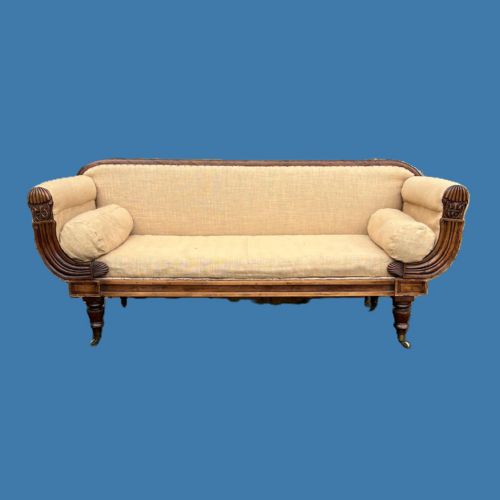
An antique reeded sofa brings classical proportion and linear carving to a room, offering enduring seating crafted in mahogany, simulated rosewood and walnut.
Antique Reeded Sofa
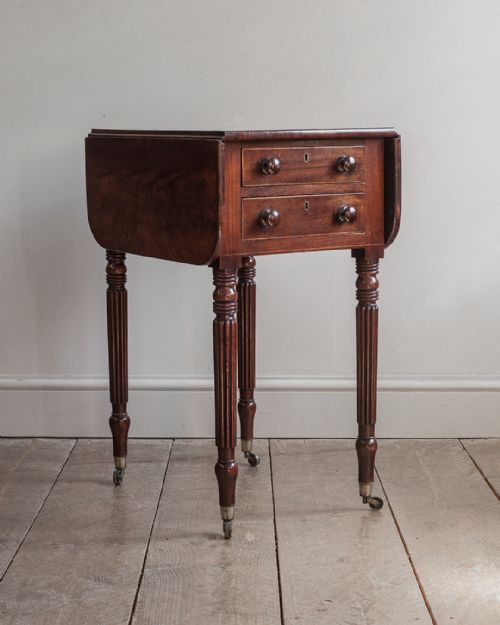
When searching for an antique reeded sofa, you are looking at seating forms shaped by Regency, George IV, and Victorian periods. These pieces often feature the distinctive parallel carved lines known as reeding along the frame or legs.
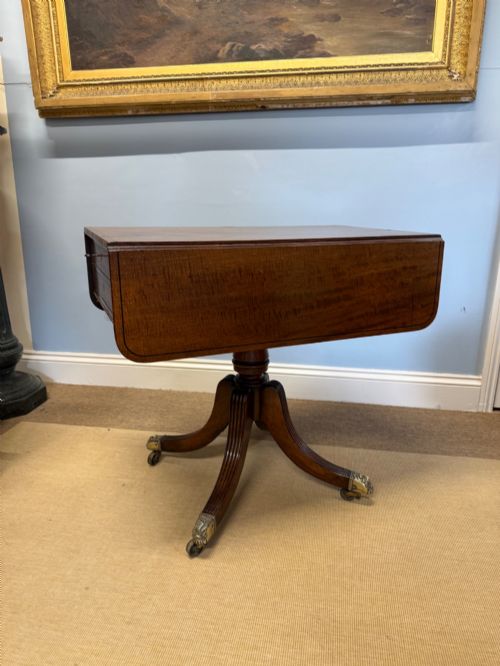
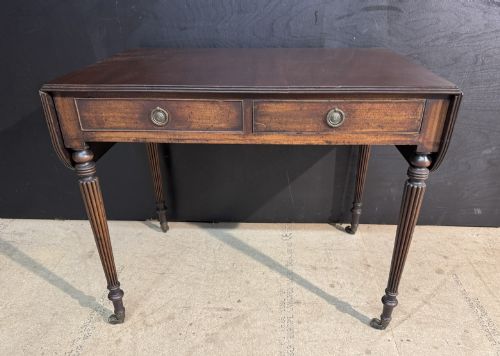
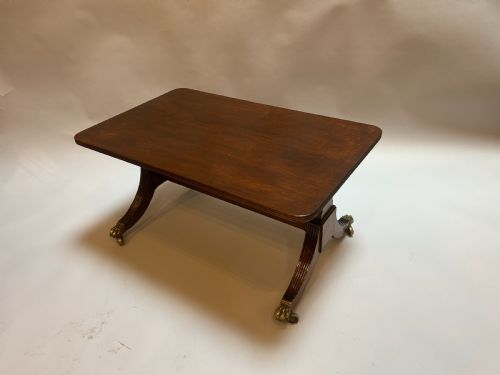
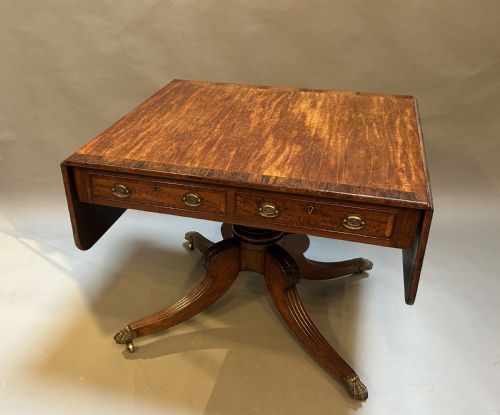
The versions you meet most frequently on this page date from the early nineteenth century onwards, frequently rendered in solid mahogany or simulated rosewood. Alongside proper sofas and day beds, the selection occasionally encompasses related forms such as sofa tables and side tables that share the same design vocabulary.
Origins stretch from country house workshops to major cabinet makers like Gillows, reflecting both formal drawing-room elegance and sturdier vernacular interpretations. Buyers select them to anchor a traditional interior with authentic period timber and textural upholstery like hessian and fabric.
How they were made
Cabinet makers constructed these frames predominantly from dense hardwoods such as mahogany and walnut, frequently turning to simulated rosewood for fashionable grain effects. Timber selection dictated both structural integrity and the crispness achievable when carving linear details directly into the wood.
Reeding was executed by hand using specialised moulding planes to cut convex parallel lines into legs, arm supports, and rails. Brass castors, mounts, and occasionally sabre leg configurations completed the construction, combining durability with mobility.
Listings span from the Georgian era through the Regency and Victorian periods, dominated by mahogany and walnut timbers.
What varies in quality
Quality separates along the precision of the hand-carved reeding and the choice of primary timber, with finely figured mahogany commanding higher regard than plain secondary woods. Crispness in the turning of legs and the integration of brass mounts indicate superior craftsmanship.
Originality of the timber surface, minimal structural alteration, and the retention of period components like brass castors distinguish finer examples from later revivals or heavily restored pieces.
Gillows of Lancaster and London·William Trotter
The Antique Reeded Sofa Glossary
- Reeding
- A decorative moulding consisting of parallel convex strips placed side by side, resembling inverted fluting. This detail frequently ornaments the legs and frames of Regency seating.
- Simulated rosewood
- A painted or stained surface treatment applied to a lesser timber to imitate the rich, dark grain of genuine rosewood. Cabinet makers utilised this technique during the Regency period for fashionable furniture.
- Sabre leg
- A concave-tapering furniture leg that curves outward in the manner of a cavalry sword, characteristic of Regency design. It appears on seating and tables alike.
- Pembroke table
- A small table with hinged drop leaves on either side, often fitted with a drawer. Many examples double as work tables or writing surfaces.
- Cross-banding
- A border of veneer laid with the grain running perpendicular to the main surface. This technique frames table tops and cabinet fronts on finer period pieces.
Antique Reeded Sofa: Frequently Asked Questions
How do I identify a Regency period sofa?
Look for classical architectural lines, reeded details, and signature elements such as sabre legs or scrolled arm supports executed in mahogany or simulated rosewood.
Construction methods, timber figures, and period brass castors further help separate genuine early nineteenth-century pieces from later revivals.
Were these sofas used in bedrooms?
While most principal seating sat in formal drawing rooms, libraries, or country house reception spaces, smaller day beds and couch forms served private quarters.
Their proportions allowed them to function as resting places during the day within well-appointed chambers.
How should I care for antique timber?
Keep wooden frames away from direct heat sources and sudden humidity changes to prevent timber splitting or veneer lifting. Regular dusting with a dry, soft cloth maintains the polished finish.
Avoid commercial silicone sprays and consult a specialist restorer for deep cleaning or structural maintenance.
What is the difference between Regency and George IV pieces?
Regency design strictly follows the classical revival influenced by Thomas Hope, featuring restrained lines, brass inlay, and Grecian motifs. George IV furniture often builds on these themes with heavier proportions and bolder carving.
Both periods overlap considerably in the marketplace, sharing timber choices and decorative reeding.