

Antique Hall Sideboard
An antique hall sideboard provides a practical surface and deep storage for narrow entrance spaces using traditional timber construction.

Antique Hall Sideboard
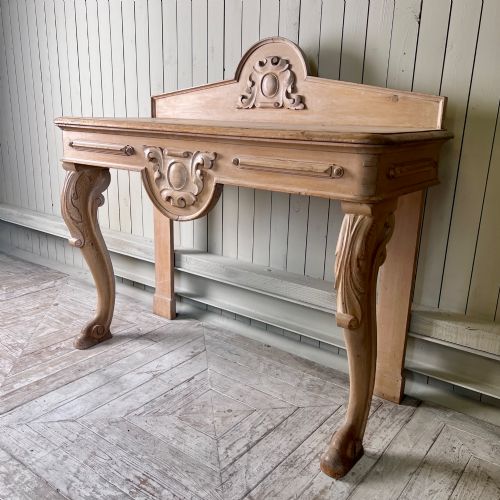
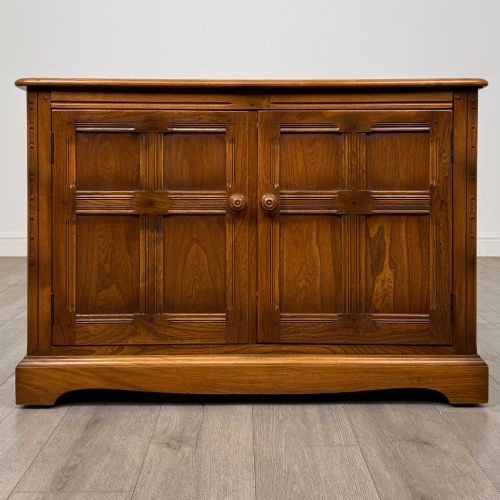
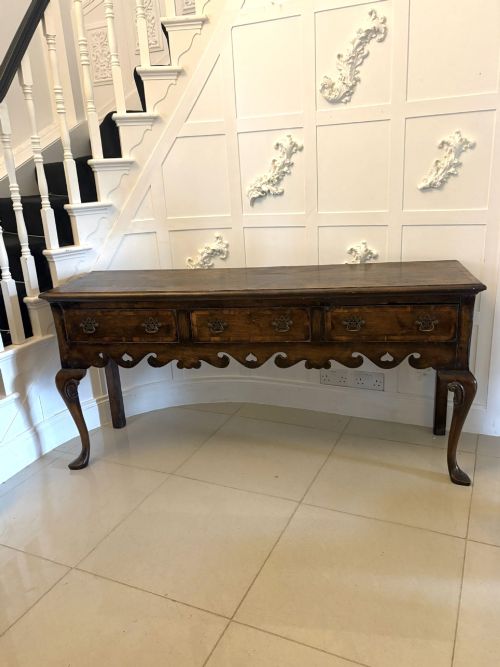
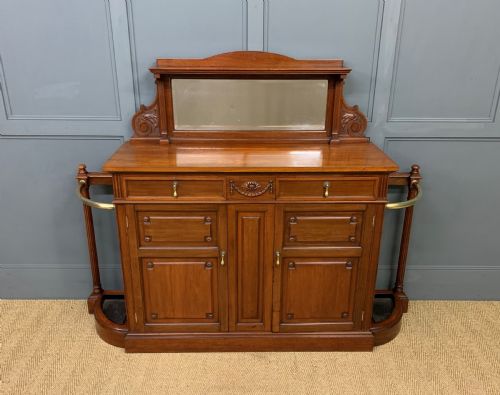
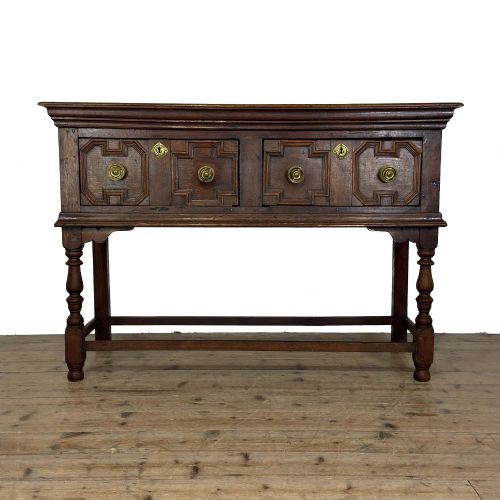
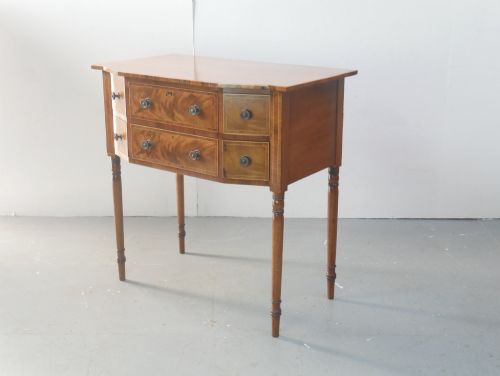
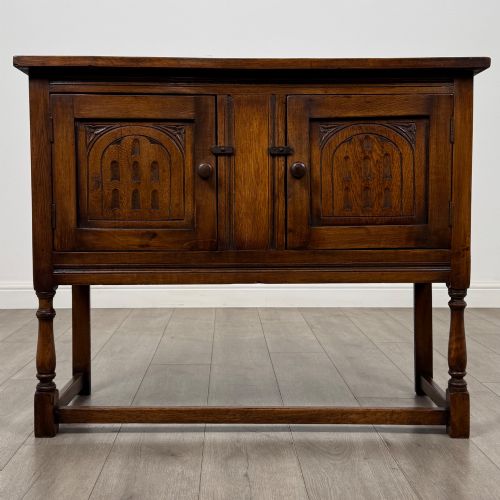
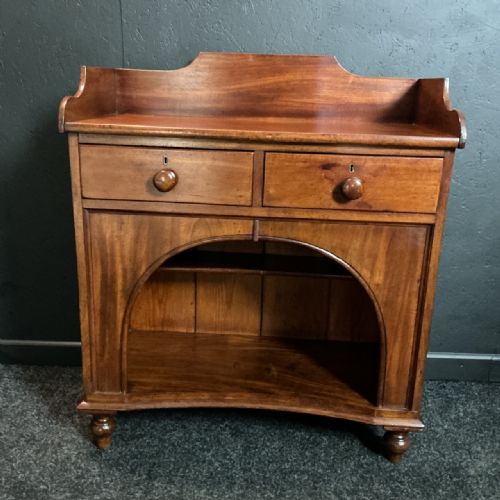
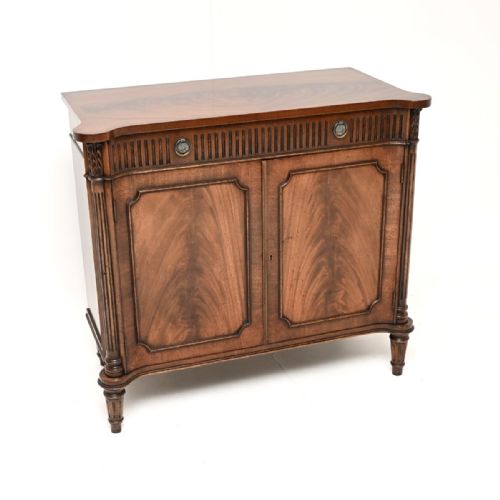
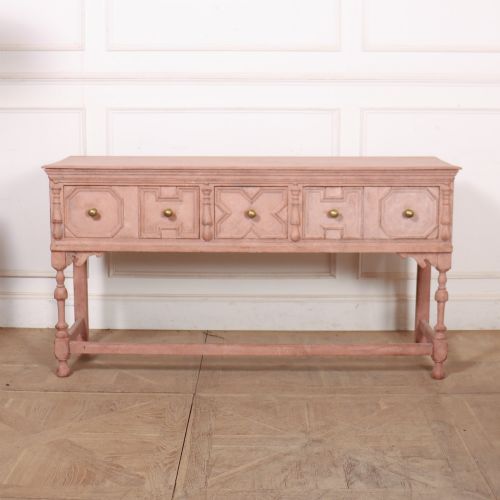
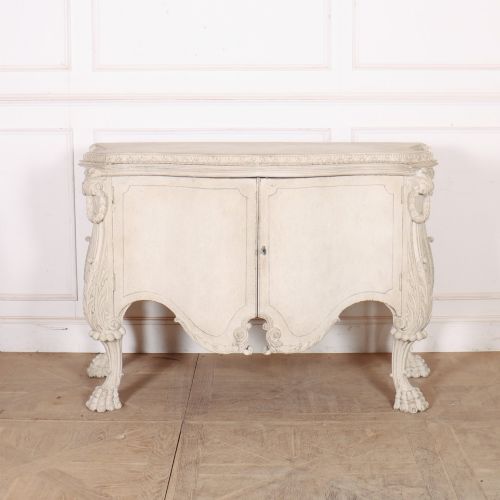
When searching for an antique hall sideboard, you encounter a variety of forms including narrow dresser bases, console tables, side cabinets, and compact cupboards designed to fit passage spaces. These pieces emerge from periods spanning the eighteenth, nineteenth, and early twentieth centuries, reflecting styles such as Georgian, Regency, Victorian, Edwardian, and Jacobean revival.
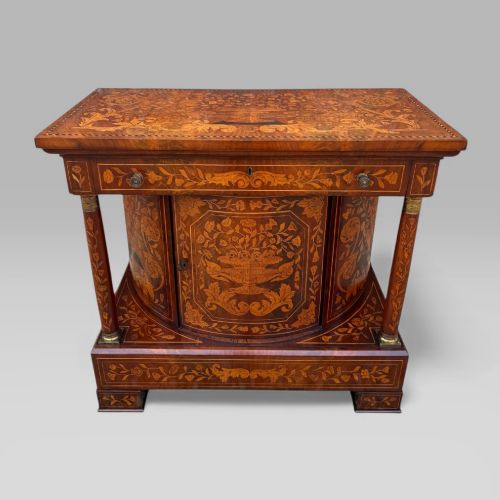
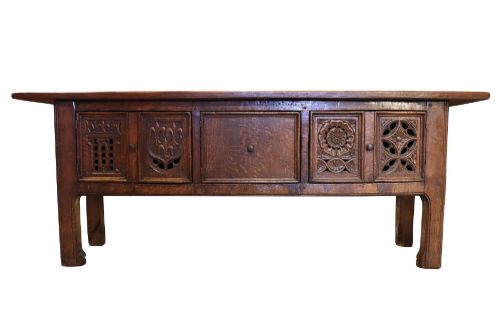
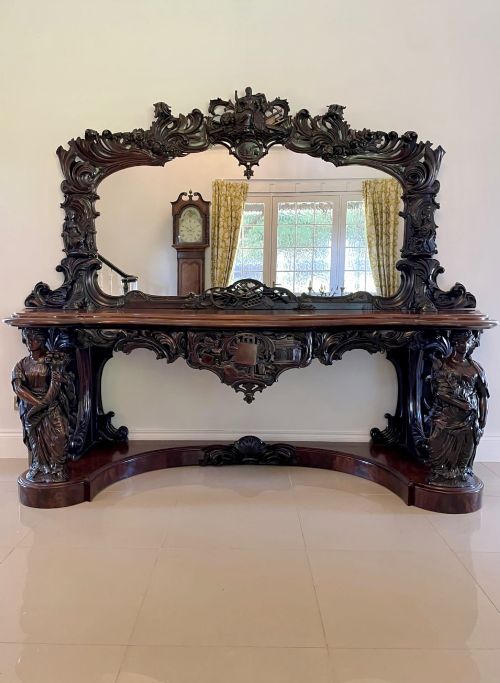
The most common examples on this page are constructed from oak or mahogany, often taking the form of low dresser bases, narrow sideboards, or small cabinets with doors and drawers. Pieces vary from simple English country pine and oak designs to elaborate Dutch marquetry, burr walnut, and carved Gothic revival items.
How they were made
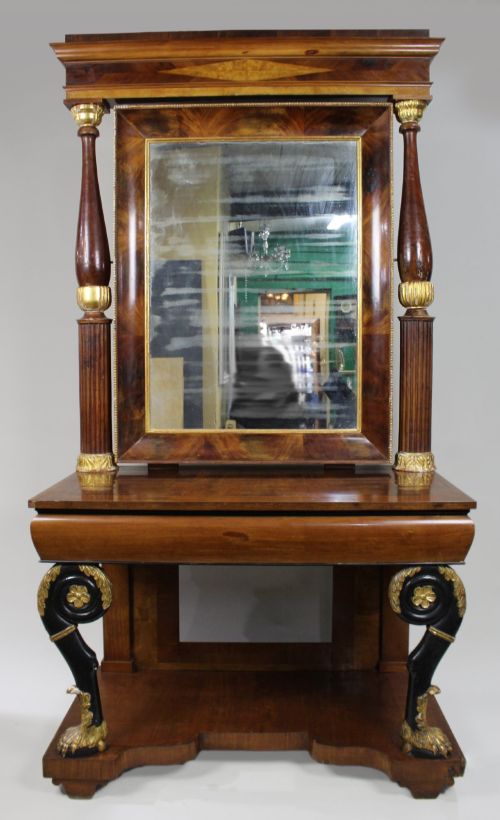
Cabinet makers built these pieces predominantly using solid hardwoods like oak and mahogany, supplemented by walnut, pine, and brass hardware. Surfaces frequently display carved detailing, geometric moulding, linenfold panels, parcel gilding, or marquetry inlay.
Construction methods relied on traditional joinery to assemble carcasses, drawers, and doors, with some examples incorporating marble tops, mirrored backs, or iron fittings.
Listings feature woods including oak, mahogany, walnut, pine, and brass, spanning the 18th, 19th, and early 20th centuries.
What varies in quality
Quality in these pieces depends upon the selection of timber, such as figured mahogany or burr walnut, and the precision of the carving and inlay work. Proportion also dictates value, particularly in narrow or shallow pieces designed specifically for hallways and smaller rooms.
The integrity of the original construction, including the stability of the timber and the retention of period brass handles or glass, separates standard examples from exhibition grade or fine regional work.
Shoolbred & Co.
The Antique Hall Sideboard Glossary
- Dresser base
- A low wooden unit featuring drawers and cupboards, originally used in kitchens or dining rooms for storage and serving.
- Chiffonier
- A compact sideboard or cabinet developed in the nineteenth century, typically featuring enclosed shelving and a raised back.
- Potboard
- An open slatted lower shelf beneath a dresser base, traditionally used to store pots and heavy ceramic vessels.
- Marquetry
- Decorative veneer work arranged in complex geometric or pictorial patterns using various coloured woods.
- Cabriole leg
- A furniture leg that curves outward at the knee and tapers inward at the ankle, ending in a simple foot.
Antique Hall Sideboard: Frequently Asked Questions
What is an antique hall sideboard?
An antique hall sideboard is a low storage unit or serving table designed with a shallow depth to fit narrow circulation spaces like entrance halls and corridors.
These pieces typically combine drawers and cupboard doors to store household items while providing a flat top surface.
How were these sideboards used?
Historically, these items served as practical furniture for storing table linen, silverware, and serving dishes in dining areas or hallways.
In modern entrances, they function as convenient placement surfaces for post, keys, and decorative lamps.
How do I identify a Georgian piece?
Georgian pieces are recognised by their use of solid oak or mahogany, clean architectural lines, and traditional timber framing without heavy revival ornamentation.
They frequently feature bracket feet, brass swan neck handles, and geometric drawer mouldings characteristic of the eighteenth century.
Are these pieces suitable for small hallways?
Many listings specifically include narrow proportions, shallow depths, and compact cupboard formats designed explicitly for restricted spaces.
Items described as narrow dresser bases, console tables, or small side cabinets offer functional storage without obstructing walkways.