
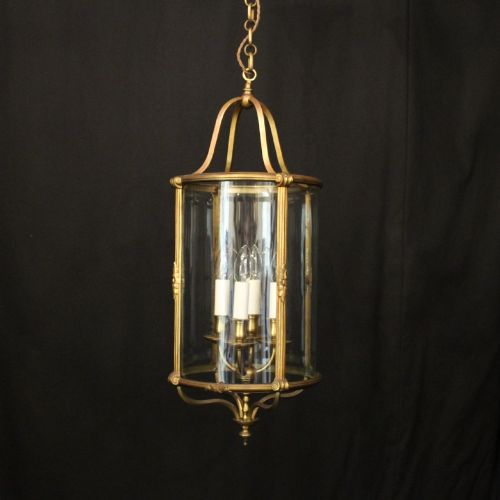
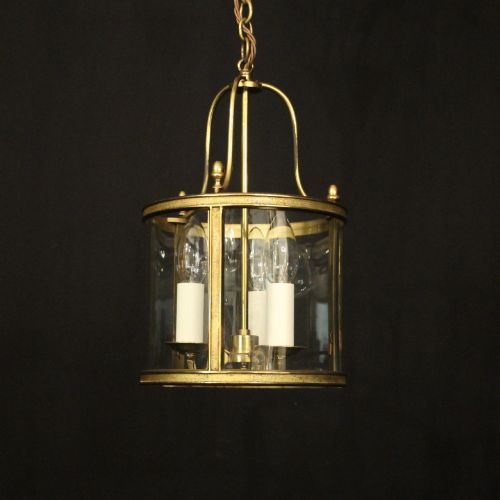
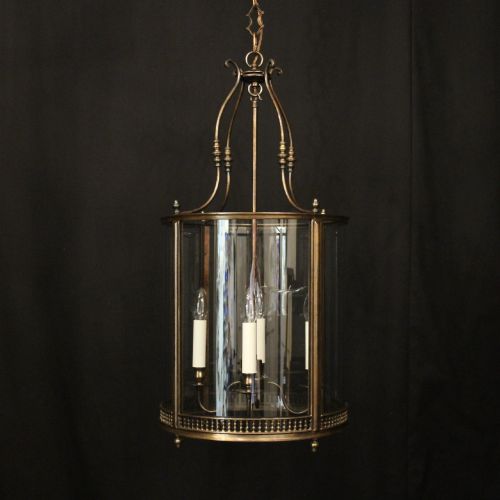
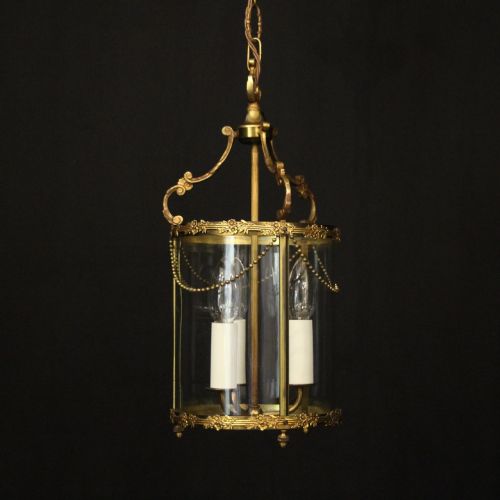
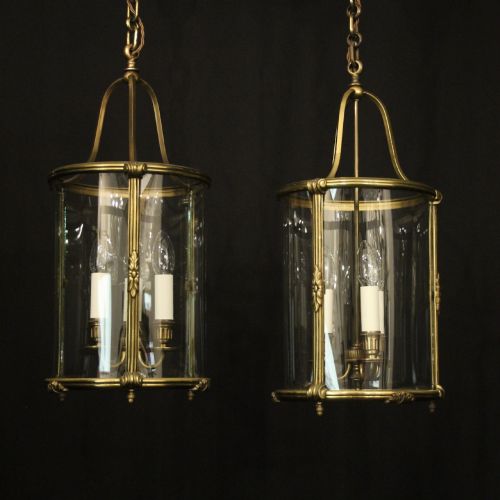
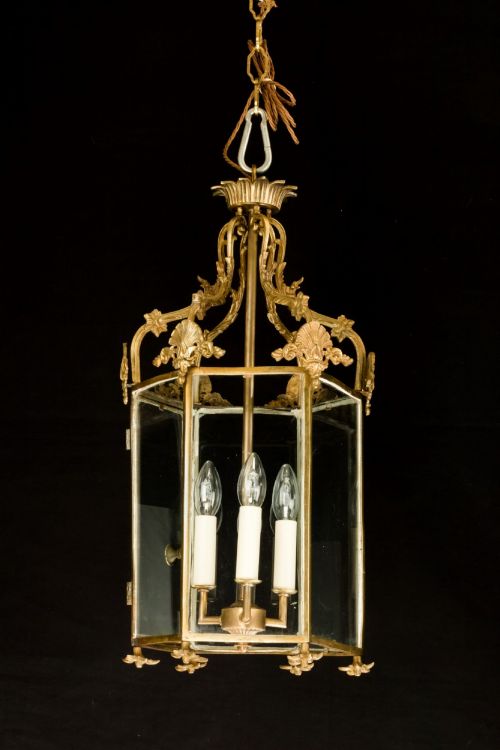
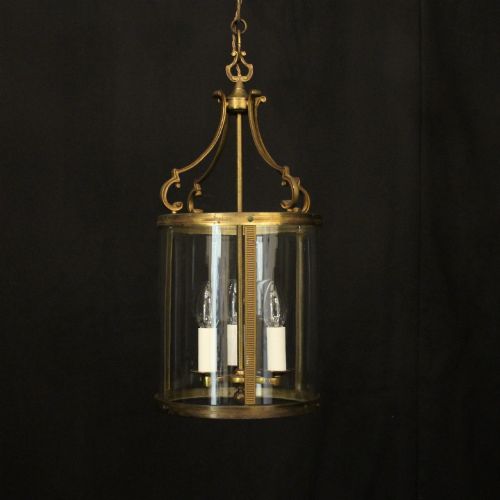
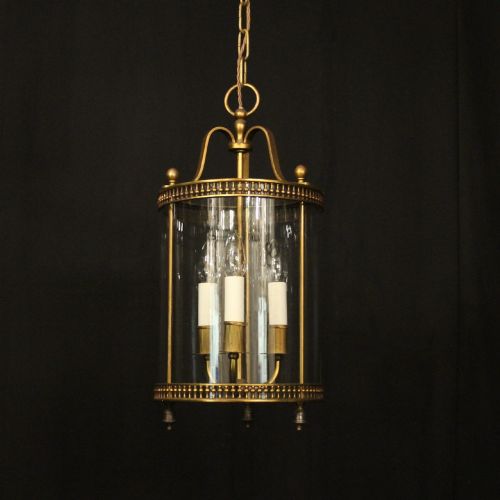
Antique Hall Chandelier
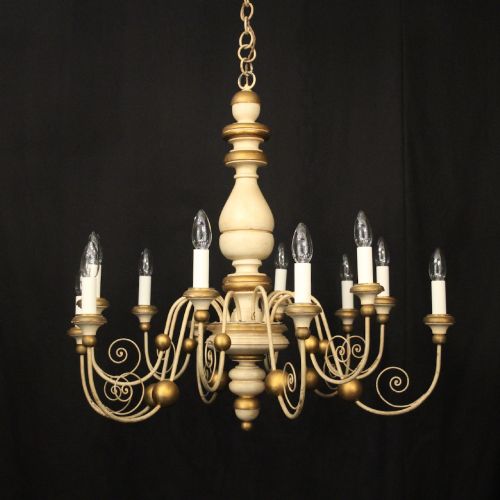
An antique hall chandelier provides focused illumination and architectural presence, bringing period character directly into an entranceway.
Antique Hall Chandelier
When searching for an antique hall chandelier, buyers encounter a specialised category of lighting designed specifically for entranceways, corridors, and landings. These pieces combine the function of domestic illumination with the decorative gravity of hanging lanterns and multi-light fixtures.
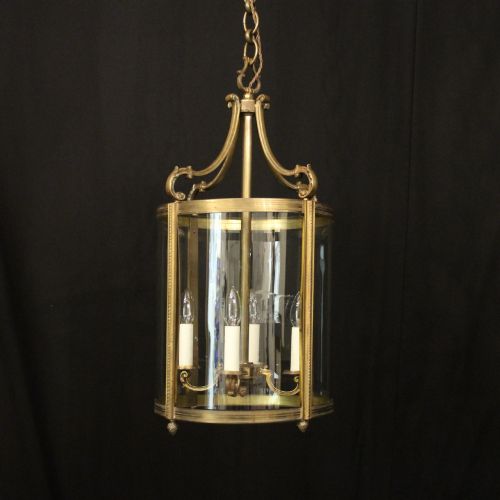
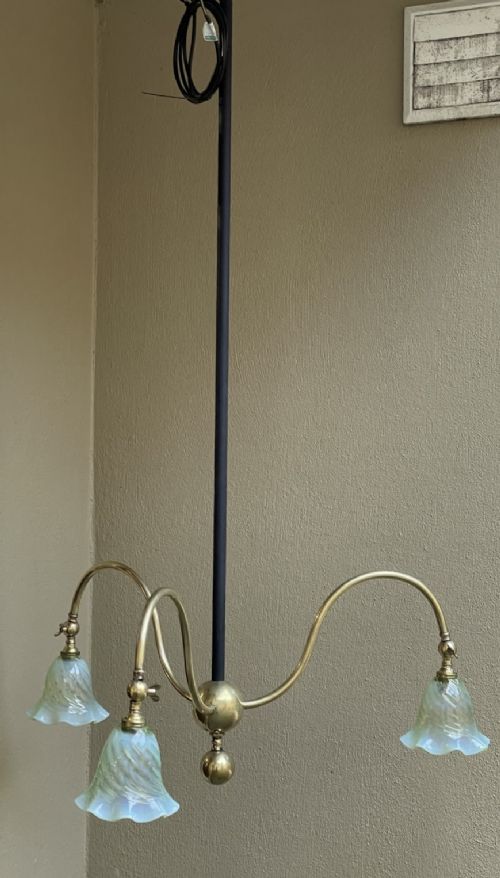
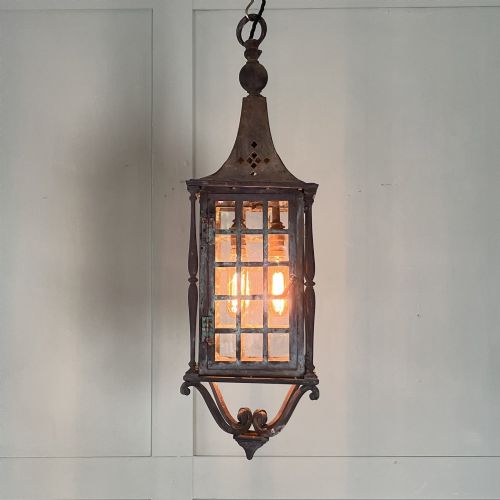
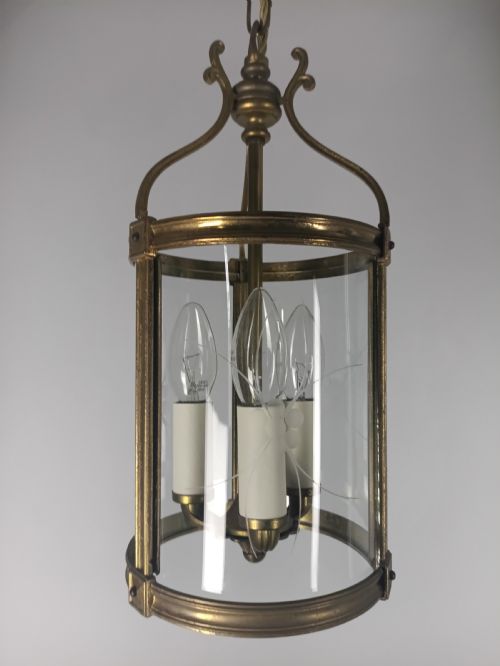
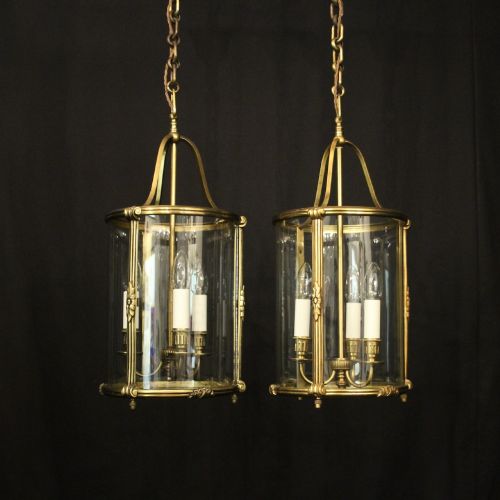
The selections available here draw heavily from French workshops and English makers, spanning the Victorian and Edwardian eras through to the early twentieth century. Common forms include single-bulb hanging lanterns, multi-light pendant fixtures, and hexagonal or convex glass designs.
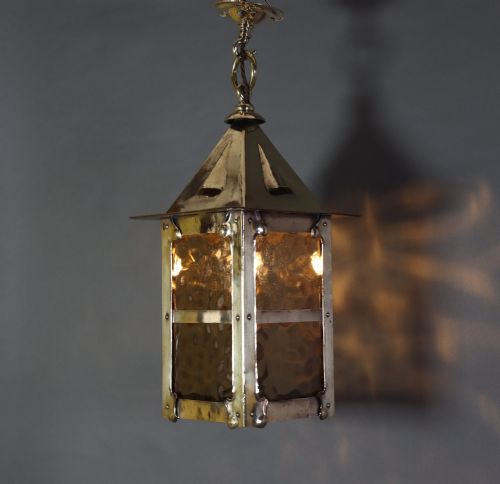
French examples often showcase gilded bronze or brass frames styled in neoclassical or rococo traditions, whereas English pieces frequently lean toward robust brass or Arts and Crafts principles. Buyers will meet robust metal frames paired with leaded, etched, or bevelled glass panels.
Materials and construction methods
Makers constructed these hanging fixtures using cast and forged metals including brass, bronze, gilt bronze, and wrought iron to form the structural skeletons. These metal frameworks were frequently gilded or polished to catch the dim light of gas or early electric bulbs.
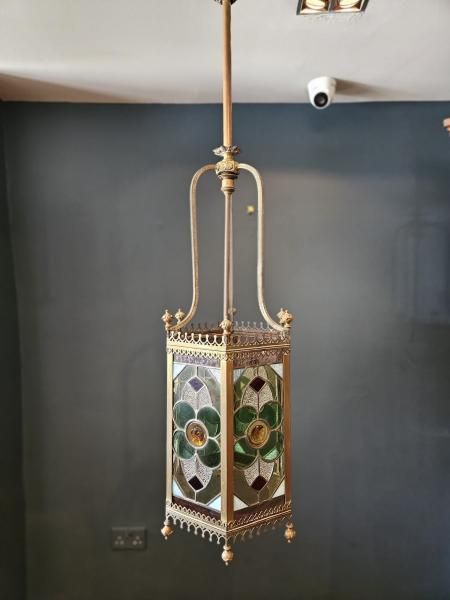
Glazing was an integral part of production, utilising leaded glass, bevelled glass panels, moulded glass, and etched glass to diffuse light and protect internal burners. Metalwork joints were riveted, screwed, or soldered together to support the substantial weight of the glass and frame.
Listings feature pieces from the Victorian and Edwardian eras alongside French chateau styles and Arts and Crafts designs.
Separating top-tier examples from ordinary pieces
Quality in these hanging lights rests on the crispness of the metal casting and the depth of the original gilding or patina. Finer examples exhibit meticulous hand-chased details on bronze frames and thick, bevelled glass panes fitted securely into their metal rebates.
Substantial weight, heavy gauge brass, and integrated original hanging loops or chains signal superior construction. Lesser pieces rely on thin pressed sheet metal and simpler soldered joints that lack the structural rigour of workshop-built lanterns.
The Antique Hall Chandelier Glossary
- Convex glass
- Curved glass panels that project outward to diffuse light across a wider angle. This technique was frequently utilised on French hall lanterns to soften harsh interior illumination.
- Gilt bronze
- Bronze metal treated with a thin layer of gold or gold leaf to produce a rich metallic lustre. Often found on French chandelier frames from the nineteenth century.
- Hall lantern
- A compact, enclosed hanging light fixture designed for narrow spaces like corridors and vestibules. These fixtures typically feature glass panels held within a metal framework.
- Leaded glass
- Individual pieces of glass joined together by strips of lead cames to form geometric or decorative patterns. This method appears on robust Victorian and Arts and Crafts lanterns.
- Pendant light
- A solitary light fixture suspended from the ceiling by a chain, cord, or metal rod. These lights are distinct from multi-armed chandeliers due to their single suspension point.
Antique Hall Chandelier: Frequently Asked Questions
How do I hang a heavy brass lantern?
Installation requires securing the hanging chain or rod directly into a ceiling joist or heavy timber noggin capable of supporting the dead weight of the metal and glass. A professional electrician should verify the structural load capacity before mounting.
Most antique fixtures utilise a matching ceiling rose or hook that conceals the modern wiring whilst anchoring the fixture safely overhead.
Can I use modern bulbs in these lights?
Modern low-energy LED bulbs fit easily into standard sockets provided during rewiring, allowing you to replicate the warm glow of historical illumination. Electricians can update internal lamp holders while preserving the original metal casing.
Ensure the wattage selected matches the heat tolerance of enclosed glass lanterns to prevent thermal stress on antique panels.
How do I clean bevelled glass panels?
Remove delicate glass panels carefully from the metal framework only if the retaining clips or screws permit safe extraction. Clean them with a gentle glass solution and a soft cloth to avoid scratching the aged surface.
Avoid spraying liquid directly onto aged brass or bronze mounts, as moisture can damage historical patinas and weaken soldered joints.