


Antique Greyhound Bronze
An antique greyhound bronze captures the taut muscle and sleek line of the breed, prized for desk ornaments and mantel sculptures alike.
Antique Greyhound Bronze
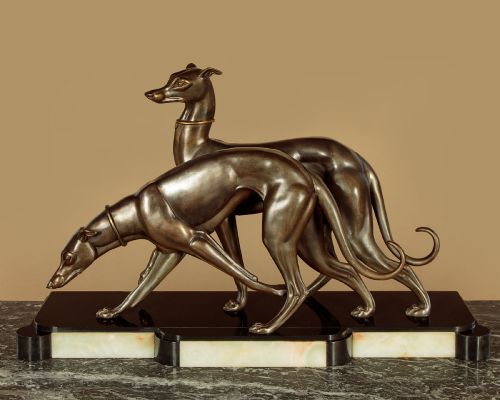
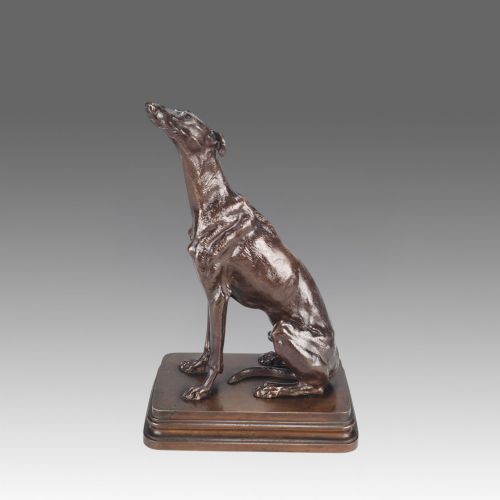
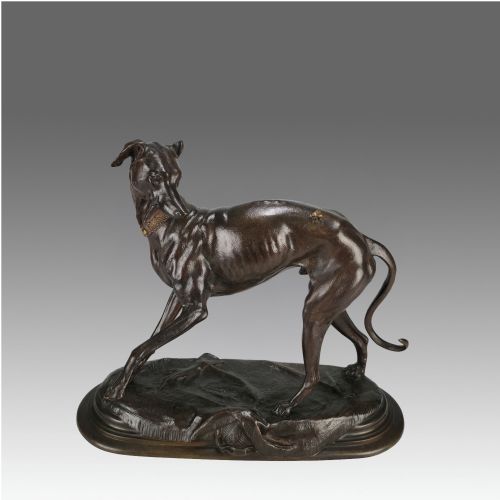
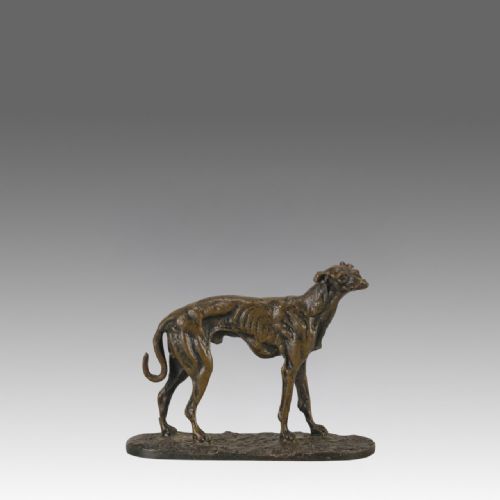
An antique greyhound bronze brings the distinct athletic silhouette of the hound into sculptural form, ranging from domestic figures to desk accessories. These pieces capture the dog seated, recumbent, or caught in the middle of a race, reflecting a long-standing fascination with the breed's anatomy.
The versions most commonly met on this page are French animalier bronzes from the nineteenth century, alongside later Art Deco interpretations. Works by prominent makers often depict single animals or pairs, while smaller objects integrate the hound into paperweights, pen trays, and caskets.
Beyond standalone sculptures, the search phrase encompasses practical items such as letter openers, desk clips, and decorative dishes. These functional pieces combine cast metal figures with materials like marble, stone bases, and leather to serve both ornamental and everyday uses.
Materials and casting methods
Foundry work relies heavily on the lost-wax method or sand casting to achieve the fine detail visible in the musculature and fur of the hounds. Artisans then finish the raw metal through chiselling and filing to sharpen the contours before applying surface treatments.
Patination plays a central role in the final appearance, utilising chemical treatments to produce dark brown, golden, or nuanced greenish tones across the bronze. Silvered finishes and cold-painted enamel techniques appear on specific Continental and Viennese pieces.
Mounts and integral foundations frequently incorporate secondary materials, notably veined marble bases, ormolu accents, and stone pedestals that provide stability and elevate the sculptural form.
Object forms range from freestanding animalier sculptures and desk clips to decorative boxes, pen trays, and figural letter openers.
Distinctions in craftsmanship
The refinement of the chasing work separates standard foundry output from superior examples, visible in the crisp definition around the ribs, tendons, and facial expressions of the greyhound. Softer, worn details often indicate secondary casts or excessive cleaning over time.
Proportion and stance accuracy dictate the aesthetic success of the piece, as a master modeller captures the characteristic tension and grace of the sighthound far better than a generic copy. The integration of the figure with its base, whether marble, ormolu, or bronze en suite, also signals the level of original ambition.
The quality of the patina matters greatly, with rich, stable chemical colorations enhancing the surface rather than flat, uniform paints that mask the underlying metalwork. Original patination intact from the period carries more integrity than later re-finishing.
Alfred Dubucand·Alfred Barye·P J Mêne·Geo Maxim·Joseph Francois Victor Chemin·Christophe Fratin·Francisque Joseph Duret
The Antique Greyhound Bronze Glossary
- Animalier
- A nineteenth-century artistic movement dedicated to the realistic portrayal of animals, particularly predators and hounds. Sculptors in this tradition focused on kinetic energy and anatomical precision.
- Patina
- The surface coloration and sheen developed naturally through age or applied chemically by the foundry. This layer protects the metal and defines the visual depth of the sculpture.
- Ormolu
- Gilt bronze produced by applying a gold-mercury amalgam to a bronze base. The technique creates a bright golden finish frequently used on mounts and decorative caskets.
- Lost-wax casting
- A historic method where a wax model is encased in a mould, melted out, and replaced with molten bronze. This technique allows for intricate undercuts and delicate surface textures.
- Cold-painted bronze
- A decorative finish where polychrome paint is applied to cold metal rather than fired in a kiln. Vienna workshops popularized this technique for small, detailed animal figures.
Antique Greyhound Bronze: Frequently Asked Questions
How do I identify an animalier bronze?
Animalier bronzes are identified by their dynamic, highly realistic portrayal of animal anatomy, often bearing the signature or foundry mark of the artist on the base. The focus is on capturing movement or tension rather than static decoration.
These sculptures date predominantly from the nineteenth century and reflect a scientific interest in natural history combined with academic artistic training.
What is a cold-painted bronze?
A cold-painted bronze is a metal sculpture decorated with unfired paint applied over a sealed surface. This technique allows for vibrant, multi-coloured details on small decorative items.
Care must be taken with these pieces, as moisture and harsh cleaning agents can easily lift the historical paint layers.
How should I clean antique bronze?
Antique bronze requires minimal intervention, usually limited to gentle dusting with a soft, dry cloth to prevent the accumulation of grit. Wax polishes should be avoided unless specified for a particular surface type.
Preserving the original patina is essential, as aggressive cleaning strips the historic skin that confirms the age of the piece.
Are marble bases original to the sculptures?
Marble bases are frequently original, serving to anchor the heavy metal sculpture and provide an architectural contrast to the dark bronze. Makers often paired greyhounds with shaped marble plummets or inkwell bases.
Inspect the junction between the metal pins and the stone to ensure the mounting is contemporary to the casting period.