





Antique Grey Side Chairs
These antique grey side chairs bring subtle painted surfaces and period craftsmanship to modern dining spaces.
Antique Grey Side Chairs
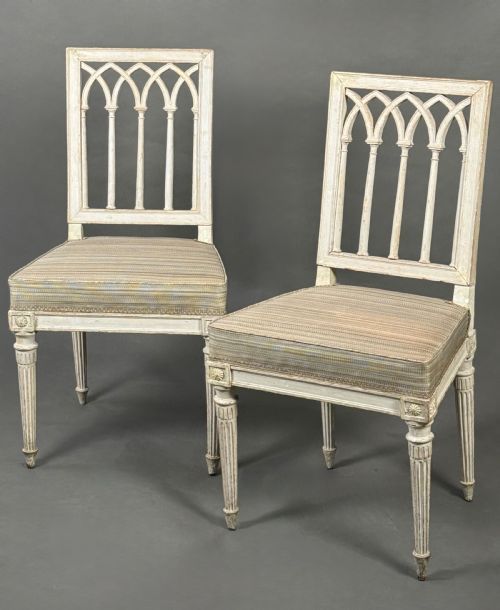
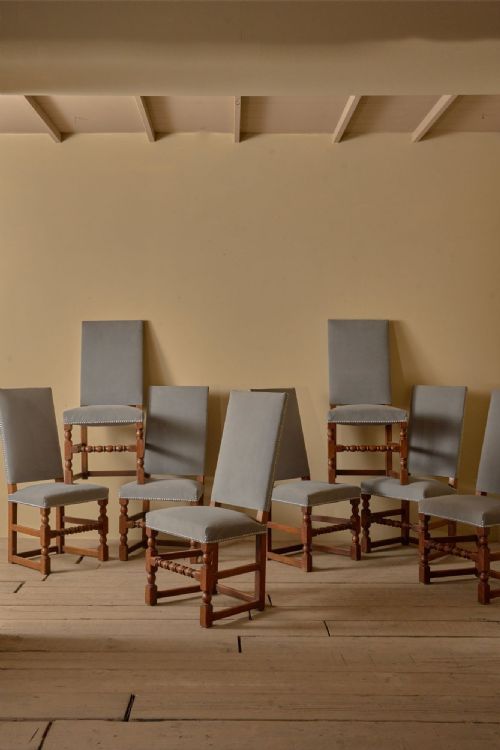
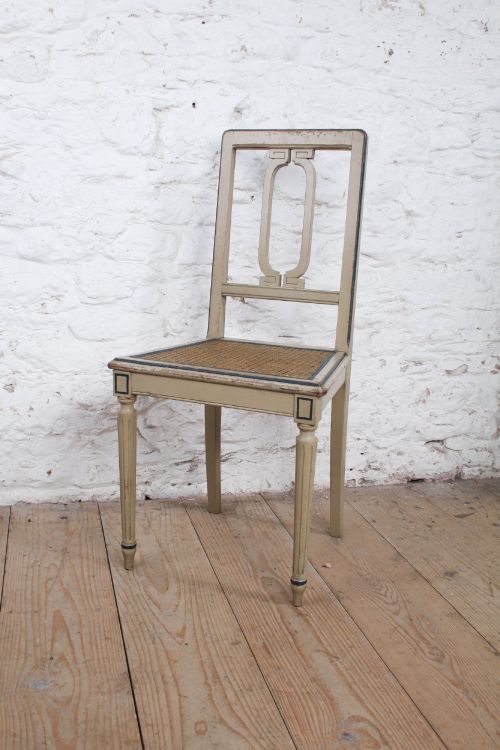
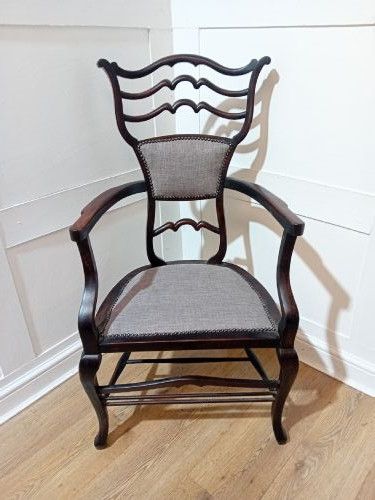
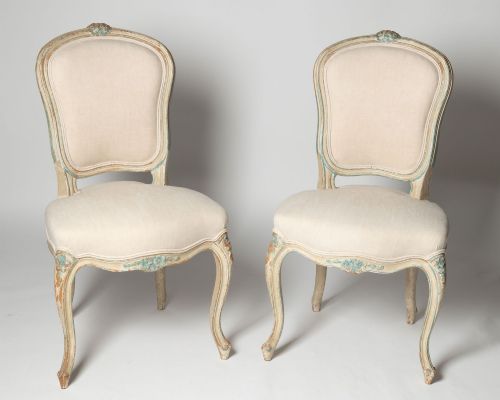
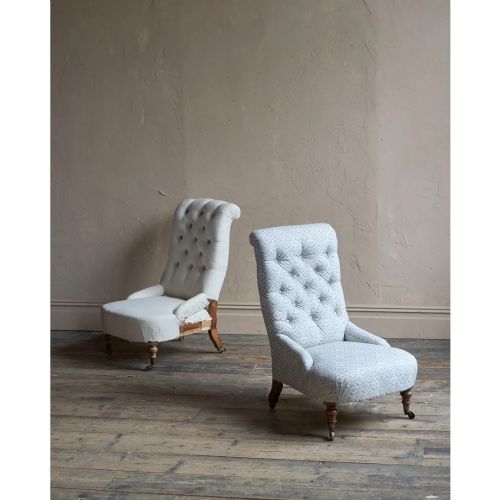
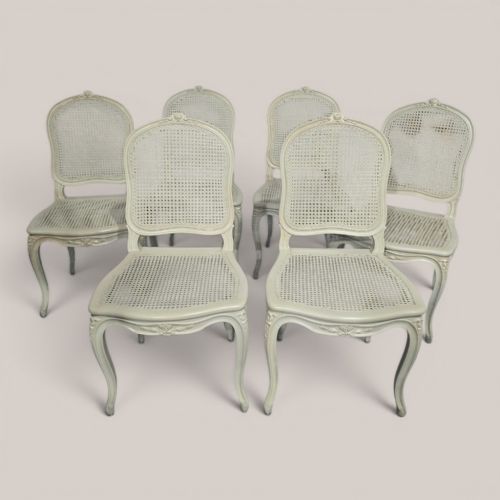
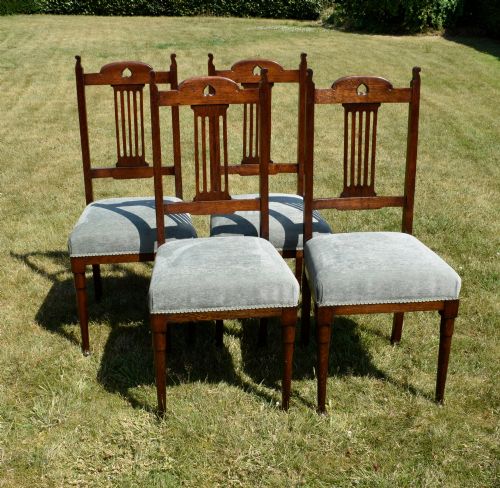
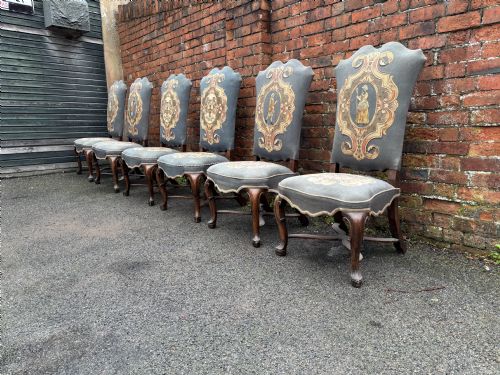
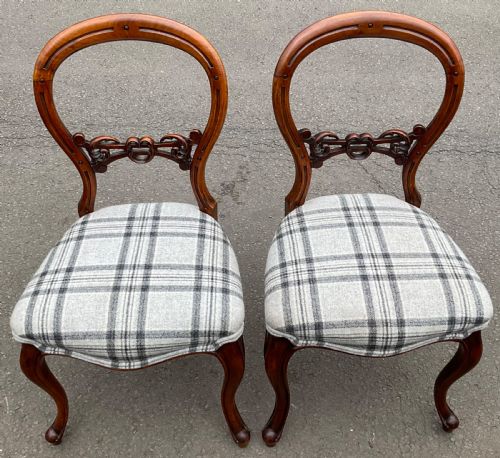
Antique grey side chairs span multiple centuries, from eighteenth-century French and Italian examples to nineteenth-century Victorian and Edwardian iterations. Buyers searching for antique grey side chairs will find painted wooden frames alongside exposed timbers like oak, walnut, and mahogany.
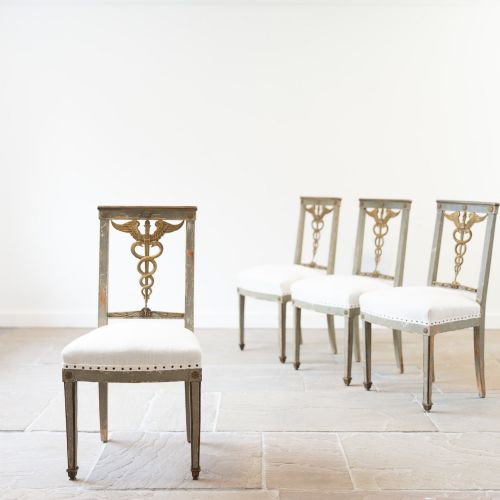
The selection includes matched sets as well as pairs, often featuring decorative carvings in styles such as Louis XV, Neoclassical, and Gothic Revival. These seats function primarily around a dining table or as occasional accent pieces in a bedroom or salon.
How they were made
The construction relies on traditional timber framing using woods such as oak, walnut, and mahogany, shaped through hand carving and joinery. Painted wood surfaces often receive layered finishes that build tone and depth over time.
Upholstered elements incorporate traditional textiles, including velvet and general fabric, secured to support the seat and back structures.
Antique Grey Side Chairs Retail Price Guide 2026
Typical asking prices for grey side chairs among the pieces listed under this phrase on Sellingantiques today, from the lower quarter to the upper quarter. They describe what is for sale here now, not the wider market.
Design influences range from French Neoclassical and Louis XV to Arts and Crafts and Gothic Revival.
What varies in quality
Quality rests in the precision of the hand carving and the integrity of the wooden frame, where crisp botanical or scroll details elevate the design. The depth and handling of the painted finish also distinguish finer examples from simpler provincial seating.
Originality of components and the cohesion of timber selection across a matched set determine the standing of each piece within the wider range.
Howard and Sons·Howard Co London
The Antique Grey Side Chairs Glossary
- Side chair
- A chair without arms, traditionally used for dining or occasional seating around a room.
- Louis XV style
- A decorative French design language characterised by asymmetric curves, rocaille motifs, and cabriole legs.
- Neoclassical
- A style drawing inspiration from classical antiquity, featuring restrained geometry and symmetrical carved ornament.
- Gothic Revival
- An architectural and decorative style incorporating pointed arches and medieval ecclesiastical motifs into furniture design.
- Bergere
- An enclosed upholstered armchair with wooden framing visible around the sides and back.
Antique Grey Side Chairs: Frequently Asked Questions
How do I clean painted wooden chairs?
Dust surfaces regularly with a soft, dry cloth to prevent dirt accumulation. Avoid harsh chemical cleaners that can damage historic paint finishes.
For stubborn marks, use a slightly damp cloth with mild soap, then dry the wood immediately with a clean towel.
Can I use side chairs for daily dining?
Most antique side chairs were built for daily use using sturdy timbers like oak and walnut. Check the joinery stability before placing them at a busy family table.
Adding discreet felt pads to the feet protects both the chair legs and your flooring during regular movement.
How do I identify French Provincial style?
French Provincial pieces exhibit simpler, country-made interpretations of royal court furniture styles. They often feature carved floral motifs, cabriole legs, and painted or polished timber surfaces.
Proportions tend to be slightly sturdier and less ornate than formal Parisian counterparts.
What is the difference between walnut and mahogany?
Walnut is a native European timber with a rich brown grain that often shows lighter figuring. It was widely used in eighteenth-century and Victorian furniture.
Mahogany is a denser, imported hardwood with a deeper reddish-brown tone that gained popularity during the Georgian and Victorian eras.