







Antique Grey Pottery
Antique grey pottery spans centuries of diverse ceramic traditions, offering collectors tactile fragments of ancient and historic craftsmanship.
Antique Grey Pottery
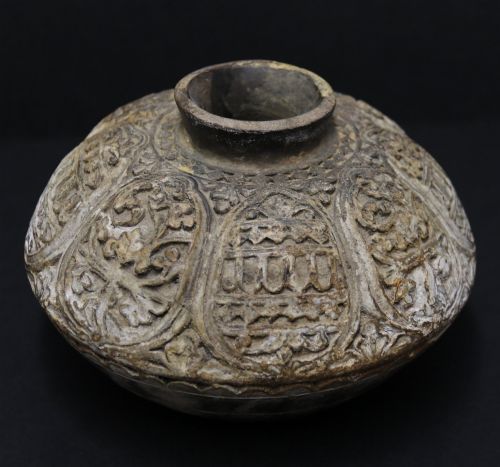
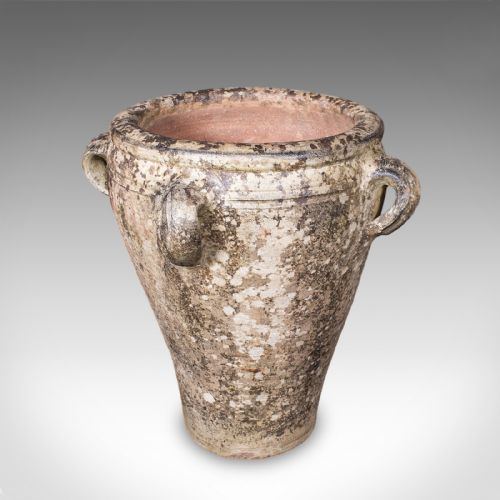
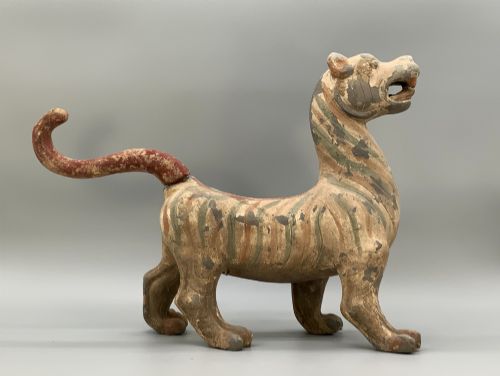
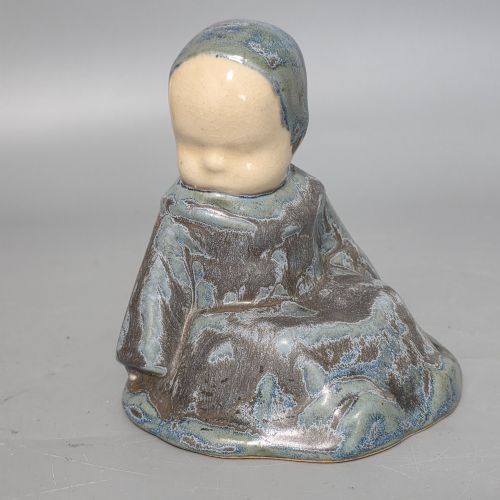
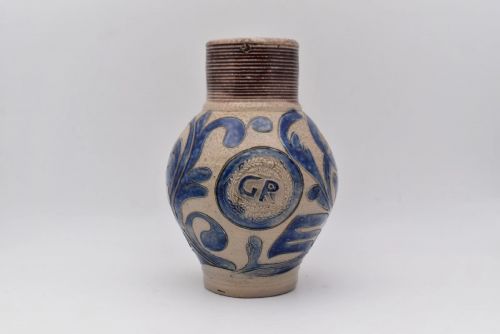
Antique grey pottery encompasses a broad chronological range from pre-Columbian figures and ancient Chinese guardian sculptures to later European salt glaze jugs and Japanese studio vases. When exploring antique grey pottery, buyers encounter diverse forms including ritual vessels, figurative sculptures, practical storage jars, and decorative plates.
The selection reflects origins spanning China, Peru, Germany, Japan, and Britain. Pieces such as Han Dynasty dancers and Westerwald tankards represent the prominent forms found within this category.
How they were made
Potters utilised fundamental ceramic materials including earthenware, terracotta, and stoneware, often enhanced by natural glazes, cobalt oxide, and surface pigments. Techniques range from unglazed hand-modelling and incising to high-fired salt glazing.
Kiln methods determined the final body colour and finish, whether achieving the natural grey tone of ancient Chinese burial figures or the textured surface of German salt glazed vessels.
Antique Grey Pottery Retail Price Guide 2026
Typical asking prices for grey pottery among the pieces listed under this phrase on Sellingantiques today, from the lower quarter to the upper quarter. They describe what is for sale here now, not the wider market.
Ancient potters occasionally left accidental fingerprints baked permanently into the grey clay.
What varies in quality
Quality rests in the crispness of modelling, the preservation of original pigments or glazes, and the structural integrity of the ceramic body. Early figures and vessels show distinct degrees of artisan proficiency in form and proportion.
The depth of historical character, clarity of incised decoration, and stability of the material separate standard utilitarian items from exceptional sculptural examples.
Berthe Savigny·Makuzu Kozan II·James Kerr McArthur
The Antique Grey Pottery Glossary
- Salt glaze
- A ceramic finish created by throwing common salt into the kiln during high-temperature firing, producing a characteristic textured surface resembling orange peel.
- Stoneware
- A robust, vitrified ceramic fired at high temperatures until the clay body becomes impermeable to liquids.
- Earthenware
- Porous pottery fired at lower temperatures, typically requiring a glaze to achieve water resistance.
- Cobalt oxide
- A metallic pigment utilised under or over glazes to produce deep blue decoration on ceramics.
Antique Grey Pottery: Frequently Asked Questions
How do I care for antique grey pottery?
Keep pottery away from direct sunlight and areas subject to sudden temperature shifts. Dust gently with a soft, dry cloth and avoid liquid cleaners.
Display pieces on stable surfaces where they will not be knocked or vibrated.
How do I date an ancient grey pottery vessel?
Examine the clay body, weight, and surface wear for consistency with the attributed period. Compare the potting technique and form against established historical examples.
Consult specialist literature on regional kiln practices to understand typical characteristics of specific centuries.
What is the difference between earthenware and stoneware?
Earthenware is fired at lower temperatures, leaving the clay porous unless glazed. Stoneware is fired much hotter until the material vitrifies and becomes dense.
Stoneware resists liquid naturally without a glaze and typically offers greater durability than earthenware.
Where were salt glazed jugs made?
Salt glazed stoneware production centred heavily in German regions such as Westerwald and Siegburg during past centuries. British kilns also adopted salt glazing methods for utilitarian vessels and garden ornaments.
Distinctive markings, ciphers, and surface textures help identify the regional origin of individual pieces.