





Qing Dynasty Relief
These pieces of qing dynasty relief span cast bronzes and carved hardwoods, offering tactile depth and intricate ornamentation for the discerning collector.
Qing Dynasty Relief
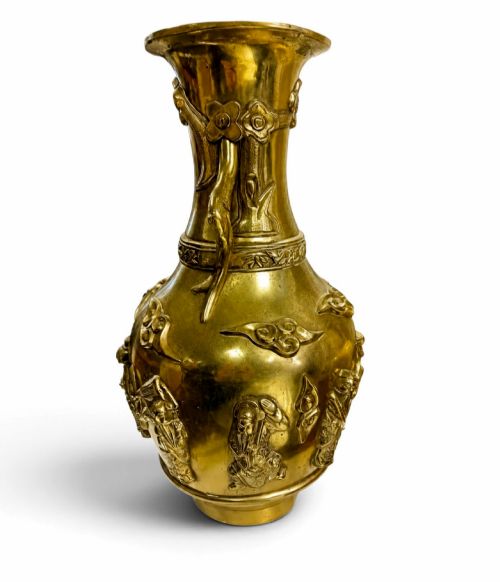
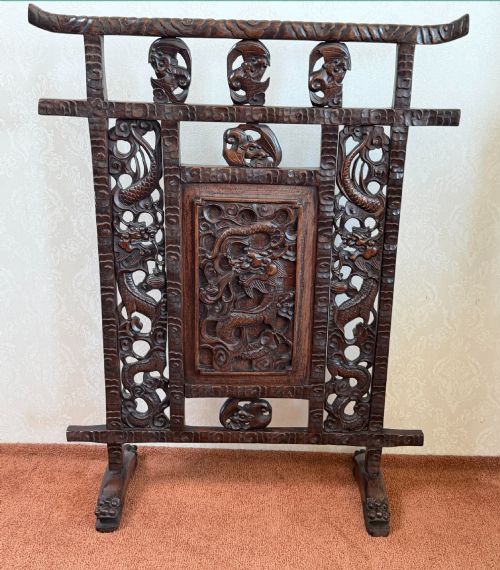
When buyers search for qing dynasty relief, they encounter a diverse selection of sculptural objects and architectural elements originating from nineteenth-century China. These items range from heavy bronze vessels and censers adorned with dragons to carved wooden panels, screens, and brush pots.
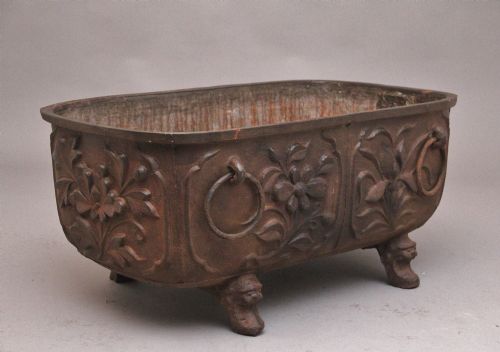
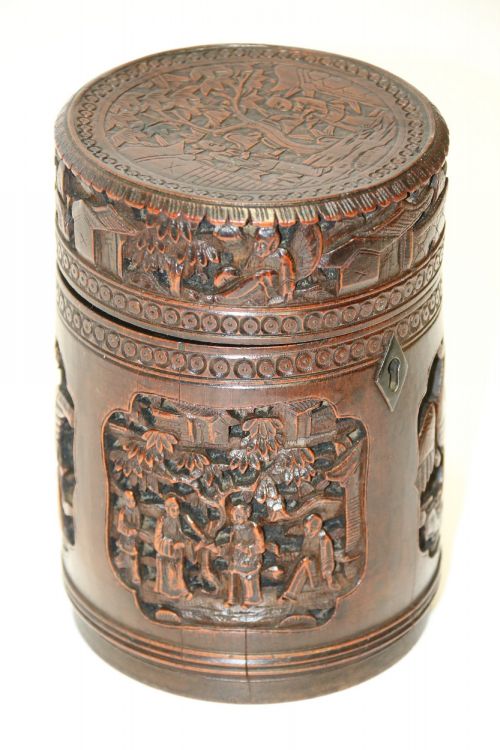
The objects on this page predominantly reflect nineteenth-century craftsmanship, including pieces dated across the 1860s, 1880s, and 1900s. Forms include utilitarian items like planters and tea caddies alongside purely decorative wall plaques and ritual figures.
Buyers will find that bronze and various hardwoods form the backbone of the available selection, often enhanced by high-relief carving depicting immortals, dragons, and traditional motifs. The offerings bridge scholarly pursuits and monumental temple decor.
How they were made
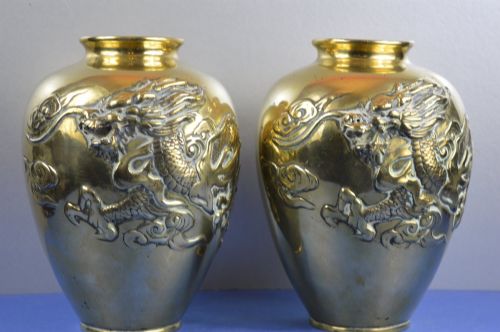
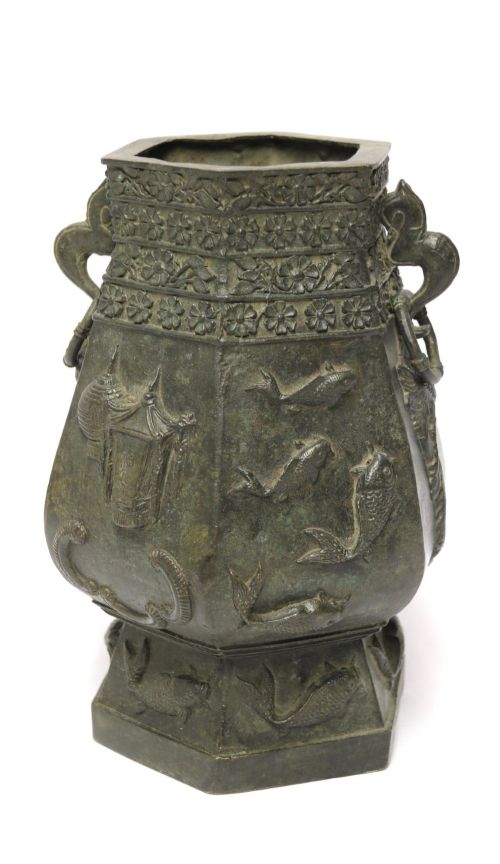
Metal objects such as vases, censers, and vessels utilise bronze, brass, and copper-alloy, often shaped through casting techniques that allow for bold, high-relief ornamentation. Artisans worked metal to display intricate dragons, masks, and script marks.
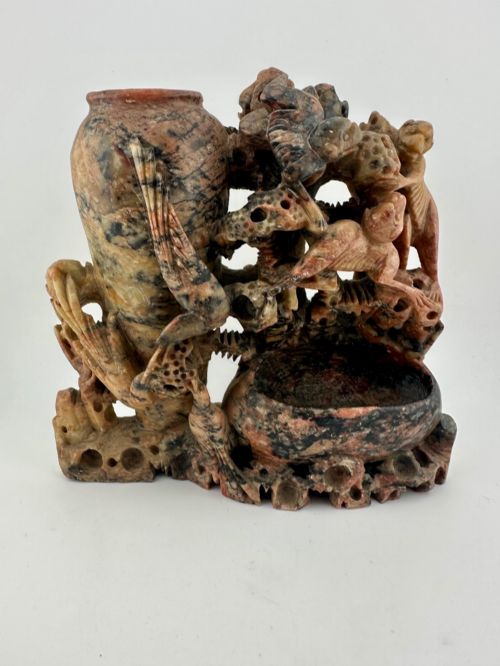
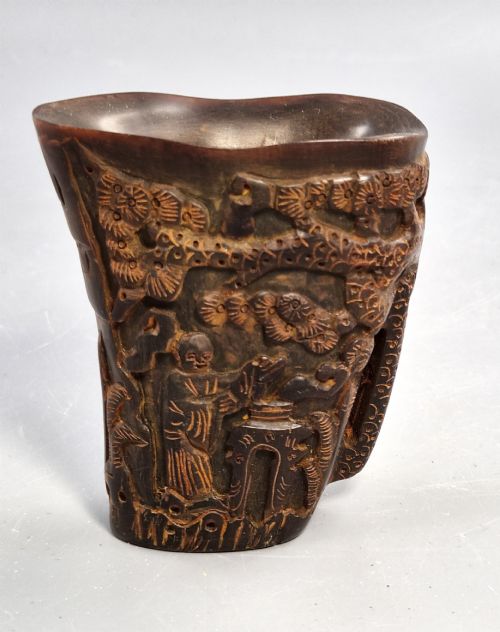
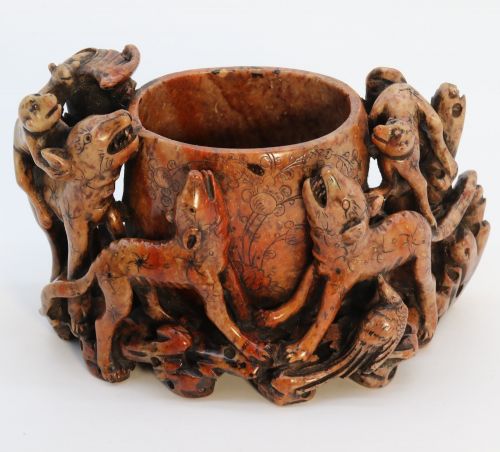
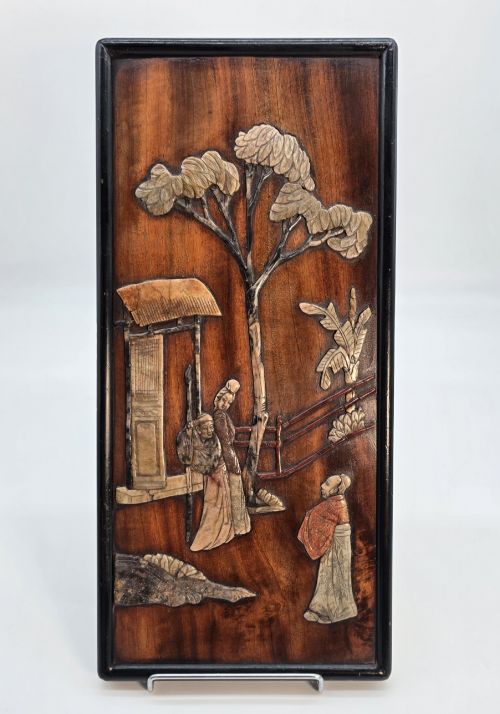
Organic materials including bamboo, hardwood, soapstone, and water buffalo horn undergo meticulous carving. Craftsmen exploited the natural grain of zitan and elm to create dimensional panels, cabinets, and scholar's objects.
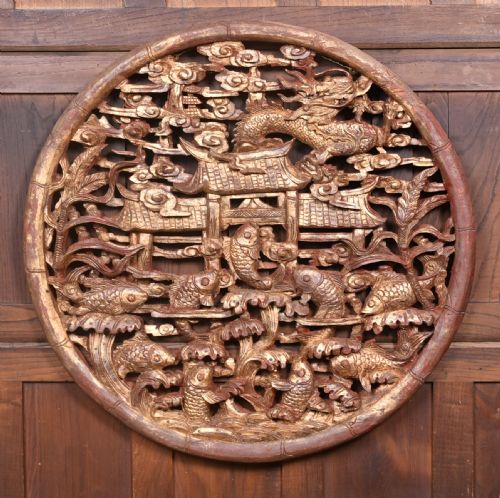
Polychrome finishes and gilt applications appear on wood and bronze items, adding colour and emphasis to the deep relief carvings. Lacquer is also applied to trunks, creating durable and glossy surfaces.
Qing Dynasty Relief Retail Price Guide 2026
Typical asking prices for qing dynasty relief among the pieces listed under this phrase on Sellingantiques today, from the lower quarter to the upper quarter. They describe what is for sale here now, not the wider market.
Materials span bronze, brass, hardwood, lacquer, wood, bamboo, soapstone, and hardstone across various decorative forms.
What varies in quality
The depth and definition of the carving separate standard items from superior examples. Master carvers achieved remarkable dimensionality in wood, stone, and bronze, where figures and motifs project sharply from the background with clear detailing.
Material selection dictates the standing of a piece within the category. Heavy cast bronzes with substantial weight, or dense hardwoods like zitan, command attention for their material integrity compared to lighter or more common timber varieties.
The complexity and execution of the iconography influence overall merit. Pieces depicting multiple Daoist immortals, detailed dragon handles, or inscribed script demonstrate a higher level of artistic intent and workshop skill.
The Qing Dynasty Relief Glossary
- Relief
- A sculptural technique where elements project from a flat background. High relief indicates that figures stand out significantly from the surface.
- Censer
- A vessel used for burning incense. These often feature tripod legs, handles, and elaborate animal finials such as fu lions.
- Zitan
- A dense, heavy Asian hardwood prized for furniture and cabinets. It permits extremely fine carving and darkens with age.
- Libation cup
- A ritual cup used for pouring liquids. In this context, they are often carved from horn or stone with narrative scenes.
- Brush pot
- A cylindrical container used by scholars for holding writing brushes. They are frequently carved from bamboo or soapstone.
Qing Dynasty Relief: Frequently Asked Questions
What materials are common in qing dynasty relief?
Listings feature a strong presence of cast bronze, brass, and copper-alloy alongside various hardwoods, bamboo, and soapstone.
Artisans also utilised water buffalo horn, lacquer, and hard stone to create dimensional objects.
How are bronze vessels decorated?
Bronze items frequently display high-relief ornamentation depicting dragons, Daoist immortals, and mask handles.
Many pieces incorporate cast details, script marks, and patinated surfaces developed over time.
What is the typical age of these pieces?
The objects primarily date from the nineteenth century, with specific examples referencing the 1850s through to 1900.
Occasional pieces reflect earlier Georgian or mid-eighteenth-century periods within the broader aesthetic framework.
How were wooden panels utilised?
Carved wooden panels and plaques served as architectural elements or decorative wall hangings in traditional interiors.
They often depict intricate figural scenes and motifs executed in high relief by skilled workshops.