

Oriental Relief Carving
Oriental relief carving brings depth and texture into a room through centuries of skilled Asian craftsmanship.
Oriental Relief Carving
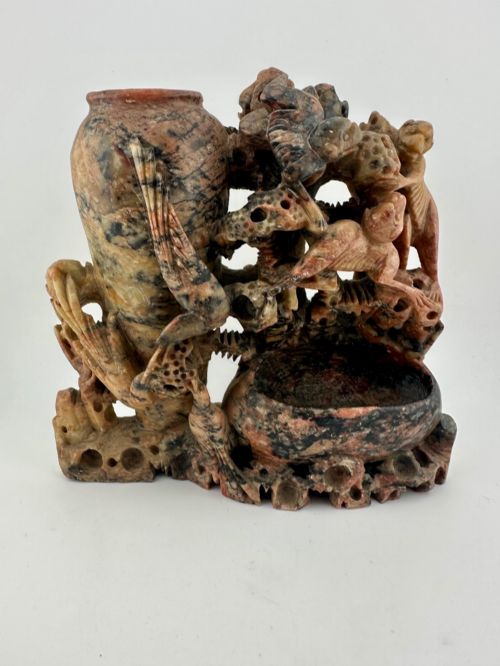
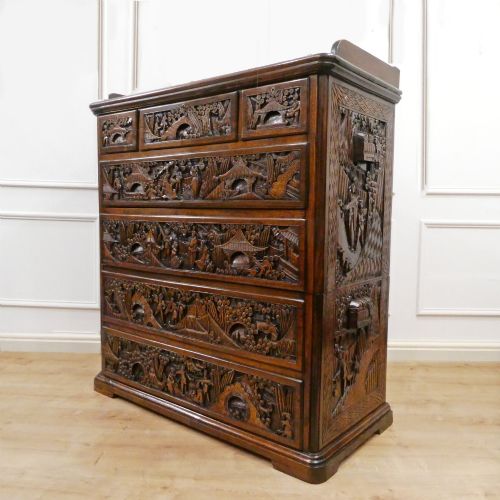
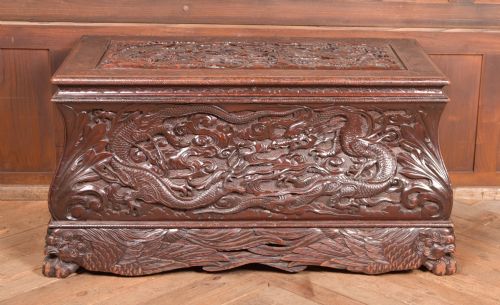
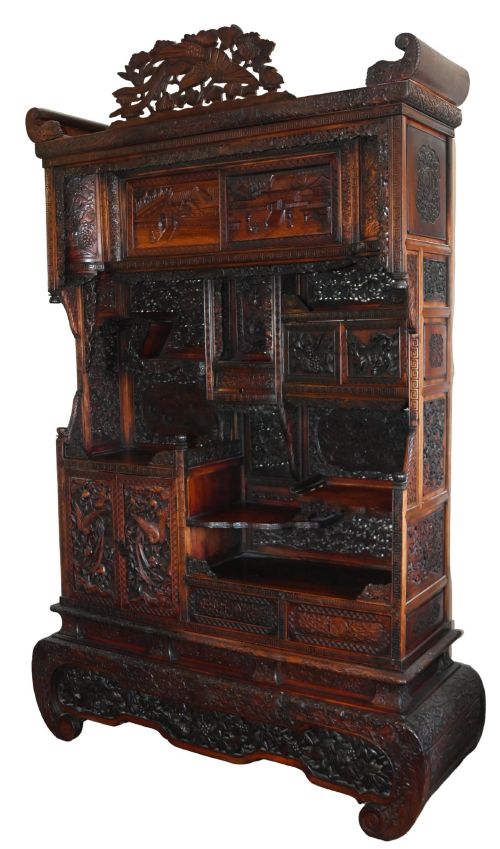
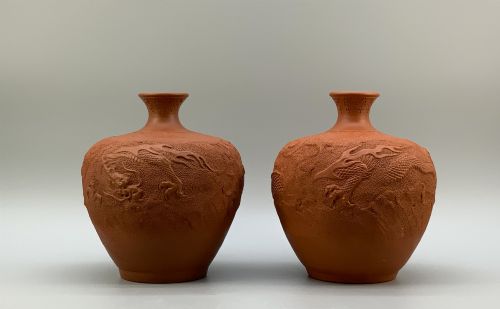
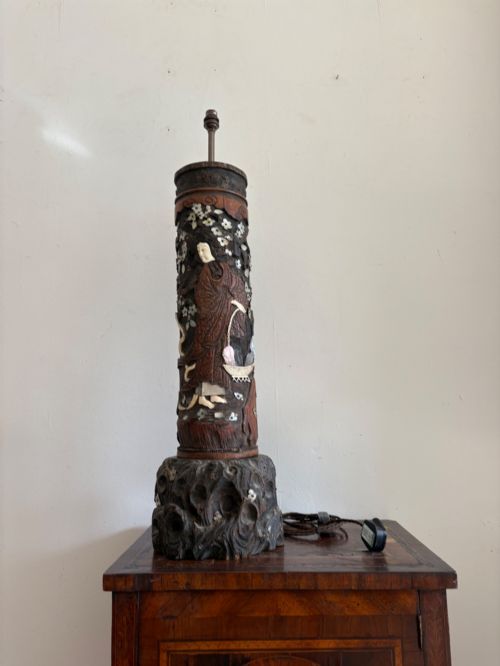
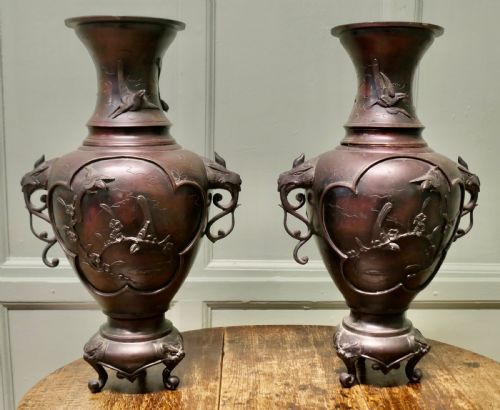
When you search for oriental relief carving, you encounter pieces that project three-dimensional designs from flat or rounded surfaces, spanning centuries of Asian decorative arts. These items range from decorative temple panels and wooden storage chests to heavy bronze vessels and table lamps.
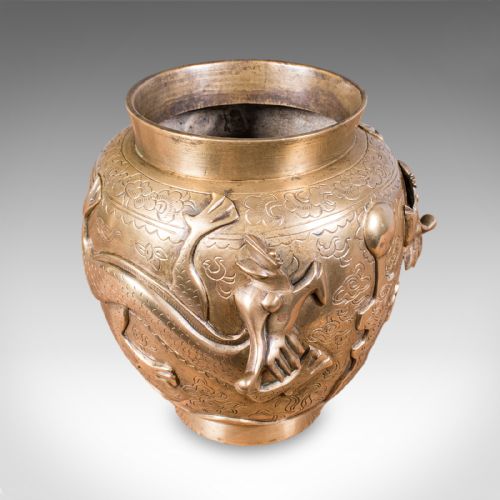
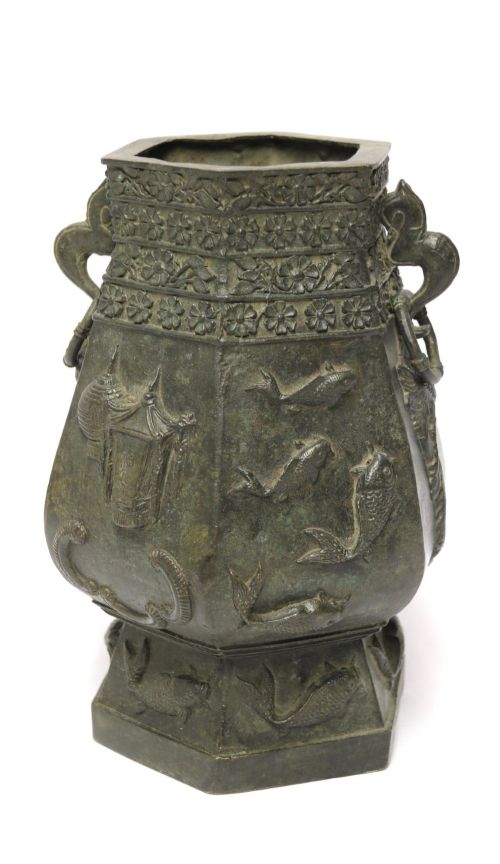
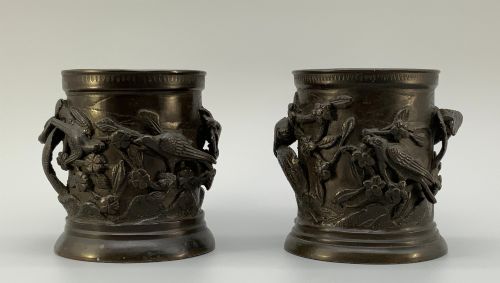
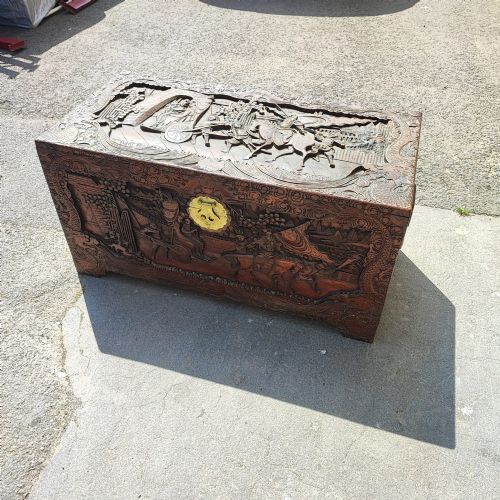
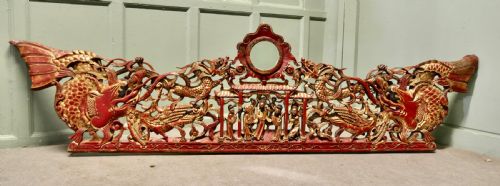
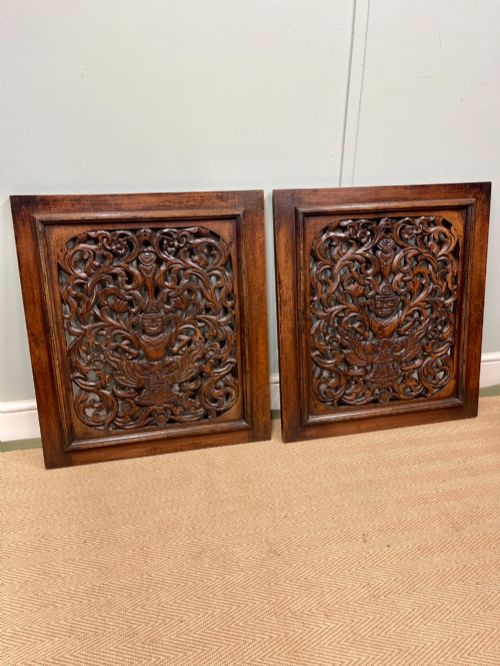
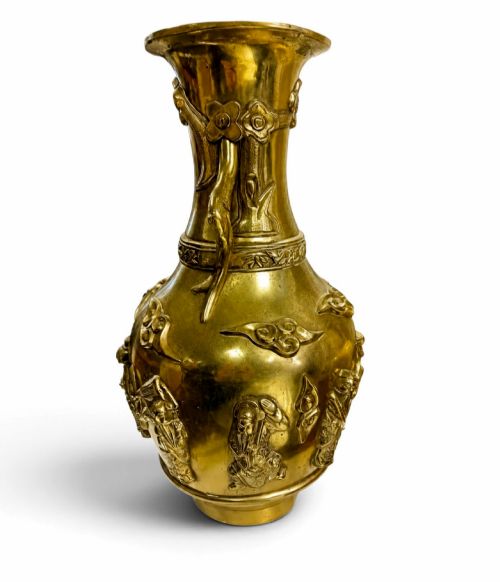
The most common forms on this page originate from the nineteenth century and the Meiji period, reflecting trade, export markets, and domestic temple arts. You will frequently find carved wooden plaques, camphor trunks, and bronze vases depicting traditional figures, animals, and foliage.
Materials and methods
Artisans produced these works using natural materials such as hardwood, camphor wood, bamboo, and soapstone, alongside cast metals like bronze, copper alloy, and iron. Woodworkers utilised chisels and gouges to carve intricate panels, while metalworkers employed lost-wax casting and high-relief chiselling to achieve crisp detail.
Surface finishes vary according to the medium, incorporating natural lacquer, polychrome pigments, and gilt highlights to accentuate the raised motifs.
Oriental Relief Carving Retail Price Guide 2026
Typical asking prices for oriental relief carving among the pieces listed under this phrase on Sellingantiques today, from the lower quarter to the upper quarter. They describe what is for sale here now, not the wider market.
Common forms include baluster vases, brush pots, storage chests, wall panels, and incense burners.
Assessing quality and execution
The distinction between ordinary and exceptional pieces lies in the crispness of the undercutting and the depth of the relief work. Master carvers achieved distinct separation between figures and backgrounds, maintaining proportion and naturalism even in complex narrative scenes.
Choice of material also dictates the standard of the object, with dense hardwoods, heavy cast bronzes, and well-preserved lacquers commanding greater appreciation for their durability and tactile presence.
Kibundo
The Oriental Relief Carving Glossary
- Meiji Period
- A term denoting the era of Japanese history from 1868 to 1912. Objects from this time often exhibit advanced metalwork and sculptural casting.
- Chinoiserie
- European artistic style reflecting Chinese motifs and techniques. It appears on decorative furniture and lacquer cabinets.
- Libation Cup
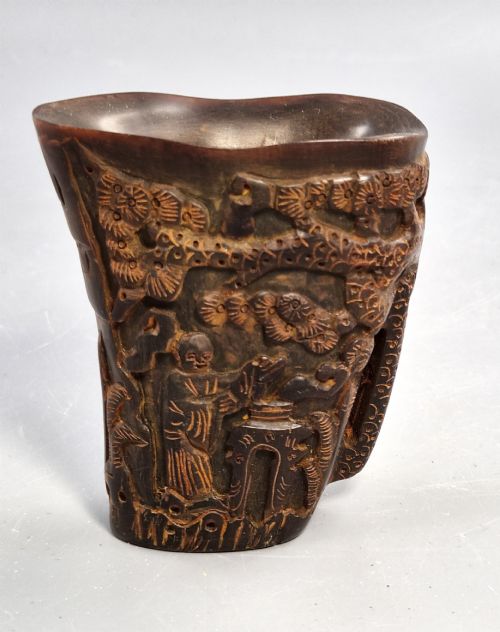
- A ceremonial vessel used for pouring liquids. These often feature detailed carvings of immortals and natural scenes.
- Jardinieres
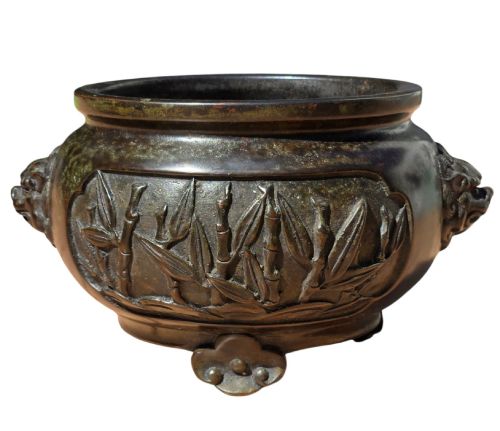
- Ornamental planters designed for holding large indoor plants. They frequently appear in cast bronze with relief panels.
- Tetsubin
- A Japanese cast-iron kettle used for boiling water. Fine examples feature textured relief designs and signatures from notable makers.
Oriental Relief Carving: Frequently Asked Questions
What is oriental relief carving?
Oriental relief carving refers to decorative art originating from Asian regions where figures, patterns, or scenes are sculpted to project outward from a solid background.
These pieces encompass functional items like chests, vases, and brush pots, as well as architectural panels intended for display.
How do I date these items?
Dating relies on stylistic markers, materials, and historical periods associated with specific dynasties or eras such as the Meiji period or nineteenth-century trade movements.
Examining tool marks, wear patterns, and casting methods provides further clues to an object's age.
Where were these pieces used?
Many items served domestic storage, scholarly pursuits, or ritual purposes within temples and affluent households.
Decorative panels and screens were integrated into interior architecture, while vessels held incense, water, or flowers.
How do I care for wooden and bronze carvings?
Wooden pieces benefit from stable humidity and occasional waxing with natural products to prevent the grain from drying out.
Bronzes require minimal intervention, needing only gentle dusting with a soft cloth to preserve their patina.