

Antique Green Table Light
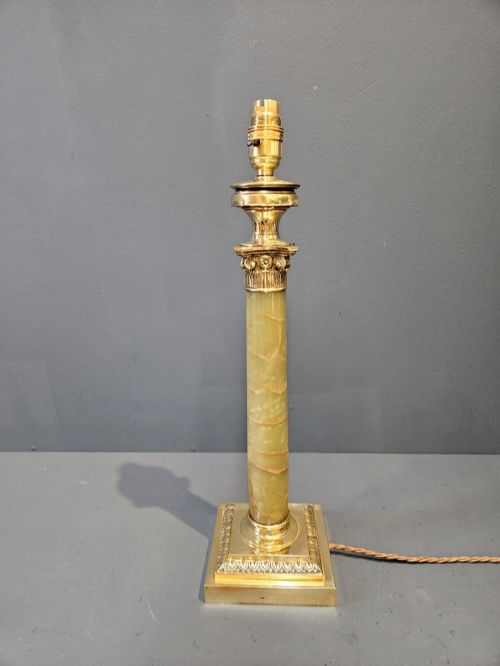
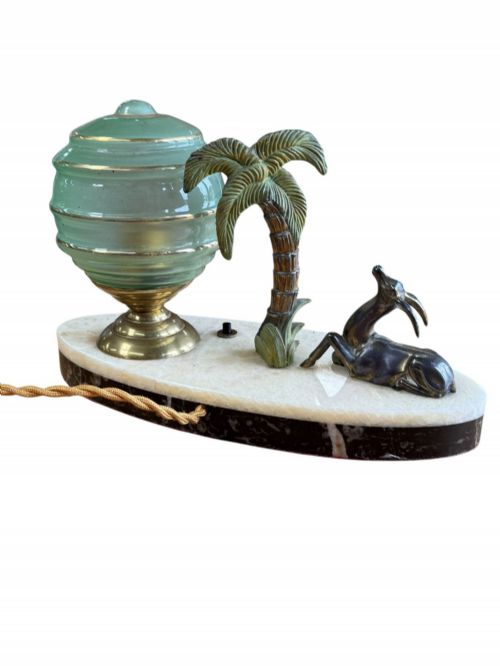
These antique green table light pieces span nineteenth-century brass columns to art deco marble bases, offering both focused task illumination and rich decorative colour.
Antique Green Table Light
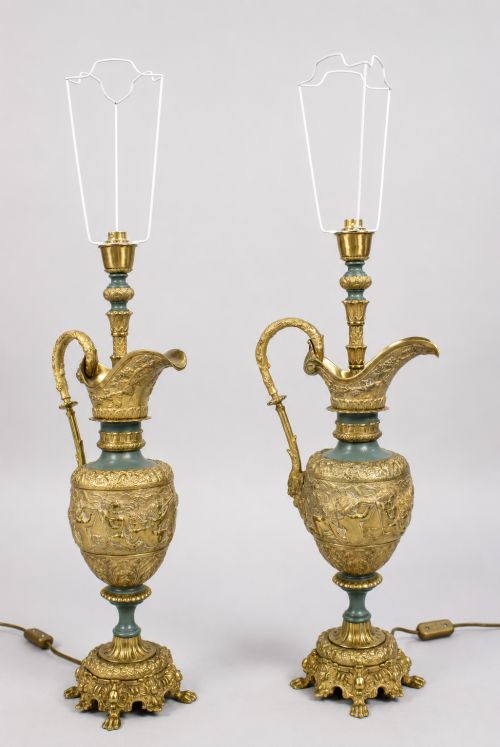
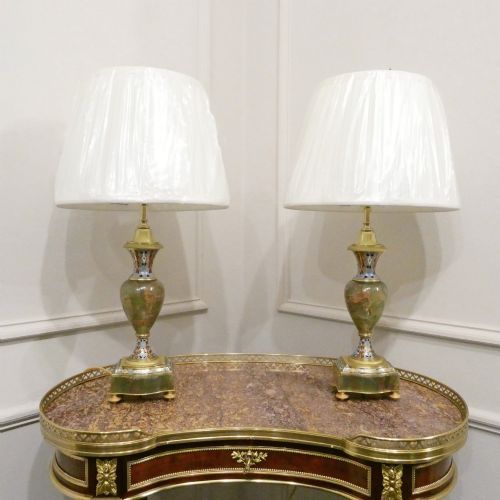
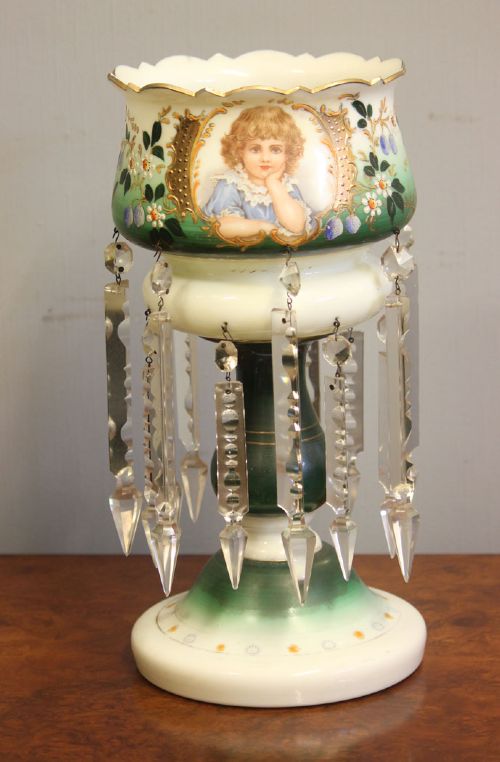
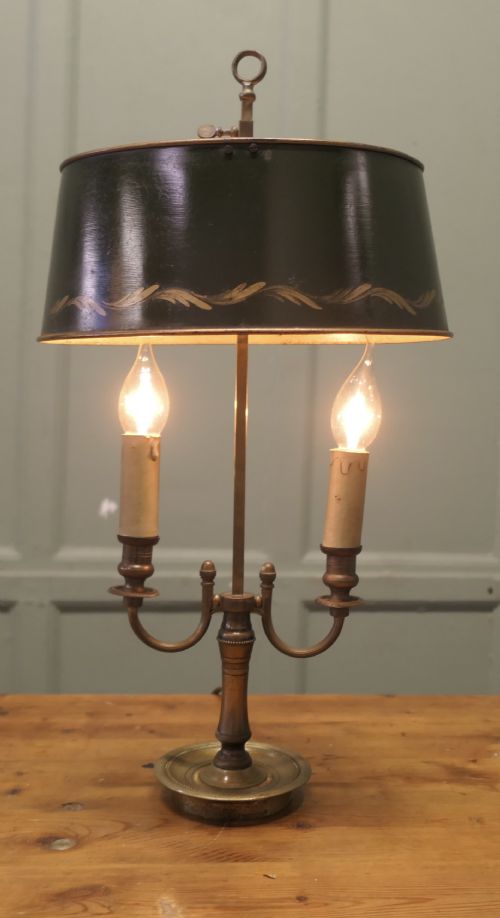
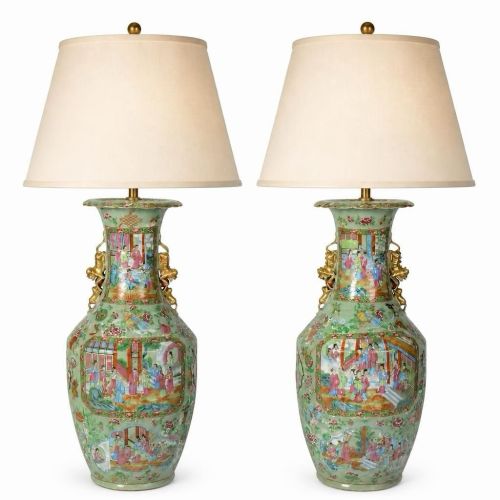
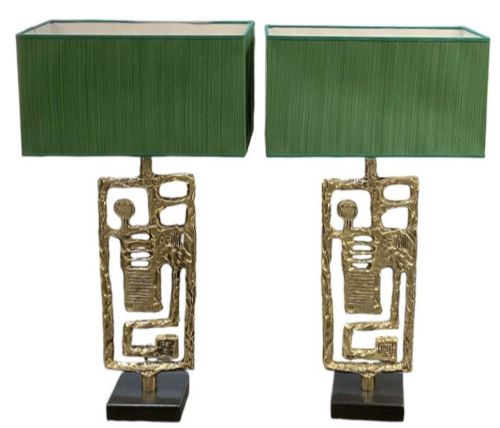
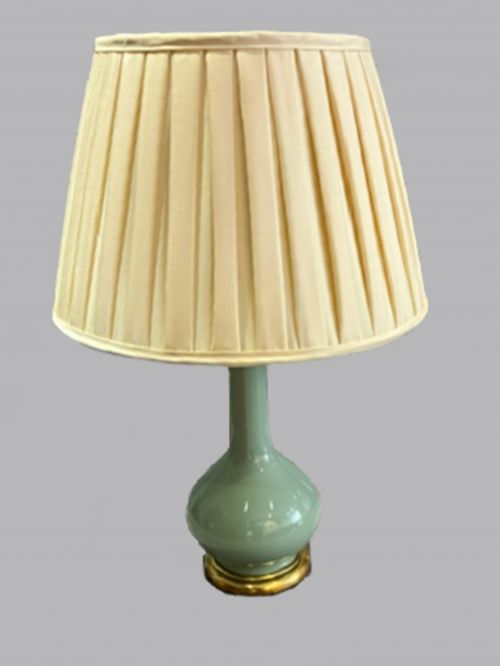
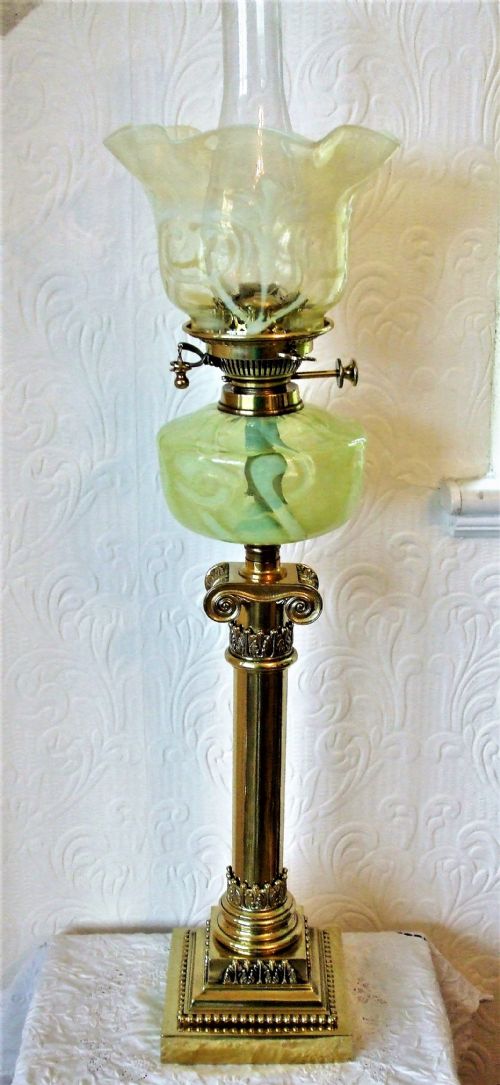
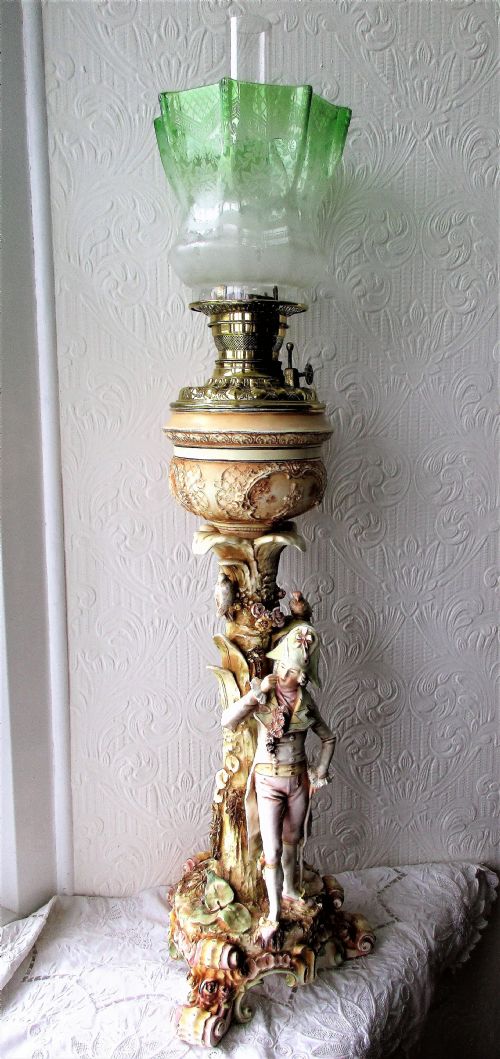
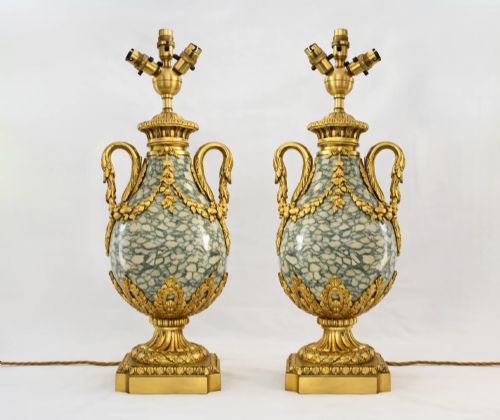
When you search for an antique green table light, you encounter diverse forms ranging from French toleware bouillotte desk lamps with twin candle arms to porcelain and bronze urns converted for domestic illumination. The selection includes Victorian oil lamps with heavy brass columns, marble bases, and contrasting fabric shades alongside twentieth-century metal desk pieces.
The materials span cast brass, patinated bronze, carved marble, and hand-painted toleware, frequently paired with glass or porcelain bodies. Many examples originate from nineteenth-century workshops in France and England, drawing upon neoclassical, art nouveau, or art deco design vocabularies.
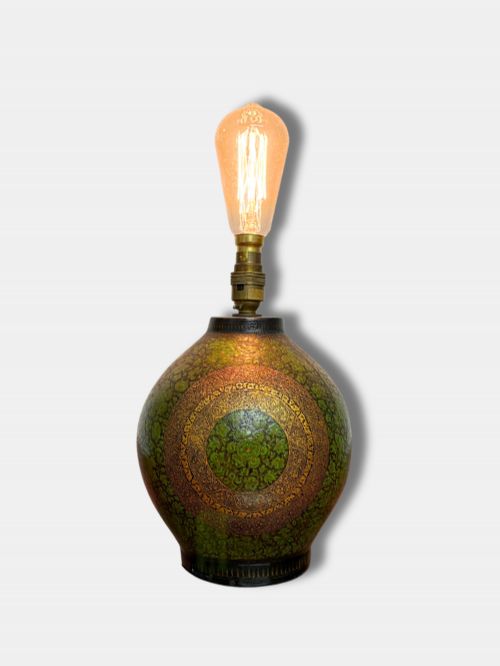
Conversions from earlier oil lamps, gas fixtures, or candlesticks form a significant portion of what appears here. These pieces retain original period burners, fonts, or ormolu mounts while incorporating modern wiring for practical household use.
Materials and construction methods
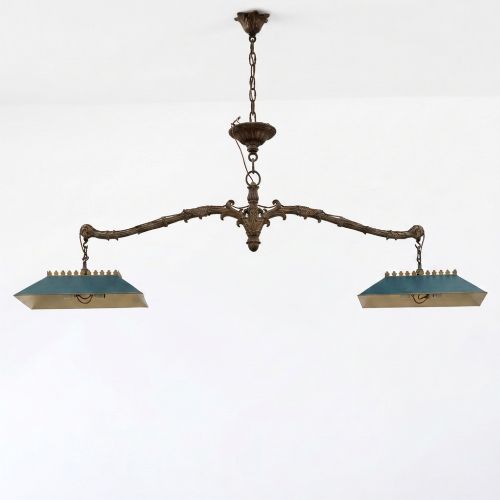
Makers utilised cast and chased brass, gilt bronze, and beaten copper to form structural columns, bases, and mounts. Toleware components consist of painted sheet metal shaped into shades and reservoirs, finished with hand-applied gilding and rich green pigments.
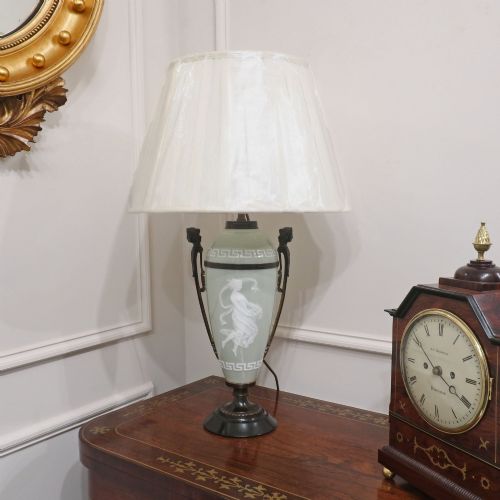
Ceramic elements include porcelain vases, celadon glazes, and pate-sur-pate porcelain panels integrated with metal fittings. Marble and onyx provide heavy, stable footings, often combined with patinated spelter or bronze figural work.
A solitary nineteenth-century fish auction bidder's number occasionally sits among the fine porcelain vases and heavy brass columns.
Distinguishing quality across the range
Superior examples demonstrate crisp chasing in the metal mounts, heavy gauge brass or bronze casting, and hand-painted detail on toleware or porcelain. Lesser pieces rely on lighter pressed metal and simpler surface finishes with minimal hand-finishing.
The integrity of conversion work affects overall merit, with professional fitting that preserves original threads, burners, and structural components rating higher than crude adaptations.
L and F Moreau·Hinks
The Antique Green Table Light Glossary
- Bouillotte lamp
- A traditional desk or table lamp featuring a central shaft, adjustable shade, and multiple candle arms. This form originated in France for use during card games.
- Toleware
- Painted and lacquered tinned sheet metal items produced extensively in Britain and France. Artisans applied deep green and gilt decorative schemes to these metal bodies.
- Ormolu
- Gilt bronze mounts cast and finished with mercury gilding to provide bright golden decorative highlights against dark bronze, marble, or porcelain.
- Pate-sur-pate
- A ceramic technique involving the application of liquid porcelain slip in successive layers to build low-relief sculptural designs upon a contrasting coloured background.
- Cassolette
- A decorative ornamental vase or urn fitted with a reversible lid, often converted into a table lamp base during the nineteenth century.
Antique Green Table Light: Frequently Asked Questions
How do I identify a converted oil lamp?
Look for the retention of original brass burners, wick adjusters, or glass fonts beneath the modern bulb holder and shade. Many nineteenth-century columns and vases were adapted for electricity while keeping their structural metalwork intact.
Examine the top fitting to see if a threaded rod runs through the centre of the antique body. Professional conversions integrate wiring through existing channels without drilling destructive new holes into fragile porcelain or marble.
How should I clean a patinated brass base?
Dust the metal gently with a soft, dry cloth to remove surface particles. Avoid chemical polishes that strip away the historical patination accumulated over generations.
If cleaning is necessary, use a damp cloth with mild soap and dry immediately. Preserving the dark, warm tones on nineteenth-century brass maintains both character and historical integrity.
Are these lamps safe for modern electrical use?
Many antique pieces have been rewired at various points in their history to meet contemporary safety standards. It is advisable to have a qualified electrician inspect older wiring before daily use.
Rewiring typically preserves the external antique components while replacing internal cords and lamp holders. This ensures safe operation without altering the visible historical appearance of the piece.