



Green Brass Desk Lamp
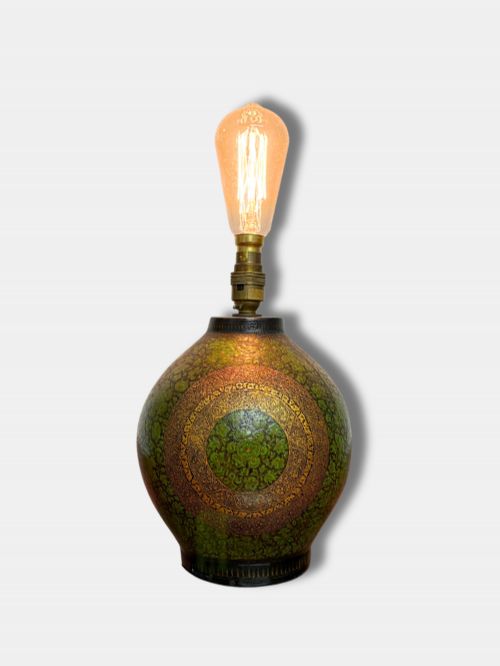
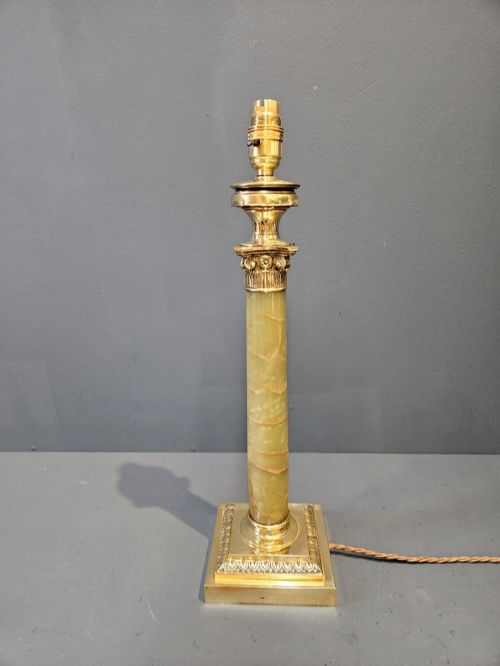
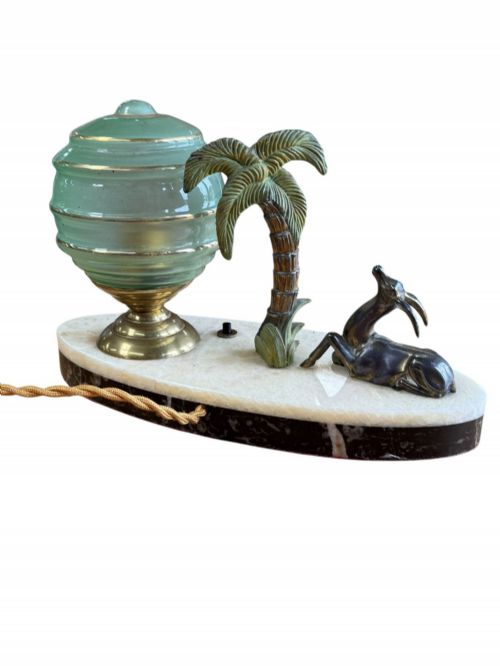
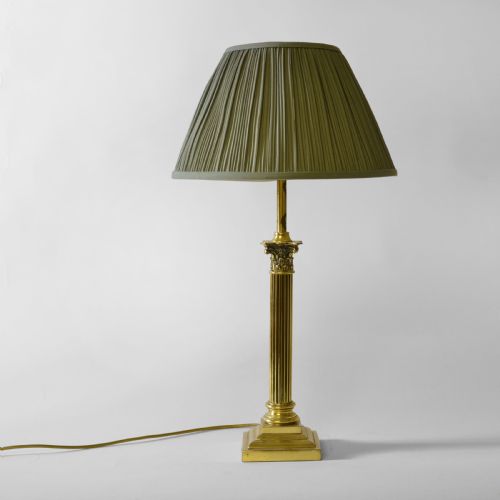
These green brass desk lamp examples bring functional warmth and focused light to a study, drawing on Victorian and early twentieth-century designs.
Green Brass Desk Lamp
When you search for a green brass desk lamp, you encounter items designed for focused workspace illumination, often taking the form of traditional bouillotte lamps or adjustable banker styles. These pieces combine metal frames with distinct green shades, emerging from periods such as the Victorian era, the Edwardian years, and the 1920s.
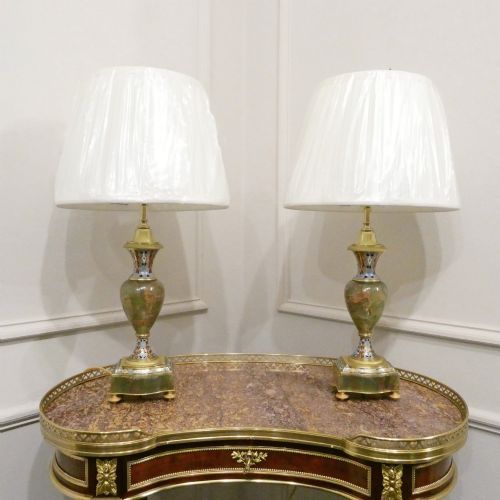
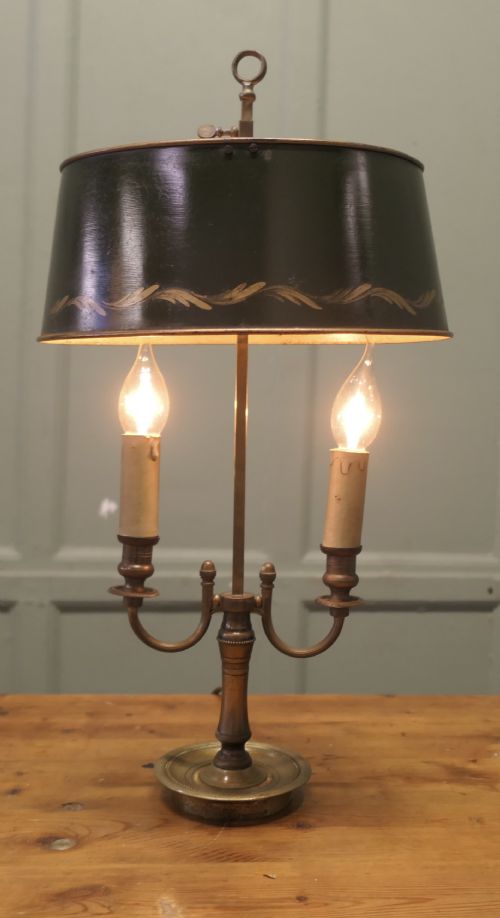
The selections on this page lean heavily towards French toleware bouillotte lamps featuring green painted metal shades alongside polished brass columns. You also find classic green glass shades paired with heavy brass bases, reflecting the practical lighting needs of past offices and libraries.
How they were made
Makers built these lamps using solid brass castings, spun brass components, and hand-formed metal toleware treated with green paint or lacquer. Marble and onyx frequently serve as heavy base materials, providing stability beneath tall metal columns and adjustable arms.
Shades arrive in blown green glass, cased opaline glass, or painted sheet metal, often paired with brass fittings fixed by screws or gallery rings. Wiring configurations range from original silk-covered cords to modern rewiring undertaken to meet current safety standards.
Listings feature brass, bronze, marble, onyx, and toleware across Victorian, Edwardian, and 1920s periods.
What varies in quality
The distinction between standard production and superior work rests on the weight of the brass castings, the depth of the metal patina, and the execution of hand-painted details on toleware shades. Heavier gauge brass and genuine marble or onyx bases indicate a higher grade of manufacture than light stamped metal alternatives.
Subtleties in proportion and the crispness of classical motifs, such as Corinthian column fluting or cast brass acanthus leaves, set finer examples apart. Original components, intact shade galleries, and well-preserved painted surfaces carry more weight among collectors than replaced elements.
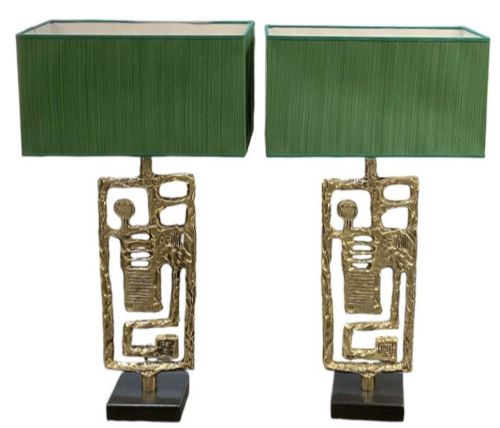
Angelo Brotto for Esperia·L & F Moreau·M Pillischer of London
The Green Brass Desk Lamp Glossary
- Bouillotte lamp
- A traditional French desk or table lamp featuring a central standard, multiple candle arms or light sockets, and an adjustable painted metal shade. It originates from an eighteenth-century card game of the same name.
- Toleware
- Painted or lacquered sheet metal items, frequently finished in dark green or black with gilt highlights. This technique gives lamp shades a durable, glossy surface that directs light downward.
- Opaline glass
- A type of semi-translucent glass, often found in green shades designed to diffuse light softly without harsh glare. It gained popularity during the Victorian and Edwardian periods.
- Corinthian column
- A classical architectural style adapted for lamp standards, featuring elaborate capitals decorated with acanthus leaves. This form appears frequently on heavy brass desk and table lamps from the nineteenth century.
- Onyx
- A banded variety of chalcedony or calcite used extensively for heavy decorative lamp bases during the late nineteenth and early twentieth centuries. It adds natural colour variation and substantial weight to the fixture.
Green Brass Desk Lamp: Frequently Asked Questions
What is a bouillotte lamp?
A bouillotte lamp is a specific lighting form featuring a central column, two or more candle arms or bulb sockets, and an adjustable painted metal shade. The shade slides up and down on a vertical rod to control the spread of light over a desk or table.
These pieces typically utilise green toleware shades paired with brass bases, originating from French domestic and study interiors during the nineteenth and early twentieth centuries.
Are these lamps safe to use today?
Many older lamps require rewiring to comply with modern electrical standards, and numerous pieces in circulation have already been updated with contemporary flex and plugs. It remains sensible to have a qualified electrician check antique wiring before daily use.
Original brass and metal components usually remain structurally sound, but old insulation can degrade over decades and benefits from professional replacement.
How do I date a brass desk lamp?
Dating relies on manufacturing techniques, material combinations, and stylistic clues such as column capitals or shade shapes. Victorian and Edwardian examples often feature heavy sand-cast brass, while 1920s versions introduce sleek onyx bases and simpler art deco lines.
Examining the construction of screws, switches, and shade mounts provides additional confirmation of the period during which the lamp was produced.
What materials make up these shades?
Shades on these lamps generally consist of either painted metal toleware or cased opaline and green glass. Toleware shades use sheet metal finished with dark green paint and gold leaf accents, designed to direct illumination strictly downward onto a workspace.
Glass shades diffuse the light more broadly, casting a softer glow through translucent green surfaces while retaining the traditional colour scheme associated with classic bankers and library lamps.