
Antique Green Side Table
An antique green side table brings painted charm and functional surface area to a room, drawing on centuries of period craftsmanship.
Antique Green Side Table
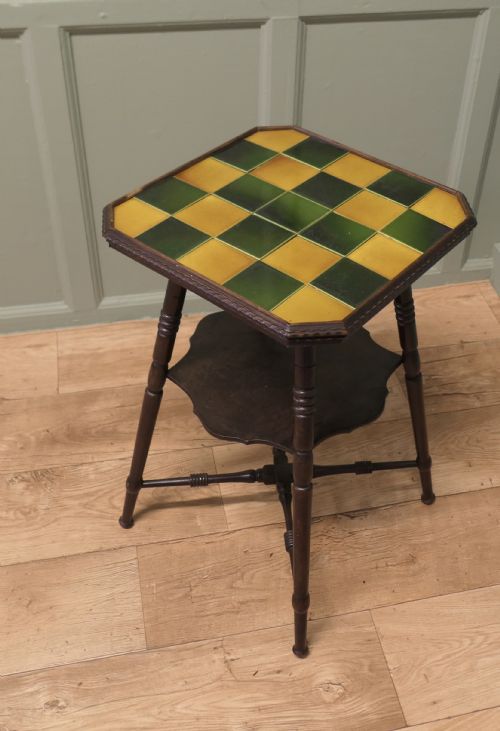
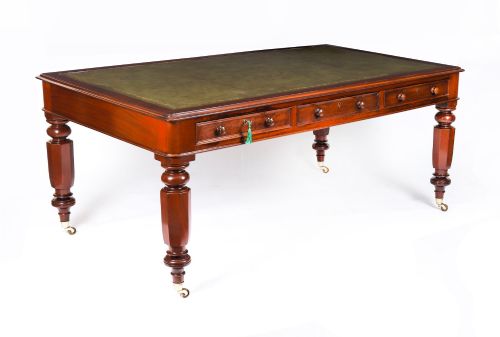
When searching for an antique green side table, buyers encounter a variety of forms ranging from compact occasional tables to console tables and bedside cabinets. These pieces often feature painted finishes or marble tops, appearing frequently in Victorian, Georgian, and Regency periods.
The selection includes specific regional interpretations such as Dutch and French provincial designs alongside English oak and mahogany structures. Such tables serve as versatile accents within domestic spaces, providing both display surfaces and storage compartments.
How these tables were constructed
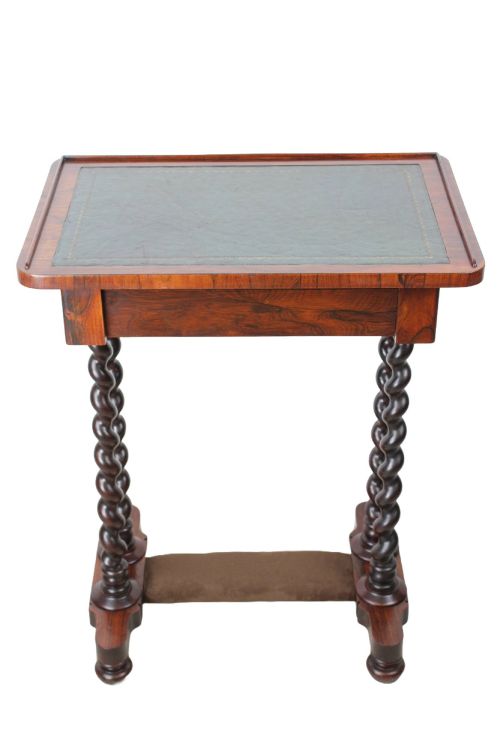
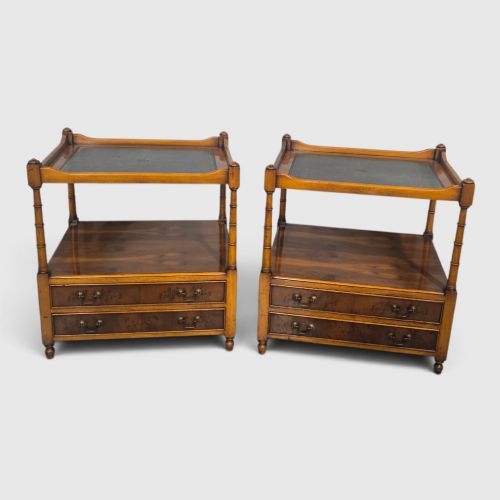
Cabinetmakers utilised hardwoods such as oak, mahogany, and rosewood for the primary frames, frequently incorporating brass mounts and leather inserts. Structural integrity relied on traditional joinery techniques suited to each specific period.
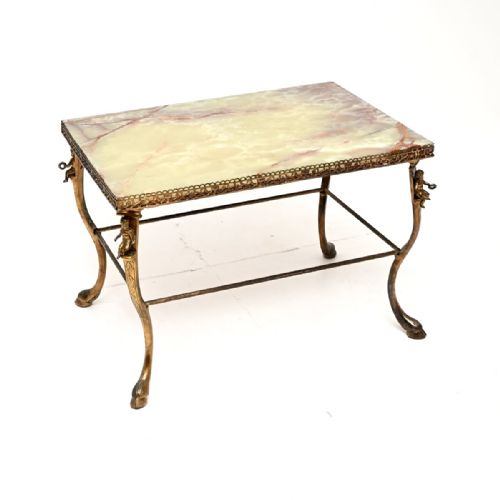
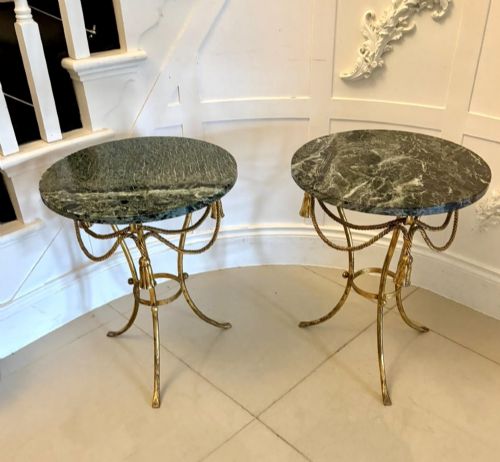
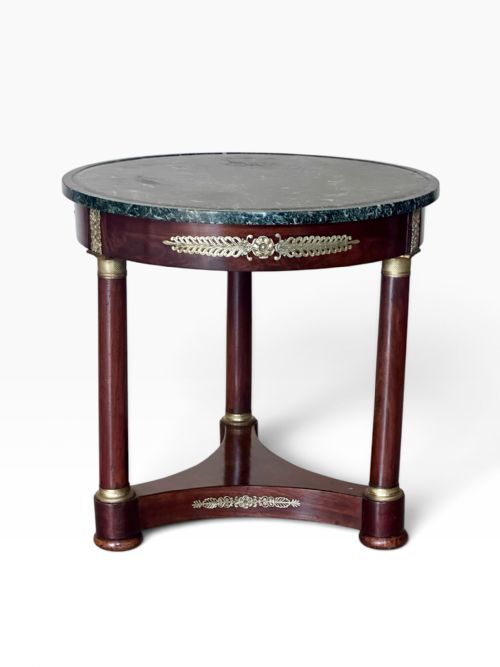
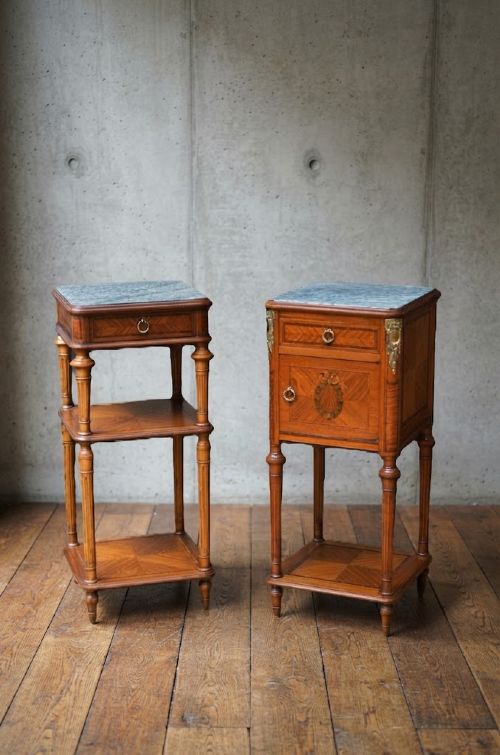
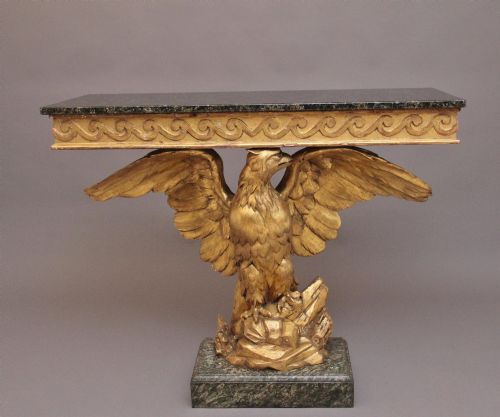
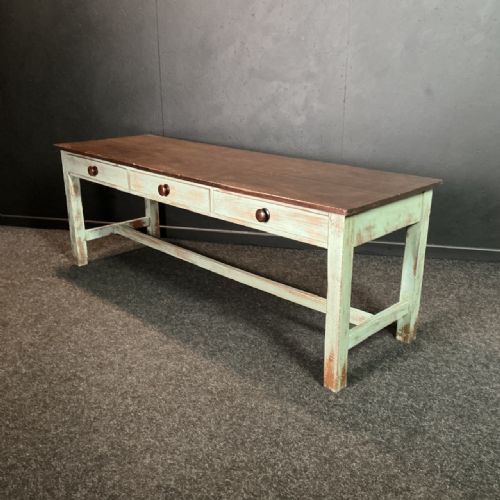
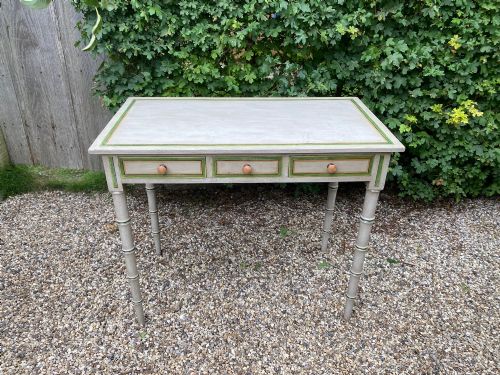
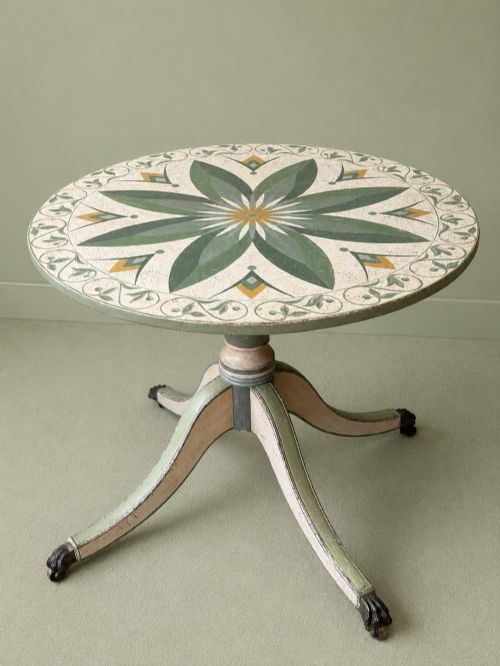
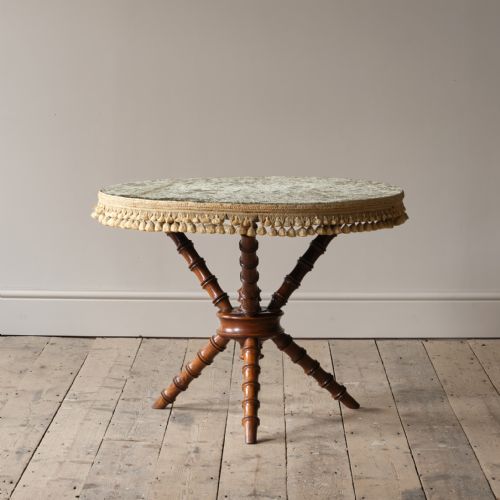
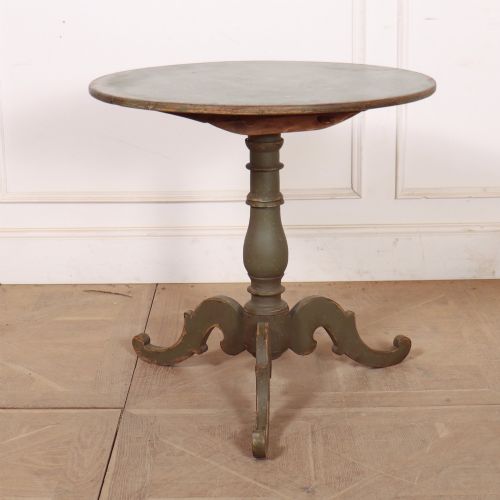
Painted finishes, including simulated bamboo effects and distressed mottled green surfaces, were applied directly to wood substrates. Marble tops, particularly verde varieties, were fitted onto console and lamp tables to create durable, water-resistant surfaces.
Design influences across the selection range from French Empire and Dutch provincial to classic English Georgian and Victorian aesthetics.
What separates exceptional examples from ordinary ones
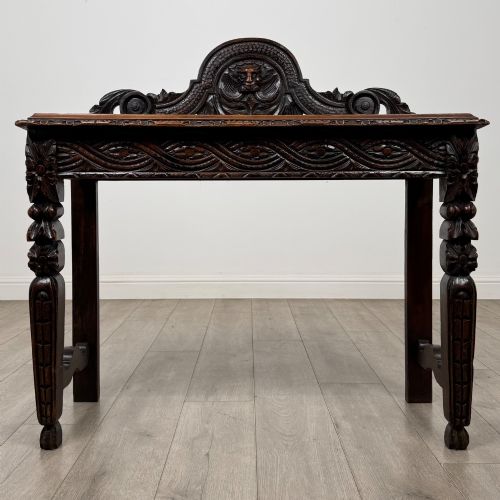
The distinction between tiers of quality rests on the integrity of the original painted surface and the precision of carved details such as Green Man motifs. Superior items retain their original patination and uncompromised structural frames.
Material selection dictates much of the distinction, where solid marbles and fine timbers like satinwood or rosewood elevate a piece above standard softwood or secondary wood constructions.
Shapland & Petter
The Antique Green Side Table Glossary
- Verde marble
- A dark green ornamental stone often featuring white veining. It appears frequently on the tops of Italian and French console and lamp tables.
- Simulated bamboo
- A decorative technique where wood is carved or painted to imitate natural bamboo stalks. This style gained popularity during the nineteenth century.
- Console table
- A table designed to be fixed against a wall, frequently supported by front legs or brackets. These pieces often feature elaborate carving or marble surfaces.
- Pembroke table
- A small rectangular table featuring two hinged drop leaves on the sides. They often include a single drawer and slender legs.
Antique Green Side Table: Frequently Asked Questions
How do I identify a painted green finish from different periods?
Older painted surfaces display natural craquelure, subtle fading, and wear patterns consistent with age and use. Pigments and binders vary between Georgian formulations and later Victorian applications.
Examination under magnification helps reveal underlying wood preparation layers and brushwork characteristics typical of specific historical workshops.
Where were side tables placed in historic homes?
These versatile pieces functioned primarily in hallways, reception rooms, and drawing rooms as convenient surfaces for lamps or decorative objects. Console variants stood against walls, while smaller occasional tables moved easily about the room.
Bedside cabinets served private quarters, holding water jugs, books, and chamber accessories within enclosed cupboards or drawers.
What maintenance do marble-topped tables require?
Marble surfaces benefit from regular dusting with a soft, dry cloth and prompt cleaning of liquid spills to prevent staining. Acidic substances like citrus juice or alcohol can etch polished stone.
Applying a neutral stone wax periodically helps protect the polish without building up a heavy, dull residue over time.
How do I distinguish Regency from Victorian styles?
Regency pieces lean towards classical restraint, drawing inspiration from ancient Roman and Greek designs with clean lines and exotic veneers like rosewood. Victorian furniture often exhibits heavier proportions, elaborate carving, and more exuberant ornamentation.
Examining internal drawer construction and secondary woods provides further clues to dating a piece accurately.