




Antique Green Cabinet Plate
An antique green cabinet plate brings bold colour and botanical or armorial hand-painting to a wall display or table setting.
Antique Green Cabinet Plate
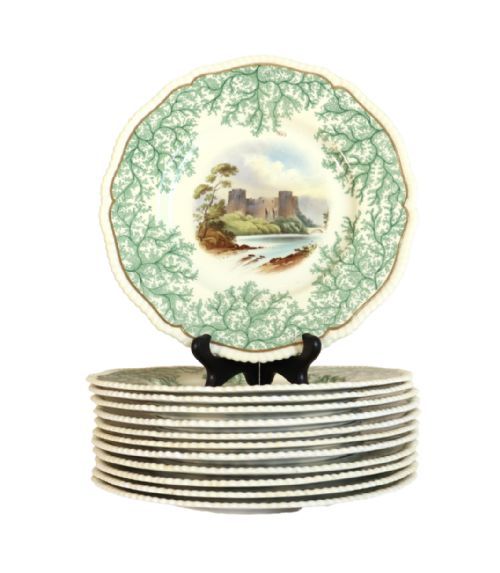
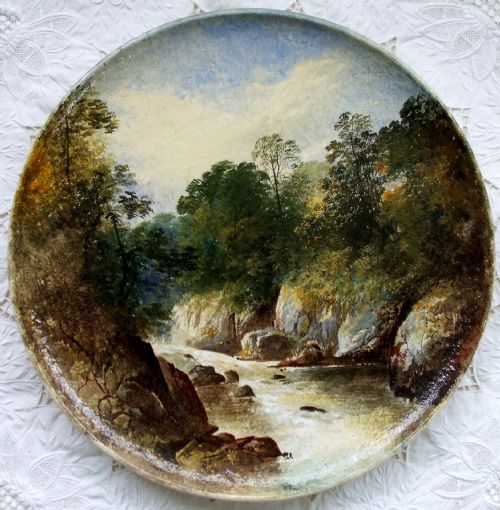
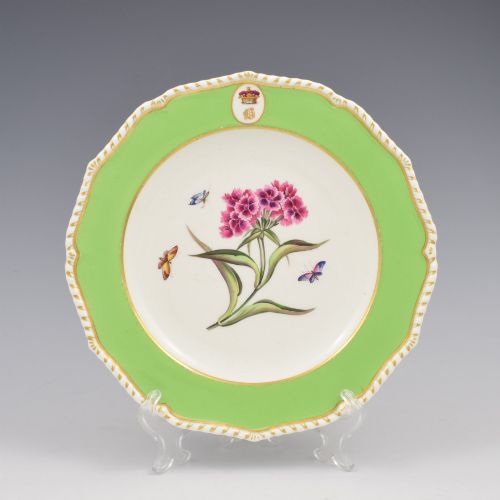
When you search for an antique green cabinet plate, you encounter decorative porcelain and earthenware pieces created primarily for display rather than daily dining. These plates survive from the eighteenth, nineteenth, and early twentieth centuries, featuring rich green grounds paired with botanical studies, armorial crests, and landscape scenes.
The selection on this page centres on British factories from the Georgian and Victorian eras, alongside later pieces from the early twentieth century. Alongside standard cabinet plates and dessert plates, you will find related decorative dishes and painted pottery plaques sharing the characteristic green palette.
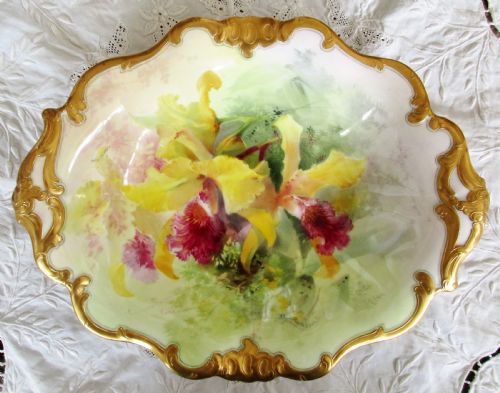
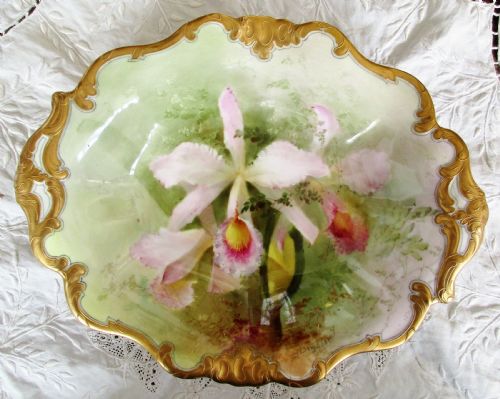
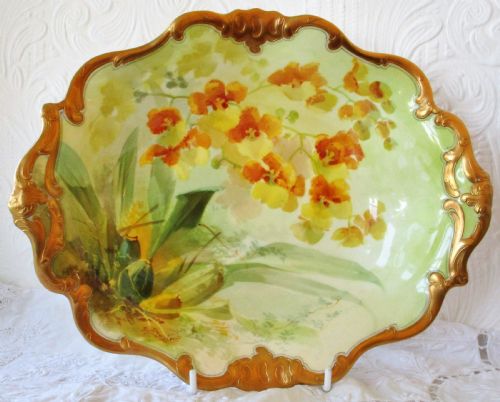
Makers focused their finest painting on these display items, utilising contrasting borders of seaweed, gold leaf, and gilt to frame central motifs of orchids, roses, and alpine views. Each piece represents a specific manufacturing period, shifting from eighteenth-century hand-painted Worcester porcelain to late nineteenth-century Copeland and Royal Doulton works.
Materials and production methods
Potters utilised fine porcelain, bone china, and earthenware bodies as the foundation for these plates, shaping them on wheels or pressing them into moulds. Artisans then applied coloured enamel grounds, notably deep apple green and rich cobalt-contrasting hues, before firing the pieces in kilns to fix the pigments.
Decoration relied heavily on meticulous hand-painting by named artists who rendered botanical specimens, birds, and Welsh landscapes directly onto the glazed surface. Gilders completed the work by hand-applying gold leaf and gilt highlights to rims and borders, followed by a final low-temperature kiln firing.
The listings combine nineteenth-century porcelain plates with eighteenth-century Worcester wares, featuring prominent green enamel grounds and hand-painted botanical studies.
Distinctions in quality and execution
The division between standard production and top-tier execution rests entirely on the skill of the artist and the crispness of the porcelain moulding. Superior plates display finely detailed botanical paintings signed by recognised painters rather than generic factory decoration, coupled with heavy, unrubbed gold leaf gilt work.
Body thickness and translucency also dictate quality, with finer bone china and early porcelain bodies exhibiting superior whiteness and delicate weight. The precision of the green ground colour application - avoiding pooling or brush streaks - separates masterworks from simpler provincial wares.
Spode·Royal Doulton·Copeland Pottery·Bloor Derby·Minton·Worcester·Coalport·Rockingham·Royal Crown Derby
The Antique Green Cabinet Plate Glossary
- Cabinet plate
- A decorative ceramic plate intended for display in a cabinet or on a wall rather than for practical table use. These typically feature superior hand-painted designs and rich gilding.
- Armorial
- A ceramic design incorporating a coat of arms or heraldic crest belonging to a titled family. Plates featuring these were often commissioned as part of large bespoke dinner services.
- Bone china
- A type of soft-paste porcelain containing bone ash, developed in Britain to provide increased strength and a bright white body. It allows for thinner, more translucent cabinet pieces.
- Gilt
- A thin layer of gold applied to the ceramic surface as a decorative accent along rims and borders. The quality depends on the thickness and burnishing of the gold leaf.
- Enamel
- Opaque vitreous paint fused to the glazed ceramic surface during firing to create vibrant, permanent colours. Green enamel grounds provide the defining backdrop for this category.
Antique Green Cabinet Plate: Frequently Asked Questions
How were cabinet plates displayed?
Historically, wealthy households displayed these plates in glazed wooden cabinets, on sideboards, or mounted directly onto walls using specialised wire hangers. They served as conversation pieces rather than functional tableware.
Today, collectors use similar methods to protect the delicate hand-painted surfaces and heavy gilding from accidental chips or kitchen wear.
Can I use these plates for food?
Using antique cabinet plates for serving food is generally discouraged due to the fragility of nineteenth-century ceramic bodies and the presence of historical lead-based glazes. Over time, cutlery can scratch the soft enamel and delicate hand-painted details.
Instead, these pieces are best preserved for visual appreciation in display settings where their artistic merit remains protected.
How do I date a green cabinet plate?
Dating relies primarily on factory backstamps, impressed marks, and painted pattern numbers found on the reverse of the ceramic. Stylistic clues such as the shade of green, border design, and the presence of artist signatures also point toward specific decades.
Comparing the paste weight and gilding style against documented factory periods helps narrow the production window.
Why are some plates signed?
Leading factories employed specialised freelance or staff artists to paint their finest display pieces, and these master painters frequently signed their work on the front or verso. Signatures indicate a higher tier of artistic quality and individual craftsmanship.
Unsigned plates typically reflect standard factory production where multiple hands contributed to the decoration without individual attribution.