


Antique Graphite Portrait
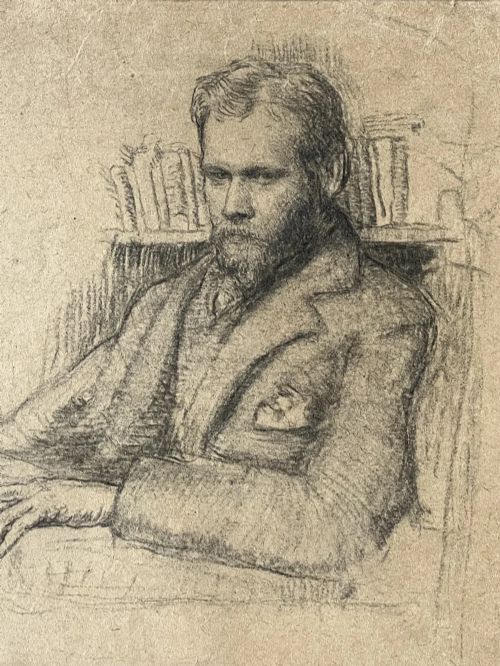
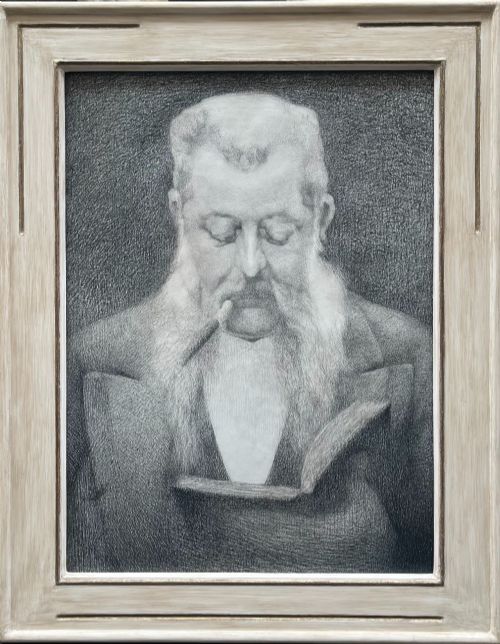
An antique graphite portrait captures a remarkably intimate likeness through delicate hand-drawn lines on paper.
Antique Graphite Portrait
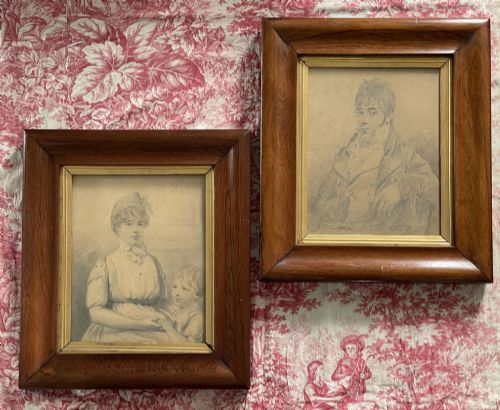
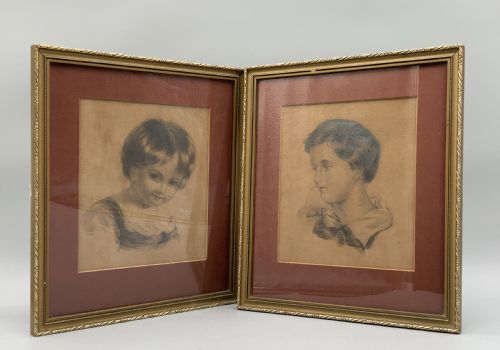
The selections available here range from intimate plumbago miniatures of the seventeen-seventies to atmospheric French chalk and graphite drawings from eighteen seventy. Works frequently take the form of original framed drawings, pencil sketches of children and gentlemen, or detailed studies created in the manner of established academic schools.
Materials and Techniques
Artists utilised fine graphite, pencil, and charcoal applied directly to paper supports to build tone and contour. Plumbago drawings employed purified native graphite, creating a distinct metallic sheen characteristic of eighteenth-century portraiture.
Framed presentation often incorporated wood, glass, and occasional touches of gold leaf or gilt to protect the delicate paper surfaces. Many works combined graphite with chalk, ink, or watercolour to enhance depth and expression.
Distinctions in Quality
Quality rests upon the draughtsmanship and the artist's ability to capture the sitter's psychological presence with economy of line. Finer examples demonstrate absolute control over tonal gradation, delicate shading, and anatomical accuracy.
The sophistication of the framing and the preservation of the paper support further separate standard sketches from exceptional works of art. Clear provenance and attribution to documented practitioners elevate the standing of individual pieces.
John Taylor·James Ferguson·Ozias Humphry·Henri Josephe Hesse
The Antique Graphite Portrait Glossary
- Plumbago
- An early form of graphite used for detailed miniature drawings, named after the Latin for lead ore. These works are typically monochrome and highly refined.
- Symbolist School
- An artistic movement focusing on ideas, emotion, and inner experience rather than literal representation. Works from this tradition often possess a moody, contemplative atmosphere.
- Academic Realism
- A style governed by the strict rules of European art academies, prioritising accurate anatomy and polished technique. Drawings in this manner show rigorous adherence to classical training.
- Gilt
- A thin layer of gold applied to wood or metal frames to provide a decorative surface. This finish protects the perimeter while complementing the monochrome tones of the drawing.
Antique Graphite Portrait: Frequently Asked Questions
What is a plumbago portrait?
A plumbago portrait is a detailed drawing executed in graphite, popular during the eighteenth century. These works are prized for their miniature scale and precise linework.
Makers ground the graphite into a fine medium to achieve smooth, silvery tones that resemble metalpoint.
How should I frame antique paper art?
Antique drawings require conservation-grade framing to protect fragile paper and graphite from environmental damage. Acid-free mounts and UV-filtered glass prevent fading and deterioration over time.
Keep framed works away from direct sunlight and damp conditions to preserve the integrity of the paper.
How do I identify a Regency portrait?
Regency portraits often feature sitters dressed in distinct early nineteenth-century fashions, characterised by neoclassical styling and specific hairstyles. The drawing techniques from this period emphasise clean, crisp lines.
Compare the costume and hair of the sitter against established portraiture timelines from the era.