


Antique Grand Tour Art
Antique grand tour art gathers paintings, watercolours, and plaster casts brought home by travellers from classical sites in Italy.
Antique Grand Tour Art
Antique grand tour art encompasses works created for travellers journeying through Europe, particularly Italy, during the eighteenth and nineteenth centuries. These pieces serve as physical mementoes of classical ruins, Italian landscapes, and famous sculptures encountered along the way.
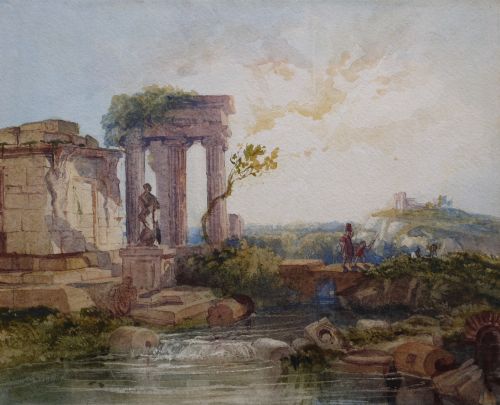
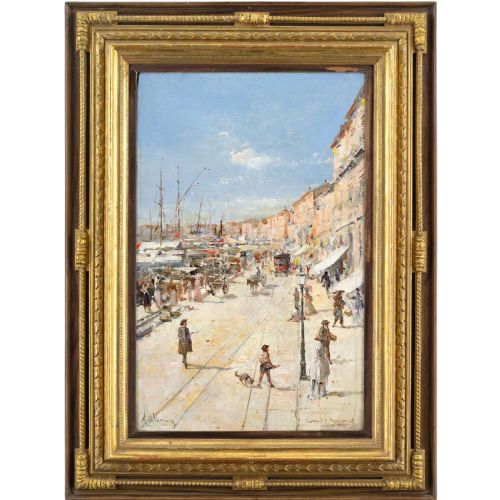
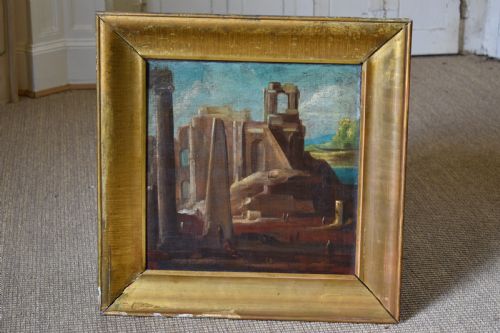
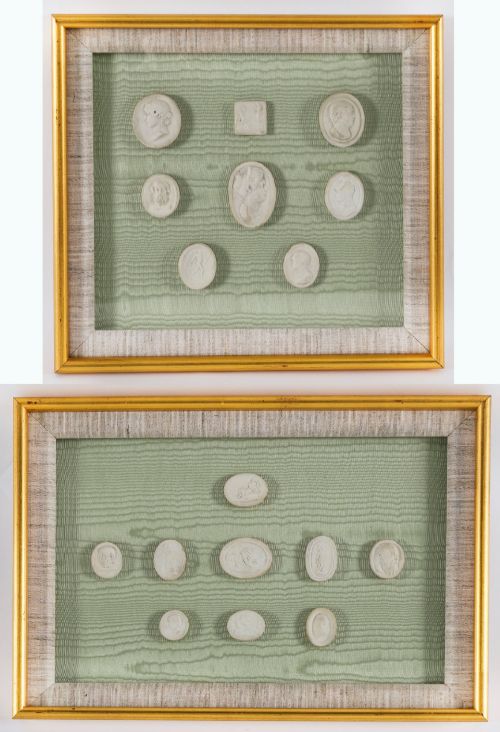
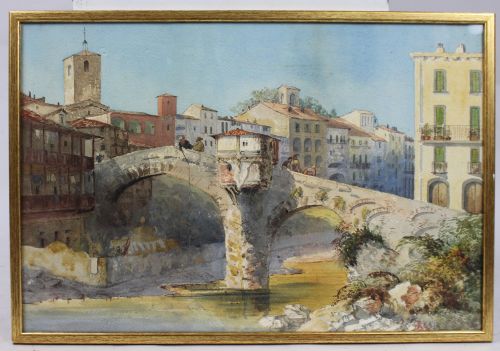
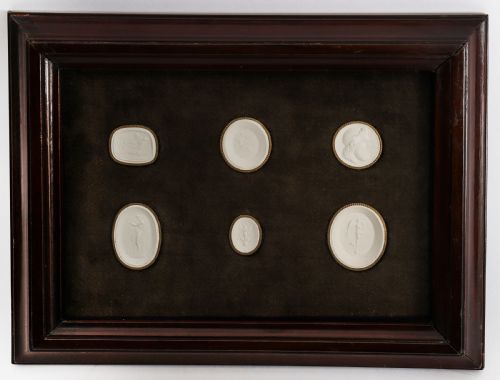
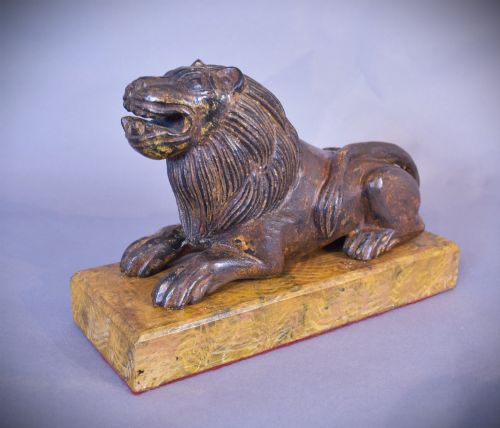
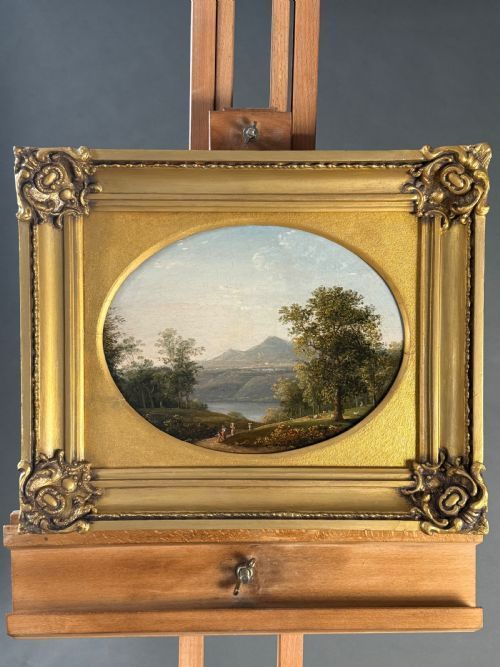
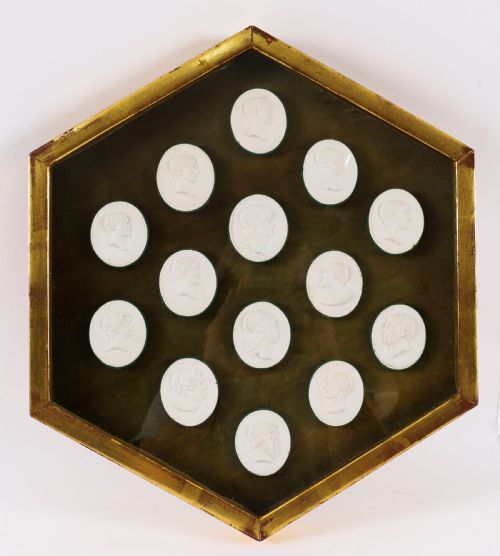
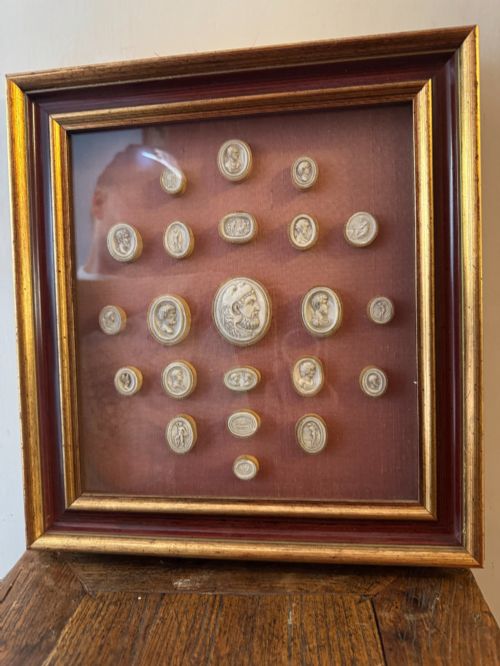
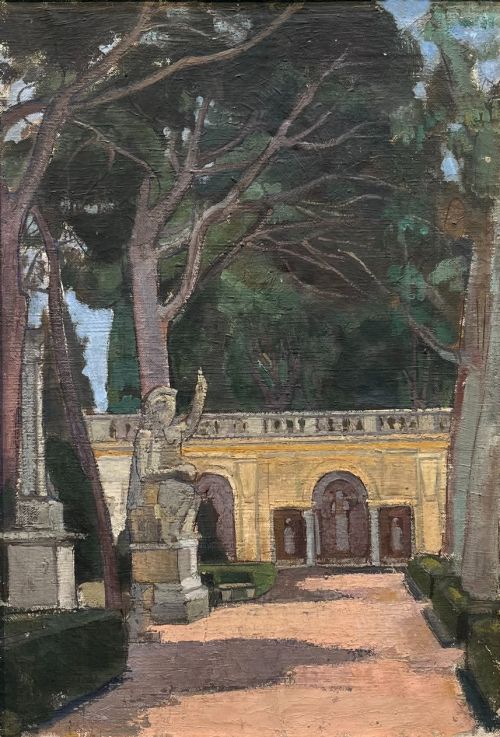
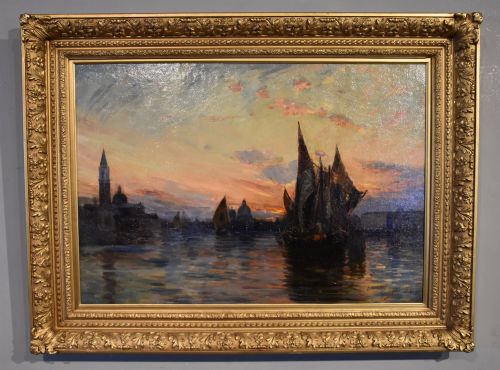
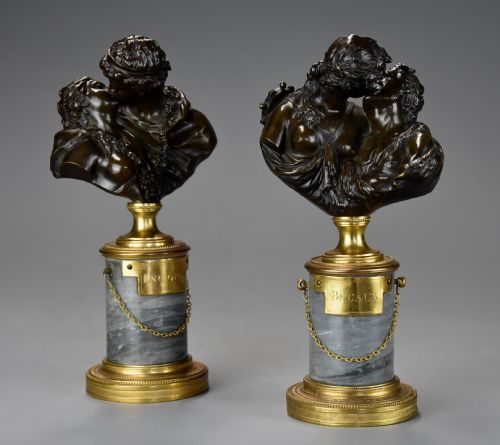
Watercolours and oil paintings depicting picturesque views of Rome, Venice, and Tivoli form a large portion of the available selection. Alongside these painted scenes, collectors encounter framed collections of intaglios, plaster casts, and bronze figures modelled after classical antiquities.
The objects reflect a neoclassical taste that dominated elite education and travel culture for generations. Pieces range from intimate framed cameos to larger canvases capturing the romantic atmosphere of Mediterranean landscapes.
How they were made
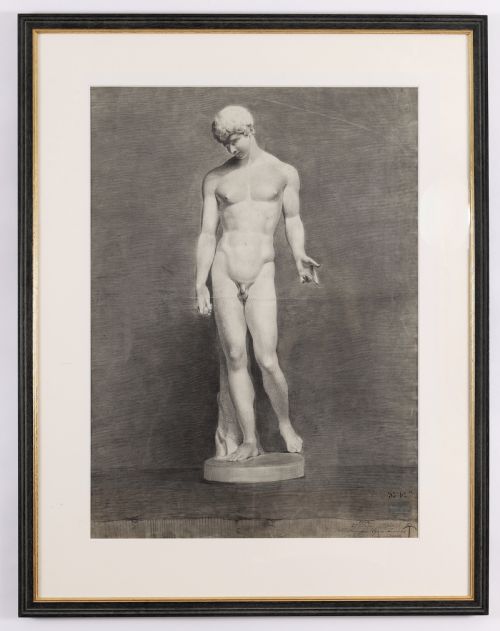
Makers utilised traditional artistic mediums such as oil on canvas, watercolour on paper, and ink or red chalk for preparatory drawings. Sculptural elements and intaglios were formed from plaster, gypsum, marble dust, terracotta, and bronze, often casting directly from ancient or Renaissance originals.
Framing plays a vital role in the presentation of these works, frequently employing giltwood, ebonised timber, and specialised specialist mounts to house collections of small reliefs. Porphyry, specimen marble, and pietra dura appear in decorative objects, showcasing precise stonemasonry techniques.
Listings feature works spanning the seventeenth to the twentieth century, executed in oil, watercolour, plaster, and bronze.
What varies in quality
The finesse of the handwork distinguishes commercial souvenirs from exceptional studio productions. Intaglios cast with crisp detail and mounted in orderly sequences demonstrate a higher tier of craftsmanship than rushed, softer impressions.
In paintings and watercolours, the dexterity of the brushwork and the accuracy of architectural perspective separate skilled interpretations from standard topographical records. Original matching frames and documented provenance further elevate the standing of individual pieces.
Richard Principal Leitch·Augusto Alberici·Jacob Philipp Hackert·Thomas Hodgson Liddell·Jean Antoine Houdon·Giovanni Liberotti·Simon Francois Ravenet·Bartolomeo Paoletti
The Antique Grand Tour Art Glossary
- Intaglio
- A gem, gemstone, or plaster cast carved or moulded with a depressed design. These are commonly assembled in sets within custom boxes or frames.
- Pietra dura
- An artistic technique using cut and fitted polished coloured stones to create mosaic images. It appears frequently in decorative Italian tabletop items and plaques.
- Neoclassical
- A style originating in the mid-eighteenth century inspired by the classical art and culture of ancient Greece and Rome. It guides the aesthetic of most grand tour works.
- Micromosaic
- A meticulous mosaic method using tiny glass tesserae to produce detailed pictorial plaques. They often depict famous views or motifs like doves.
- Terracotta
- Fired clay used for sculptural models and figures. The material allows for warm tones and fine tactile detail in small-scale statuary.
Antique Grand Tour Art: Frequently Asked Questions
What is antique grand tour art?
Antique grand tour art consists of paintings, watercolours, prints, and sculptural casts acquired by wealthy travellers during their educational journeys across Europe.
These pieces were collected as physical records of classical antiquity, Renaissance masterpieces, and Mediterranean landscapes.
How were intaglios used?
Intaglios served as miniature studies of famous classical gems, sculptures, and architectural reliefs found in Italian museums and excavations.
Travellers mounted these plaster, glass, or stone casts in custom frames or leather-bound boxes to study and display at home.
Where were these pieces made?
Most works were produced in major Italian artistic centres such as Rome, Florence, Naples, and Venice to cater directly to visiting foreign tourists.
Local studios and workshops specialised in creating portable watercolours, bronze reductions, and plaster casts suited for long journeys.
How do I style these pieces at home?
Framed intaglio collections and architectural prints suit studies, libraries, and hallways where guests can examine them up close.
Pairing smaller bronzes or marble plaques with antique books creates an authentic atmosphere reflective of historic collector cabinets.