



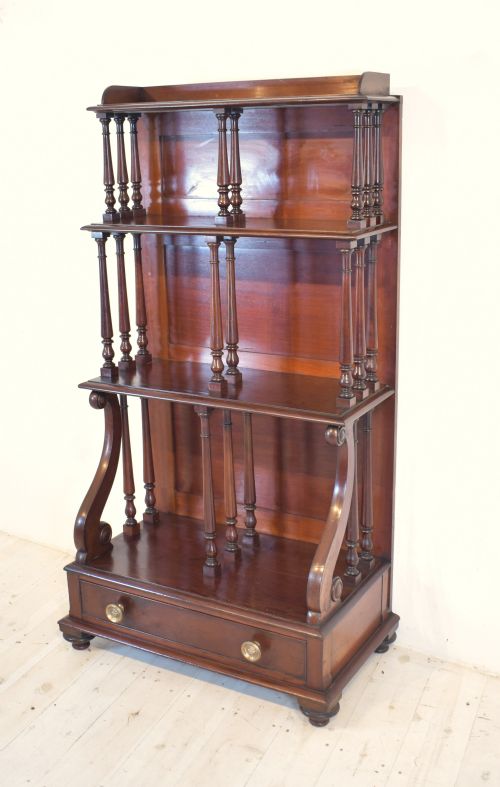


Antique Graduated Bookcase
An antique graduated bookcase offers descending tiers that display volumes cleanly, bringing characteristic period timber and craftsmanship into daily use.
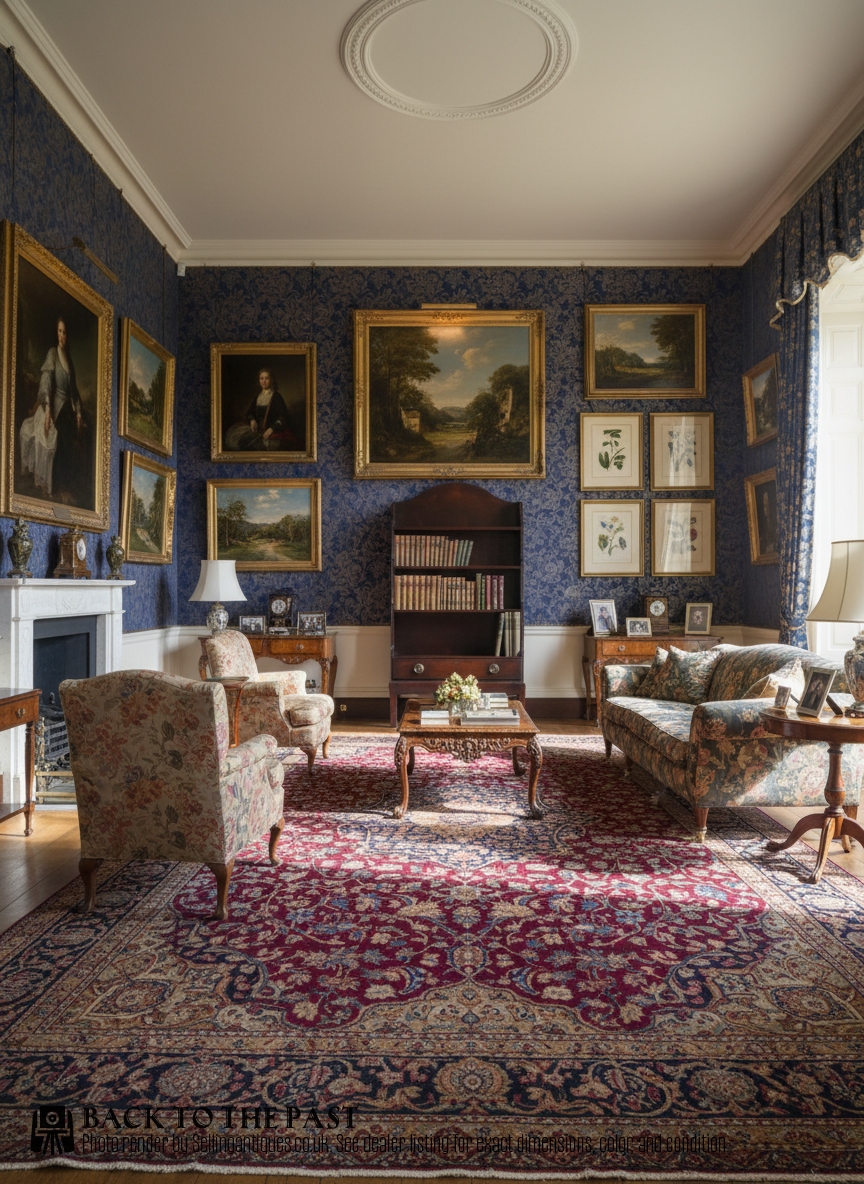
Antique Graduated Bookcase
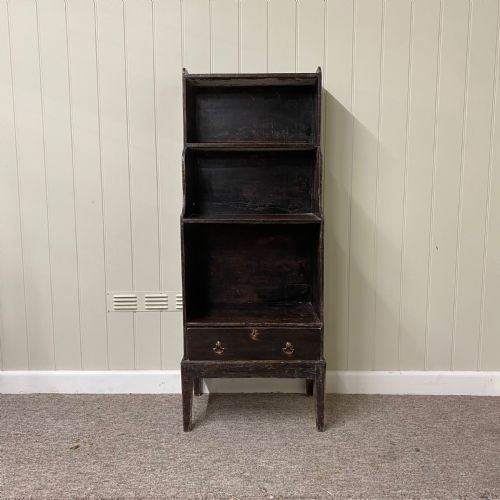
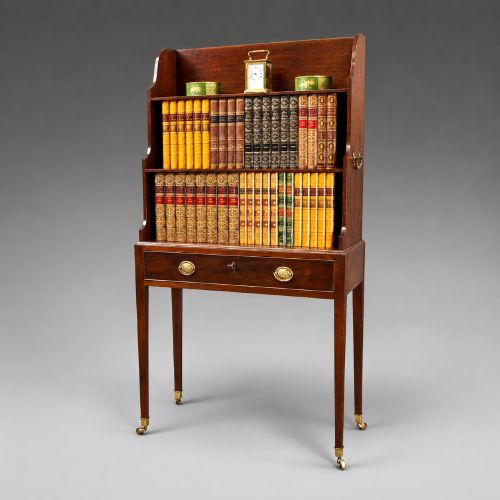
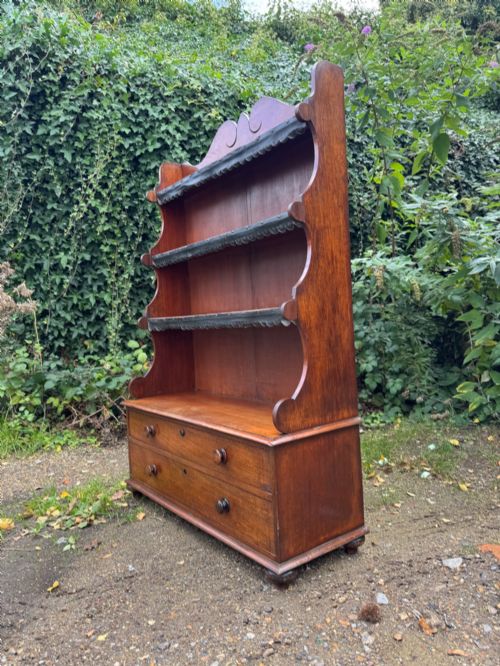
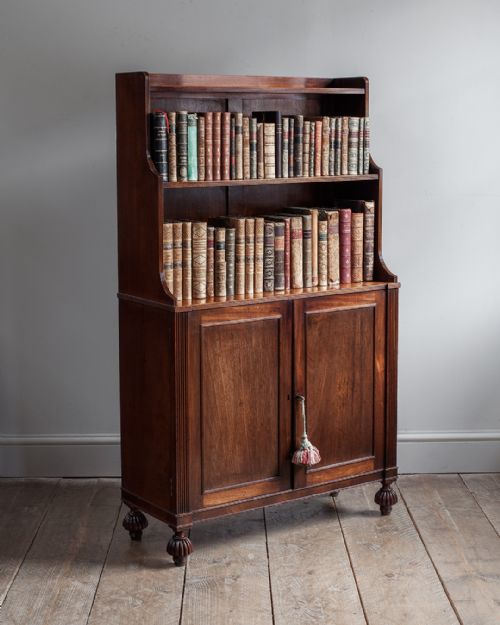
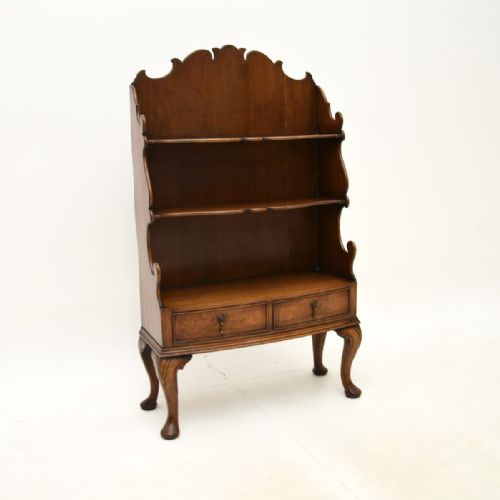
An antique graduated bookcase presents a stepped profile where each higher shelf sits slightly narrower or shallower than the one below it. This specific form, frequently termed a waterfall bookcase or cascading open bookcase, appears across the Georgian, Regency, Victorian, and Edwardian periods.
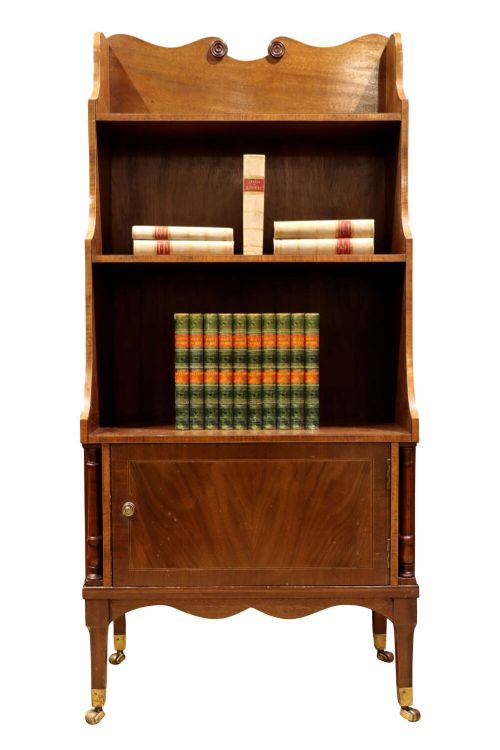
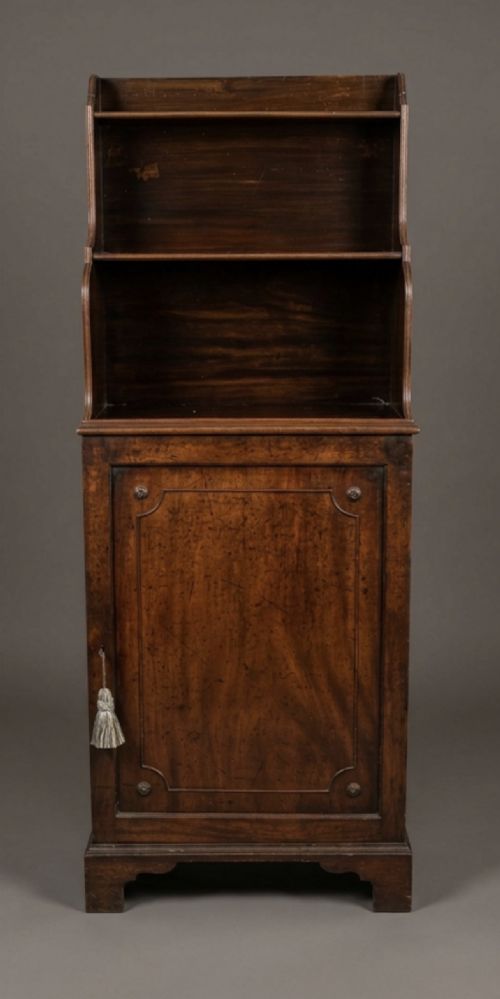
The pieces on this page span open dwarf shelving units, freestanding library pieces, and variants incorporating lower cupboards or small drawers. Mahogany, rosewood, and oak provide the primary carcasses, whilst satinwood and burr walnut appear on select examples.
How they were made
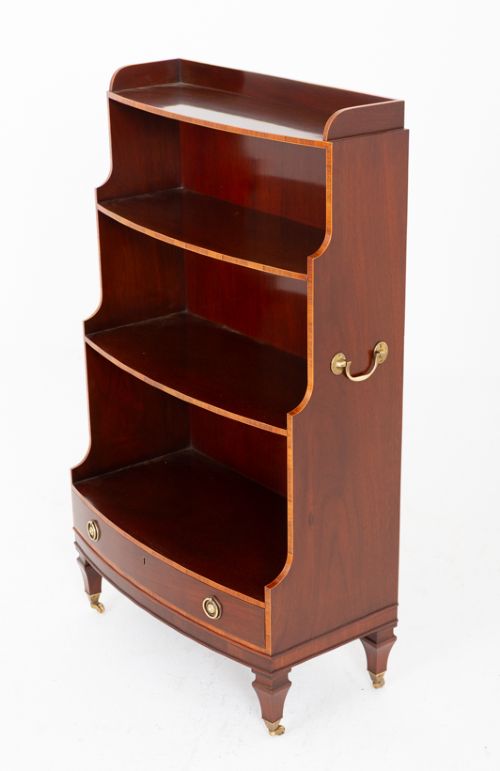
Cabinetmakers constructed these bookcases using dense hardwoods like mahogany, rosewood, and oak, often employing solid timber alongside carefully selected veneers. Cross-banding and delicate boxwood stringing frequently edge the shelves or top boards, adding subtle linear contrast to the primary grain.
Structural support relies on robust joined framing, sometimes augmented by turned supports, hollow barley twist pillars, or delicate side galleries. Brass castors frequently finish the feet on larger floor-standing pieces, allowing easier movement across timber floorboards.
Antique Graduated Bookcase Retail Price Guide 2026
Typical asking prices for graduated bookcase among the pieces listed under this phrase on Sellingantiques today, from the lower quarter to the upper quarter. They describe what is for sale here now, not the wider market.
Listings feature woods spanning mahogany, rosewood, oak, satinwood, walnut, yew, teak, and burr walnut across the 19th and early 20th centuries.
What varies in quality
The refinement of the timber selection dictates much of the visual distinction, from plain structural oak up to richly figured burr walnut and highly grained rosewood. Finer workshops invested greater labour into meticulous cross-banding, precise graduated shelf spacing, and integrated cupboard lower sections.
Proportion and structural harmony separate standard utilitarian pieces from exceptional cabinet work. Subtle design elements, such as shaped side panels, pierced galleries, and integrated brass fittings, elevate the presence of the bookcase within a room.
Gillows
The Antique Graduated Bookcase Glossary
- Waterfall bookcase
- A tiered shelving unit where each level steps back from the one beneath it, creating a cascading silhouette. This format gained popularity during the Regency and Victorian eras.
- Cross-banding
- A decorative border technique where thin strips of veneer are laid across the grain of the main panel. This provides a neat framing effect along shelf edges and top boards.
- Stringing
- Inlay work consisting of very narrow lines of contrasting wood, such as boxwood, set flush into the primary timber surface. It adds delicate linear detail to period cabinet furniture.
- Whatnot stand
- A multi-tiered open piece of furniture designed for displaying ornaments or books. Examples on record feature graduated open shelves supported by turned columns.
- Barley twist
- A decorative turning style resembling a spiralling rope column. This technique appears on the vertical supports of select Victorian display shelves.
Antique Graduated Bookcase: Frequently Asked Questions
What is a waterfall bookcase?
A waterfall bookcase is a stepped shelving unit where each ascending tier reduces in depth to form a cascading profile. These pieces emerged prominently during the Regency and Victorian periods.
Cabinetmakers built them to display books and decorative objects where floor space remained at a premium. The graduated shelves draw the eye upward while keeping volumes easily accessible.
How do I date an antique graduated bookcase?
Dating relies on examining the timber species, construction methods, and stylistic details present in the piece. Georgian and Regency examples often feature solid mahogany with delicate stringing.
Later Victorian and Edwardian variations introduce rosewood, oak, or burr walnut alongside different turnings and gallery styles. Hardware such as brass castors also helps place the piece within its manufacturing era.
Where should I place a graduated bookcase?
These bookcases suit living rooms, studies, and hallways where their stepped profiles can be viewed from the side. Freestanding versions work well against panelled or painted walls.
Because the upper shelves are shallower, they hold smaller volumes, paperbacks, or ornaments best. Placing them away from direct heat sources protects the antique timber veneers.
Are these bookcases sturdy enough for heavy books?
Period graduated bookcases utilise solid hardwoods like mahogany and oak to provide stable support for everyday library use. The lower, deeper shelves easily accommodate larger volumes.
Care should be taken on the topmost, shallowest tiers which suit smaller books or lighter decorative objects. The overall stability depends on the original construction and the condition of the vertical supports.