
Antique Gouache Painting
An antique gouache painting brings dense, opaque colour and precise botanical, maritime or portrait detail to paper, board and pith.
Antique Gouache Painting
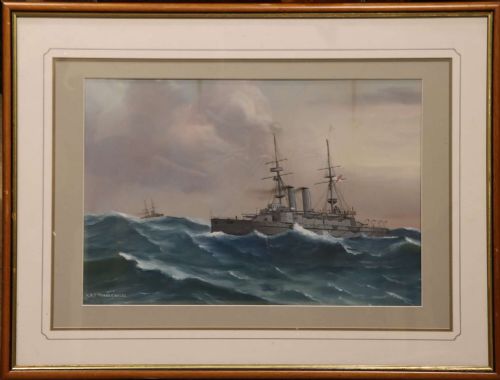
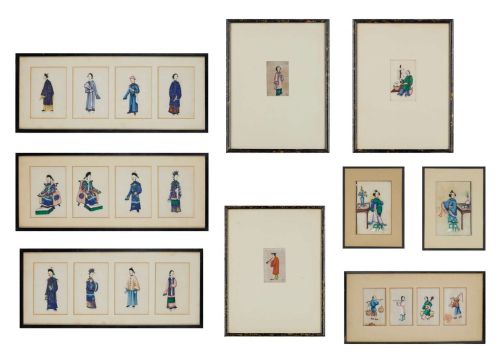
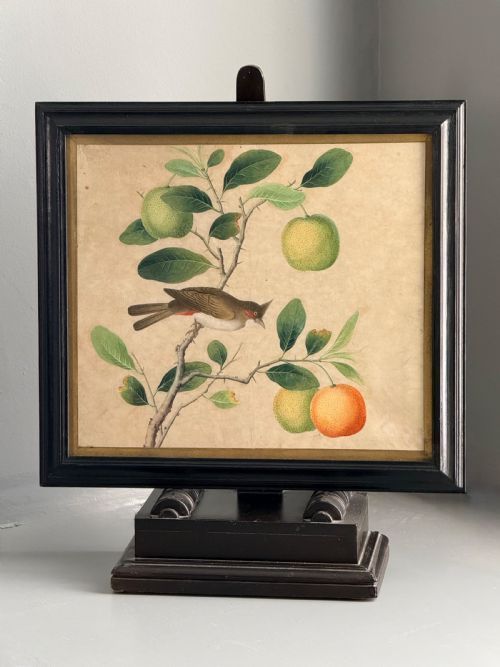
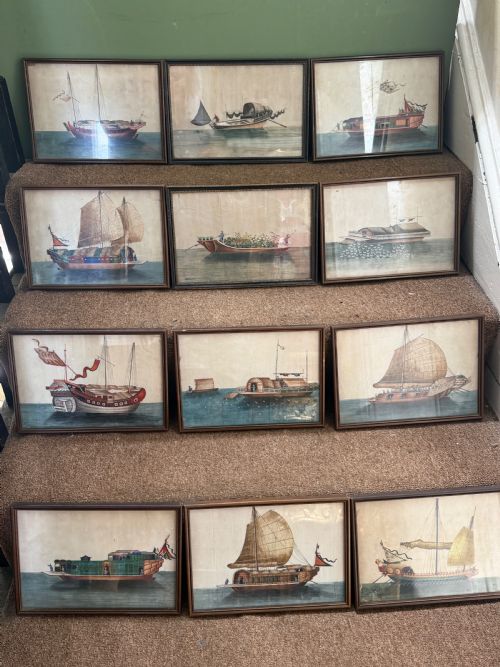
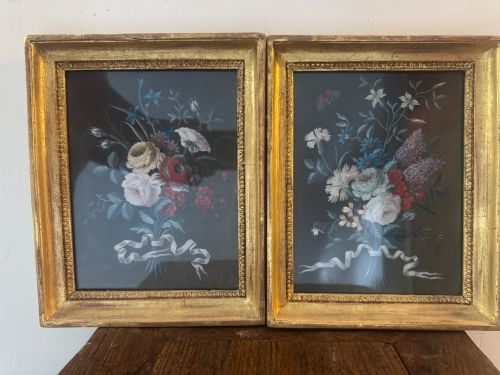
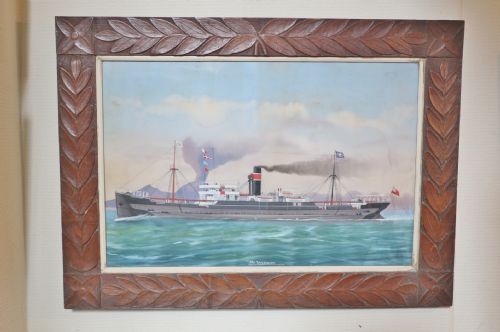
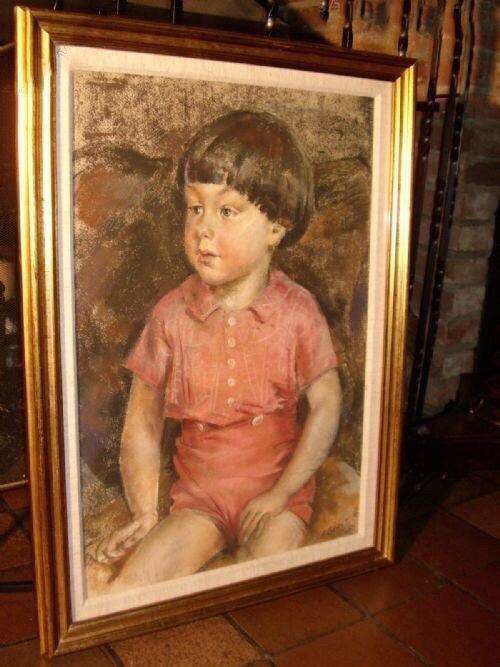
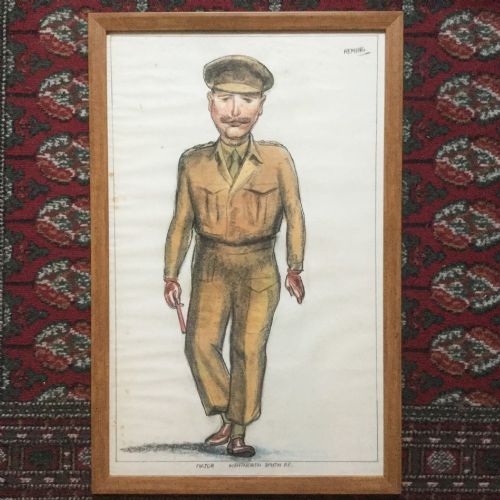
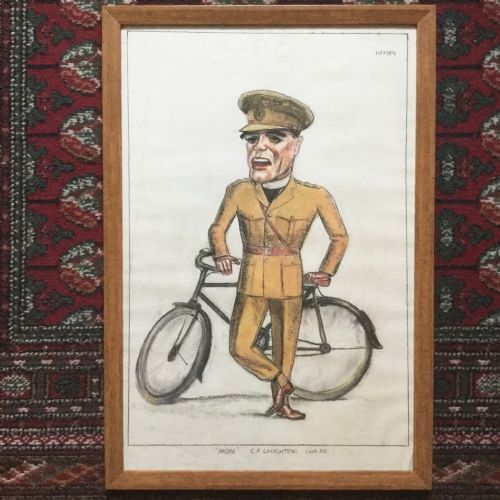
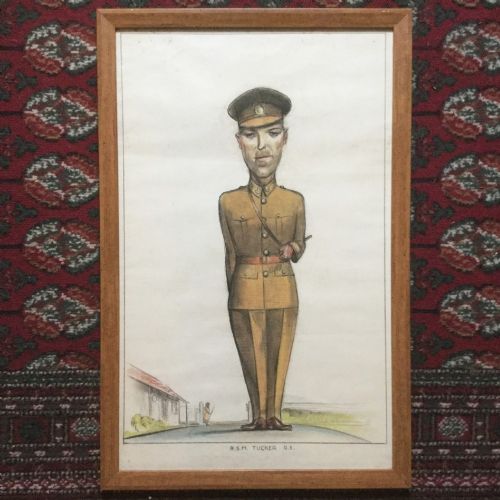
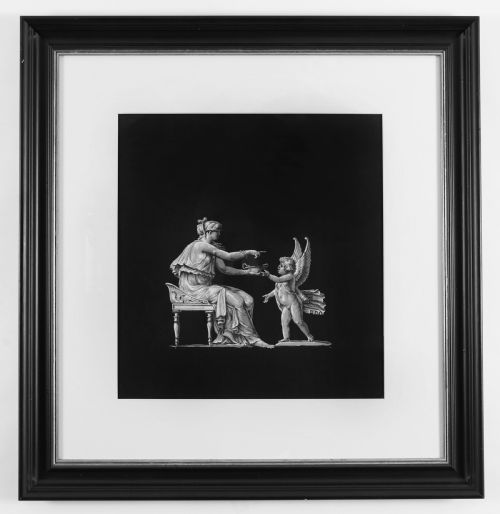
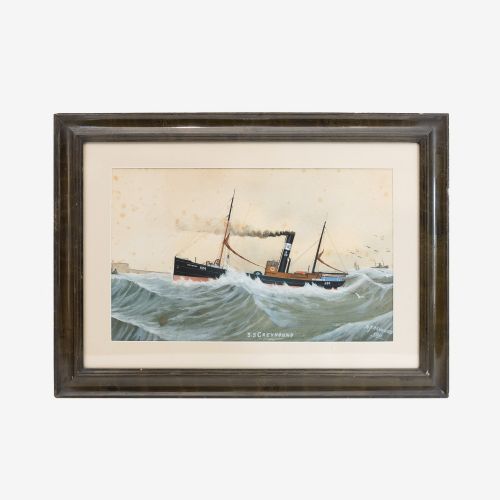
An antique gouache painting is an opaque water-based work on paper, card, silk, or pith paper originating from diverse global traditions including British portraiture, Chinese Export studies, and Indian miniatures. These works capture subjects ranging from dramatic maritime scenes of steamships and ironclads to delicate floral still lifes and classical mythological figures.
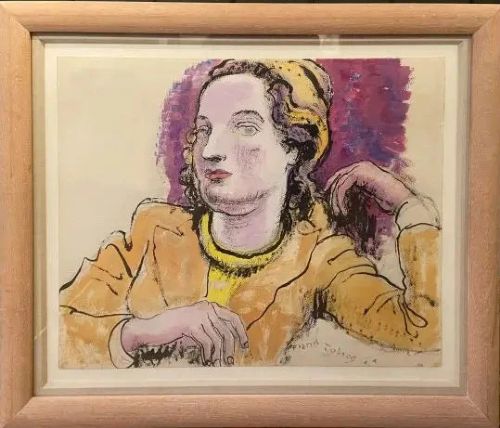
The pieces encountered on this page span from the eighteenth century through the Victorian and Edwardian eras into the mid-twentieth century, with nineteenth-century examples appearing with particular frequency. They arrive framed in period wood and glass, mounted as sets of botanical studies or Chinese pith paintings, or presented as individual artist-signed portraits.
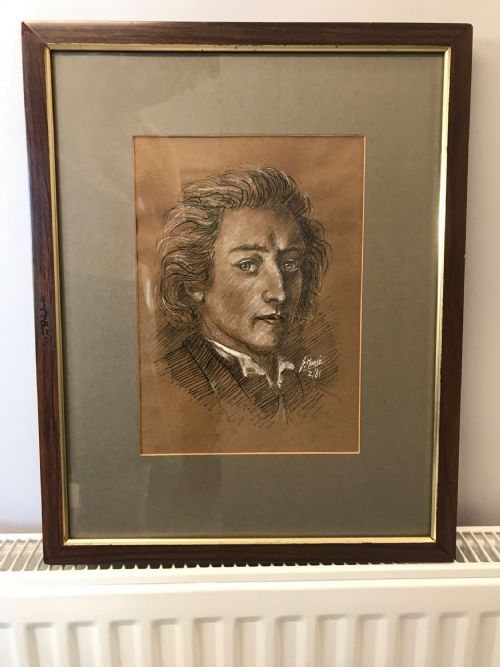
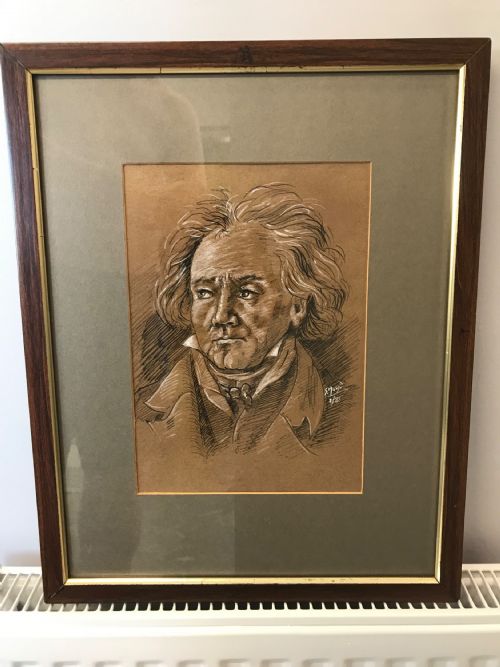
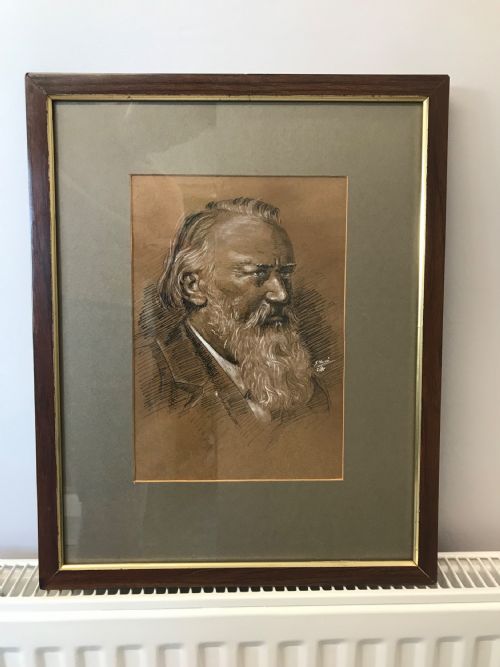
Buyers select these works for their rich pigment load and matte finish, which differs markedly from transparent watercolour. Whether seeking a grand landscape with deer or a detailed miniature of a composer, collectors find works executed on supports as fragile as rice paper alongside robust board.
How They Were Made
Artists built these images using water-soluble ground pigments mixed with a binding agent such as gum arabic, often heightened with white to achieve complete opacity. This composition allowed painters to apply light tones directly over dark passages, creating sharp highlights on waves, sails, and architectural stonework.
Pith paper, frequently utilised in nineteenth-century Chinese Export works, provided a spongy, velvety surface that absorbed heavy gouache pigments to produce a luminous, three-dimensional effect. Other works combine gouache with pen, ink, pencil, pastel, or watercolour on standard paper, card, silk, and wood board.
Protection came from framing beneath glass in wood mouldings, which shielded the delicate, water-soluble pigments from moisture and friction over the centuries. Many surviving works retain their original decorative or ornate period frames, preserving the paper and board supports from handling damage.
Sailors commissioned detailed gouache portraits of ironclads as sentimental tributes to their vessels and shipmates.
What Varies in Quality
The fineness of brushwork and the precision of detail dictate the upper tier of these paintings, particularly evident in miniature portraits, botanical sets, and complex maritime rigging. Superior examples maintain crisp outlines and vibrant, uncracked pigment layers across the entire surface of the paper or pith.
The complexity of the composition and the preservation of the delicate support material separate standard decorative items from masterworks. Works executed on fragile pith paper or delicate silk that survive without tearing or heavy pigment flaking represent a higher standard of original craftsmanship and subsequent care.
F. Corpuz·Joseph Knight·Gaston Cornil·Vincenzo D’Esposito·Alice Anne Renshaw·Kershaw Schofield·Emma Kendrick·John Shapland·John Falconer Slater·Edmund Aubrey Hunt·Frank Holme·Harry M Jonas
The Antique Gouache Painting Glossary
- Gouache
- An opaque water-based paint consisting of pigment, water, and a binding agent such as gum arabic. It dries to a smooth, matte finish that allows for brilliant highlights.
- Pith paper
- A delicate material derived from the pith of the Tetrapanax papyrifer plant, commonly used in nineteenth-century Chinese Export art. It possesses a velvety texture that absorbs heavy body colour.
- Chinese Export
- Art produced in China specifically for Western markets, encompassing ship paintings and botanical studies on pith paper. These works blend traditional Eastern techniques with Western compositional preferences.
- Neoclassical
- A Western stylistic movement drawing inspiration from the classical art and culture of ancient Greece and Rome. Works in this style frequently depict mythological figures such as Venus and Cupid.
- Miniature painting
- A small-scale artwork executed with extreme precision, often portraying portraits or detailed architectural scenes. These require specialised brushes and magnifying techniques.
Antique Gouache Painting: Frequently Asked Questions
What is pith paper?
Pith paper is a spongy, cellular material sliced from the stems of a specific Asian shrub rather than pressed from wood pulp or rags. It absorbs heavy gouache pigment deeply, giving flowers and figures a distinctive velvety dimension.
Because this organic medium is exceptionally fragile, surviving nineteenth-century examples require secure framing behind glass to prevent crumbling.
How do I tell gouache from watercolour?
Gouache contains added chalk or white pigment that makes the paint completely opaque, allowing light colours to sit visibly over dark washes. Watercolour remains transparent, letting the white of the paper shine through every layer.
Examining the surface under magnification reveals the dense, matte pigment build-up characteristic of body colour rather than translucent staining.
Can I hang these paintings in direct light?
Direct sunlight causes fugitive pigments in antique water-based paints to fade and degrades paper supports over time. Displaying them on interior walls away from windows ensures the colours remain stable.
Fitting frames with UV-filtering glass provides an extra layer of protection against environmental light damage in domestic settings.