


Antique Gold Safety Pin
An antique gold safety pin serves as a functional fastener transformed into delicate jewellery, offering secure wear alongside period charm.
Antique Gold Safety Pin
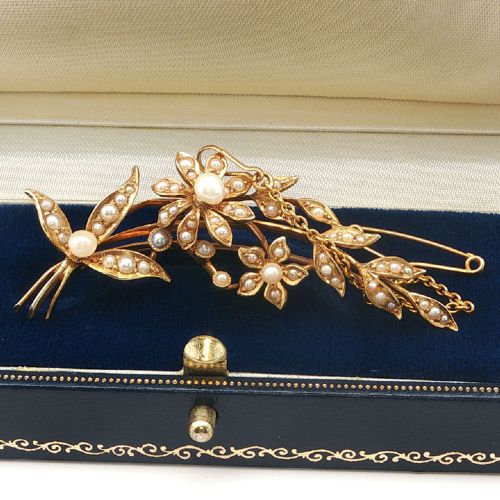
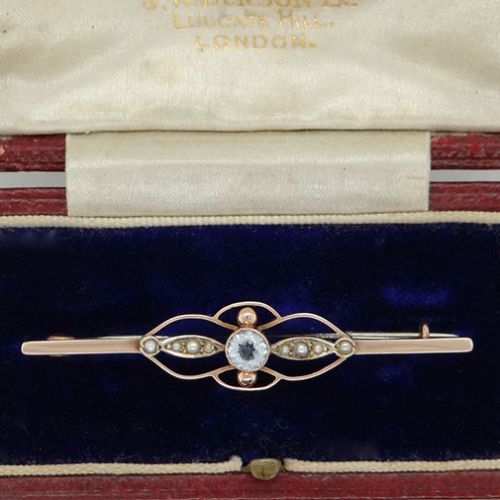
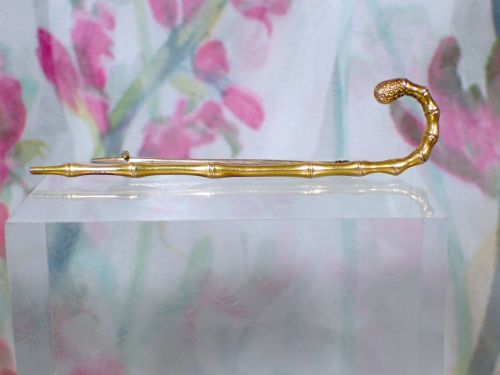
An antique gold safety pin takes the form of a functional clasp elevated into decorative body adornment, encompassing bar brooches, jabot pins, and themed figural motifs. Collectors exploring this selection encounter pieces originating primarily from the Victorian and Edwardian eras, extending through the 1920s and 1930s.
Makers utilised various carats of gold, including nine carat, fourteen carat, and fifteen carat variants, often pairing the precious metal with pearls, sapphires, diamonds, and aquamarines. The stylistic progression moves from ornate Victorian cannetille work towards geometric Art Deco designs.
Materials and construction methods
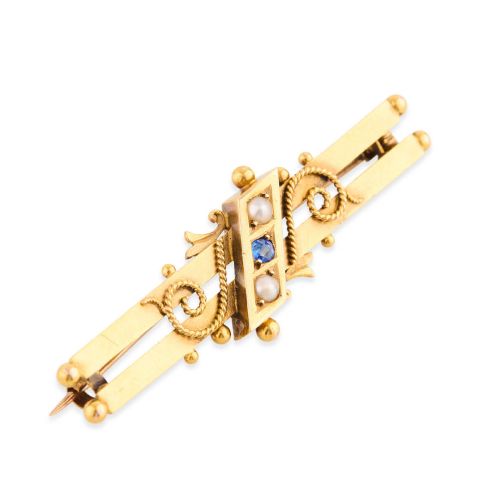
Goldsmiths worked with nine carat, fifteen carat, and eighteen carat gold, shaping the metal into slender bars, twisted wire, and intricate figural outlines such as dragonflies and swords. Metalworking techniques included cannetille wirework to build textured surface detail.
Gemstones such as old-cut diamonds, sapphires, peridots, turquoise, and garnets were flush-set, claw-set, or arranged in clusters alongside seed pearls and split pearls. Enamel accents occasionally added colour to the gold framework.
Evaluating craftsmanship and materials
Superior examples distinguish themselves through the precision of the metalwork, the matching and quality of the set gemstones, and the preservation of delicate elements like seed pearls and enamel. High-grade pieces employ higher carats of gold, such as fifteen or eighteen carat, alongside well-matched old-cut diamonds or vibrant sapphires.
Lower tiers generally rely on nine carat gold or simpler configurations with lesser stones, while retaining the period aesthetic. The overall harmony of the design and the integrity of the pin mechanism govern the standing of each piece.
The Antique Gold Safety Pin Glossary
- Jabot pin
- A long decorative pin originally designed to fasten a jabot, a ruffled lace ornament worn at the front of a shirt or cravat. These pieces typically feature an ornamented terminal at one end and a protective cap or catch for the pin point.
- Cannetille
- An intricate goldwork technique mimicking fine lace or embroidery through the use of twisted and curled fine gold wires and tiny granules. This method gained popularity during the nineteenth century for adding rich texture to brooches.
- Seed pearl
- A very small natural or saltwater pearl, typically under two millimetres in diameter, often pierced and threaded onto wire. These tiny pearls frequently form floral clusters or halo borders in Victorian and Edwardian jewellery.
Antique Gold Safety Pin: Frequently Asked Questions
How are antique gold safety pins worn today?
These pieces pin securely onto lapels, scarves, heavy knitwear, and hats, serving as functional fasteners or decorative accents on modern garments.
The sturdy pin mechanisms allow them to hold thicker fabrics reliably while displaying the historical gemstone settings outwards.
How do I date an antique pin?
Dating relies on stylistic clues, metal types, and gemstone cuts, such as cannetille work pointing to the Victorian era and geometric lines indicating the 1920s.
Gold carat marks and specific pin construction methods also help narrow down the decade of manufacture.
Are these pins suitable for daily wear?
Most pieces withstand regular wear if handled with care, though delicate elements like seed pearls and fine enamel require gentle treatment.
Securing the clasp properly prevents loss, and storing the items separately avoids scratching softer gemstones and gold surfaces.