
Antique Gold Padlock
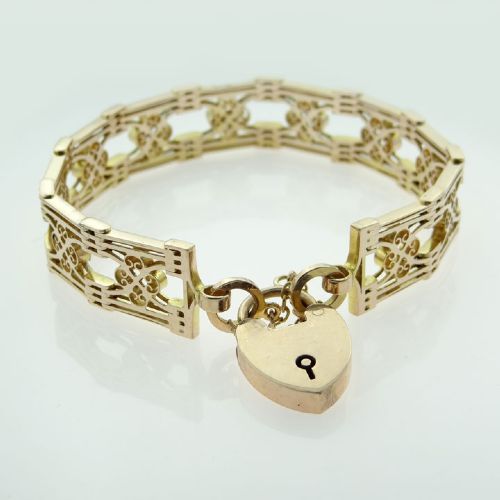
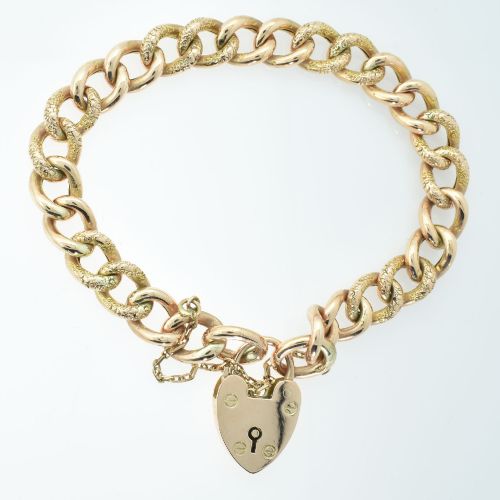
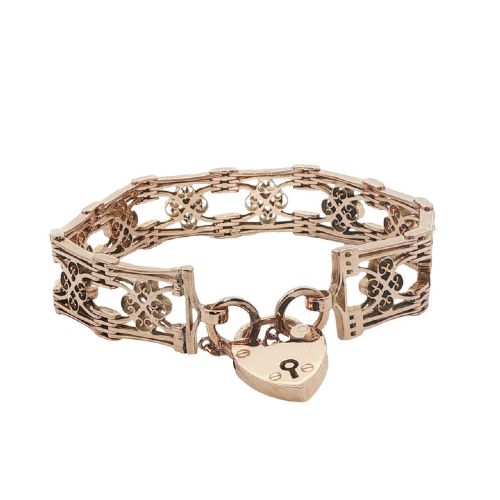
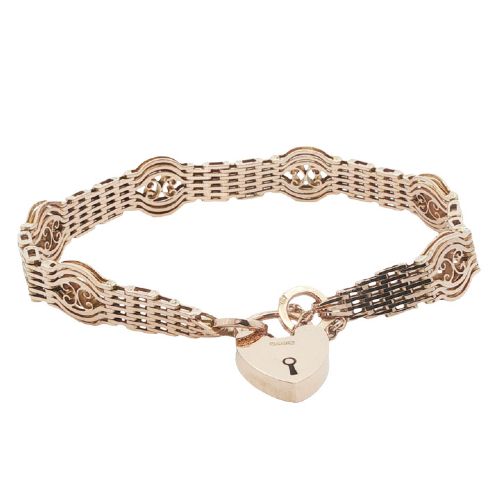
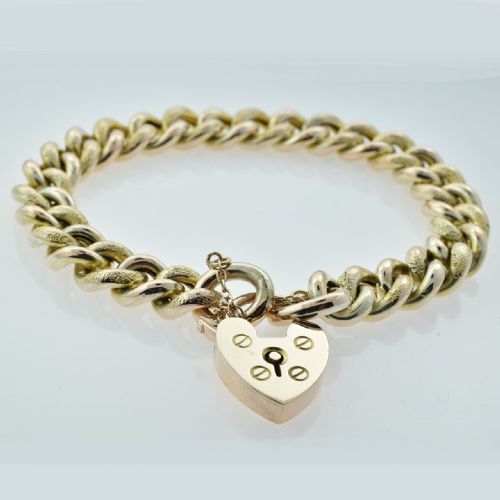
An antique gold padlock is a functional clasp transformed into a sentimental charm, most often secured to a curb link or gate bracelet.
Antique Gold Padlock
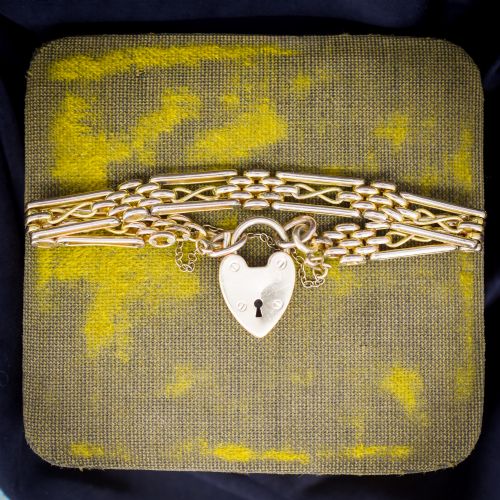
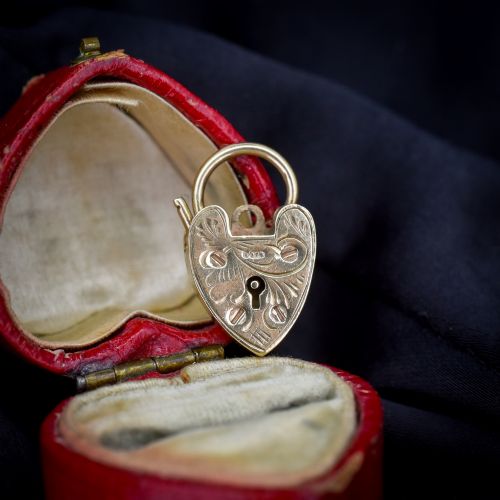
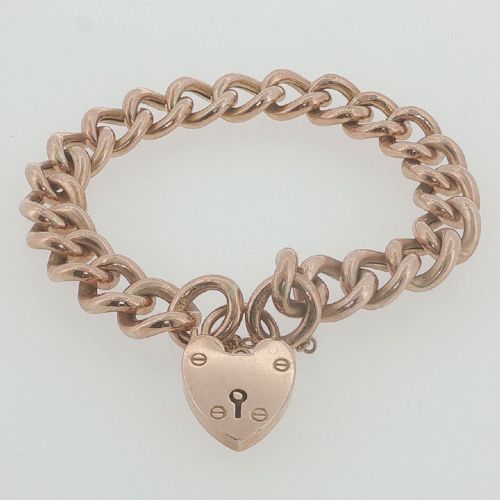
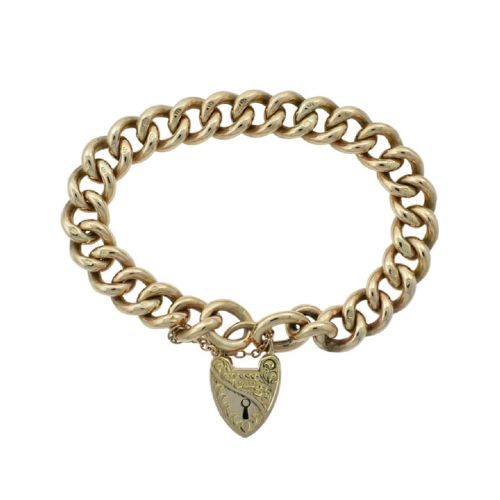
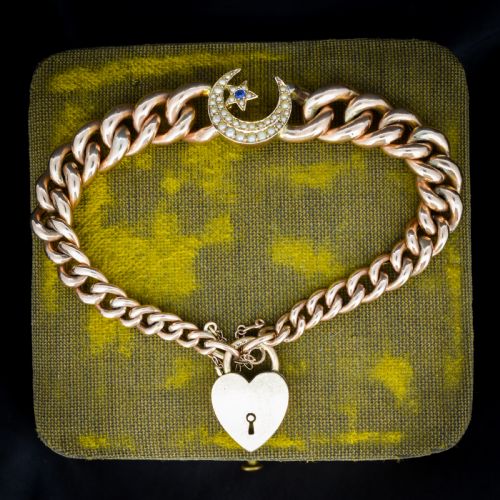
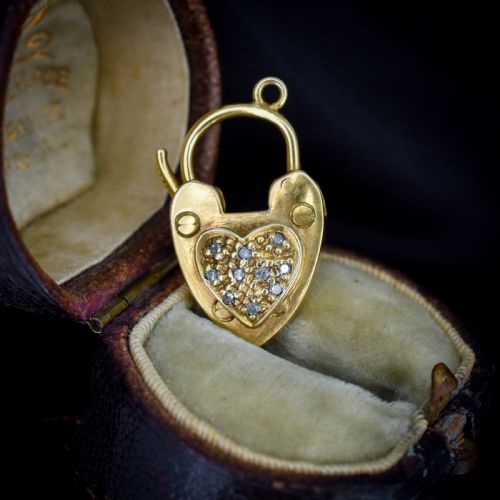
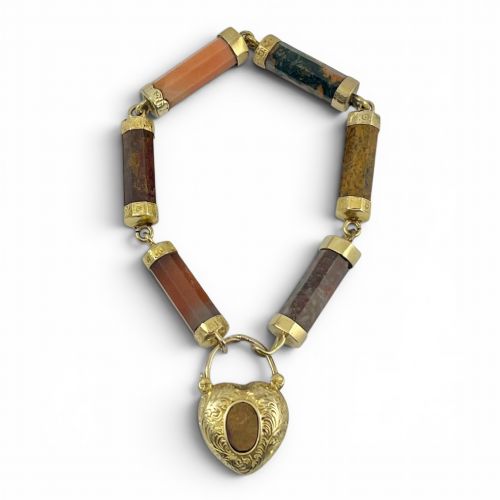
An antique gold padlock primarily appears as a puffy heart-shaped fastening attached to a Victorian or Edwardian charm bracelet, curb chain, or gate bracelet. These secure clasps doubled as decorative centerpieces, frequently worn on heavy links alongside other charms.
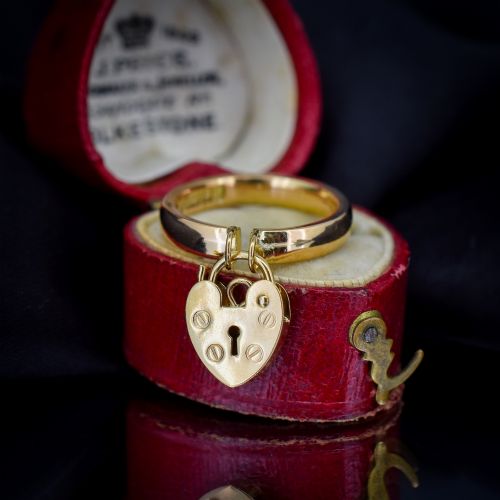
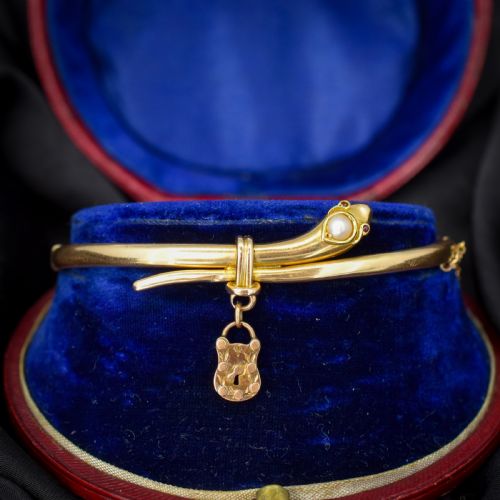
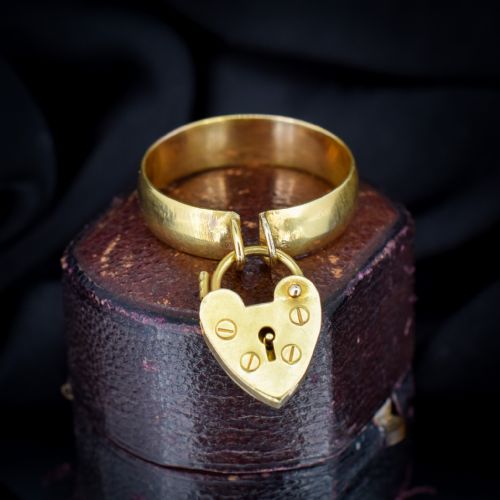
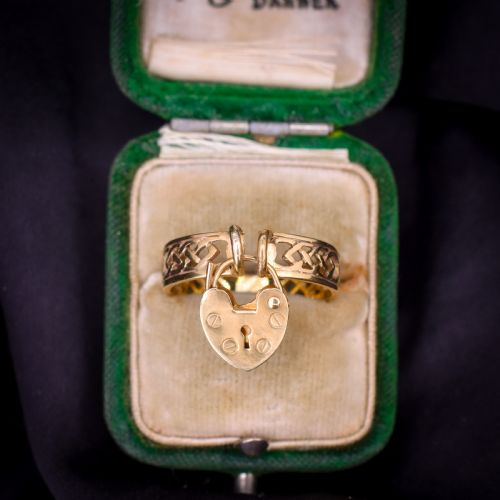
The pieces on this page span the Victorian era, the Edwardian period, and into the early twentieth century, alongside mid-century interpretations from the nineteen-sixties. Alongside bracelets, the design manifests as drop rings, pendants, and novelty opening purse charms.
Yellow gold and rose gold dominate the selection, often styled as nine-carat or fifteen-carat metal. Many examples incorporate embellishments such as seed pearls, rubies, amethysts, diamonds, or intricate hand engraving.
How They Were Made
Goldsmiths utilised nine-carat and fifteen-carat gold, including distinct rose gold and yellow gold alloys, shaped into hollow or solid forms. Padlocks and links were cast or stamped, then finished with hand-engraved patterns or applied decorative borders.
Gemstones such as seed pearls, amethysts, chrysoberyl, rubies, and diamonds were flush set or mounted in delicate claws upon the gold surface. Many pieces carry British hallmarks stamped directly onto the metal, indicating assay offices in towns such as Birmingham, Chester, and London.
Listings feature nine-carat and fifteen-carat gold, alongside rolled gold variations set with pearls, amethysts, diamonds, and rubies.
What Varies in Quality
Quality differentiates by the depth and crispness of the hand engraving upon the gold surface, where worn or shallow lines indicate simpler production. Substantial weight and solid construction separate standard hollow padlocks from heavier, robust examples designed to withstand daily wear.
The presence of intact, original gemstone clusters - such as well-matched seed pearls or vibrant amethysts - elevates an example above plain metal versions. Clear, legible hallmarks stamped by regional assay offices provide verifiable proof of origin and metal purity that adds distinction.
W H Wilmot
The Antique Gold Padlock Glossary
- Padlock
- A mechanical fastening device formed as a hinged heart shape used primarily on charm and gate bracelets. These items served both as functional clasps and decorative pendants.
- Curb link
- A style of chain composed of uniform interlocking links that lie flat against the wrist. This formation provides the sturdy foundation for heavy gold padlocks.
- Gate bracelet
- A wide bracelet design constructed from parallel bars joined by vertical links, reminiscent of a traditional gate. They frequently terminate in a matching heart padlock.
- Rolled gold
- A manufacturing method where a thin layer of gold is mechanically bonded to a base metal core. This technique offered the appearance of solid gold at a lower production cost.
- Seed pearl
- A tiny, naturally formed pearl often utilised in delicate Victorian and Edwardian cluster settings. These small gems add subtle texture to engraved padlock surfaces.
Antique Gold Padlock: Frequently Asked Questions
How do you open an antique gold padlock?
Most antique gold padlocks operate via a spring-loaded internal mechanism accessed by pushing a small protruding button or lever on the side of the heart. Once depressed, the hinged shample opens to release the link.
Some variations function as a swivel or feature an opening purse design rather than a traditional spring shackle. Care must be taken with older mechanisms to avoid straining the internal spring.
Were these padlocks worn as necklaces or bracelets?
While the majority of these pieces were secured to curb link and gate bracelets, many also appear as pendants suspended from chains. Collectors frequently interchange them depending on the mounting style.
Padlocks additionally surface mounted on finger rings as a drop charm, demonstrating their versatility across different jewellery forms.
How can I date an antique gold padlock?
Dating relies primarily upon British hallmark stamps, which indicate the specific assay office and year of testing. Stylistic clues such as floral engraving, chasing, or the integration of seed pearls also point toward the Victorian or Edwardian eras.
Heavier rose gold components and specific link styles like hollow curb chains typically align with the late nineteenth and early twentieth centuries.
What is the difference between rose gold and yellow gold here?
Rose gold contains a higher proportion of copper alloyed with the gold, producing a distinct reddish or pinkish hue. Yellow gold maintains a warmer, traditional golden colour through balanced silver and copper alloying.
Both colour variants were widely utilised during the Victorian and Edwardian periods for padlocks and chain links.