



Engraved Gold Charm
An engraved gold charm carries intimate monograms, floral wreaths and family dates across yellow, rose and high carat gold.
Engraved Gold Charm
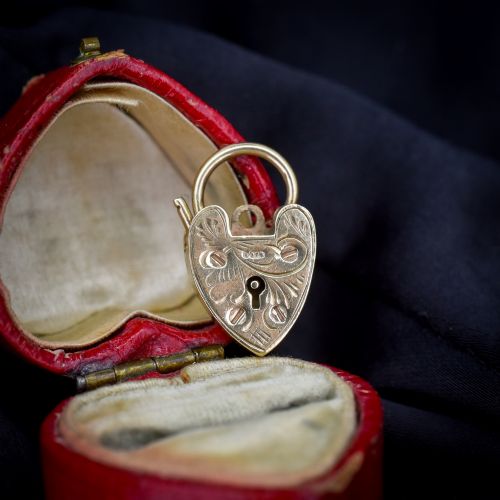
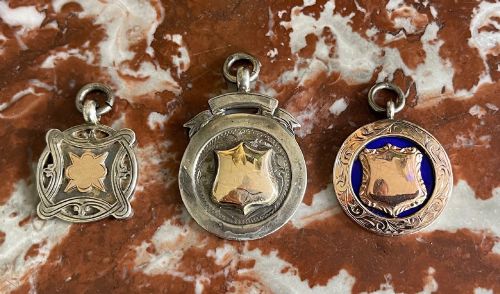
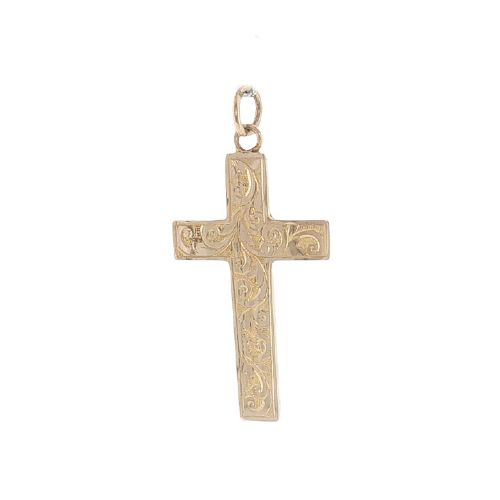
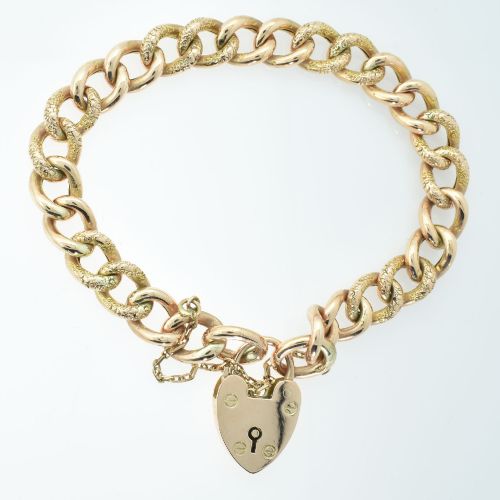
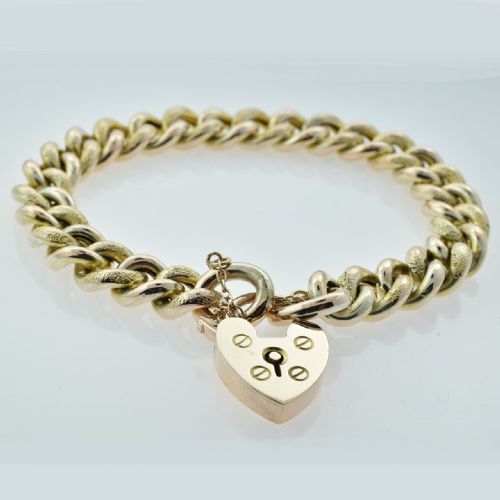
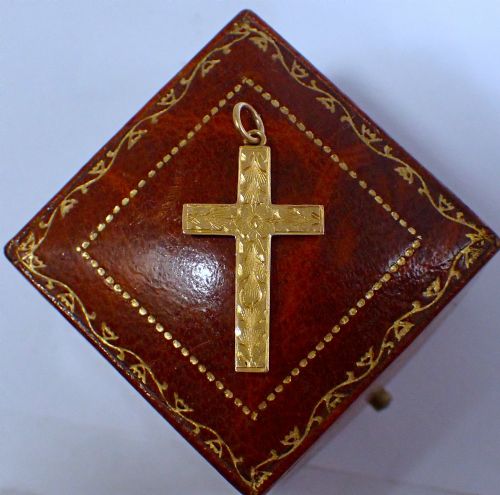
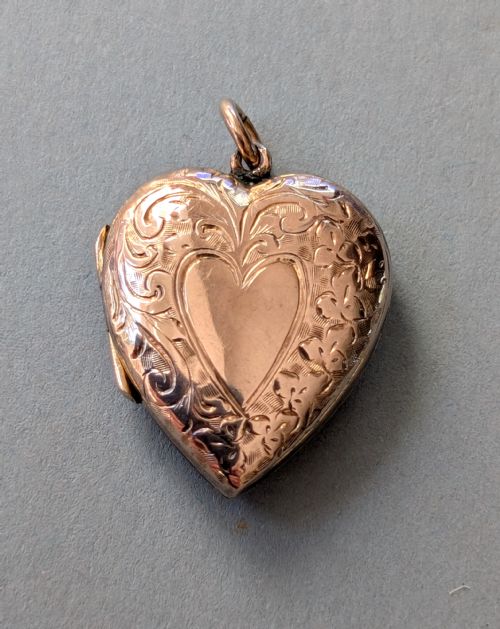
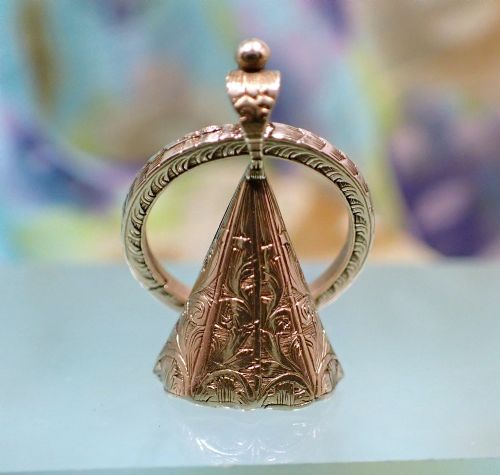
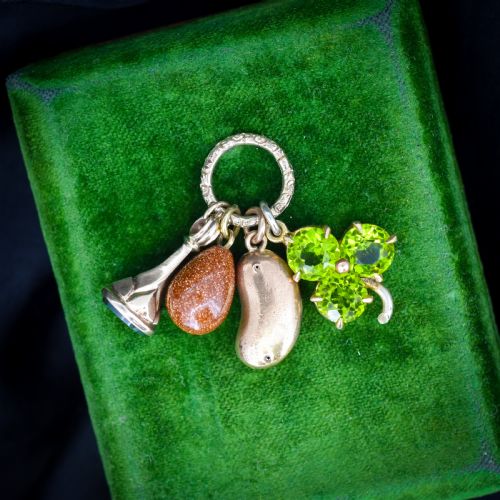
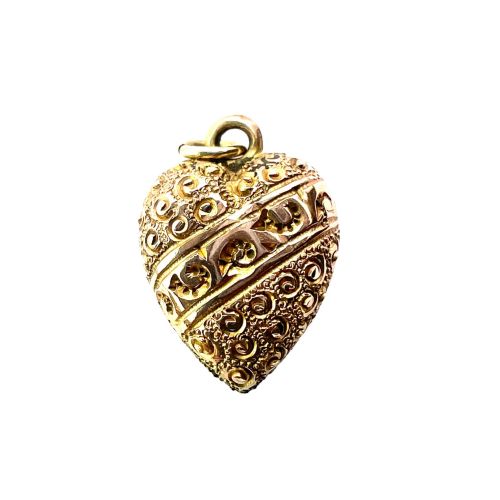
When you search for an engraved gold charm, you encounter miniature metalwork spanning the Victorian, Edwardian and vintage eras. The selection on this page includes puffy heart padlocks, religious medals, seals and foliate lockets.
Victorian and Edwardian pieces dominate the offerings, often rendered in nine carat rose or yellow gold alongside French eighteen carat alternatives. These small objects were designed to dangle from bracelets or hang from neck chains as personal mementos.
Materials and Techniques
Goldsmiths utilised nine carat, fifteen carat and eighteen carat gold, casting or stamping the foundational shapes before finishing them by hand. Rose gold and yellow gold provide the primary metallic palette across the periods represented.
Surface decoration relies on hand engraving, where sharp gravers cut linear motifs, floral motifs and initials directly into the metal. Gemstones such as carnelian, bloodstone, turquoise and old cut diamonds occasionally accent these engraved surfaces.
Listings span from the Georgian era through Victorian, Edwardian and mid century decades, rendered in nine carat, fifteen carat and eighteen carat gold.
Distinctions in Quality
The crispness and depth of the hand engraving determine the visual success of a piece, separating shallow machine work from confident artisan carving. Sharply defined lettering and deep foliate scrolls retain their legibility over decades of wear.
Substantial gold weight and structural integrity at suspension loops distinguish superior examples from lighter hollow items. Original hinges on lockets and secure mechanisms on padlocks contribute further to the standing of an individual piece.
Ovide Yencesse·Merrin
The Engraved Gold Charm Glossary
- Padlock charm
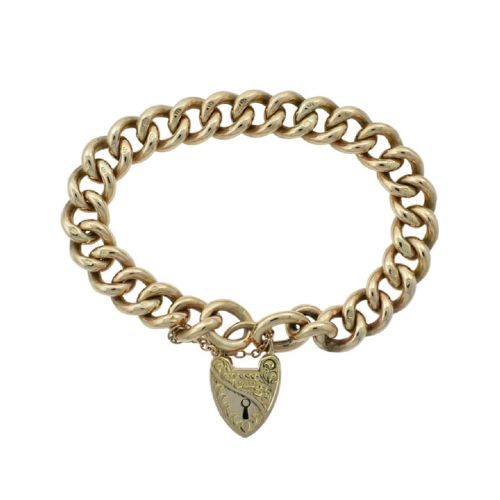
- A miniature functional lock shaped like a heart, frequently engraved on both sides and utilised as a bracelet fastening. These pieces date largely from the Victorian and vintage periods.
- Fob seal
- A small desk seal featuring a hardstone matrix like carnelian or bloodstone, often engraved with a crest or initials for stamping wax. They were originally carried on watch chains.
- Split ring
- A double looped circular ring made of gold, functioning like a modern key ring to hold multiple charms securely. They appear frequently in nineteenth century pieces.
- Repousse
- A metalworking technique where the design is hammered into relief from the reverse side. This method creates the inflated, three dimensional forms seen on puffy heart pendants.
Engraved Gold Charm: Frequently Asked Questions
How do I attach an engraved gold charm to a bracelet?
Most charms use a small jump ring or split ring that threads directly through a bracelet link or charm carrier. Secure attachment requires a closed jump ring soldered by a jeweller or a robust spring ring.
Heavier padlock charms can also function as clasps, snapping directly onto heavy curb or gate links without needing an intermediary ring.
Can I wear an engraved gold charm every day?
Gold charms from the Victorian and Edwardian eras withstand daily wear well, provided the metal gauge is substantial. Hollow puffy hearts require more care to prevent denting during active tasks.
Removing charm bracelets before swimming, gardening or heavy lifting protects delicate hand engraving and gemstone settings from unnecessary abrasion.
What is the difference between a charm and a pendant?
Charms are traditionally smaller and designed to move freely on a charm bracelet, decorated on both sides because they flip during wear. Pendants generally hang from neck chains and often feature a flat or finished reverse side.
Many pieces in this selection bridge both categories, functioning equally well on a heavy chain or a wrist bracelet.
How do I date an antique gold charm?
Hallmarks stamped into the gold provide the most reliable date, showing assay office symbols and date letters specific to British or French regulation. Stylistic clues like floral motifs, repousse work and letter fonts help narrow down unmarked pieces.
Victorian pieces often feature deep rose gold and romantic motifs, while vintage mid century items show cleaner geometric lines and different carat stamps.