




Antique Gold Ottoman
An antique gold ottoman brings historic comfort and rich textile presence into a room, offering low seating or foot support through gilded frames and intricate embroidery.
Antique Gold Ottoman
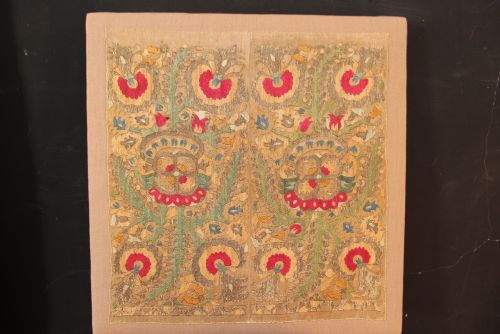
When you search for an antique gold ottoman, you encounter a diverse selection of low seating, footstools, and historic Near Eastern textiles created across the eighteenth and nineteenth centuries.
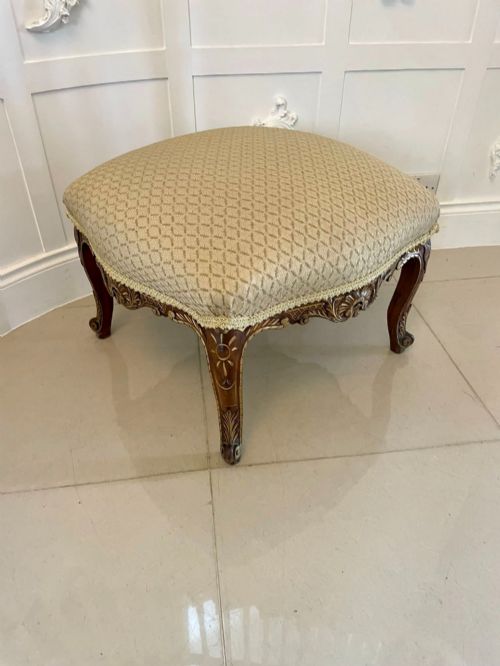
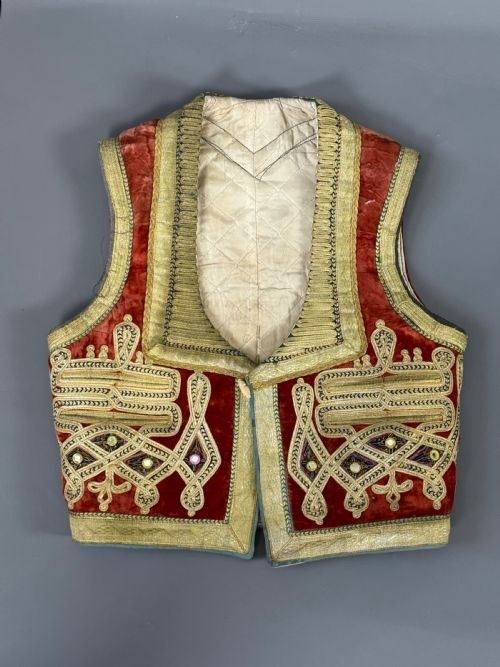
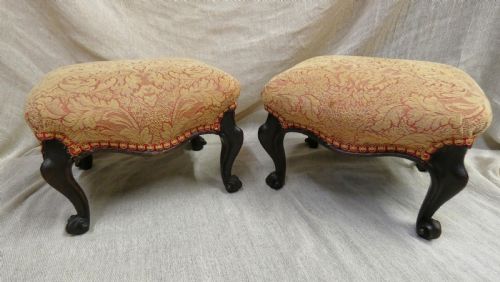
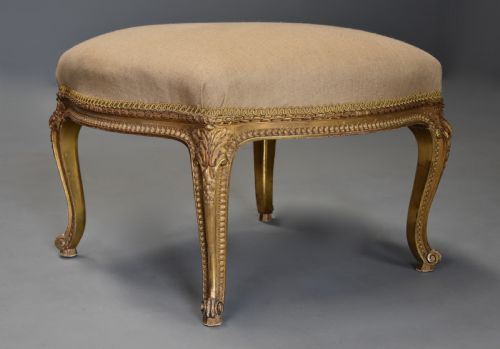
The objects on this page range from Victorian walnut footstools and French giltwood window seats to embroidered waistcoats, prayer rugs, and silk scarves originating from Ottoman workshops.
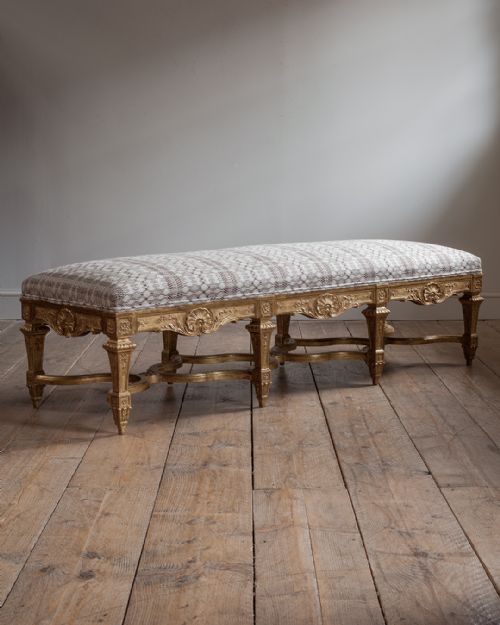
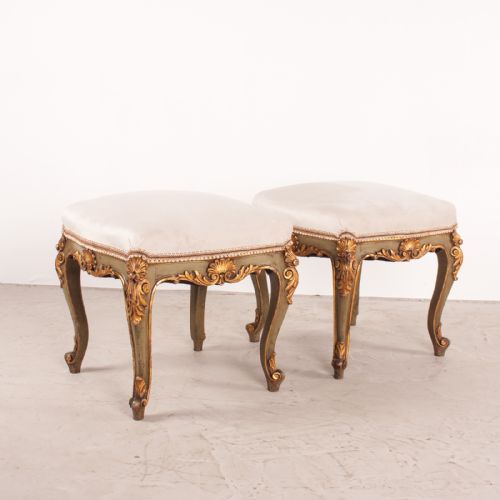
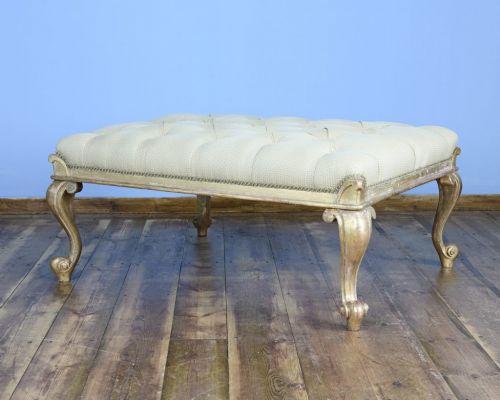
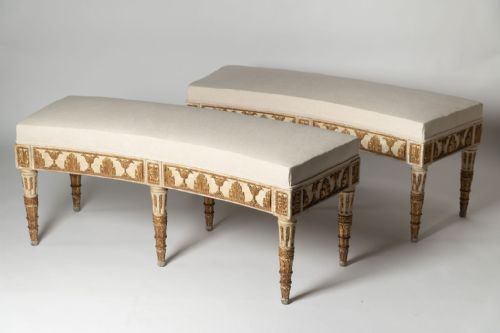
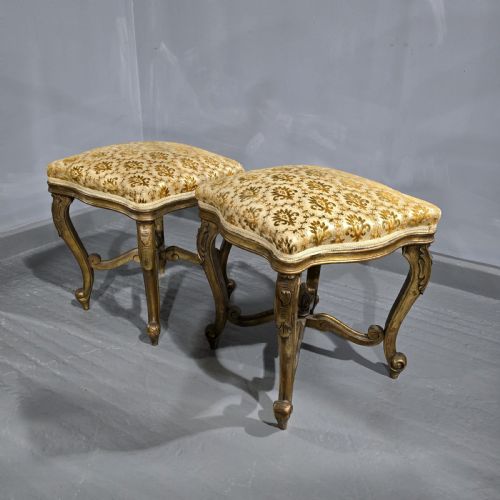
Stools and benches dominate the seating options, often shaped in revival styles like Louis XV, Louis XVI, and Neoclassical, while the textile category provides gold-threaded fragments and garments.
Materials and Technique
Frames rely upon carved hardwoods such as walnut and mahogany, heavily treated with giltwood, gesso, and parcel gilt finishes to achieve a bright metallic surface.
Upholstery and soft furnishings incorporate velvet, silk, and fabric, frequently decorated with metallic thread, gold embroidery, and intricate hand-woven patterns.
Several pieces come equipped with hidden compartments, serving double duty as nineteenth-century work boxes for sewing supplies.
Assessing Craftsmanship
Quality depends upon the depth and precision of the hand-carved wooden ornament on the frame, where crisp lines outclass soft or moulded details.
The integrity of the gilding and the preservation of original silk, velvet, or gold-embroidered textiles heavily dictate the standing of each piece.
Loidrault Freres Paris·R W Winfield·A M E Fournier
The Antique Gold Ottoman Glossary
- Giltwood
- Wood that has been coated with gold leaf or a gold-coloured finish. This technique creates a luminous surface common on formal European seating.
- Curule stool
- An ancient Roman stool shape characterised by X-shaped legs. These pieces often feature neoclassical revival styling.
- Parcel gilt
- A decorative method where only specific portions of a wooden or metal object receive gilding. This highlights particular carved details against a contrasting background.
- Tülbent
- A fine textile or scarf, traditionally made of silk. Examples often display delicate gold embroidery from Ottoman makers.
- Duchesse brisée
- A French chair style split into two or three pieces to form an elongated chaise longue. These large seats combine upholstered frames with matching foot rests.
Antique Gold Ottoman: Frequently Asked Questions
What is an antique gold ottoman?
An antique gold ottoman typically refers to historic low seating with gilded wooden frames, or alternatively, textile works and garments originating from the historical Ottoman Empire incorporating gold thread.
These pieces combine decorative utility with distinct period craftsmanship, ranging from Victorian footstools to eighteenth-century embroidered fragments.
How do I style a giltwood stool?
Giltwood stools work well as accent seating in living rooms or as functional foot rests beside armchairs and window seats.
Their reflective metallic surfaces add warmth and formal contrast to both traditional and contemporary interiors.
How can I tell French and Victorian stools apart?
French pieces frequently display lighter Neoclassical, Louis XV, or Rococo revival carved frames with bright gilding and exposed woodwork.
Victorian examples often lean towards heavier proportions, utilising walnut or mahogany alongside buttoned upholstery and aesthetic movement ebonised finishes.
How should I care for antique gold embroidery?
Antique gold-embroidered textiles require protection from direct sunlight and excessive handling to preserve fragile metallic threads and historic silk fabrics.
Displaying them behind glass or keeping them away from high-moisture environments helps prevent further degradation of the fibres.