
Antique Gold Light Bases
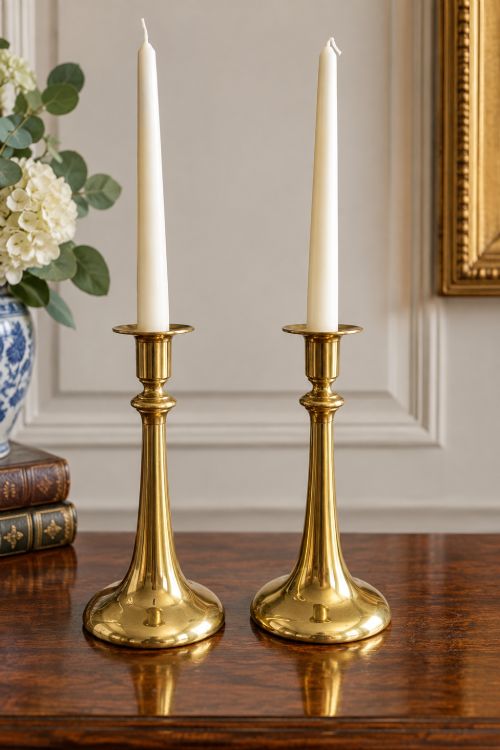
Antique gold light bases bring the warm glow of brass, ormolu and giltwood into a room.
Antique Gold Light Bases
These antique gold light bases comprise candlesticks, table lamps and standard floor lamps adapted to hold light. Most examples span the nineteenth and early twentieth centuries, drawing on Georgian, Victorian and Edwardian periods.
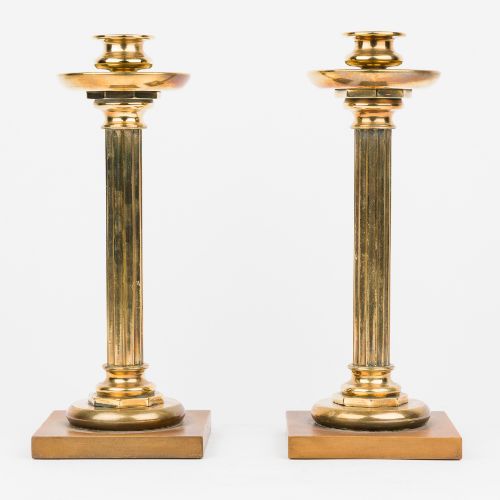
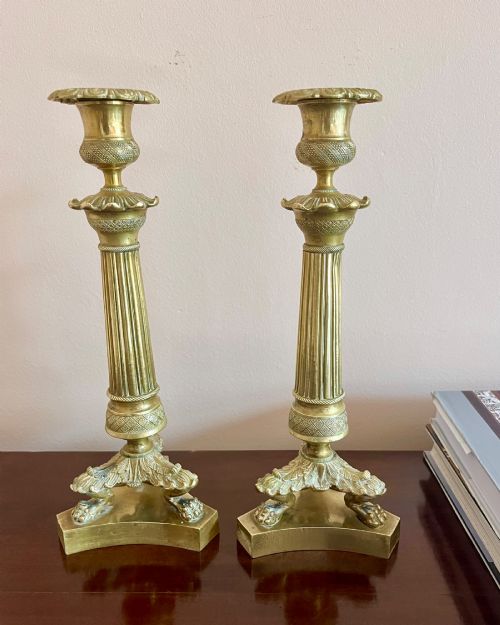
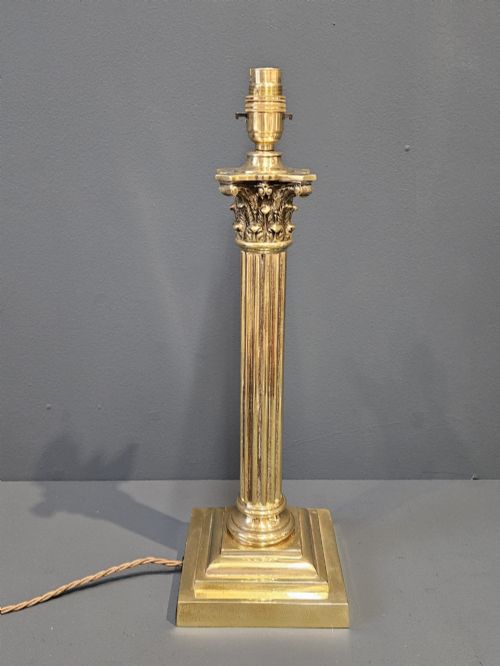
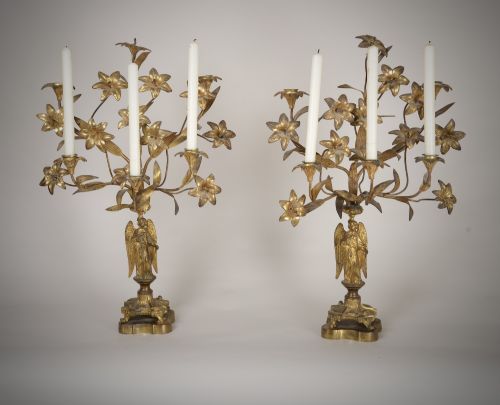
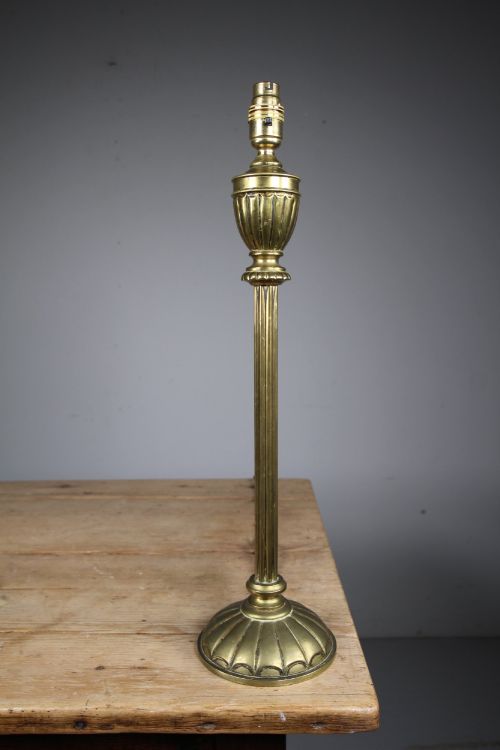
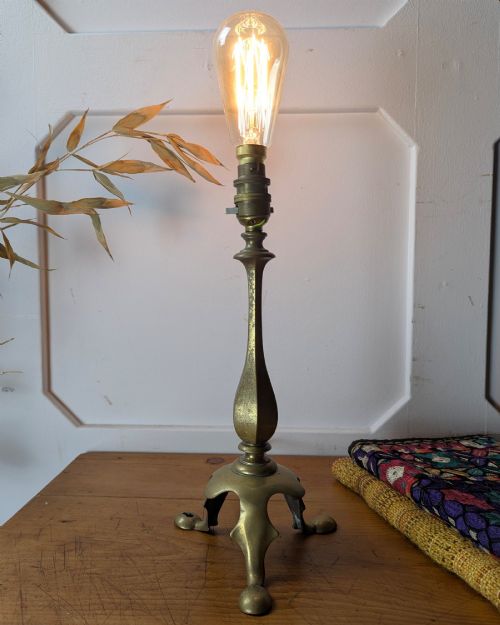
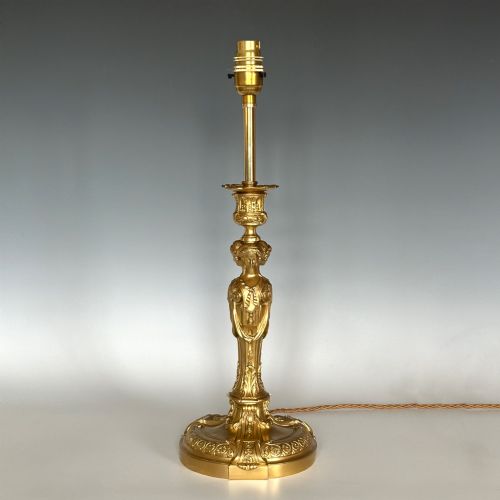
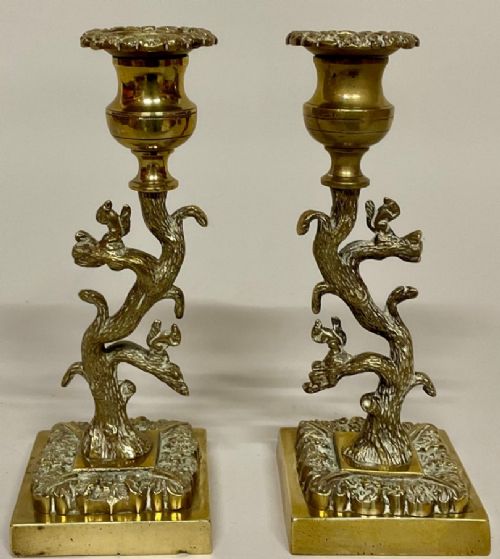
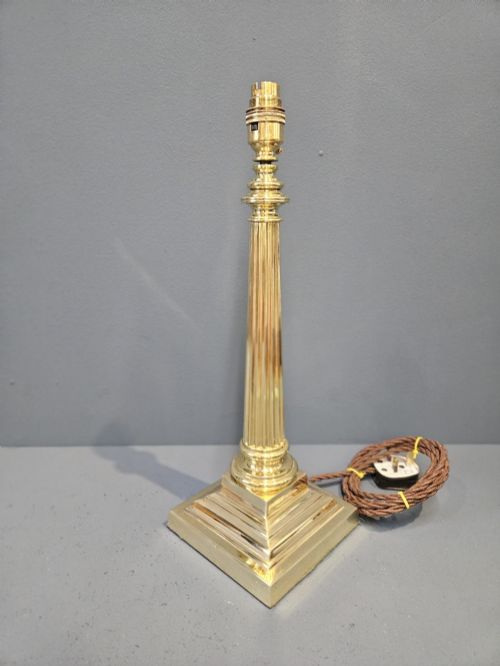
Makers shaped these items from heavy metals and timber, applying gilding, ormolu or polished brass finishes. Common forms range from Corinthian columns and reeded shafts to sculptural tree branches and tripod supports.
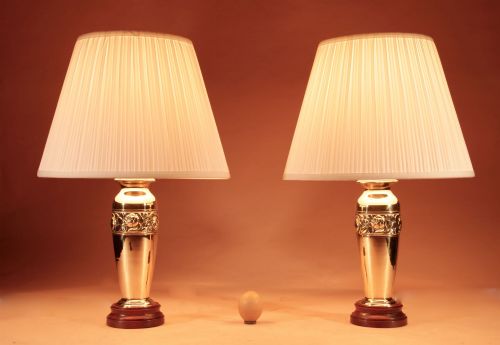
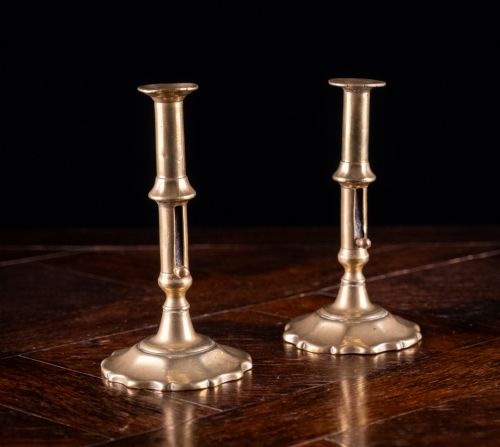
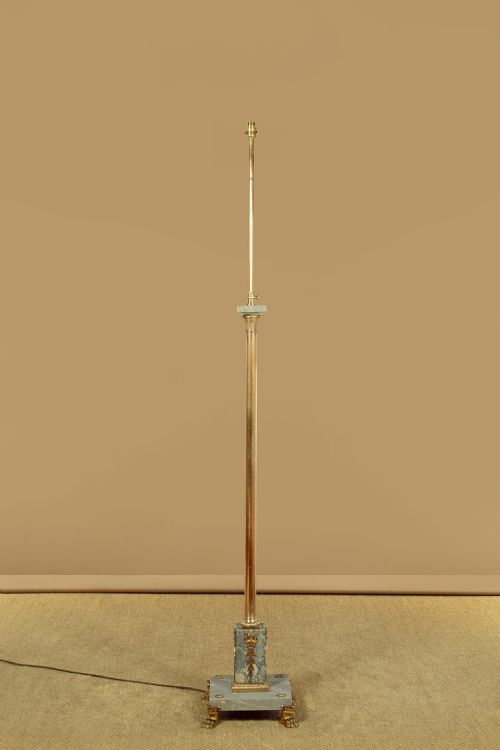
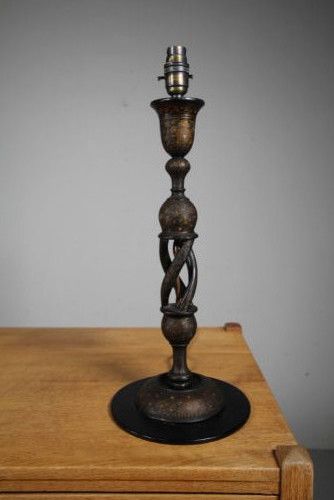
The selection on this page leans heavily toward nineteenth-century brass candlesticks alongside later table lamps and floor standards. Buyers encounter both converted altar candlesticks and purpose-built electrical lighting from the early decades of the twentieth century.
Materials and methods of construction
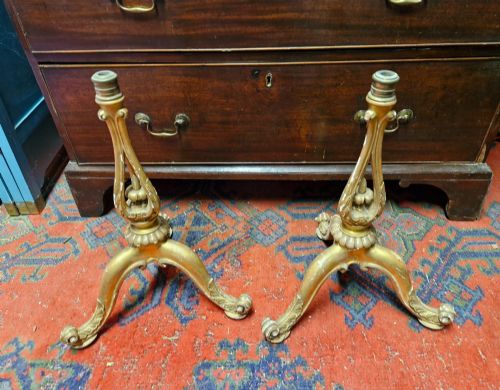
Foundry work relied on casting brass and bronze, often finished with mercury gilding or ormolu to achieve a bright golden surface. Turned timber and carved wood received layers of gold leaf to create giltwood and gilt-finished standards.
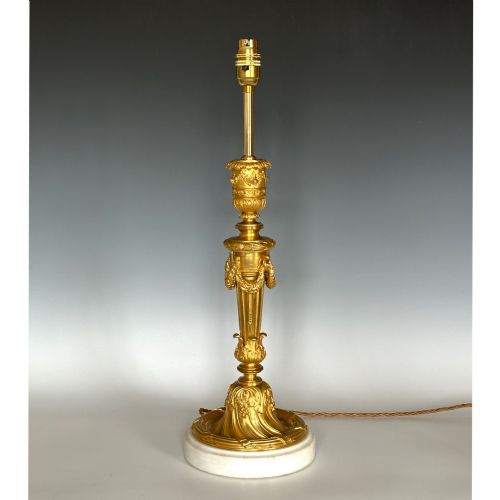
Component parts were threaded, pegged or screwed together to form sturdy columns, urns and petal bases. Heavier pieces utilised marble or onyx plinths to ground the design and balance the weight of tall shafts.
Listings feature brass, bronze and ormolu alongside carved giltwood and marble, spanning the Georgian, Victorian and Edwardian periods.
Distinctions in quality and execution
Superior examples show crisp chisel work on cast bronze and ormolu mounts, where fine details like acanthus leaves and fluting remain sharp. Poorer quality pieces rely on soft, muddy casting that lacks definition in the secondary ornament.
Substance and balance dictate the integrity of the piece, with better bases feeling substantial in the hand and standing true without wobble. The application of gold leaf or original gilding should display depth and even coverage rather than flat, modern paint.
J. Miller·J.T. & Co
The Antique Gold Light Bases Glossary
- Ormolu
- Gilded bronze, usually produced by applying a mercury and gold amalgam to a cast bronze base and firing it in a furnace. This process creates a durable, rich golden sheen characteristic of French decorative arts.
- Corinthian column
- A classical architectural order featuring an ornate capital decorated with rows of acanthus leaves. Many Victorian table lamps adopt this column form for formal desk and mantel lighting.
- Pricket
- A sharp metal spike set in the centre of a candle sconce to hold a candle in place. These are frequently found on older ecclesiastical candlesticks and altar pieces.
- Campana
- A bell-shaped candle socket or sconce found on classical candlesticks and girandoles. The flared rim mimics ancient Roman bronze mixing vessels.
- Giltwood
- Timber, often gesso-coated pine or carved wood, covered in fine sheets of gold leaf. This technique provided a brilliant reflective surface for large floor lamps and altar candlesticks.
Antique Gold Light Bases: Frequently Asked Questions
What is an antique gold light base?
These items are period metal or giltwood pieces, including candlesticks and floor lamps, finished in gold tones or brass. They provide structural support for interior lighting while serving as decorative objects.
Many started as oil lamps or candle holders before receiving modern electrical fittings. Their designs reflect historical revivals from Georgian elegance to Edwardian practicality.
How do I date a brass light base?
Dating relies on stylistic clues, manufacturing methods and material composition. Georgian and Regency pieces often feature distinct petal bases and heavy hand-turned brass components.
Later Victorian and Edwardian examples introduce column forms and machinery threads. Examining the base and fixing methods reveals whether a piece dates to the eighteenth or nineteenth century.
Can I use these with modern bulbs?
Most antique lamps accommodate modern wiring and standard bulbs once checked by a qualified electrician. Many listed pieces arrive rewired for contemporary domestic use.
Care should be taken to select low-heat LED bulbs that respect the vintage wiring or newly installed internal components. This preserves the internal structure of the metal shaft.
How do I care for giltwood and ormolu?
Giltwood and ormolu require gentle dusting with a soft, dry brush to prevent damage to the delicate gold leaf or mercury finish. Moisture and chemical polishes strip away historical surfaces.
Keeping these bases away from direct sunlight and damp environments preserves the golden tone. Regular maintenance protects the original lustre without abrading the metal.