

Antique Gold Lacquer
Antique gold lacquer pieces comprise decorative objects, furniture and boxes finished with lustrous metallic finishes that bring rich texture and heritage into a room.
Antique Gold Lacquer
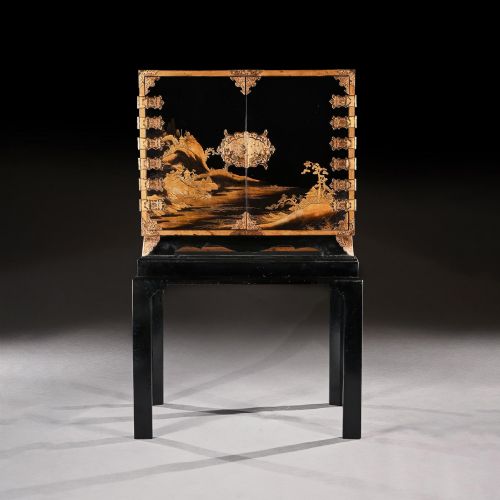
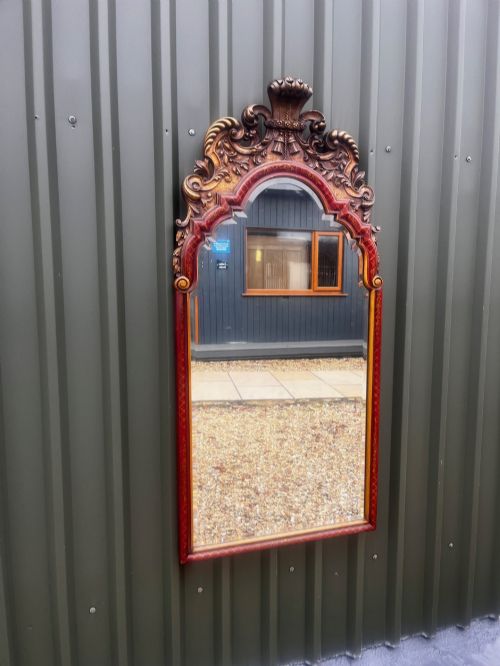
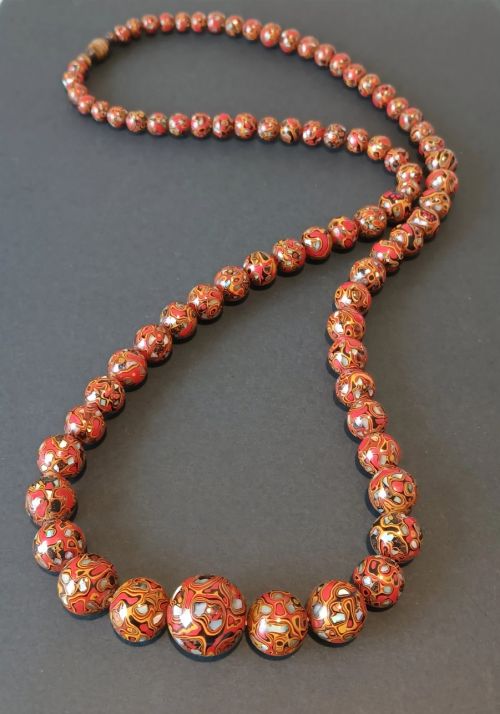
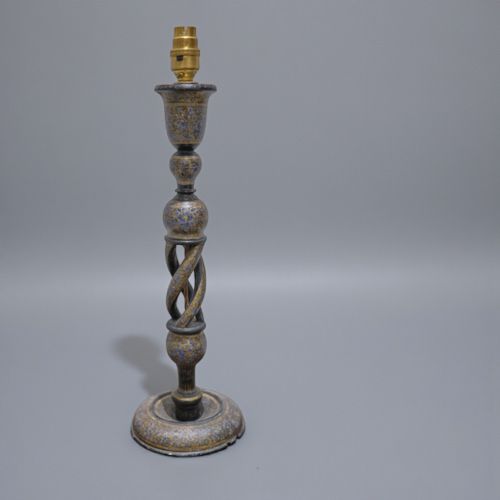
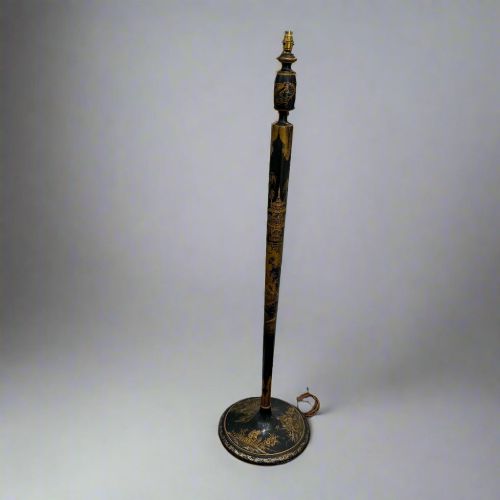
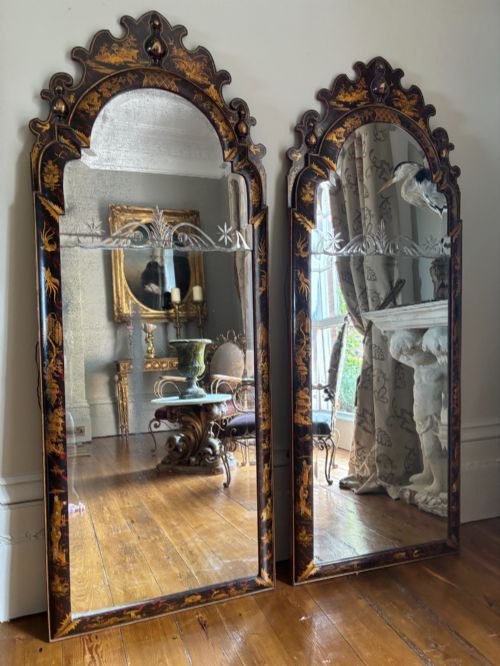
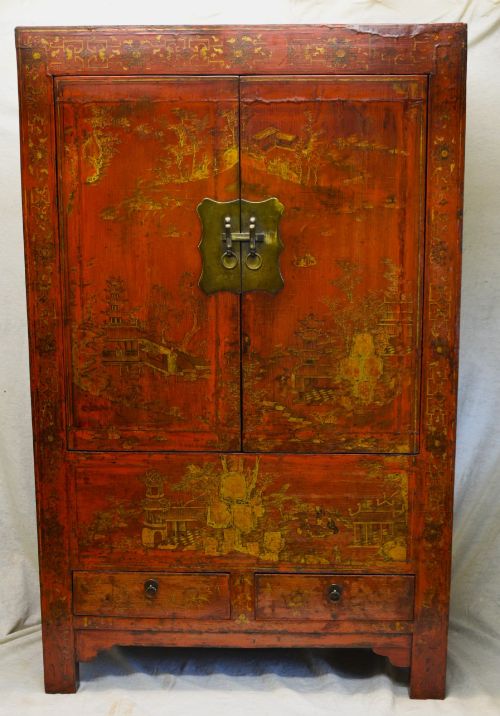
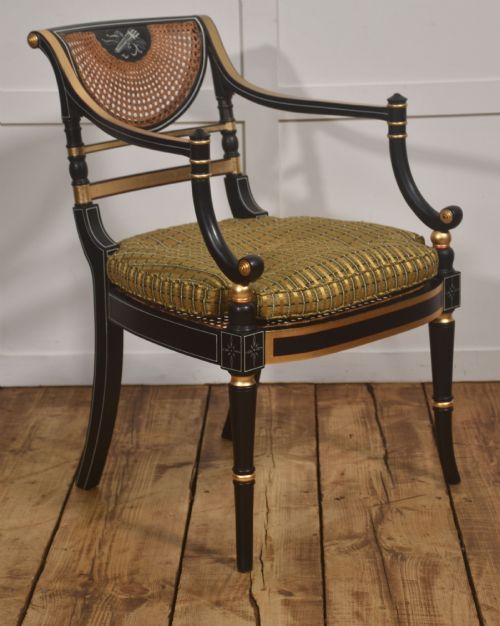
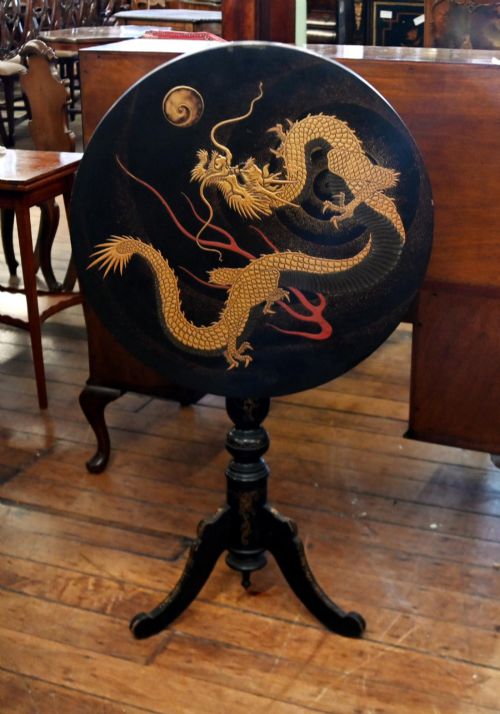
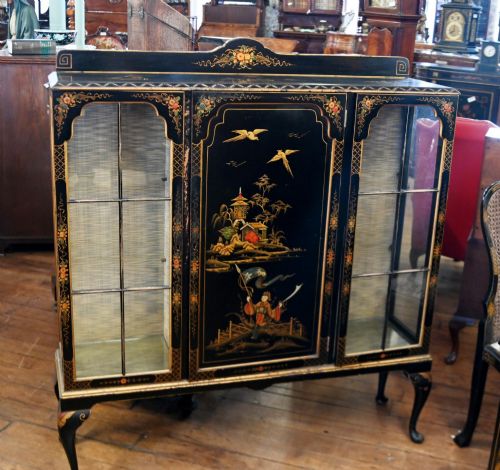
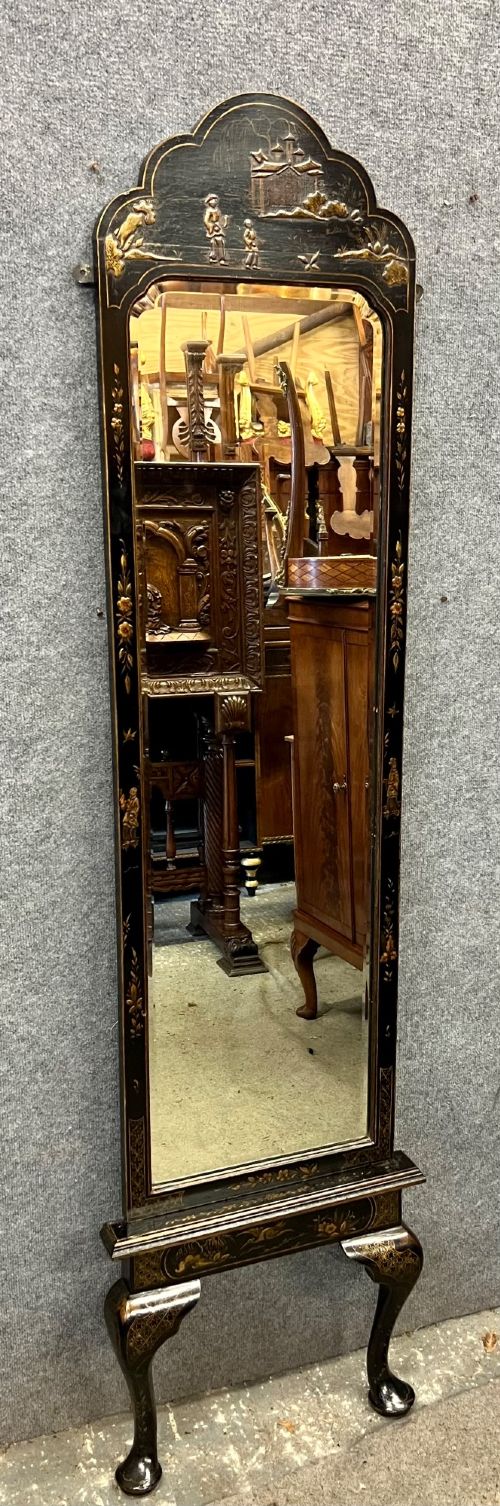
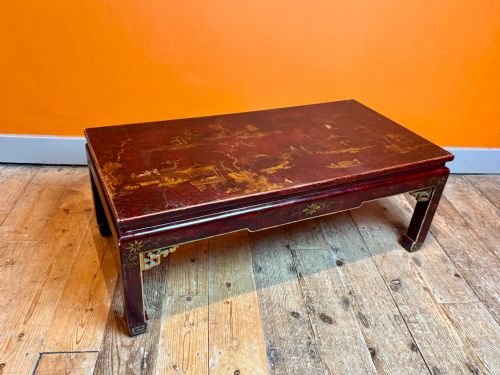
Antique gold lacquer items span small personal accessories like jewellery boxes, inro and letter openers alongside larger furniture forms such as side cabinets, occasional tables, wall mirrors and display cabinets. These pieces emerge from diverse traditions, notably Japanese Meiji and Edo periods, Kashmiri craftsmanship, Chinese export workshops and European Chinoiserie revivals.
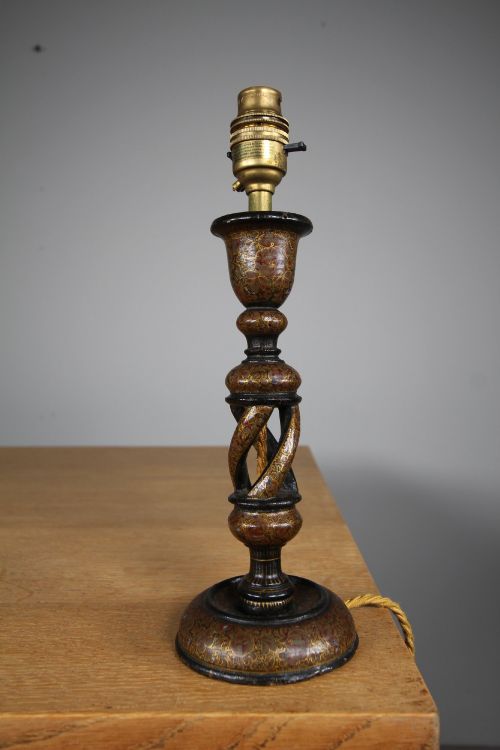
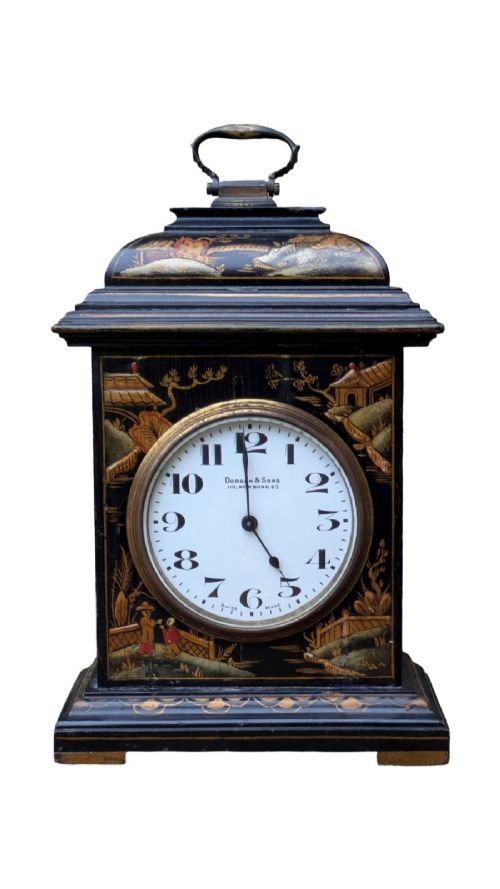
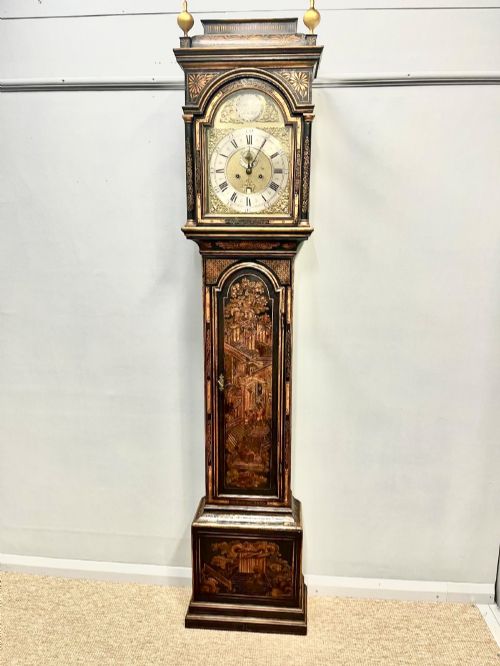
Buyers most frequently encounter nineteenth-century boxes, Edwardian Chinoiserie occasional furniture and Japanese lacquerware items on this page. The selection encompasses functional household objects including mantel clocks, table lamps, trays and corner cupboards decorated with intricate gilded motifs.
How they were made
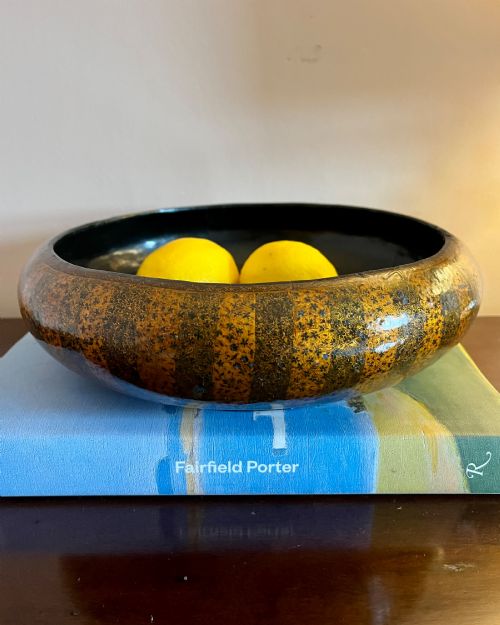
Artisans built these objects using wood, papier-mâché and brass as foundational substrates, applying successive layers of lacquer to achieve durable, smooth surfaces. Craftsmen then enriched these foundations with gold leaf, gilt and hand-painted decoration.
Techniques varied by region, ranging from Kashmiri papier-mâché painted wares to Japanese inro, kodansu boxes and cabinet work utilising specialised lacquer sap. European makers adopted these aesthetic traditions through Chinoiserie and Vernis Martin methods on occasional tables and cabinets.
Antique Gold Lacquer Retail Price Guide 2026
Typical asking prices for gold lacquer among the pieces listed under this phrase on Sellingantiques today, from the lower quarter to the upper quarter. They describe what is for sale here now, not the wider market.
Listings feature items from the seventeenth century through to the 1930s, encompassing wood, papier-mâché, brass and lacquer.
What varies in quality
Quality rests in the precision of the surface decoration, the depth and resilience of the lacquer layers, and the integrity of the underlying wood or papier-mâché structure. Superior examples display meticulous hand-painted detail in the gold leaf and crisp execution of pictorial motifs.
The sophistication of the joinery and the harmonious integration of stands, as seen in cabinets on stands or étagères, distinguish finer productions from standard decorative items. Preservation of the original gilded finish without excessive modern repainting elevates a piece within its period.
François Linke·Vishnyakov Workshop
The Antique Gold Lacquer Glossary
- Chinoiserie
- European decorative style reflecting Chinese artistic influences, popular across furniture and mirrors.
- Kodansu
- Traditional Japanese small cabinet or chest used for storing valuables and personal documents.
- Inro
- Small traditional Japanese case for holding small objects, suspended from a sash.
- Papier-mâché
- Composite material made from paper pulp or layers of paper bound with adhesive, moulded and lacquered.
- Vernis Martin
- Simulated Japanese lacquer technique developed by the Martin brothers in eighteenth-century France and emulated later.
Antique Gold Lacquer: Frequently Asked Questions
What is antique gold lacquer?
Antique gold lacquer describes decorative objects and furniture finished with layered resin or lac and decorated with gold leaf or metallic paint. These items originate from Asian export markets and European revival workshops.
Craftsmen applied the finish to wood, papier-mâché and metal substrates to create durable surfaces adorned with intricate figurative and botanical scenes.
How do I clean lacquer furniture?
Maintain lacquer surfaces by dusting gently with a soft, dry cloth to prevent scratching the delicate metallic decoration. Avoid liquid cleaners, chemical polishes and prolonged exposure to direct sunlight.
Keep pieces in stable environmental conditions to prevent the wood or papier-mâché substrate from expanding and cracking the lacquer layer.
Are Chinoiserie and Japanese lacquer the same?
Chinoiserie represents European interpretations of East Asian artistic styles, created by Western makers working in Regency, Victorian and Edwardian periods. Japanese lacquer encompasses authentic items made by Asian artisans during the Edo and Meiji eras.
While both feature gilded decoration on dark lacquered surfaces, their construction methods and stylistic nuances reflect their distinct geographic origins.
How do I date an antique lacquer box?
Examine the materials used for the base, such as wood construction versus papier-mâché, alongside the style of the hardware and hinges. Different periods favoured specific motifs and mounting techniques.
Consulting the manufacturing marks, where present, and comparing the wear patterns helps establish whether a piece belongs to the nineteenth century or earlier eras.