


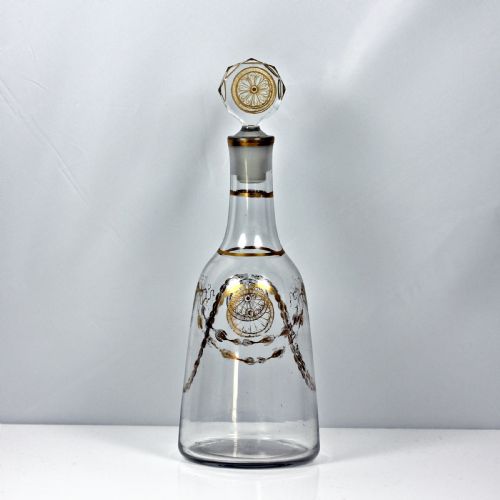


Antique Gold Gilded Bottles
These antique gold gilded bottles bring rich surface and history to a room, ranging from scent vessels to apothecary jars.

Antique Gold Gilded Bottles
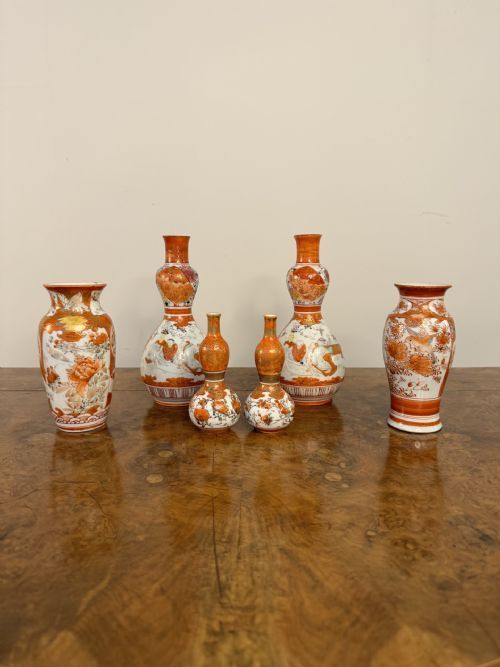
The versions most likely to meet you on this page include nineteenth-century glass and porcelain pieces, alongside Georgian glassware and Japanese ceramic vase forms. Makers utilised surface gilding to elevate domestic and personal objects into decorative centrepieces.
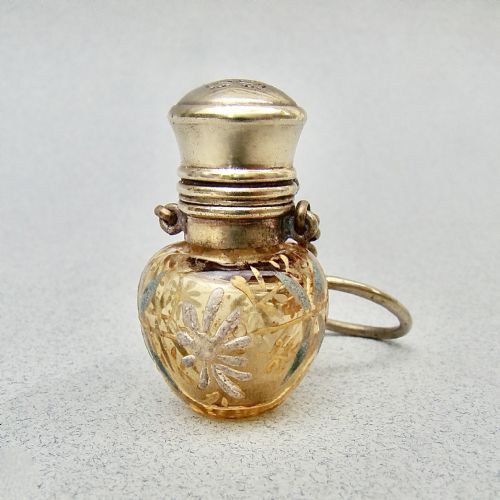
Forms shift from small chatelaine scent containers and miniature vinaigrettes to larger apothecary jars and cabinet vases. Each item reflects the distinct aesthetic priorities of its period, from Regency restraint to Victorian elaboration.
How they were made
Artisans applied gold leaf and gilt decoration onto substrates of glass, porcelain, enamel, papier-mâché, and ironstone. These materials required precise firing or adhesive techniques to bind the metallic layer permanently to the smooth body.
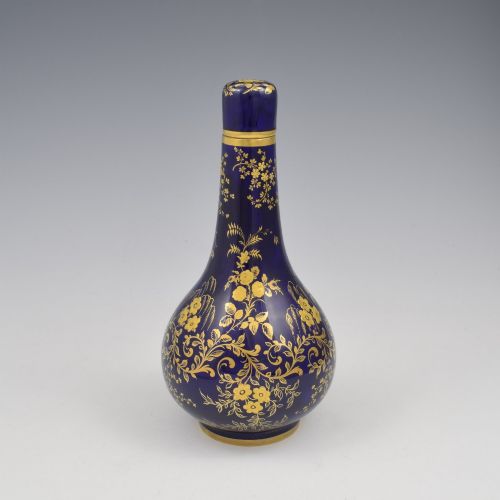
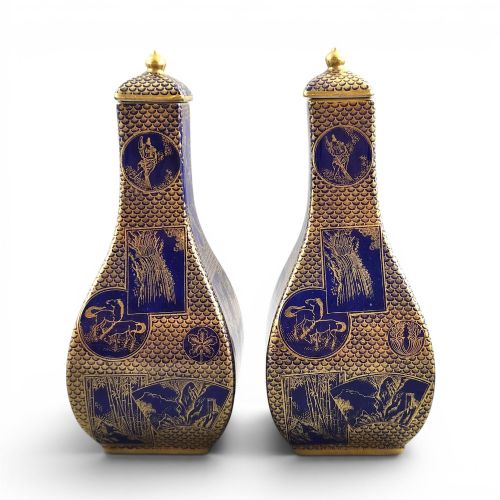
Glass vessels often combined mould-blown or free-blown manufacturing with hand-painted enamel and gold leaf accents. Ceramic bodies, such as porcelain and ironstone, received cobalt grounds and polychrome enamels beneath or alongside the applied gilding.
One tiny silver-gilt fish manages to wriggle its articulated tail through two centuries of history.
What varies in quality
Quality separates through the crispness of the hand-applied gilding and the purity of the underlying material, whether crystal, porcelain, or glass. Superior examples exhibit intact, burnished gold details that retain their full brilliance without heavy rubbing.
The sophistication of the form and the skill of the painting dictate the standing of the piece within its period. Pieces featuring detailed enamel work alongside refined gold decoration represent the higher tier of these historic vessels.
René Lalique·James Giles·Mason's
The Antique Gold Gilded Bottles Glossary
- Gilding
- The application of gold leaf or powdered gold onto the surface of an object to create a metallic decorative finish. This technique defines the visual character of the pieces listed here.
- Chatelaine
- A decorative belt hook worn with attachments such as small scent bottles, keys, or sewing tools. These miniature vessels were designed for personal portability.
- Vinaigrette
- A small ornamental box or bottle containing a sponge soaked in aromatic vinegar. These Georgian silver-gilt items were carried for personal refreshment.
- Apothecary jar
- A vessel originally used by pharmacists to store dry drugs, herbs, or liquid tinctures. Many feature gilded labels or decorative motifs.
- Papier-mâché
- A composite material made of paper pulp or reinforced sheets mixed with glue, then moulded and lacquered. It serves as a lightweight base for gilded table wares.
Antique Gold Gilded Bottles: Frequently Asked Questions
How do I clean antique gilded bottles?
Dust gently with a dry, soft brush to protect fragile gold leaf and enamel decorations.
Avoid liquid cleaners and harsh chemicals, which can strip historic gilding from the glass or porcelain surface.
Were these bottles meant for display?
Some vessels served practical daily functions, such as storing medicines or carrying personal perfume.
Others, particularly larger painted porcelain vases and decorative decanters, were created primarily for interior display.
How can I tell a Georgian bottle from a Victorian one?
Georgian examples often display restrained neoclassical lines and heavier, utilitarian glass or ceramic construction.
Victorian pieces lean towards heavier ornamentation, incorporating elaborate moulded details, vibrant colours, and dense surface gilding.
Can I use antique scent bottles for perfume today?
Most antique scent bottles and atomisers function well as decorative objects rather than practical daily carriers.
Historic stoppers and internal seals may not remain airtight over centuries of age.