

Antique Gold Crest Mirror
An antique gold crest mirror brings depth and light to a room through carved wood, gesso, and burnished gold leaf.
Antique Gold Crest Mirror
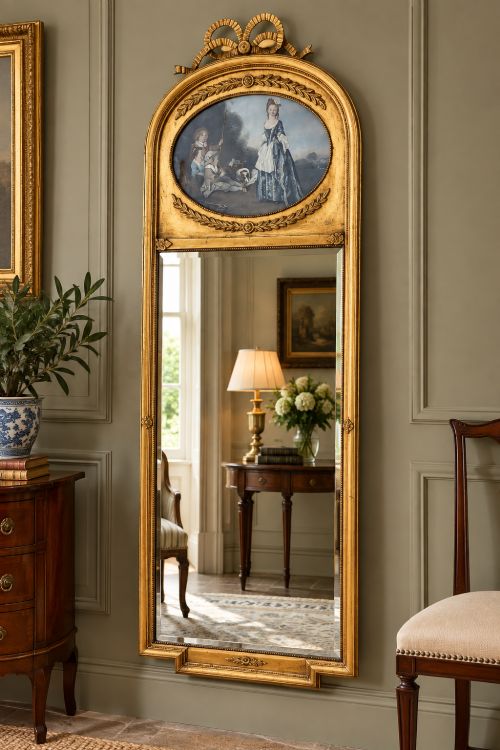
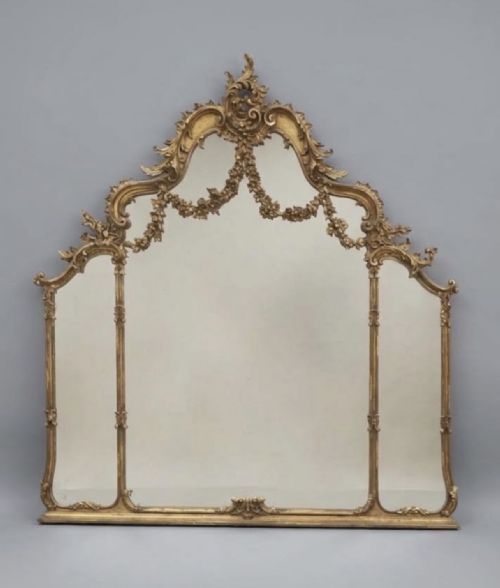
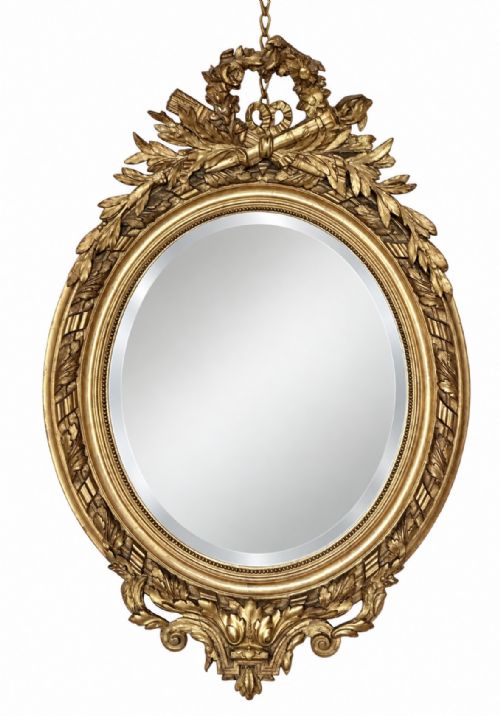
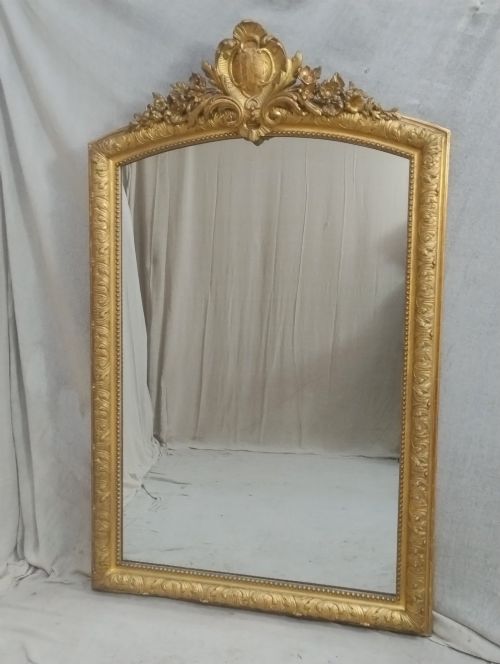
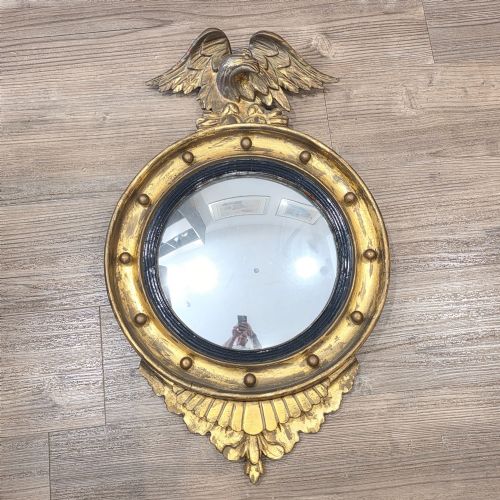
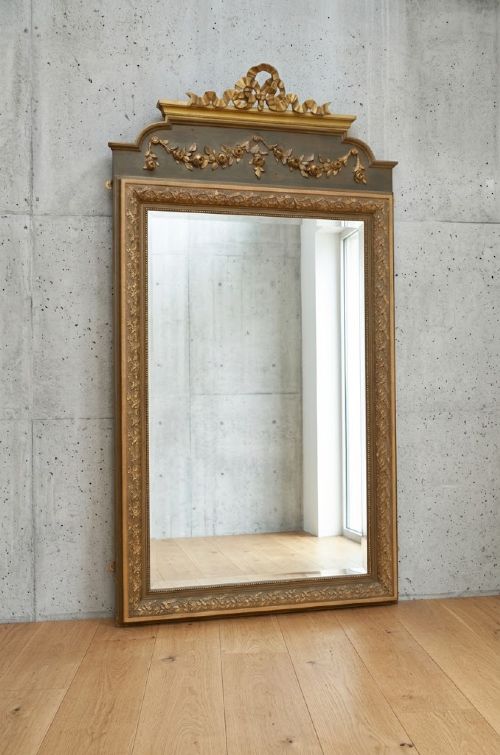
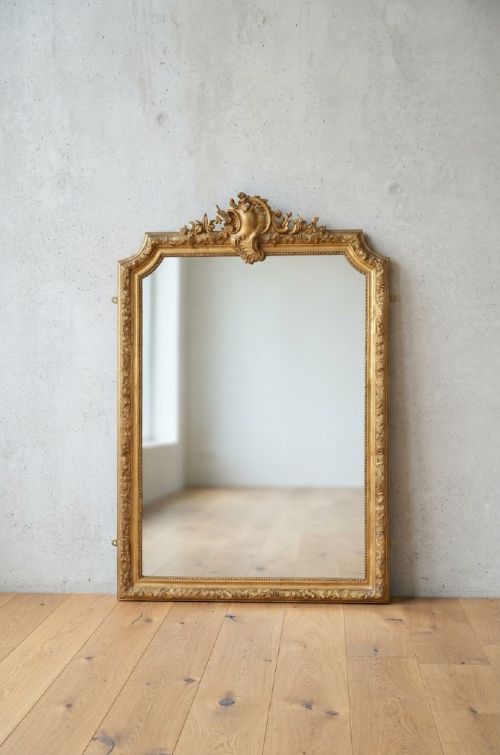
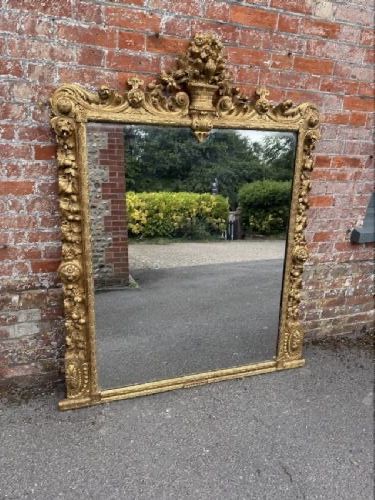
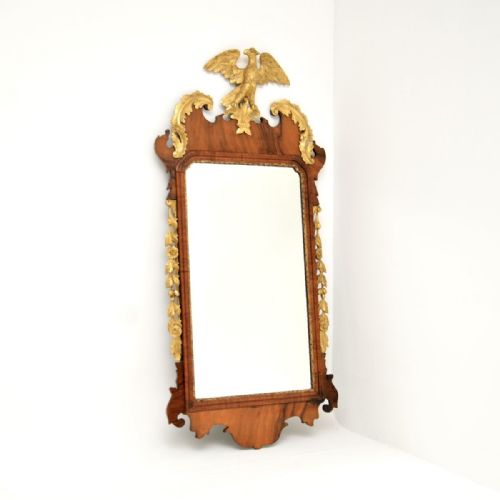
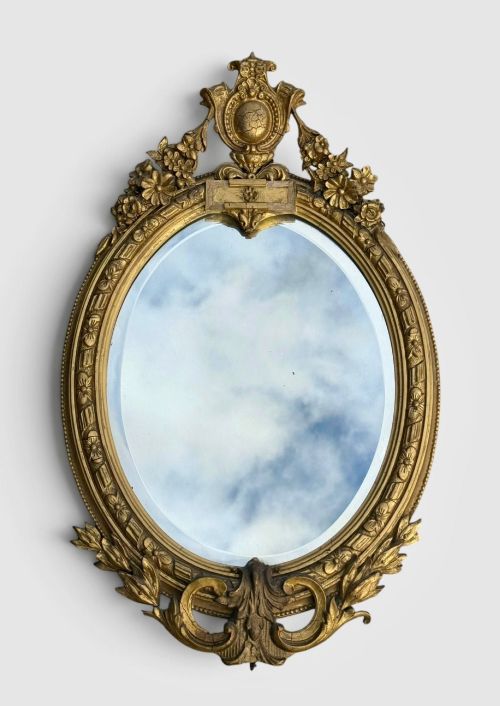
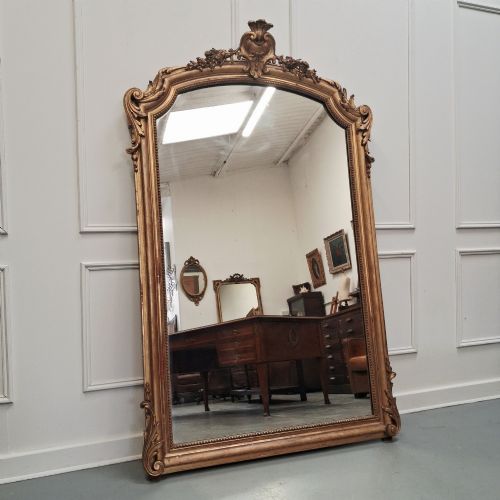
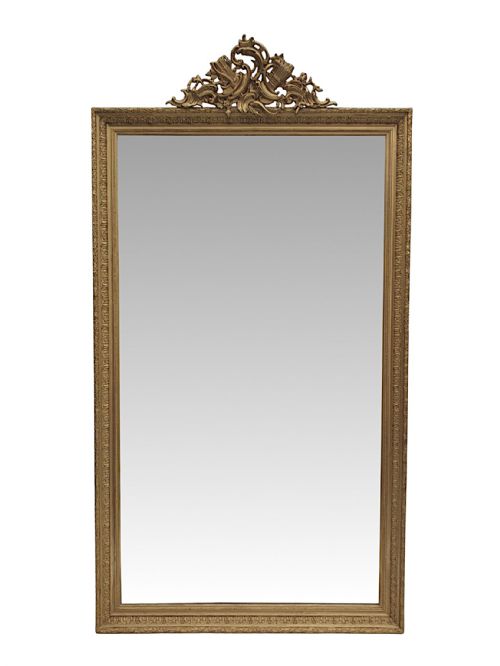
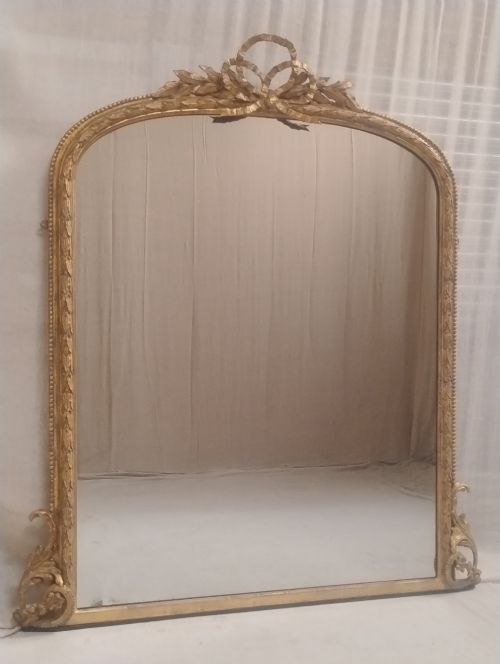
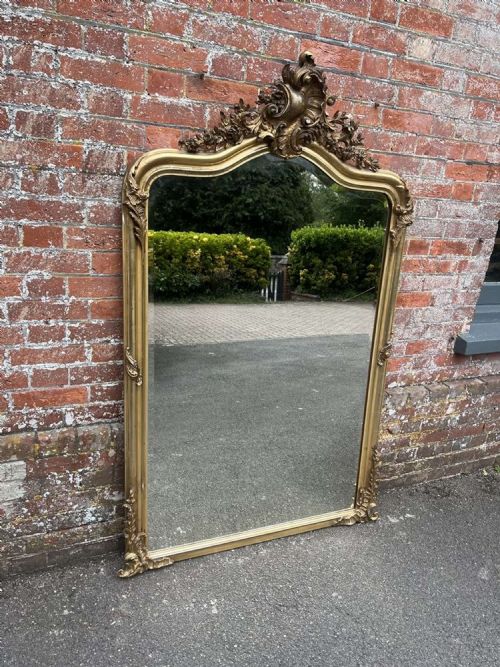
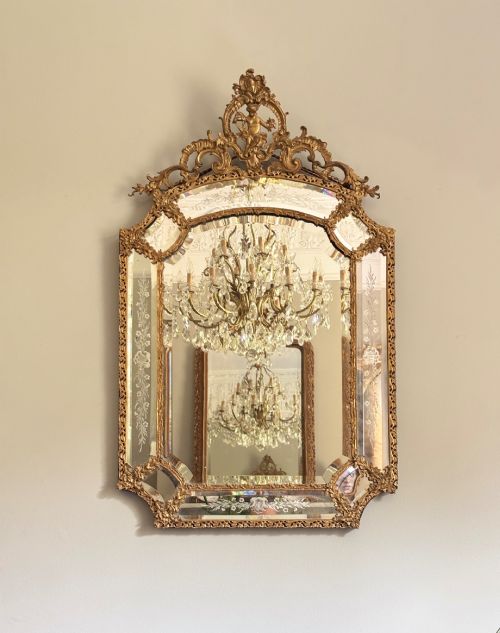
An antique gold crest mirror is typically a wall-hanging or overmantel glass panel defined by an ornate decorative ornament at the top, often taking the form of an eagle, ribbon, or rococo flourish. Buyers seeking this phrase encounter pieces predominantly from the nineteenth century, including French styles like Louis XV, Louis XVI, and Napoleon III, alongside English Regency and Victorian examples.
The selection ranges from large architectural overmantel mirrors designed to sit above a fireplace to smaller convex circular mirrors and tall pier mirrors intended for specific wall spaces. Many of these pieces incorporate distinct regional characteristics, such as the carved wooden frames of English workshops or the gesso and gilt finishes typical of French chateau interiors.
How they were made
The frames rely on a base of carved wood or moulded composition built up with layers of gesso before the application of gold leaf or paint. Artisans carved intricate details by hand or pressed composition ornaments into place while pliable, creating the relief work seen on crests and borders.
Mirrors from the eighteenth and nineteenth centuries frequently utilise glass treated with silver or mercury backings, which produces the characteristic dark spots known as foxing over time. Frames often combine ebonised wood or parcel-gilt highlights with traditional gilding techniques to achieve depth and contrast.
Materials recorded across current inventory include giltwood, gesso, ebonised wood, and mercury glass.
What varies in quality
The distinction between tiers of quality rests on the crispness of the hand-carved woodwork and the depth of the gesso relief compared to moulded composition substitutes. Superior examples retain their original gilding and retain integrity in the structural joints of the frame.
The presence of original mercury glass with natural foxing rather than modern replacement mirror plates influences the character of the piece. The articulation of the crest itself, whether an intricately carved eagle or a delicately rendered ribbon, separates standard production from exceptional craftsmanship.
The Antique Gold Crest Mirror Glossary
- Gesso
- A plaster-like mixture applied to wood frames to provide a smooth surface for gilding. It is built up in layers and can be carved or stamped with decorative motifs before the gold leaf is laid down.
- Giltwood
- Timber that has been coated with gold leaf or gold paint. In antique mirrors, the gold leaf is traditionally applied over a prepared ground of bole and gesso.
- Convex mirror
- A round mirror with a curved glass surface that reflects a wide, distorted field of view. These pieces frequently feature eagle surmounts and were popular during the Regency period.
- Overmantel mirror
- A large horizontal mirror designed to hang specifically above a fireplace mantelpiece. They often share proportions with the chimney breast they occupy.
- Foxing
- Age-related spots and discoloration appearing within the silver backing of older mirror glass. This natural oxidation process occurs as air reacts with the reflective coating over decades.
Antique Gold Crest Mirror: Frequently Asked Questions
How do I date an antique mirror?
Dating relies on examining the construction methods of the wooden frame, the composition of the gesso, and the backboards. Fasteners, joinery techniques, and the type of glass all provide clear indicators of the period of manufacture.
Style markers such as Regency convex forms or French Louis XVI symmetry also help narrow down the decade of origin when compared against historical records.
What is a crest mirror used for?
A crest mirror serves primarily as a decorative wall piece designed to bounce natural light around a room and create an illusion of space. The prominent top ornament draws the eye upwards, making ceilings appear taller.
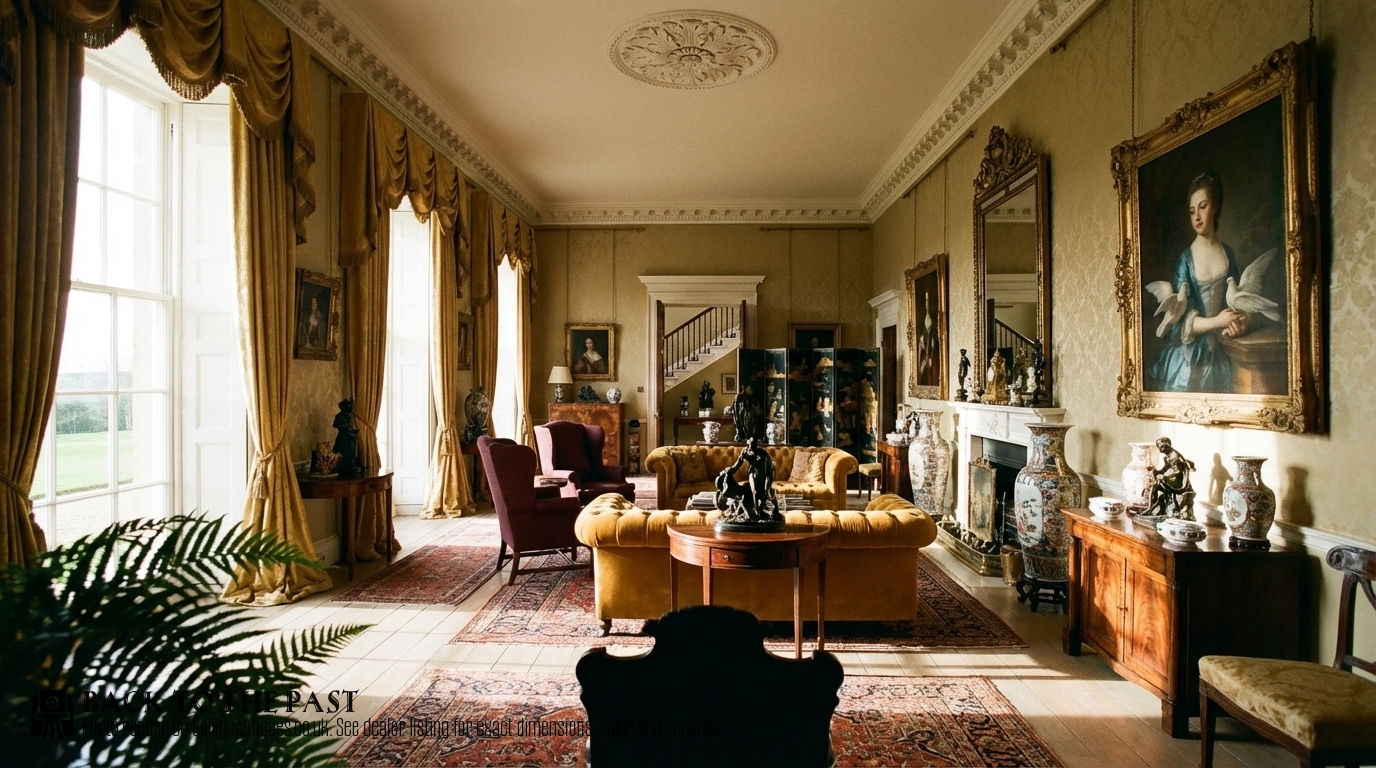
Historically, these mirrors anchored the decorative scheme of a reception room, often positioned above a fireplace or a pier table.
How should I hang a heavy antique mirror?
Hanging a heavy mirror requires securing fixings directly into wall studs or using appropriate masonry anchors rated for the weight of the timber and glass. Professional mirror hangers often utilise a French cleat system to distribute the load evenly across the wall.
Checking the structural integrity of the frame and the original hanging loops is essential before mounting any large piece.
Can foxed glass be replaced?
Original glass with foxing is generally preserved by collectors because it testifies to the age and authenticity of the piece. Replacing the glass is possible, but doing so often diminishes the historical value of the antique.
Most buyers prefer to accept the atmospheric dark spots and imperfections as part of the character inherent in nineteenth-century mirrors.