
Antique Gold Armchair Pair
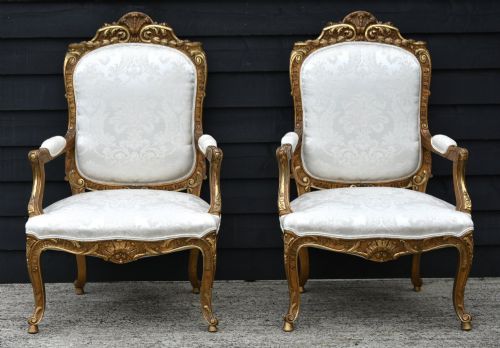
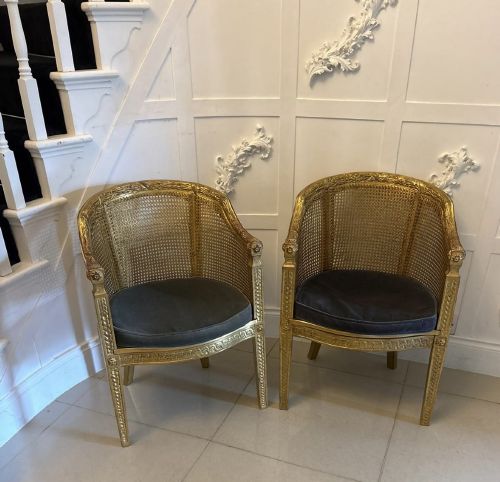
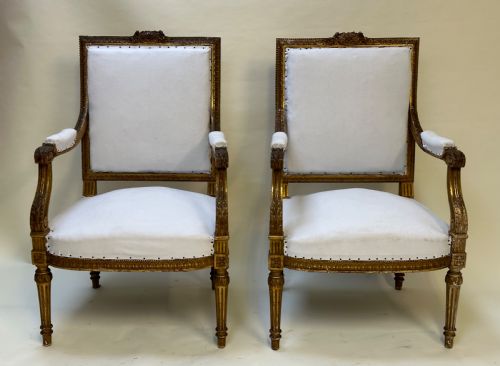
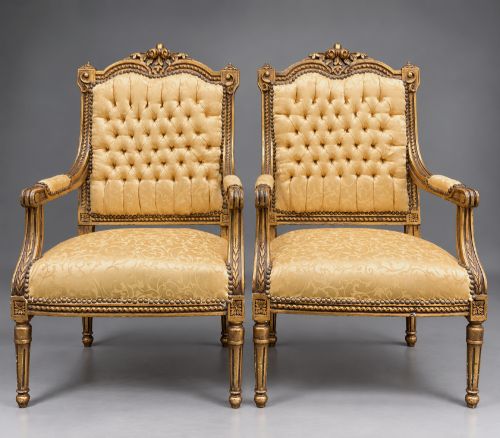
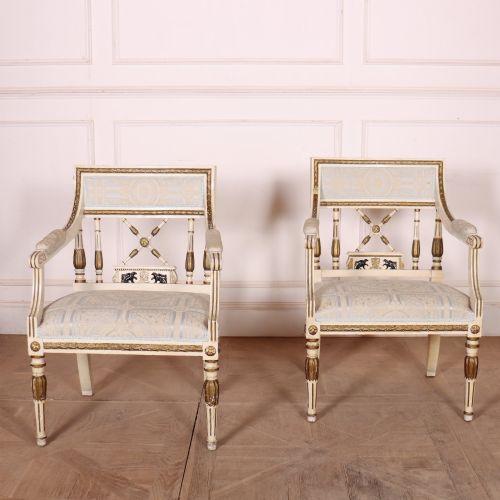
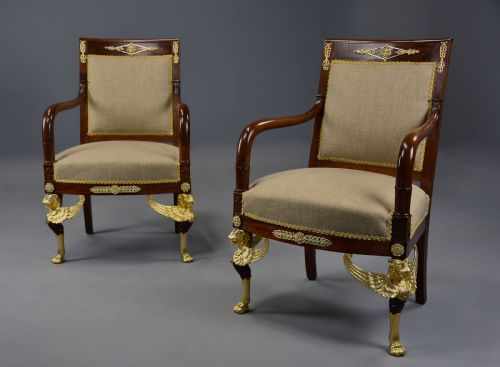
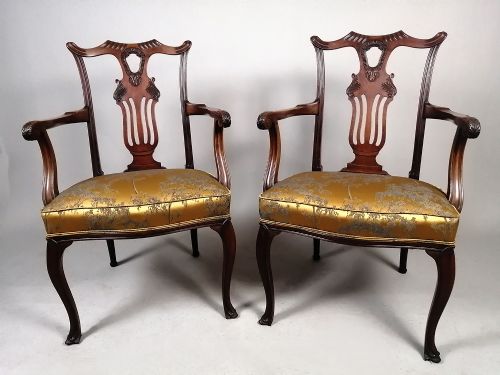
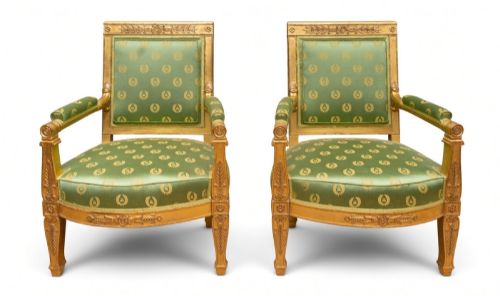
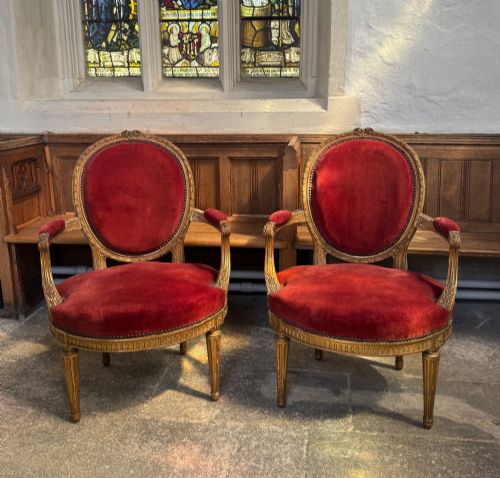
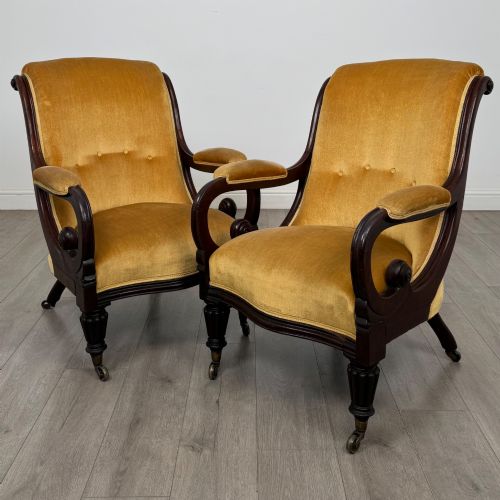
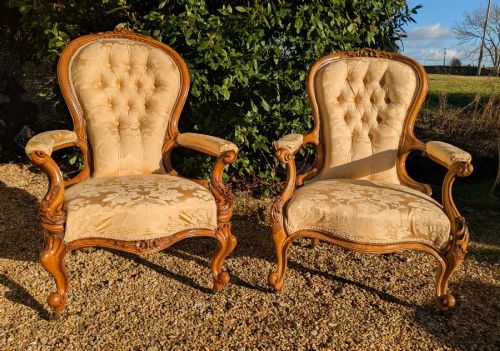
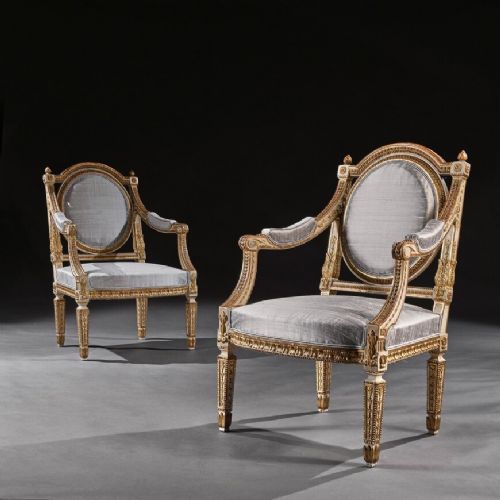
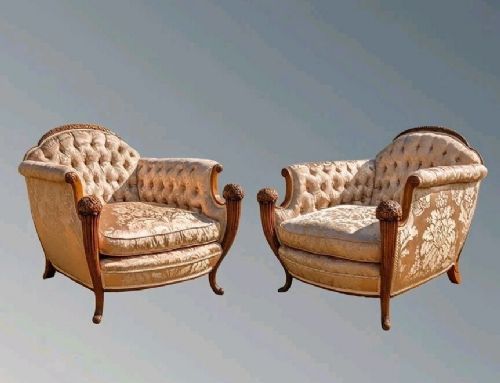
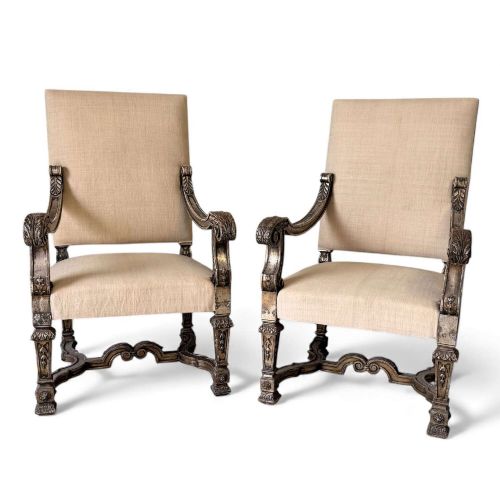
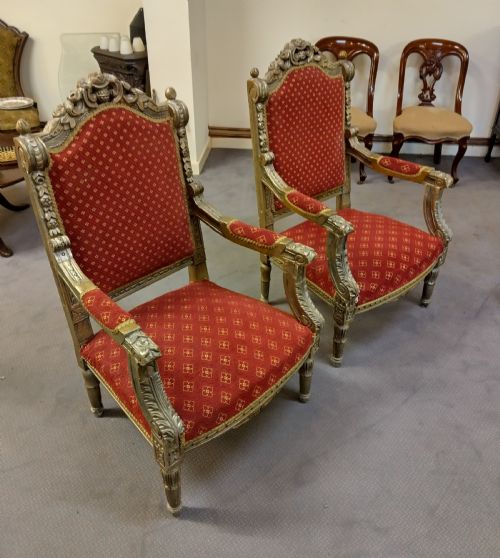
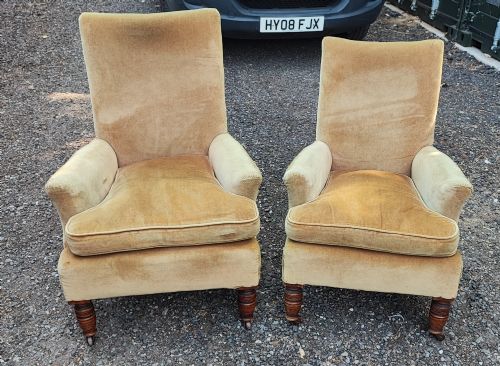
An antique gold armchair pair brings formal French and English seating into a room, offering matched upholstery and gilded frames for a dramatic focal point.
Antique Gold Armchair Pair
An antique gold armchair pair comprises twin seating options designed for formal reception rooms, parlours and salons. When searching for an antique gold armchair pair, buyers encounter pieces primarily originating from the nineteenth century alongside eighteenth-century and early twentieth-century examples.
The selections span distinct stylistic revivals including Louis XVI, Napoleon III, French Empire, Regency and Baroque designs. Common forms include open armchairs, bergères, fauteuils, salon suites and library chairs.
Many of these pairs trace their design lineage to French chateau aesthetics or English period furniture traditions. They provide symmetrical seating arrangements intended to anchor a drawing room or formal study.
Materials and construction methods
The primary structural framework relies on hardwoods such as mahogany, walnut and timber, which provide the necessary strength for carved frames. Giltwood, gilded finishes and painted treatments are applied to create the distinctive golden surface appearance.
Upholstery materials range from traditional velvet and damask to pure silk and patterned fabric. Artisans employ detailed carving techniques to embellish the wooden armrests, rails and legs with floral or scroll motifs.
Look closely for miniature children's salon chairs scaled down for nineteenth-century nurseries.
Assessing craftsmanship and condition
Quality separates pairs featuring crisp, hand-carved wooden details from those with softer or more generic ornamentation. The depth and precision of the gilding indicate the level of workshop care invested in the original creation.
The integrity of the frame construction and the authenticity of the period upholstery materials dictate the standing of a piece within the range. Retaining original silk, tapestry or damask elevates a matched pair above examples requiring modern re-upholstery.
Jacob Desmalter·Holland and Sons
The Antique Gold Armchair Pair Glossary
- Giltwood
- Timber coated with gold leaf or a gold-coloured finish over a prepared gesso base. This material defines the bright, reflective appearance characteristic of many formal nineteenth-century salon seats.
- Bergère
- An enclosed armchair featuring upholstered sides filled with cane or fabric. This French form provides a deeper, more enclosed seat than standard open armchairs.
- Damask
- A reversible figured fabric traditionally woven on a jacquard loom with patterns in satin and sateen. It frequently appears as the primary upholstery covering on formal period salon chairs.
- Regency
- A British design period spanning the early nineteenth century defined by classical restraint and archaeological revival motifs. Pieces from this era often incorporate reeded legs and classical architectural lines.
Antique Gold Armchair Pair: Frequently Asked Questions
Where were these armchairs placed originally?
These chairs were designed for formal reception rooms, grand salons and drawing rooms in large residences. They provided matching seating arrangements for guests during social gatherings.
Pairs were positioned symmetrically around fireplaces or used as conversational groupings within the main entertaining spaces of a home.
How do I distinguish Louis XVI style from Napoleon III?
Louis XVI style pieces display neoclassical restraint, featuring straight tapered legs, fluting and geometric carvings. They reflect eighteenth-century French architectural ideals.
Napoleon III pieces, dating from the mid-to-late nineteenth century, lean towards eclectic revivalism with heavier ornamentation, opulent gilding and plush upholstery.
Can these chairs be used in modern interiors?
These pairs function effectively as statement pieces in contemporary living rooms or bedrooms, adding texture and historical contrast. Their gilded frames and ornate carvings draw the eye as focal points.
Many buyers pair them with minimalist furnishings to highlight the craftsmanship of the carved wooden frames.