




Antique Glove Box
An antique glove box is a refined receptacle designed to store fine handwear, offering a tangible link to the formal dress habits of past centuries.
Antique Glove Box
When you search for an antique glove box, you encounter dedicated containers fashioned specifically to preserve the shape and fabric of long gloves before the widespread use of modern synthetics. The versions most commonly met on this page span the Victorian and Edwardian eras, reflecting a time when hands were rarely uncovered outdoors.
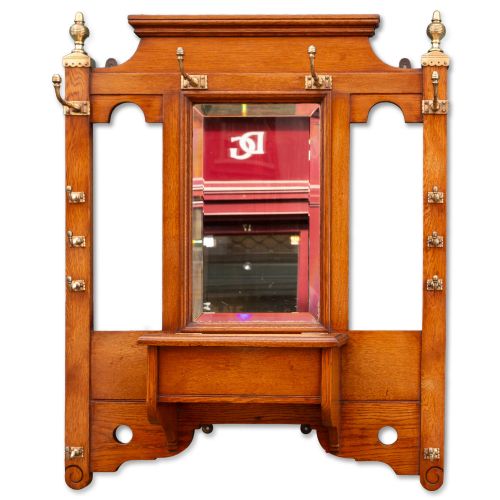
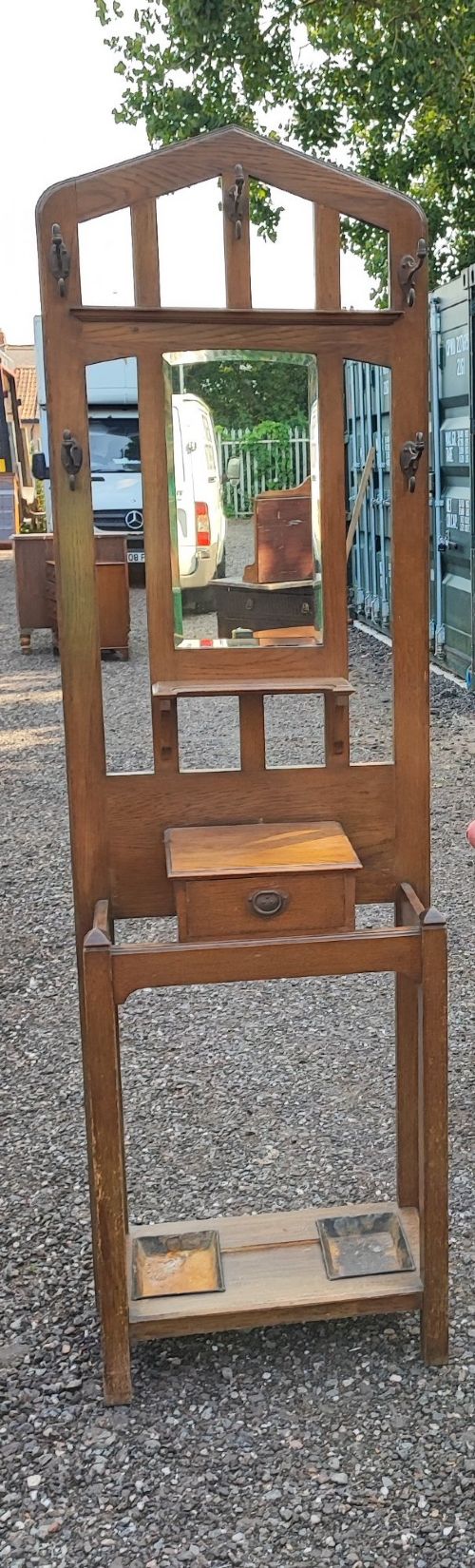
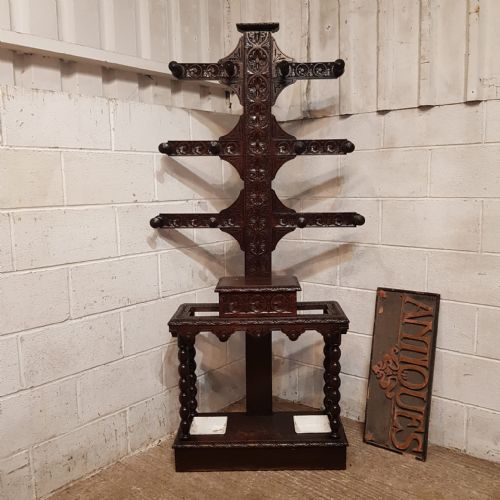
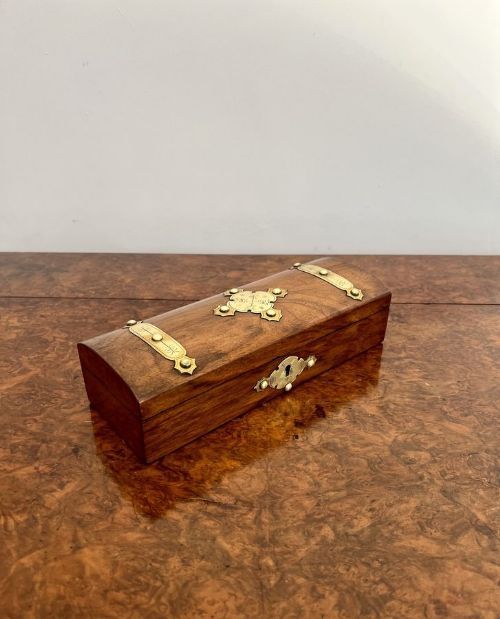
These pieces take the form of elongated rectangular caskets or hinged boxes, constructed to fit the narrow proportions of historical handwear. Alongside standalone caskets, the evidence also captures larger hallway furniture incorporating glove compartments alongside umbrella stands and coat hooks.
Origins stretch across English and continental workshops, displaying a variety of woods and decorative treatments suited to parlour display or hallway organisation. They represent a precise domestic accessory that has transitioned from a utilitarian dressing room necessity to a decorative desktop or side table feature.
Materials and construction
Makers utilised dense timbers such as rosewood, walnut, and oak as the foundational carcass, often selecting burr veneers or exotic woods like coromandel and tulipwood for exterior display. These surfaces frequently receive intricate embellishments including brass mounts, mother of pearl inlay, and meticulous Tunbridge Ware mosaic work.
Interior compartments commonly feature fitted silk or velvet linings designed to cushion delicate leather or fabric gloves. Hinges, locks, and cut steel mounts provide functional security and structural definition to the corners and lids of the boxes.
Turned boxwood powderers allowed historical dressers to puff fine starch inside stubborn gloves so hands slid in smoothly.
Variations in quality
Distinction across the range lies in the precision of the cabinetwork and the complexity of the exterior decoration. Pieces displaying finely fitted interiors with original silk or velvet upholstery sit above simpler unlined wooden vessels.
The choice of exterior veneer and the intricacy of inlay work dictate the standing of a piece. Elaborate brass binding, detailed Tunbridge Ware mosaic patterns, and signed maker mounts elevate certain caskets above standard production items.
William Hutton·Parkins and Gotto
The Antique Glove Box Glossary
- Tunbridge Ware
- A form of decorative woodworking characterised by mosaic tile patterns made from multiple small coloured woods. It creates detailed pictorial or geometric designs on box lids.
- Burr walnut
- A figured timber obtained from the growth growths of walnut trees, yielding rich swirling grain patterns. It was favoured for high-status Victorian veneer work.
- Coromandel
- A dense, heavily variegated timber imported from Asia, valued for its dark brown colour and striking black stripes. It was frequently utilised for luxury nineteenth-century boxes.
- Sarcophagus
- A box shape featuring a sloping lid and flared base reminiscent of classical stone monuments. This architectural form was popular for keepsake and glove caskets.
- Treen
- Small handmade wooden domestic objects produced prior to the twentieth century. This encompasses turned items such as vintage glove powderers.
Antique Glove Box: Frequently Asked Questions
What is an antique glove box?
An antique glove box is a specialised lidded container created to store and protect fine leather or fabric gloves when not being worn. These vessels were standard accessories in nineteenth-century dressing rooms and hallways.
They reflect an era when gentlemen and ladies wore gloves routinely outdoors, requiring dedicated storage to keep handwear clean and uncreased. Today they function as decorative caskets for letters or small treasures.
How were glove boxes used?
These boxes sat upon dressing tables, hallway consoles, or reception desks to hold clean gloves ready for social calls or public outings. Family members placed their handwear inside alongside small grooming accessories.
Some examples integrated into larger hallstands served as a central household drop-off point for keys and mail alongside handwear. Their velvet or silk interiors prevented delicate leather from drying out or scuffing.
How do I date an antique glove box?
Dating relies on observing the combination of timber selection, interior lining materials, and exterior decorative techniques. Victorian examples frequently employ rosewood, burr walnut, and Tunbridge Ware mosaic decoration.
Edwardian pieces often display lighter oak timbers or simpler Arts and Crafts stylistic influences. Hardware such as brass hinges and lock plates also provides helpful clues to the period of manufacture.
How do I care for an antique glove box?
Preservation involves keeping the wooden exterior away from direct sunlight and maintaining stable indoor humidity levels to protect fragile veneers. Gentle dusting with a dry cloth keeps the surface clean without stripping the historic polish.
Interior velvet or silk linings benefit from occasional light vacuuming with a soft brush attachment if dust accumulates. Original locks and hinges should remain unlubricated unless mechanism movement requires professional intervention.