

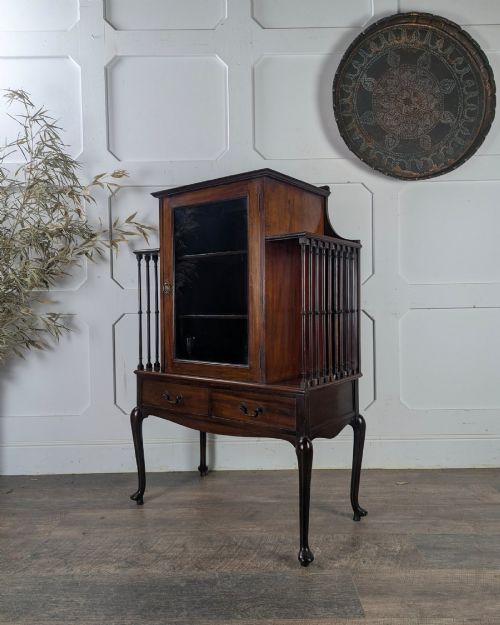
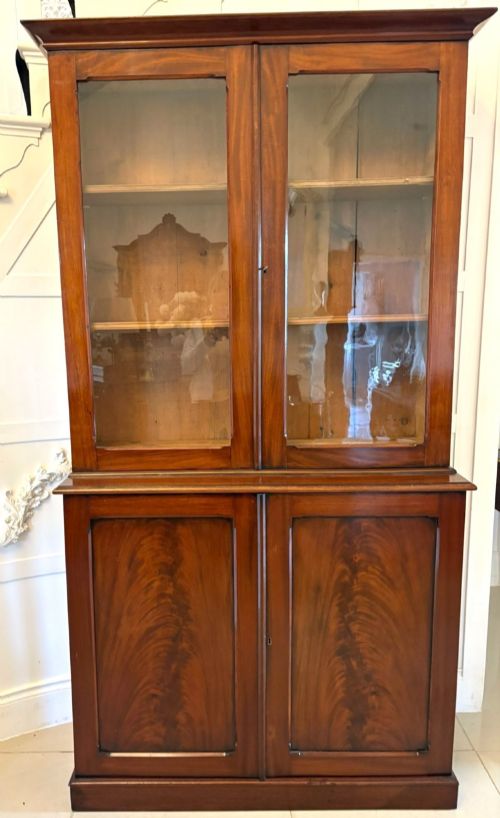
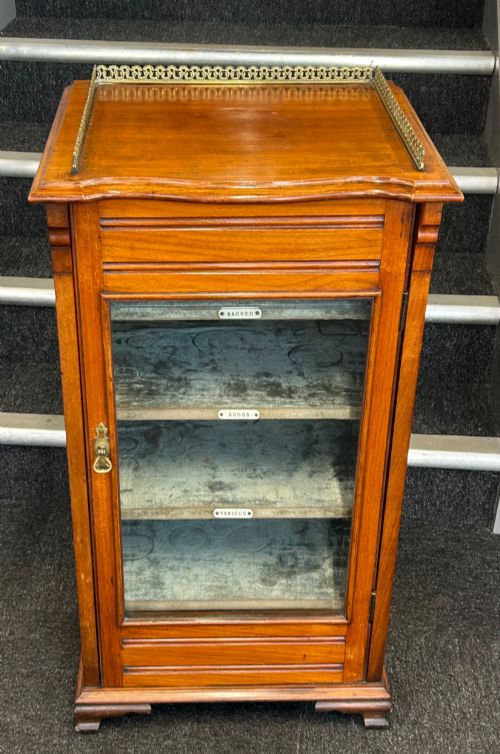
Antique Glazed Storage Cabinet
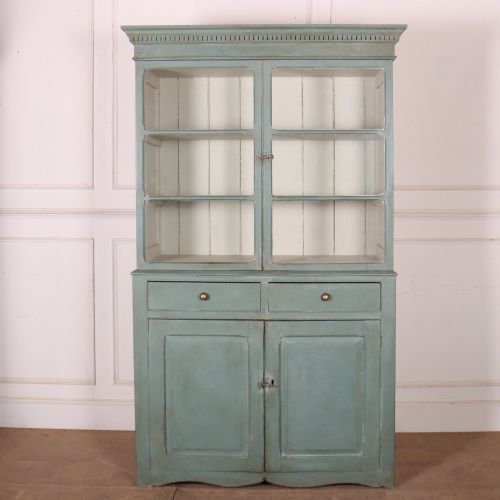
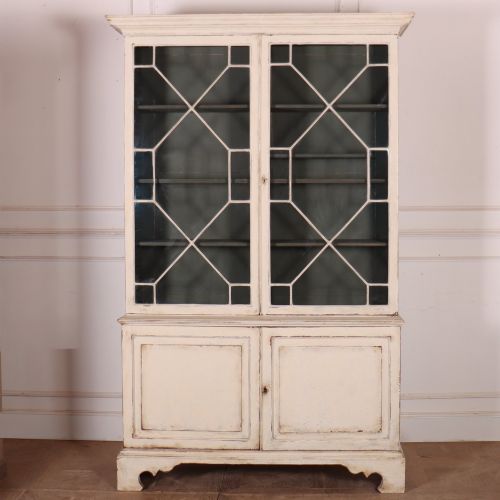
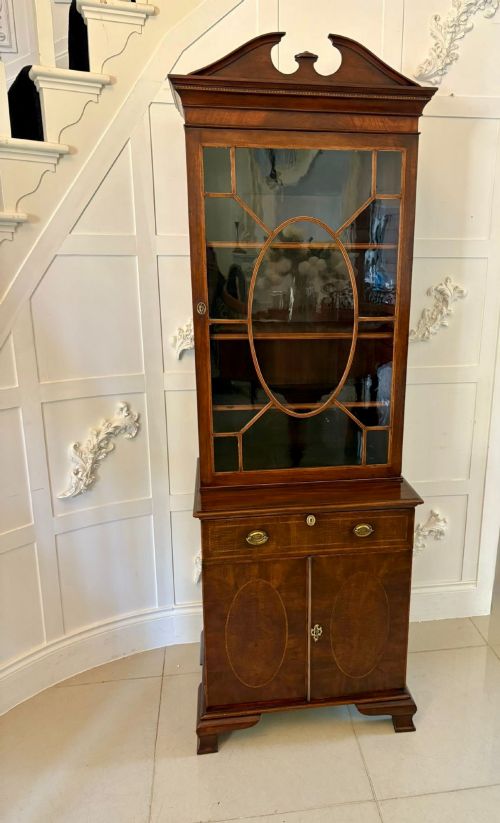
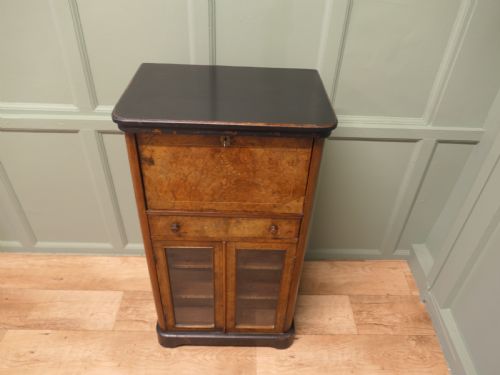
An antique glazed storage cabinet keeps books and collections visible yet protected, bringing period timber and glass into a room.
Antique Glazed Storage Cabinet
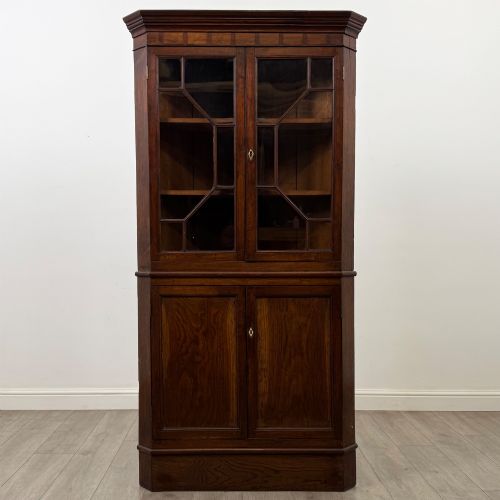
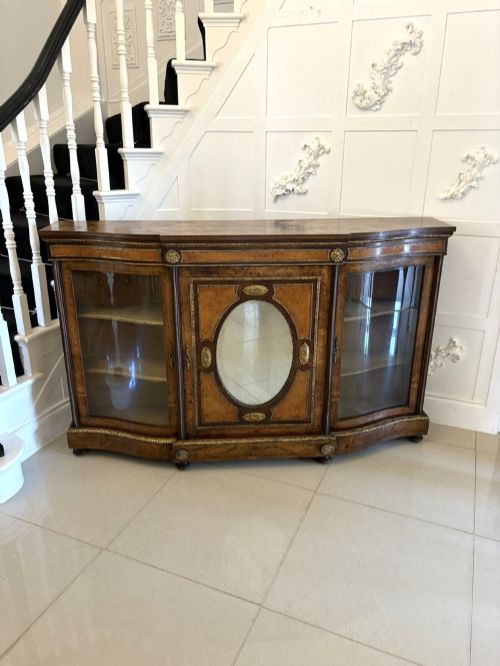
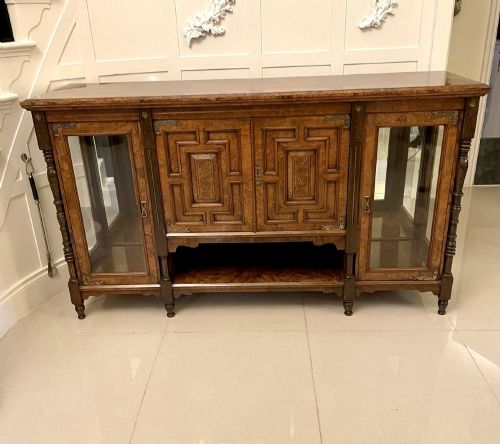
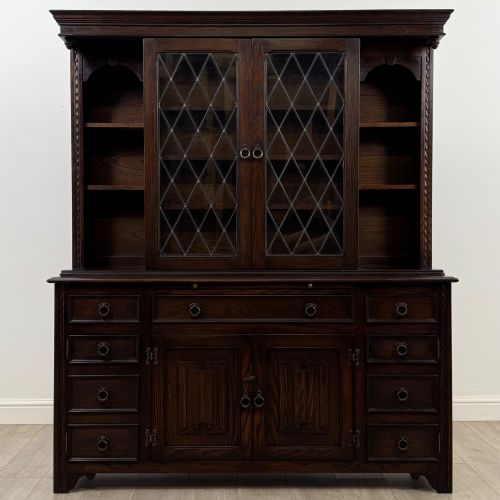
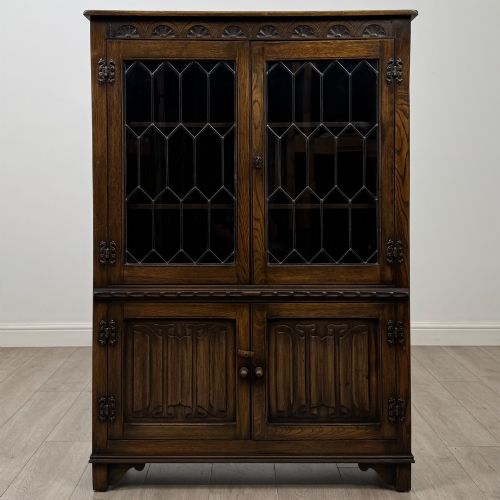
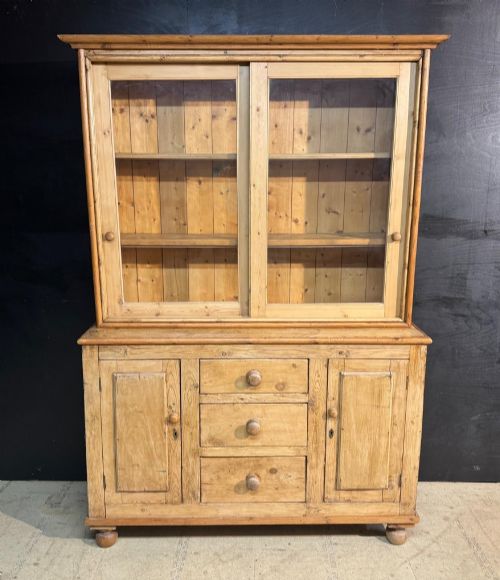
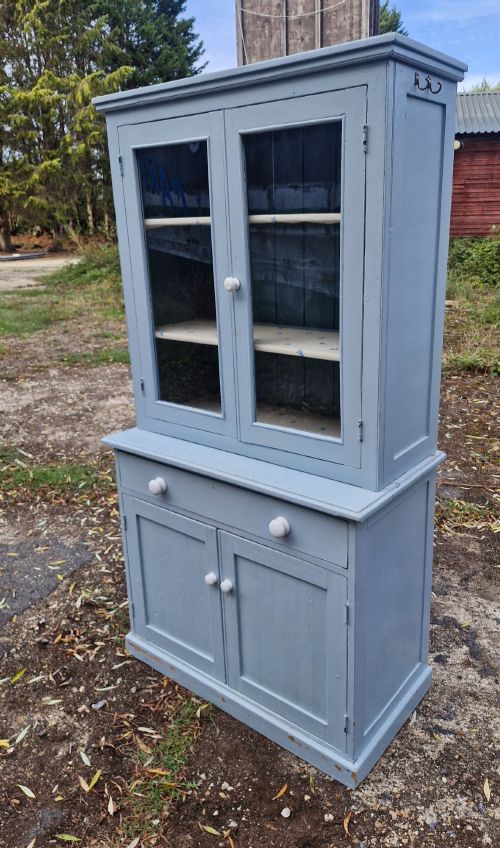
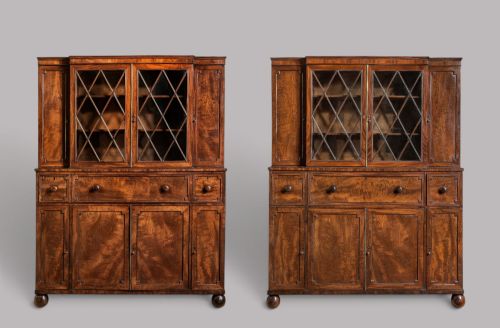
An antique glazed storage cabinet encompasses a variety of forms designed to hold books, household goods, and collections behind glass doors. The selection includes bookcases, display cabinets, corner cabinets, music cabinets, credenzas, and kitchen dressers.
Regional variations and revival styles appear across the inventory, including English Country furniture, Regency designs, Tudor Revival, and Jacobean Revival pieces. Many items combine open display shelves with enclosed lower cupboards or specialised drawers.
How they were made
Cabinet makers utilised a range of solid woods and decorative veneers, incorporating mahogany, oak, pine, walnut, and burr walnut into the primary structures. Glass panels were fitted into wooden doors to protect the contents while allowing visibility.
Joinery techniques matched the period and form, utilising sturdy frames for large bookcases, dressers, and two-part corner cupboards. Decorative elements such as brass hardware, ormolu mounts, inlaid details, and painted finishes frequently completed the construction.
One extraordinary fifteen-drawer insect cabinet by Watkins and Doncaster preserves the meticulous storage habits of nineteenth-century entomologists.
What varies in quality
The calibre of an antique glazed storage cabinet depends upon the selection of timber, the precision of the joinery, and the refinement of the decorative details. Desirable pieces often feature finely figured veneers, well-matched wood grains, and intact original glass.
Proportion and execution distinguish finer items from simpler utilitarian furniture, whether in the carving of an Edwardian oak cabinet or the brass mounts of a Victorian burr walnut credenza. The integrity of the original finish and hardware also influences the overall character of the piece.
Gillows·Leonard Wyburd for Liberty and Co·Watkins and Doncaster
The Antique Glazed Storage Cabinet Glossary
- Credenza
- A low cabinet or sideboard, often fitted with doors and glass panels, originating as a serving table. Victorian examples frequently incorporate elaborate veneers and ormolu mounts.
- Breakfront
- A large cabinet design where the central section projects forward from the flanking wings. This architectural arrangement creates depth and visual interest in bookcases.
- Corner cupboard
- A specialised storage unit constructed to fit neatly into the corner of a room. These pieces appear in single-part forms or as tall two-part cupboards with glazed upper doors.
- Ormolu
- Gilded bronze ornamentation applied to furniture, commonly seen on high-status Victorian cabinets. It provides a metallic contrast to dark woods like burr walnut and mahogany.
- Linenfold
- A style of wood carving that mimics folded fabric, frequently found on panels of Edwardian oak cabinets and Tudor Revival pieces.
Antique Glazed Storage Cabinet: Frequently Asked Questions
What is an antique glazed storage cabinet used for?
These cabinets serve to store and exhibit books, ceramics, sheet music, and personal collections safely behind glass doors. They keep dust away from contents while displaying them within domestic interiors.
Different forms suit different rooms, from narrow corner cupboards in dining spaces to large breakfront bookcases in studies or libraries.
How do I identify a Victorian glazed cabinet?
Victorian pieces often employ dense timbers such as mahogany, walnut, and burr walnut, sometimes featuring applied brass or ormolu mounts. The joinery and proportions reflect mid to late nineteenth-century manufacturing methods.
Styles from this era range from simple pine storage units to highly ornate credenzas and music filing cabinets.
How do I care for wood and glass cabinets?
Maintain the timber surfaces using appropriate waxes or polishes suited to the specific finish, whether polished mahogany or waxed pine. Avoid placing antique wood in direct sunlight or near heat sources to prevent warping.
Clean the glass panels gently with standard glass cleaner applied to a cloth rather than sprayed directly, protecting the surrounding wooden frame.