


Antique Glazed Porcelain
Antique glazed porcelain brings domestic interiors centuries of ceramic artistry through vases, figurines and table lamps shaped by diverse international kilns.
Antique Glazed Porcelain
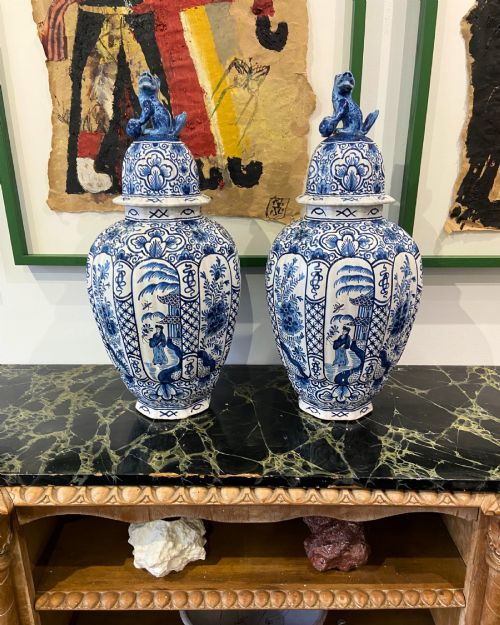
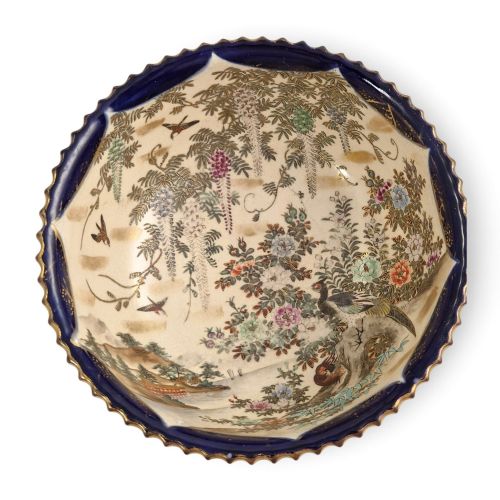
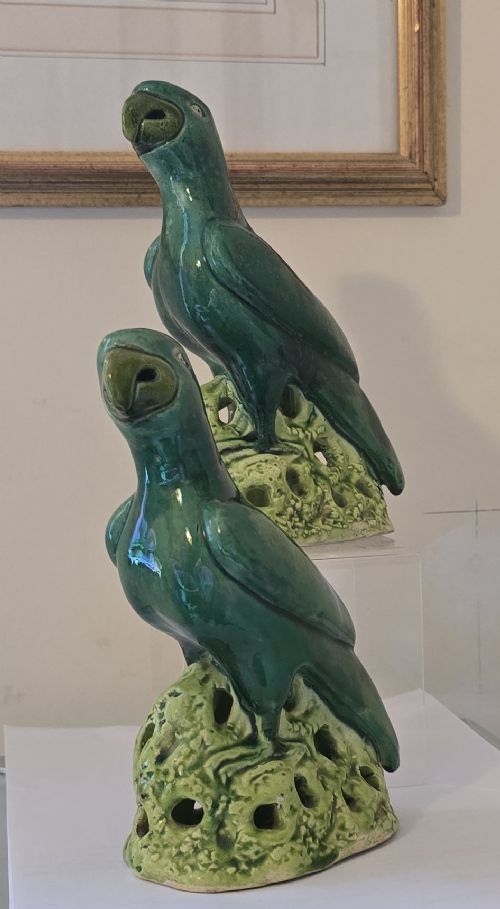
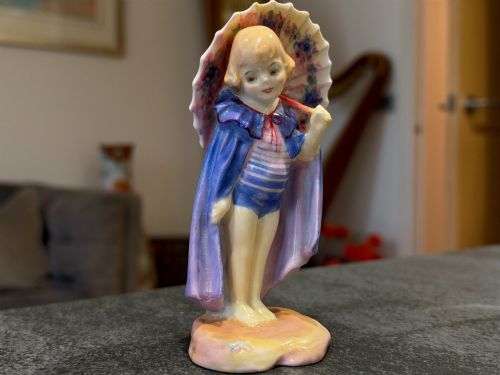
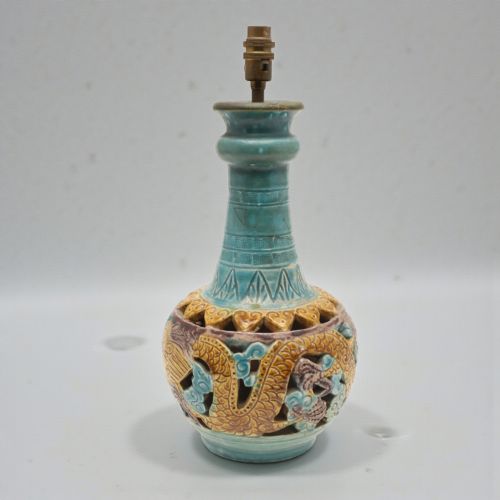
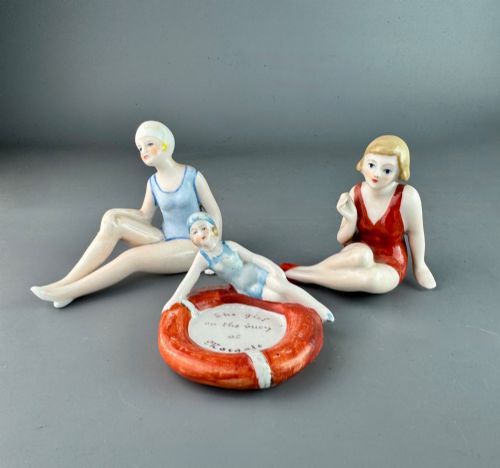
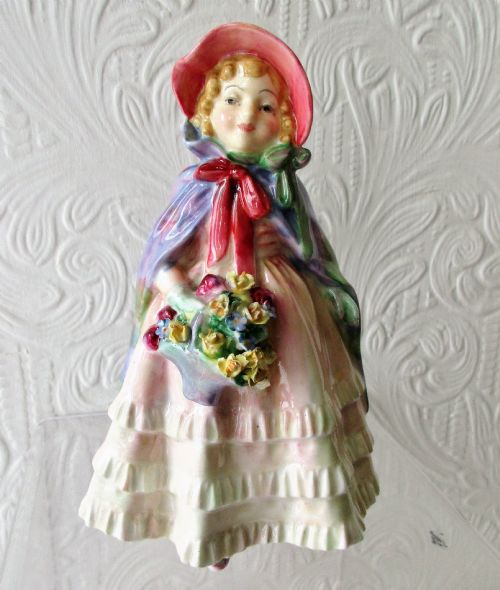
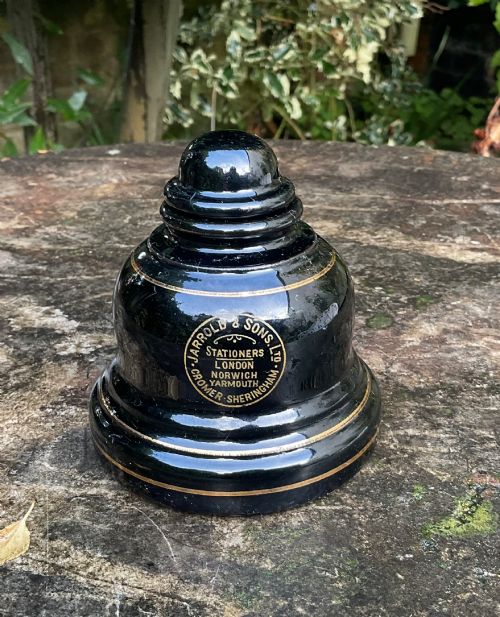
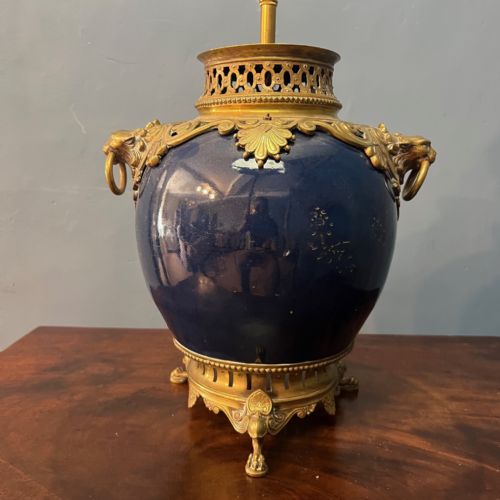
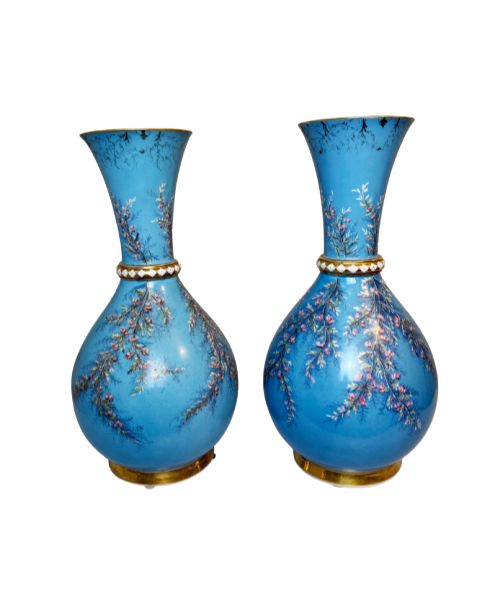
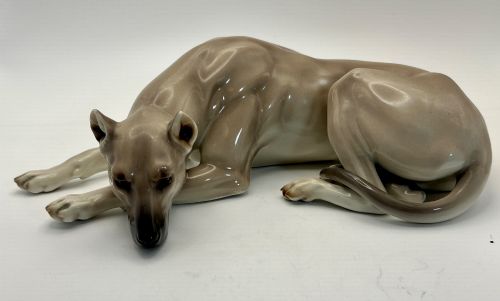
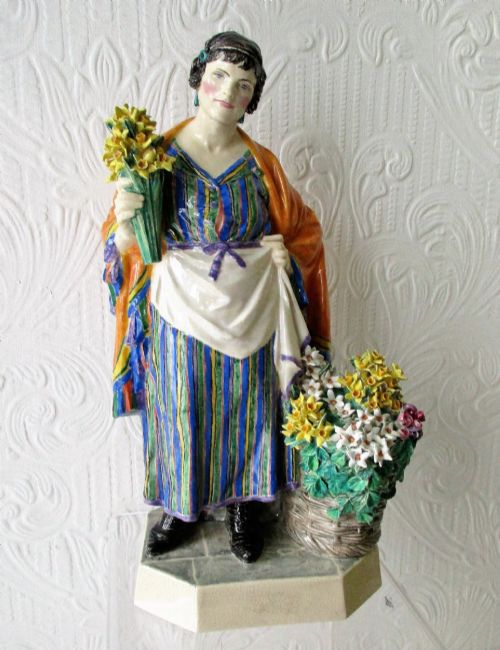
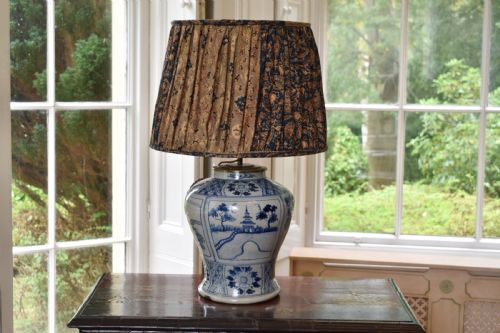
When searching for antique glazed porcelain, collectors encounter a diverse array of items ranging from 18th-century Chinese vessels to Victorian European decorative objects. The selection commonly includes vases, figures, table lamps and bowls created across various periods including the 19th century, Edwardian era and 1900s.
Vessels and figures often feature distinct stylistic influences such as Chinese Export, Dutch Baroque, Art Nouveau and Rococo Revival. These domestic and decorative items display surface treatments that vary from monochrome glazes to elaborate polychrome enamels and gilding.
How they were made
Makers utilised high-firing ceramic materials, porcelain and earthenware bodies, coating them in vitreous glazes that provided smooth, impermeable surfaces. Artisans frequently applied secondary embellishments such as gold leaf, enamel painting and ormolu mounts to enhance the visual depth of the forms.
Techniques varied between European factories employing bone china formulas and Asian kilns utilising traditional celadon, blue and white, or famille rose pigment applications. Firing temperatures and glaze chemistries determined the final gloss, crackle or matte texture of each piece.
Antique Glazed Porcelain Retail Price Guide 2026
Typical asking prices for glazed porcelain among the pieces listed under this phrase on Sellingantiques today, from the lower quarter to the upper quarter. They describe what is for sale here now, not the wider market.
Listings feature porcelain forms spanning the 17th century to the 1930s, including works from the Kangxi and Qianlong periods.
What varies in quality
Quality rests upon the precision of the form, the clarity and execution of the hand-painted enamel or underglaze decoration, and the stability of the glaze finish. Superior items demonstrate careful control during the firing process, avoiding warping, running glazes or muddy pigment transfers.
The sophistication of ancillary elements, such as finely chased ormolu mounts and delicately modelled figural details, distinguishes standard utilitarian wares from ambitious studio and factory productions.
Coalport·Meissen·Karl Ens·Royal Doulton·Nymphenburg·Hampton and Sons·Royal Worcester·Minton
The Antique Glazed Porcelain Glossary
- Porcelain
- A hard, white, translucent ceramic substance composed of kaolin and petuntse fired at high temperatures. It forms the vitrified body of many antique vessels and figures.
- Glaze
- A glassy coating fused to the ceramic surface during firing to seal the porous clay body and provide colour or sheen. It can be clear, coloured, crackled or opaque.
- Enamel
- Opaque or translucent vitreous composition applied over a fired glaze and refired at a lower temperature to add polychrome detail. It allows for intricate, colourful surface patterns.
- Ormolu
- Gilded bronze or brass mounts applied to furniture, clocks and ceramic bases during the 18th and 19th centuries. These decorative elements frame or support the porcelain body.
Antique Glazed Porcelain: Frequently Asked Questions
How do I identify Chinese export porcelain?
Look for specific stylistic motifs, blue and white underglaze painting, or famille rose enamel palettes tailored for Western markets. These objects often combine traditional Asian potting techniques with forms requested by European buyers.
Examine the foot ring and body density to determine the manufacturing origin and period characteristics.
What is the difference between porcelain and earthenware?
Porcelain is fired at much higher temperatures until the clay body vitrifies, making it dense, non-porous and frequently translucent. Earthenware remains more porous and requires an opaque glaze to seal the softer body.
Most fine decorative vases and figurines utilise porcelain rather than earthenware.
How should I clean antique glazed porcelain?
Dust surfaces gently with a soft, dry brush to prevent the accumulation of particles in crevices. Avoid harsh chemical cleaners or abrasive materials that might damage delicate enamel work or gilding.
Wash pieces infrequently in lukewarm water with mild soap only when necessary, drying them immediately with a soft cloth.
Can I use antique porcelain lamps safely today?
Antique porcelain lamp bases can generally be wired for modern electrical standards by a qualified professional. Ensure that any drilled holes or mounting hardware do not compromise the structural integrity of the ceramic body.
Check that internal wiring meets current safety regulations before regular daily use.