




Antique Glazed Book Storage
Antique glazed book storage units offer refined protection for volumes, bringing period timber and clear panelling together.
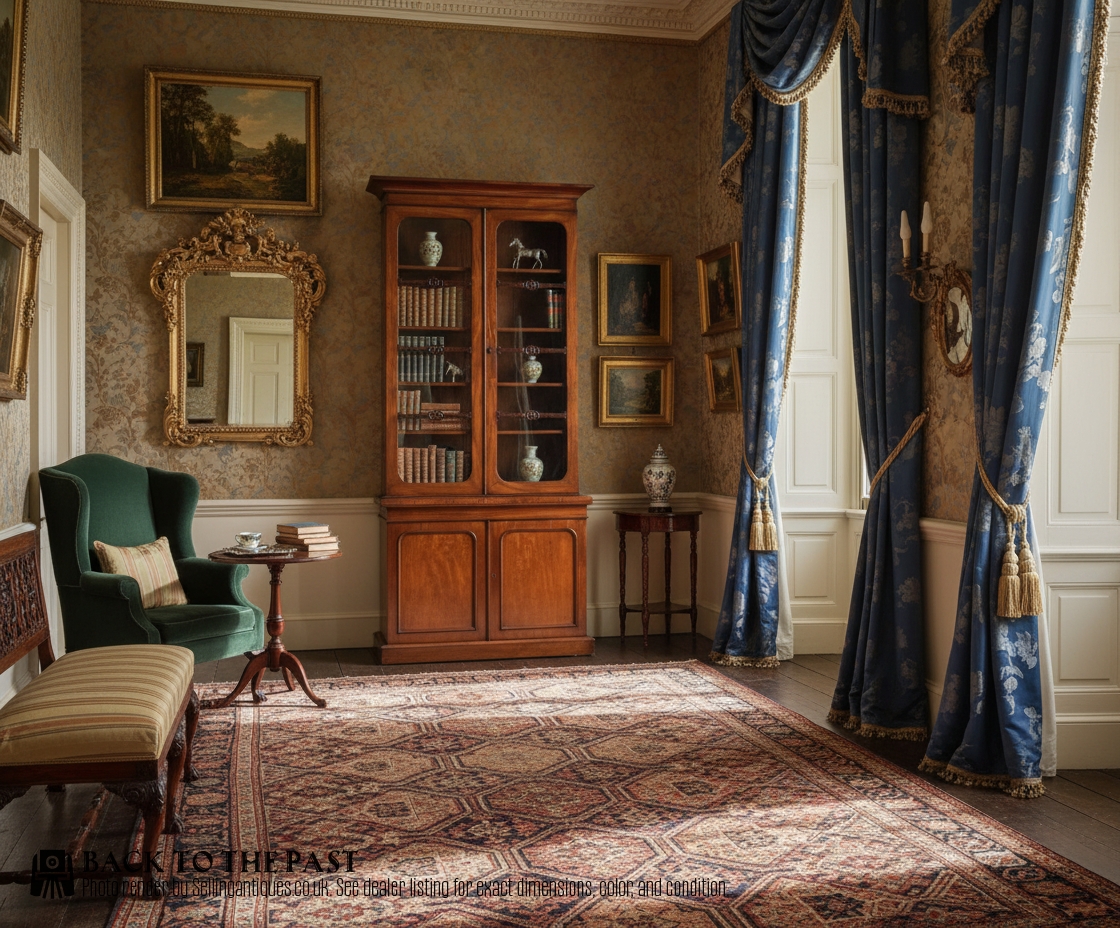
Antique Glazed Book Storage
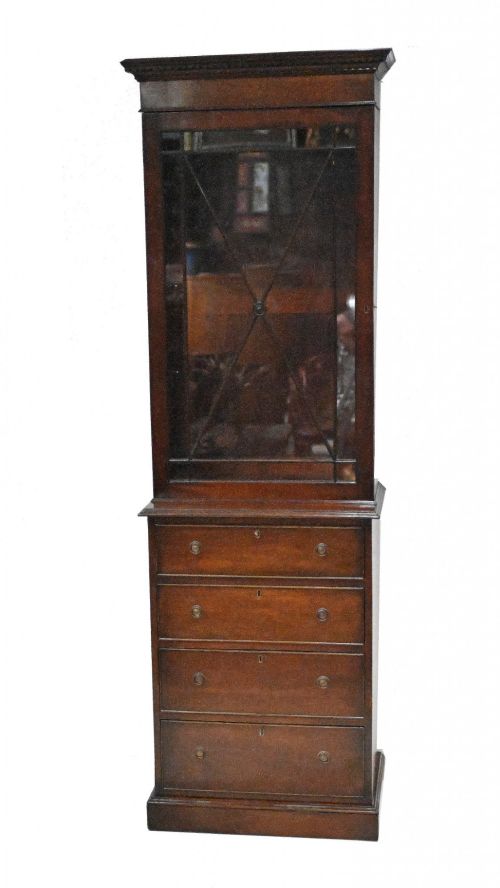
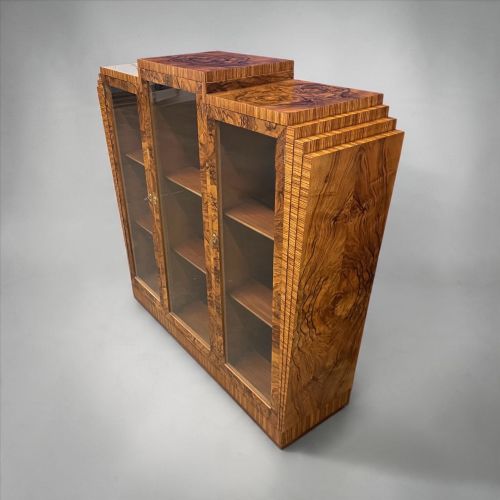
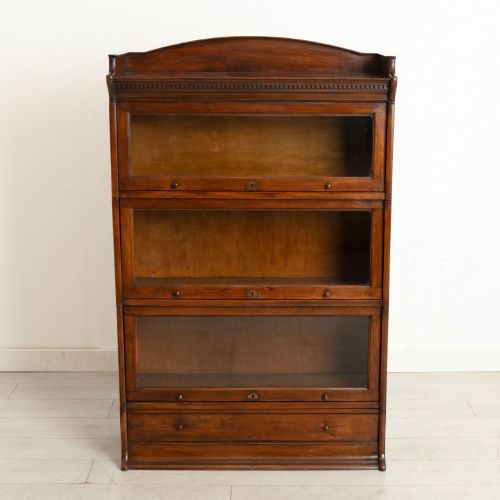
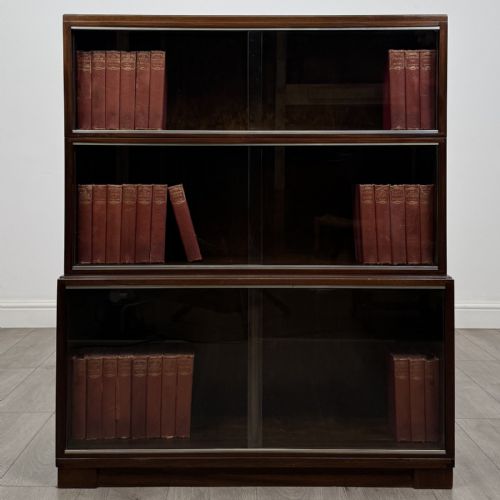
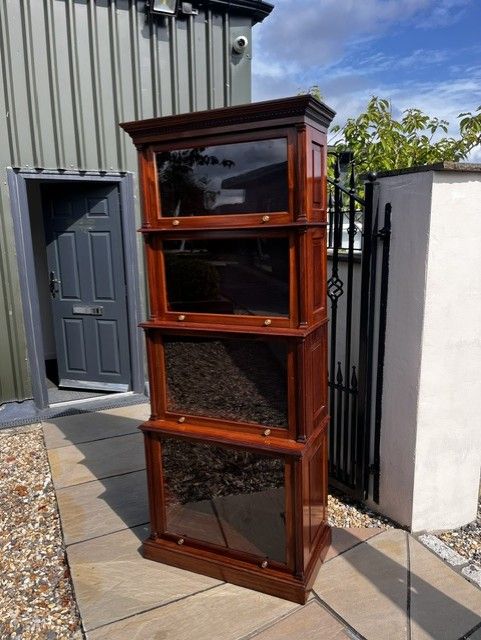
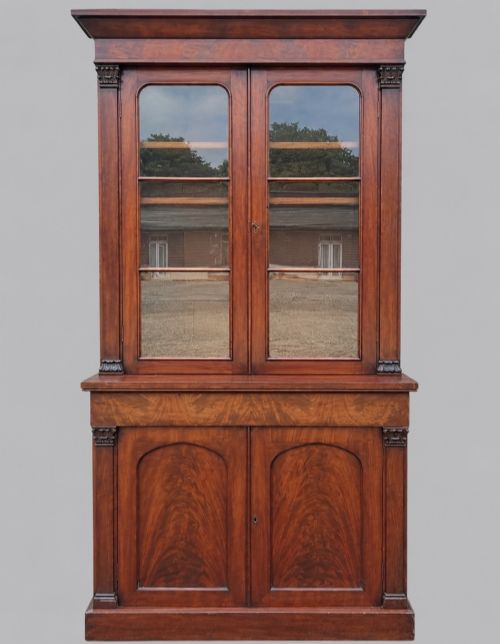
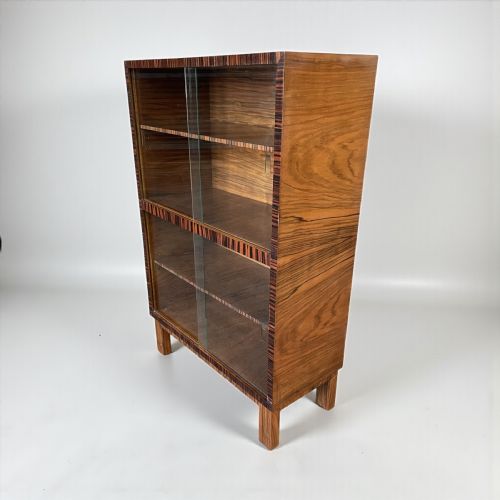
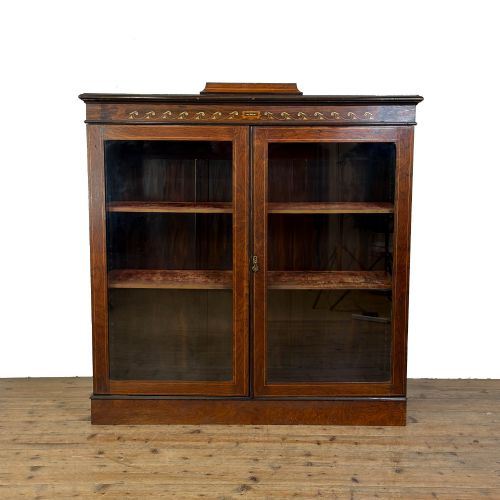
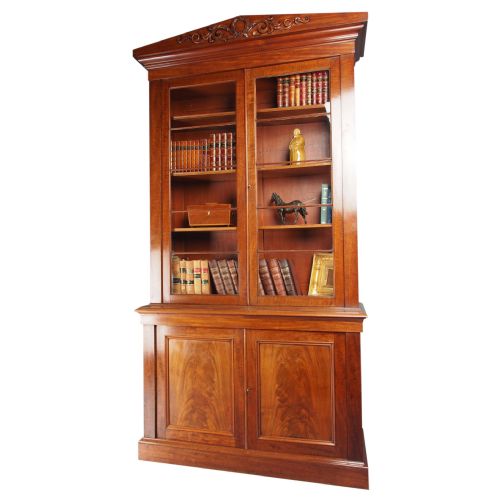
When you search for antique glazed book storage, you encounter practical furniture designed to protect libraries from dust while displaying bindings clearly through glass panels. These pieces span tall two-section library cabinets, breakfront forms, narrow freestanding units, and stacking barristers.
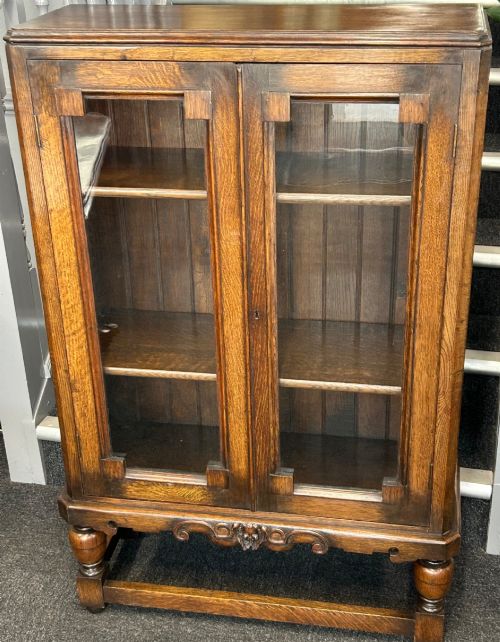
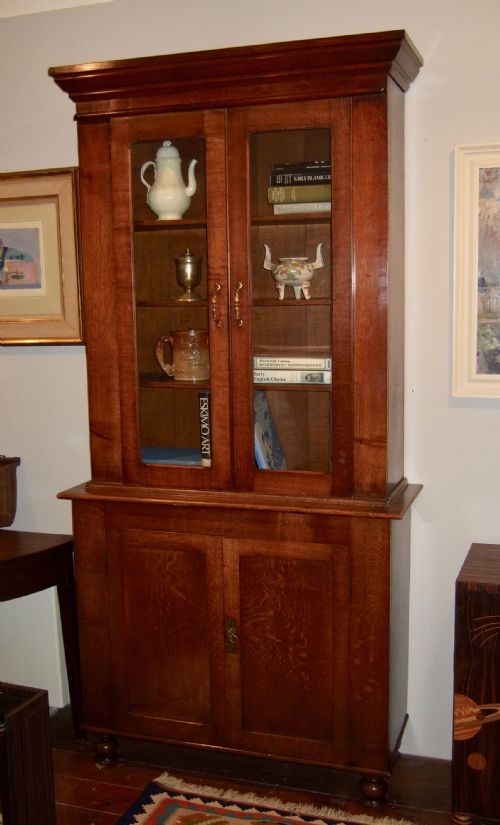
The versions most commonly met on this page belong to the Victorian and 19th-century periods, constructed predominantly in mahogany and oak. They range from modest two-door cupboards to imposing architectural bookcases associated with Georgian and Edwardian eras.
Makers and cabinetmakers adapted these forms for domestic and institutional studies, utilising glazed doors to keep valuable collections visible yet secure. The selection includes diverse regional interpretations and revival styles such as Gothic Revival, Arts and Crafts, and Jacobean Revival.
How they were made
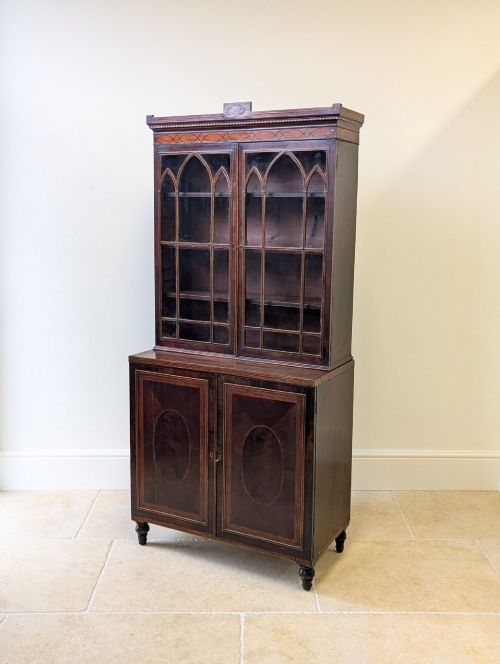
Timbers such as mahogany, oak, and walnut form the structural carcass of these cabinets, often joined by secondary woods in the interior shelving and backing. Cabinetmakers selected these hardwoods for stability and grain figure, frequently incorporating satinwood inlay for decorative contrast.
Glazing techniques involved securing individual panes of glass within timber framework or astragals, creating multi-light doors that provide structural rigidity alongside transparency. Brass hardware, including hinges, locks, and handles, completed the construction of doors and adjustable shelving mechanisms.
Antique Glazed Book Storage Retail Price Guide 2026
Typical asking prices for glazed book storage among the pieces listed under this phrase on Sellingantiques today, from the lower quarter to the upper quarter. They describe what is for sale here now, not the wider market.
Some barrister bookcases retain their original paper patent labels tucked inside the stacking frames, whispering of early twentieth-century office efficiency.
What varies in quality
The distinction between standard utility furniture and finer pieces lies in the selection of timber veneers, the precision of joinery, and the sophistication of architectural carvings. Superior examples demonstrate thoughtful proportion, balanced grain patterns, and integrated architectural elements like breakfront cornices.
Gillows
The Antique Glazed Book Storage Glossary
- Astragal
- The narrow wooden or brass moulding that divides individual panes of glass within a glazed door. These strips provide both structural support and decorative division.
- Breakfront
- A cabinet design where the central section projects forward from the flanking wings. This architectural arrangement creates depth and visual rhythm in large library bookcases.
- Barrister bookcase
- A modular piece of furniture featuring multiple stacked shelving sections with upward-lifting glass doors. This design protected law books in offices and domestic studies.
- Library bookcase
- A substantial piece of furniture, typically taller and wider than domestic cabinets, designed to house extensive collections. They frequently combine lower solid doors with upper glazed sections.
Antique Glazed Book Storage: Frequently Asked Questions
How do I clean the glass safely?
Use a soft, lint-free cloth and a mild glass cleaning solution applied directly to the cloth rather than the wood. Avoid spraying liquid near antique timber frames to protect the finish from moisture damage.
Take care around old putty or wooden astragals, which can be brittle. Gentle wiping preserves both the historic glass and the surrounding woodwork.
Are the shelves adjustable?
Many larger pieces feature adjustable shelving systems supported by wooden ratchets, metal pegs, or notched interior pilasters. This allowed owners to alter shelf heights for varying book sizes.
Simpler country cabinets sometimes feature fixed shelving secured directly into the carcass sides. Checking the interior configuration helps determine how flexible the storage will be for modern volumes.
How do I date a bookcase?
Dating relies on observing timber choices, construction methods, and stylistic revival markers corresponding to periods like Georgian, Victorian, or Edwardian. Mahogany and oak were utilised across multiple centuries, so hardware and carcass joinery offer closer chronological clues.
Proportions and decorative motifs, such as Arts and Crafts simplicity or Gothic Revival pointed arches, further narrow the decade of manufacture.
Can these hold heavy books?
Solid mahogany and oak carcases with thick timber shelves are structurally robust enough to support heavy volumes. Adjustable shelving mechanisms distributed weight effectively across the interior uprights.
It remains wise to check the thickness of individual shelves and the condition of their supports before loading extensive hardback collections.