
Antique Glassware Wine Glass
These genuine antique glassware wine glass pieces bring centuries of tactile history to the table, offering a tangible connection to Georgian and Victorian dining.
Antique Glassware Wine Glass
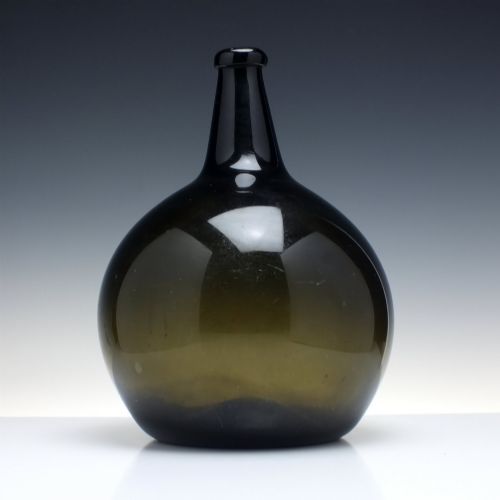
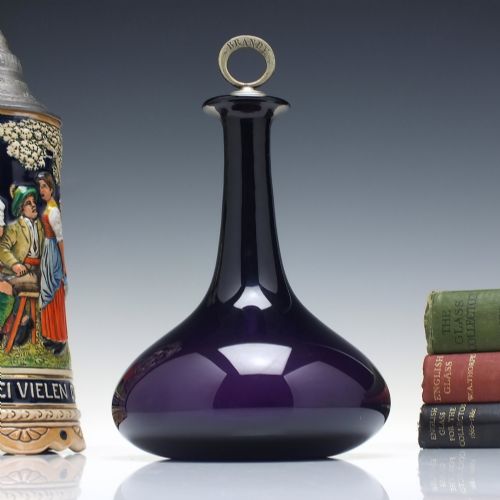
When you search for an antique glassware wine glass, you encounter pieces designed primarily for social drinking and formal dining across the eighteenth and nineteenth centuries. The selection spans straightforward drinking vessels alongside related serving pieces such as decanters, ewers and carafes.
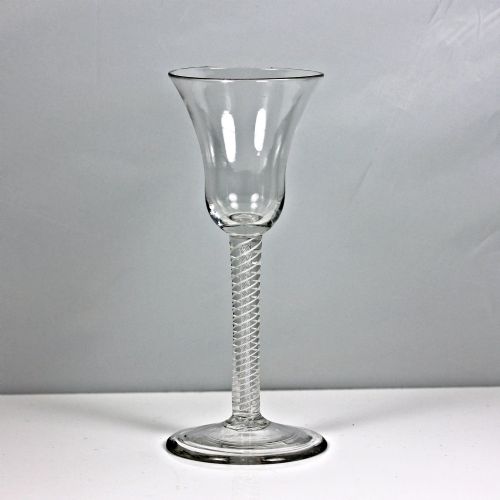
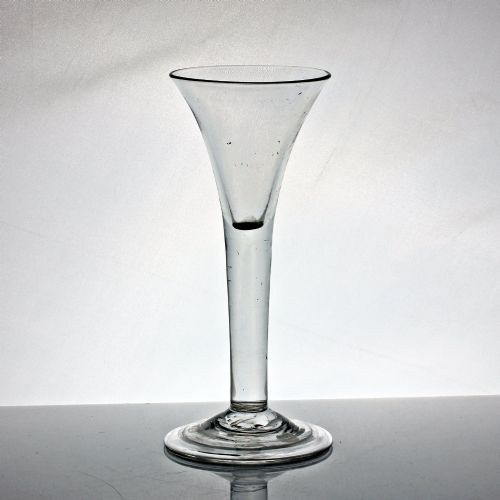
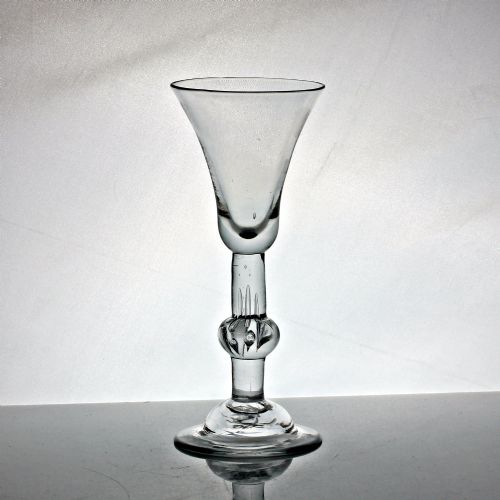
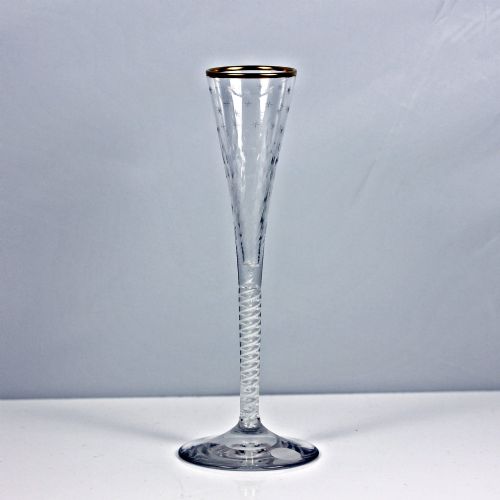
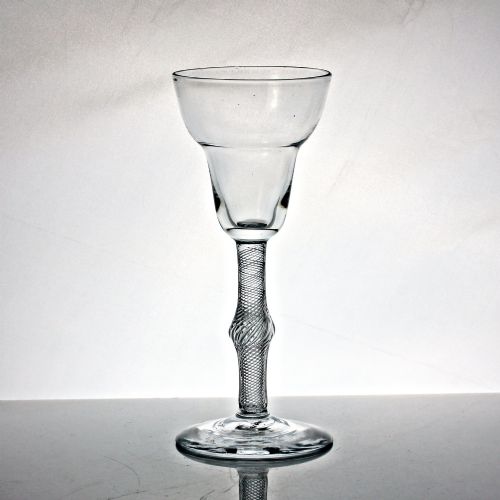
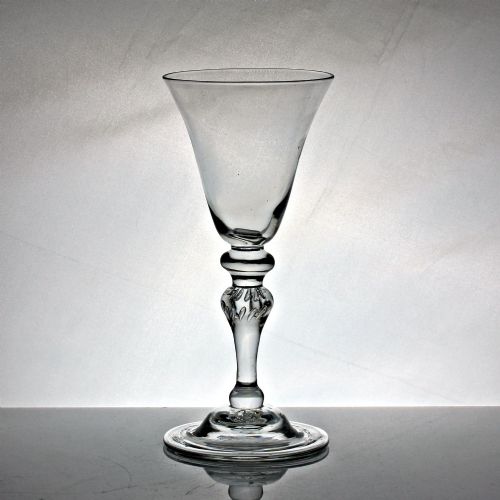
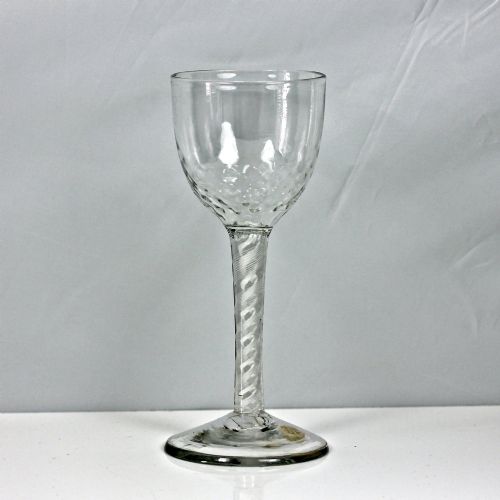
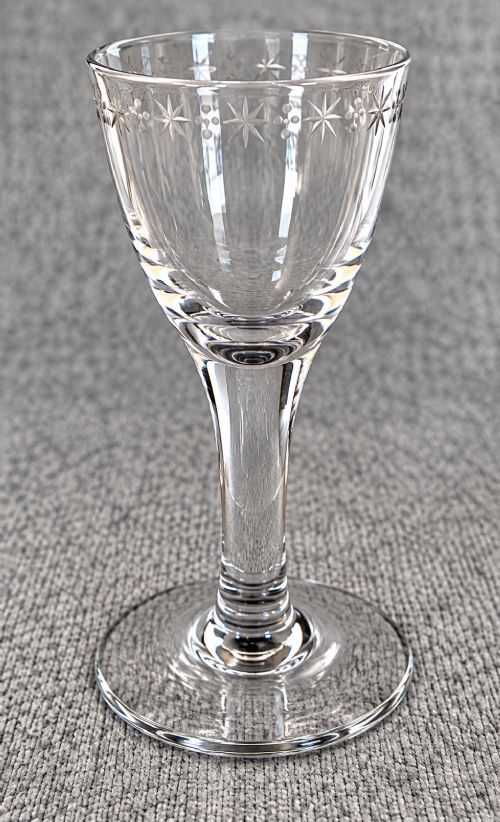
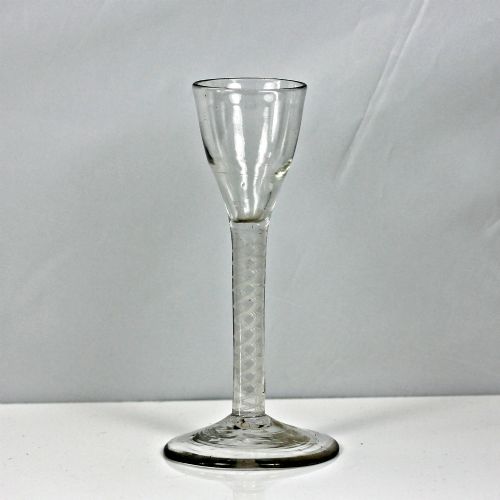
The version you are most likely to meet on this page is the Georgian wine glass, frequently featuring distinct stem formations such as air twists, opaque twists or plain stems. Alongside these sit later Victorian coloured and etched examples, representing the shift in domestic taste toward vibrant hues and decorative motifs.
Materials and construction
Makers utilised lead glass, flint glass and clear glass, shaping vessels through blowing and moulding techniques that often incorporated air bubbles or folded feet for stability. Lead crystal provided the weight and clarity necessary for deep facet cutting and structural definition.
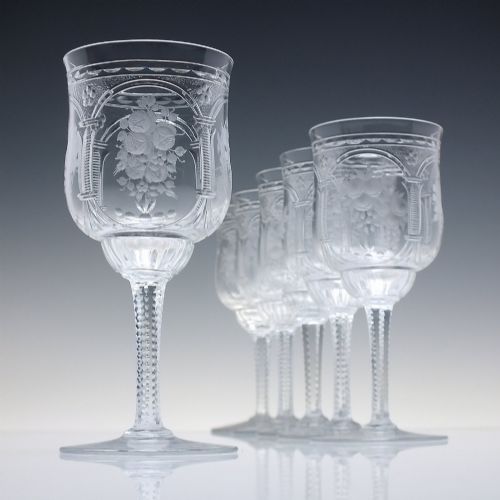
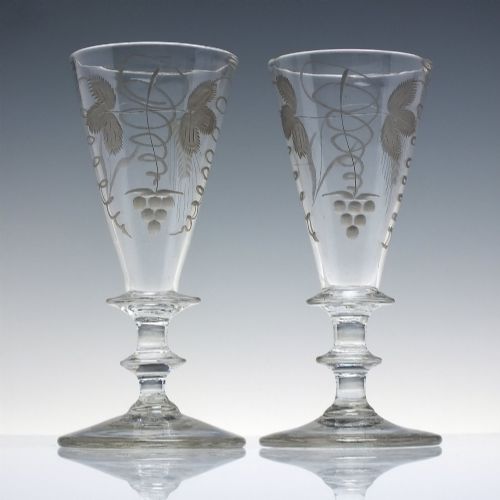
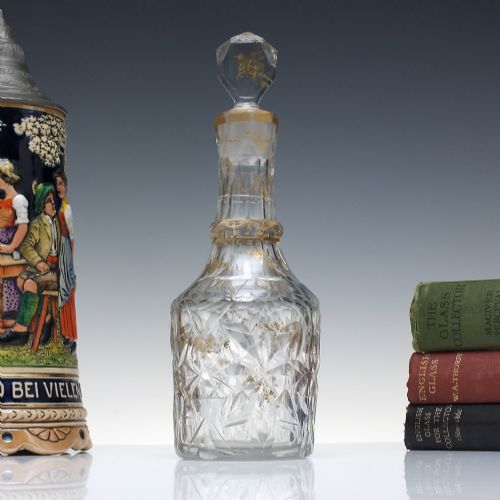
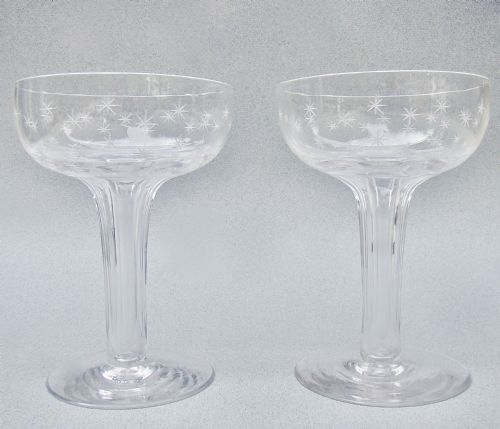
Surface decoration involved intricate methods such as hand painting, enamel application, gilding and star-etching. Workshops employed specialised cutters and decorators, occasionally utilising gold leaf to enhance the visual depth of bowls and decanters.
The listings span the eighteenth, nineteenth, and early twentieth centuries, featuring lead crystal, enamel, and gold leaf alongside cut and clear glass forms.
Distinctions in execution
Quality rests in the proportion of the vessel, the clarity of the metal, and the precision of the hand-finishing on stems and bowls. Finer pieces demonstrate crisp optical effects in twists and clean, even facet cutting rather than heavy or clouded walls.
The sophistication of the decoration dictates the standing of a piece, separating standard utility items from finely engraved or enamelled examples attributed to specialised ateliers. Balance in the hand and the absence of distortion in the glass define the superior examples.
James Giles·Moser·Theresienthal
The Antique Glassware Wine Glass Glossary
- Air twist
- A decorative stem formation containing elongated spiral air bubbles trapped within the glass during manufacture. This technique required considerable skill from the glassblower to maintain an even distribution through the stem.
- Opaque twist
- A stem featuring white or coloured enamel threads drawn into spiral patterns within clear glass. These threads create intricate internal designs visible from all angles.
- Roemer
- A traditional continental European drinking goblet featuring a wide bowl atop a cylindrical, often studded or coiled foot. These vessels frequently appear in amber or green glass.
- Rummer
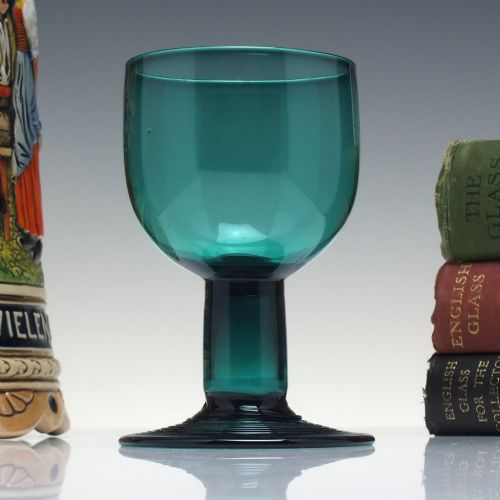
- A capacious drinking glass popular during the Georgian and Victorian periods, typically featuring a short stem and a bucket or round bowl. They served multiple beverages including ale and wine.
- Pontil mark
- A rough scar left on the base of a vessel where the pontil rod was snapped off after blowing. Its presence indicates traditional hand-blown manufacture.
Antique Glassware Wine Glass: Frequently Asked Questions
Are these wine glasses suitable for daily use?
While these glasses were originally made for consumption, their age and delicate stems require careful handling during modern dining. Many collectors reserve them for special occasions to prevent accidental knocks.
If you choose to use them regularly, hand wash immediately after use and avoid pouring ice-cold liquids into warm glass.
What is the difference between lead glass and normal glass?
Lead glass incorporates metallic oxide, which increases the weight, refractive index and brilliance of the material. This composition allowed makers to cut deeper facets without compromising structural integrity.
Standard glass lacks this heavy density and typically produces a less resonant ring when tapped gently. The added weight of lead glass aids overall balance in stemmed vessels.
How can I tell an 18th-century glass from a Victorian one?
Eighteenth-century drinking vessels often feature simpler, lighter forms with distinctive stem constructions like air twists or balusters. The glass metal itself may show minor surface striations typical of early manufacturing methods.
Victorian pieces tend to be heavier, incorporating richer colours, elaborate etching or machine-moulded elements. Stylistic cues such as cranberry glass or heavy star-cutting point clearly to the nineteenth century.