
Antique Glassware Goblet
These antique glassware goblet pieces range from 18th Century wine glasses to Victorian rummers, prized for their traditional forms and tactile lead glass.
Antique Glassware Goblet
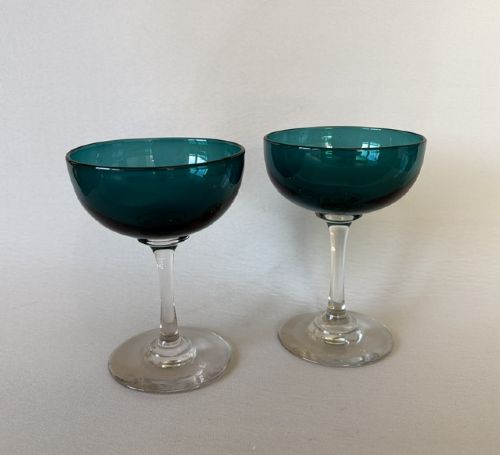
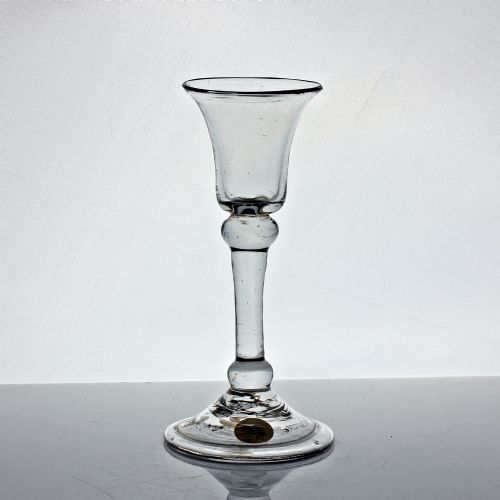
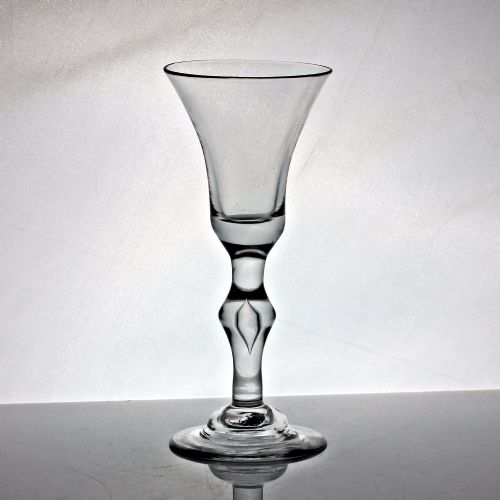
When you search for an antique glassware goblet, you encounter drinking vessels, rummers, and wine glasses spanning the eighteenth and nineteenth centuries. These pieces encompass utilitarian drinking vessels as well as decorative table items such as celery vases and vases.
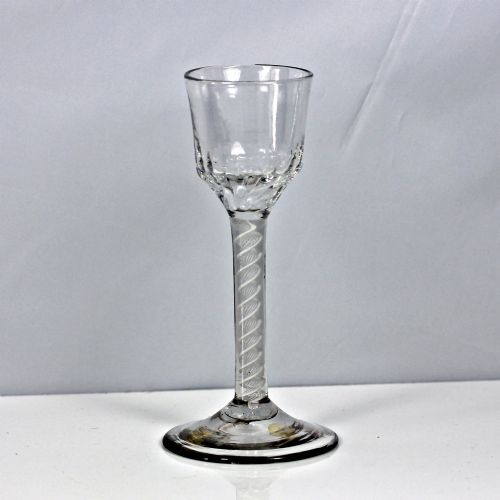
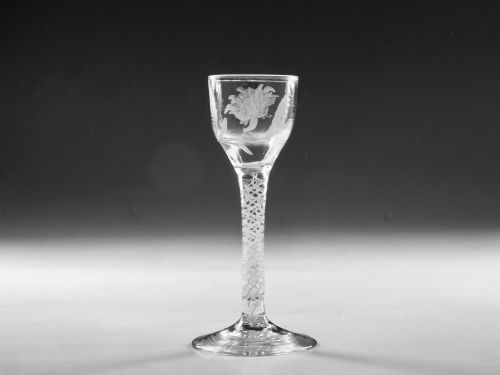
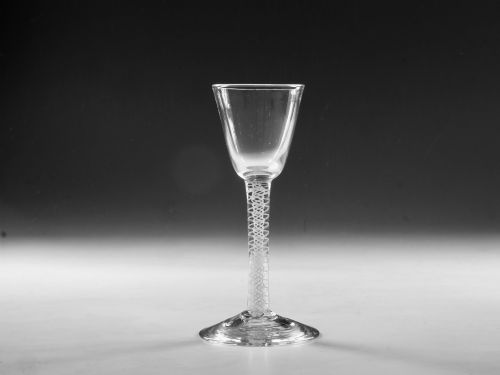
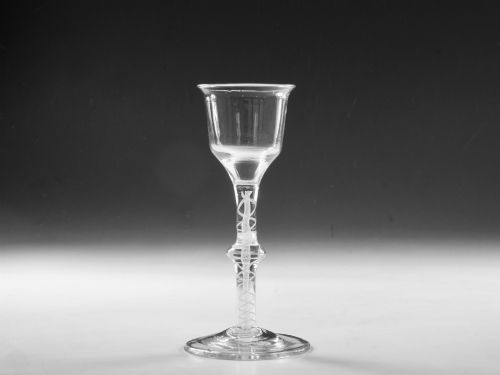
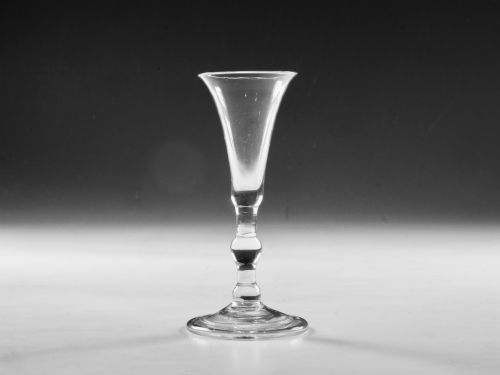
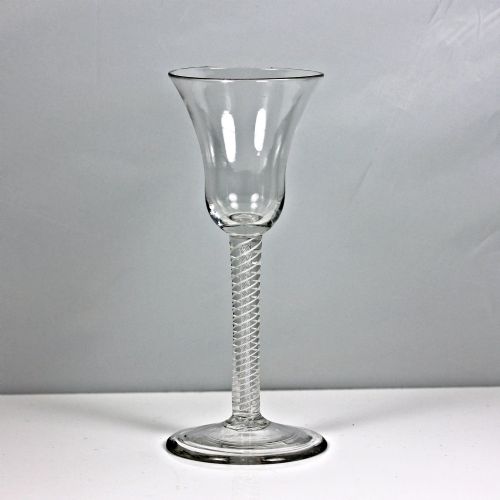
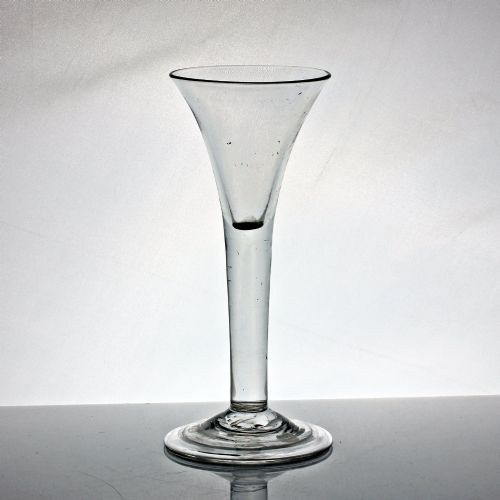
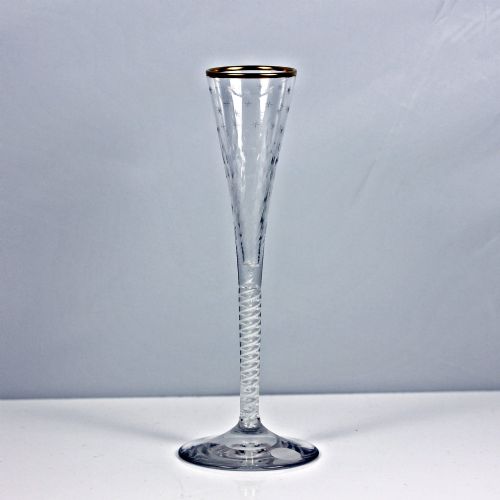
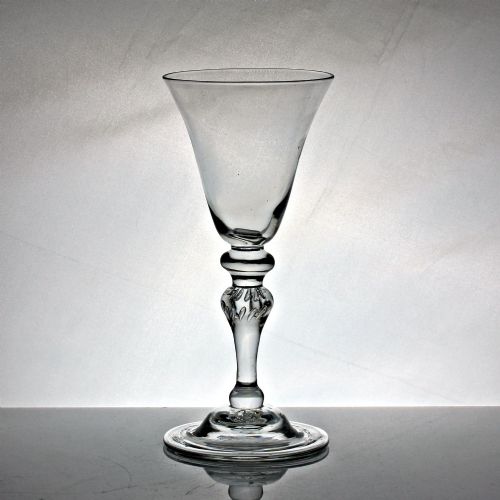
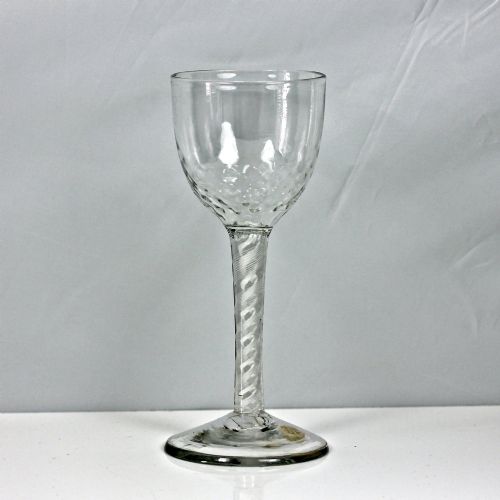
Georgian examples feature air twists, opaque twists, and plain stems, whilst Victorian items often display heavier proportions and cut decoration. English production dominates the selections alongside German, Bohemian, and Venetian inspired pieces.
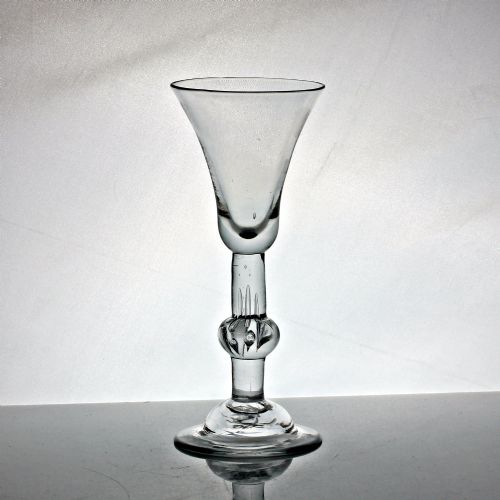
The domestic forms range from small ale glasses and port glasses to substantial serving rummers engraved with hops and barley. Collectors meet various bowl shapes, including bell, ogee, and bucket profiles supported by folded, domed, or wide feet.
Materials and construction
The pieces rely on lead glass, lead crystal, clear glass, and flint glass, which provide the weight and clarity characteristic of the period. Coloured variations include cranberry glass, dark amber, aqua green, and Bristol green hues.
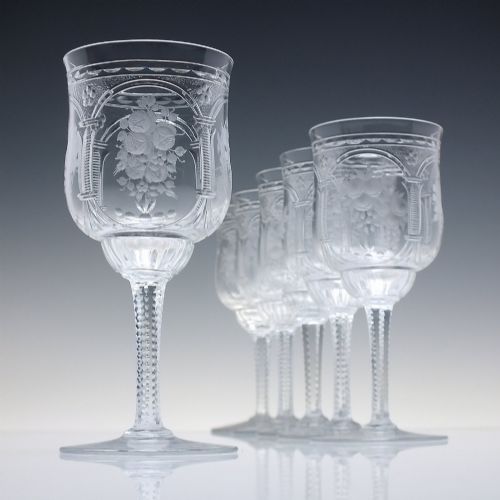
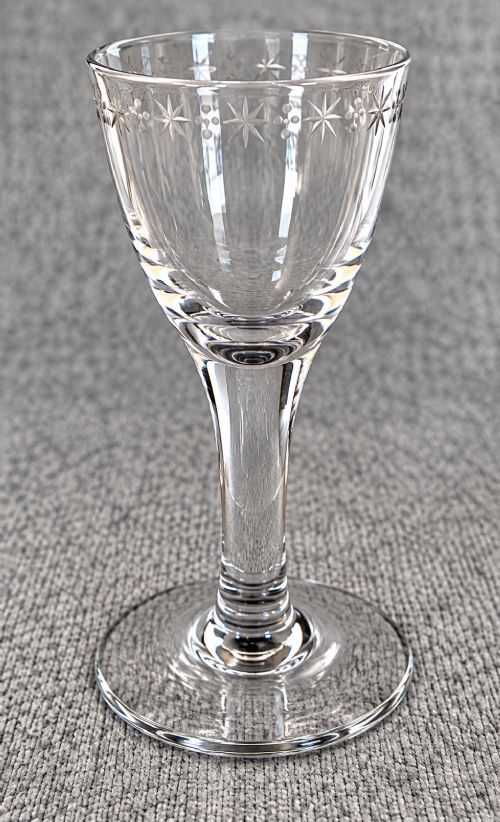
Makers shaped the vessels using free-blowing, mould-blowing, and cutting techniques, incorporating internal air bubbles, twisted glass threads, and faceted stems. Decoration involves wheel engraving, surface etching, and enamel application with occasional gilding.
Materials span lead crystal, flint glass, cranberry glass, and enamelled coloured glass.
Distinctions in quality
The resonance of the metal, the absence of excessive manufacturing impurities in the handle or body, and the balance of the vessel demonstrate superior workshop output. Maker attribution, such as work associated with Theresienthal or Moser, elevates the standing of individual goblets.
Moser Bohemian·Theresienthal·Harry Powell for James Powell
The Antique Glassware Goblet Glossary
- Rummer
- A large drinking glass popular in the Georgian and Victorian periods, typically used for ale or wine. These sturdy vessels often feature bucket bowls and cut stems.
- Air twist
- A stem formation containing elongated internal air spirals created during the drawing of the glass. This technique requires considerable skill from the glassblower.
- Opaque twist
- A stem enclosing fine threads of white or coloured enamel glass within the clear metal. These threads are twisted into complex linear patterns.
- Folded foot
- A base edge turned underneath to form a smooth rim for added strength. This feature appears frequently on mid-eighteenth-century drinking glasses.
- Römer
- A traditional Germanic drinking vessel featuring a wide, decorated bowl on a coiled or prunted stem. They are frequently rendered in green or amber glass.
Antique Glassware Goblet: Frequently Asked Questions
How do I date an 18th century wine glass?
Dating relies on the bowl shape, stem construction, and foot configuration recorded in the piece. Mid-century examples frequently show folded feet and air twist stems.
Later decades introduced faceted stems and heavier lead crystal compositions. Comparing the pontil mark and metal clarity aids in confirming the period.
What was a rummer used for?
Rummers served as general-purpose drinking vessels for ale, beer, wine, and punch during the Georgian and Victorian eras. Their generous capacity suited communal dining and tavern use.
Many surviving specimens feature engraved hops and barley motifs reflecting their primary contents.
What is a colour twist?
A colour twist is a stem variation containing threads of coloured glass, such as red or opaque enamel, drawn into spiral patterns. These require advanced manipulation by the glassmaker.
They appear less frequently than standard air or white opaque twists.
Are Victorian glasses heavier than Georgian ones?
Victorian rummers and wine glasses generally exhibit heavier proportions and thicker walls than their Georgian predecessors. Industrial advancements permitted larger production scales and deeper cutting.
Georgian drinking vessels typically maintain lighter, more delicate tactile qualities.