




Antique Glass Scent Spray
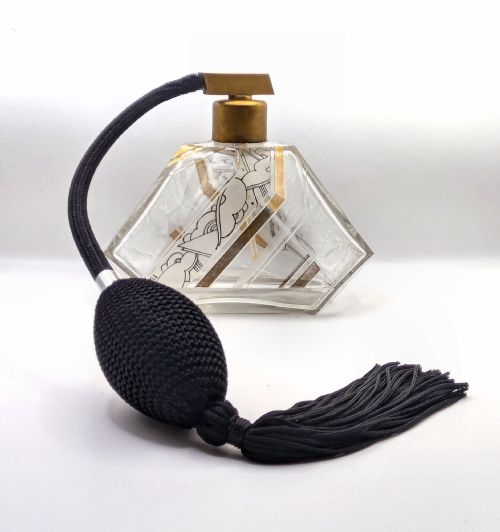
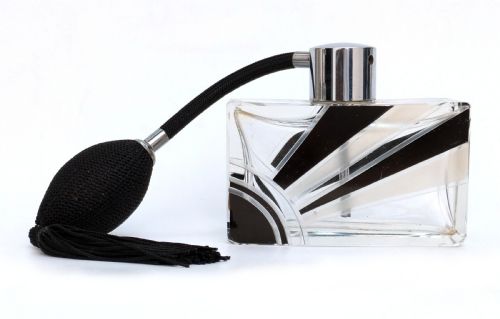
An antique glass scent spray brings dressing table elegance home through striking Art Deco design and tactile glasswork.
Antique Glass Scent Spray
An antique glass scent spray is a functional dressing table accessory designed to atomise liquid fragrance via a squeeze bulb and metal mechanism. When exploring this selection, buyers encounter perfume bottles, scent bottles, and perfume atomisers spanning the nineteen-twenties and nineteen-thirties.
The dominant aesthetic across these listings is Art Deco, capturing the geometric forms and modernist spirit of the interwar period. Pieces range from simple utilitarian glass vessels to elaborate models mounted on stands or finished with contrasting enamel details.
Origin points visible in the inventory include French studios and Bohemian Czech workshops known for advanced glass cutting and moulding techniques. Large presentation pieces and substantial crystal editions sit alongside smaller ladies perfume bottles intended for daily boudoir use.
How they were made
Makers utilised heavy cut crystal and moulded glass to form the principal reservoirs, often applying deep geometric facets that catch the light. These glass bodies provide the structural weight necessary to balance the metal hardware mounted at the neck.
The functional atomiser hardware combines chrome, brass, and occasionally fabric-covered components to create the pump mechanism. Enamel highlights and Bakelite elements frequently appear as decorative accents, adding contrasting colour and texture to the metal and glass assemblies.
Materials documented across the inventory include cut crystal, chrome, brass, enamel, Bakelite, and fabric alongside standard glass.
What varies in quality
Quality differences lie in the ambition of the glass cutting and the complexity of the mould work, with sharp facet lines and heavy crystal indicating superior production. The presence of named designers or specific Bohemian and French regional workshops elevates individual pieces above standard commercial output.
The sophistication of the metal mountings and associated hardware dictates the overall refinement of an atomiser. Integrated stands, intricate enamel decorations, and complete original pump mechanisms distinguish finer examples from simpler utilitarian bottles.
Karl Palda·Rudolf Hlousek·René Lalique·Hermanova
The Antique Glass Scent Spray Glossary
- Atomiser
- A device designed to reduce liquid fragrance into a fine mist through air pressure. This mechanism typically includes a metal collar, a tube assembly, and a flexible squeeze bulb.
- Art Deco
- A design style spanning the nineteen-twenties and nineteen-thirties characterised by streamlined shapes, geometric patterns, and industrial modernity. It heavily influenced the silhouette of interwar vanity items.
- Crystal
- A high-clarity glass variety containing metal oxides that increase brilliance and weight. It permits deeper, sharper cutting than standard soda-lime glass.
- Bakelite
- An early synthetic thermosetting plastic utilised for decorative caps and functional components. Its deep colour saturation suits the palette of the interwar period.
- Enamel
- Opaque vitreous material fused to metal surfaces through high-temperature firing. It provides vibrant colour contrast against chrome and brass mounts.
Antique Glass Scent Spray: Frequently Asked Questions
How do I use an antique glass scent spray?
These atomisers function by pumping air through a bulb connected to an internal siphon tube, which draws liquid up and disperses it as a fine mist.
Because vintage rubber bulbs and internal seals degrade over time, many collectors display them as decorative dressing table objects rather than filling them with modern perfume.
Are these pieces from the Art Deco period?
The inventory consists entirely of pieces from the nineteen-twenties and nineteen-thirties, aligning directly with the height of the Art Deco movement.
Characteristics such as sunray motifs, geometric crystal cutting, and stylised metal mounts place them firmly in this interwar aesthetic.
Where were these scent sprays manufactured?
Production centres documented in the listings point primarily towards France and Bohemian Czech workshops.
French makers contributed refined studio pieces, while Czech glassworks produced substantial cut crystal and coloured glass reservoirs.
What materials are used besides glass?
Metal components in chrome and brass form the functional collars and spray mechanisms mounted to the glass bodies.
Additional materials include enamel decoration, fabric elements, and Bakelite accents that typify manufacturing techniques of the era.