
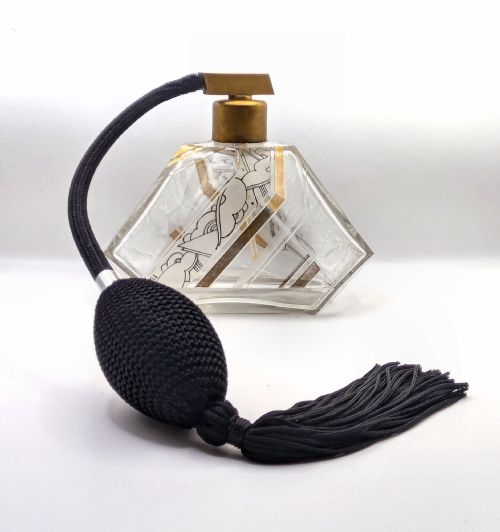


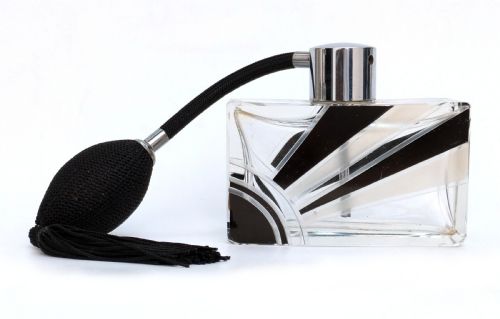


Art Deco Atomiser Bottle
An art deco atomiser bottle delivers period glamour to a dressing table, combining geometric style with functional design.
Art Deco Atomiser Bottle
An art deco atomiser bottle captures the distinct geometric styling of the 1920 and 1930 periods. These pieces serve as functional scent vessels designed for dressing tables and boudoirs.
The versions most commonly met on this page include cut glass bottles and variants paired with chrome stands. Makers from France and Czechoslovakia produced notable examples during the interwar years.
Forms range from simple cylinders to elaborate sunray patterns and stand-mounted editions. Each piece reflects the era's fascination with modern materials and streamlined shapes.
How They Were Made
Glass forms the primary body of these vessels, often shaped through moulding or heavy cutting to catch the light. Frosted glass and crystal provide contrasting textures within the same object.
Metal components utilise chrome and brass for mounts and collars, providing durable hardware for the spraying mechanism. Fabric and enamel additions introduce colour and tactile contrast to the metallic frames.
Bakelite appears in certain fittings, representing the new synthetic capabilities of the 1930 period. Artisans combined these diverse materials to create cohesive geometric designs.
Listings feature items from both the 1920 and 1930 periods, utilising glass, chrome, enamel, and Bakelite.
What Varies in Quality
The precision of glass cutting and the clarity of crystal distinguish standard production from superior work. Crisp geometric facets and heavy, substantial weight indicate high standards of manufacture.
The integration of metal mounts, such as chrome stands and brass collars, reveals the maker's attention to detail. Finely fitted hardware ensures the mechanism functions smoothly alongside the glass body.
Attribution to known designers or specific European factories elevates the standing of an individual piece. Signed works demonstrate a higher tier of artistry compared to anonymous commercial output.
Karl Palda·Rudolf Hlousek·René Lalique·Hermanova
The Art Deco Atomiser Bottle Glossary
- Atomiser
- A device designed to turn liquid perfume into a fine mist for spraying. This mechanism typically includes a bulb and a metal tube assembly attached to the bottle.
- Bakelite
- An early form of synthetic plastic utilised during the interwar years for caps and fittings. It offers durability and a distinct tactile quality.
- Frosted glass
- Glass treated to produce a milky, non-transparent surface finish. This technique creates subtle decorative contrasts against clear or cut glass sections.
- Sunray
- A specific decorative motif featuring radiating lines reminiscent of the sun. The pattern defines much of the graphic aesthetic found on period glassware.
Art Deco Atomiser Bottle: Frequently Asked Questions
How do I date an art deco atomiser bottle?
Most examples originate from the 1920 and 1930 periods, marked by characteristic geometric styling and material use.
Examining the manufacturing techniques and any maker signatures helps narrow the production timeframe.
Were these bottles made in specific countries?
Production centred heavily in France and Czechoslovakia, both known for advanced glassworks during the interwar era.
These regions produced distinctive cut glass and crystal designs that survive in collections today.
What materials are common in these atomisers?
Glass and crystal form the main bodies, frequently paired with chrome or brass metal hardware.
Additional elements like enamel, fabric, and Bakelite appear on specific decorative editions.
How should I display an atomiser bottle?
These pieces suit placement on dressing tables, mirrored trays, or dedicated display shelves.
Keeping them away from direct sunlight helps preserve any delicate fabric components and enamel colours.