

Antique Glass Porch Light
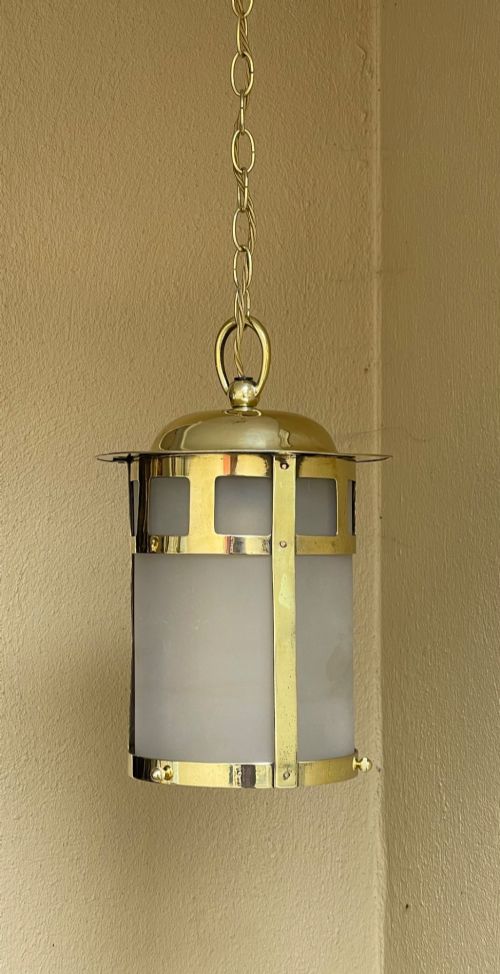
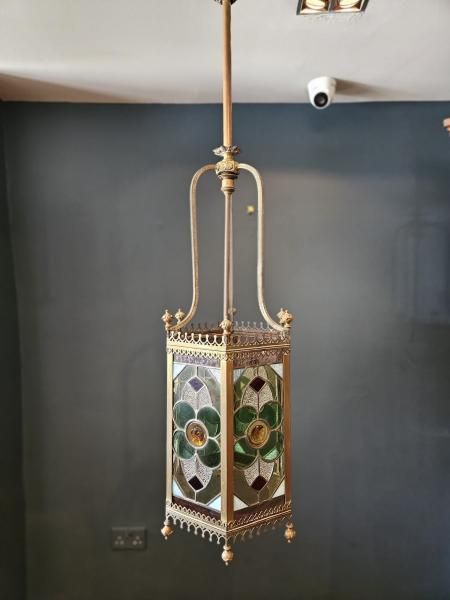
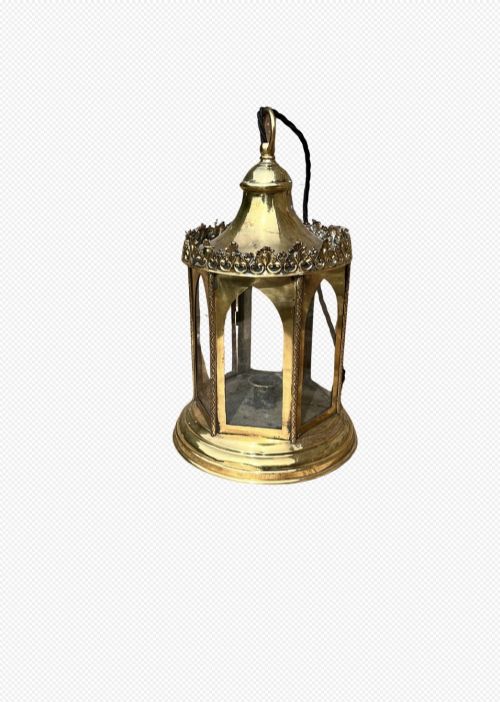
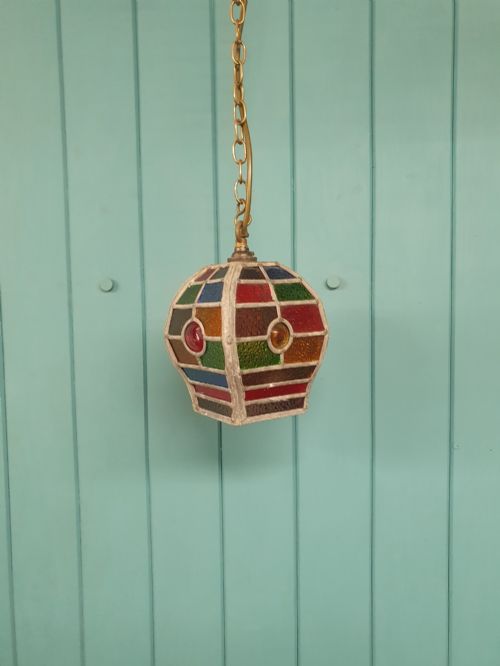
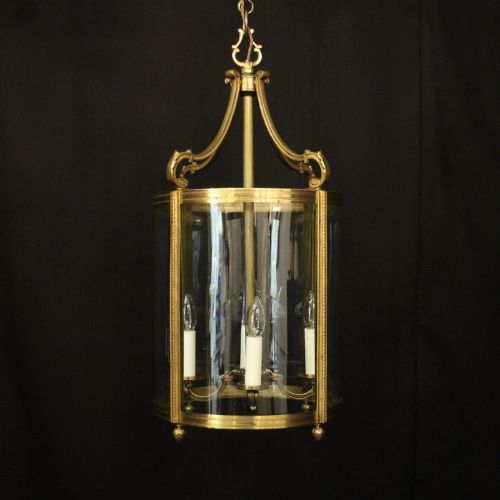
An antique glass porch light welcomes visitors with period character, casting a warm glow through brass, copper, and leaded panels.
Antique Glass Porch Light
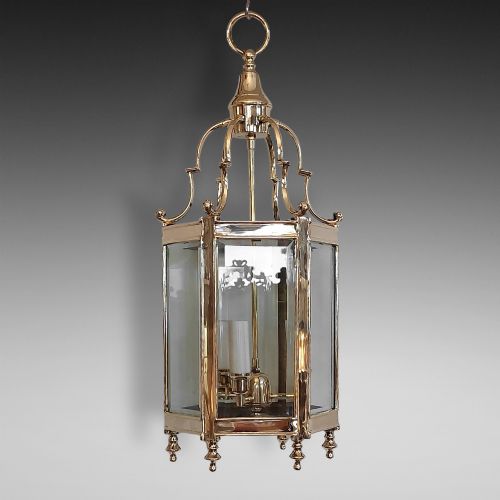
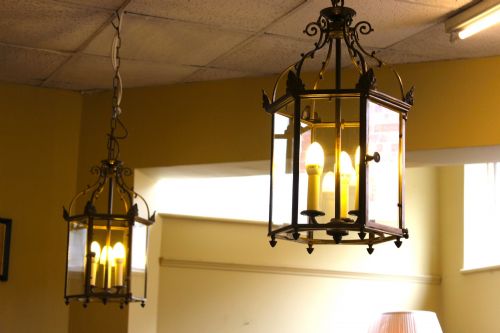
An antique glass porch light provides exterior or entryway illumination using historical forms such as hall lanterns, pendant lights, and wall lanterns. These fixtures originate from periods spanning the nineteenth century through the nineteen-thirties, reflecting the architectural shifts of their respective eras.
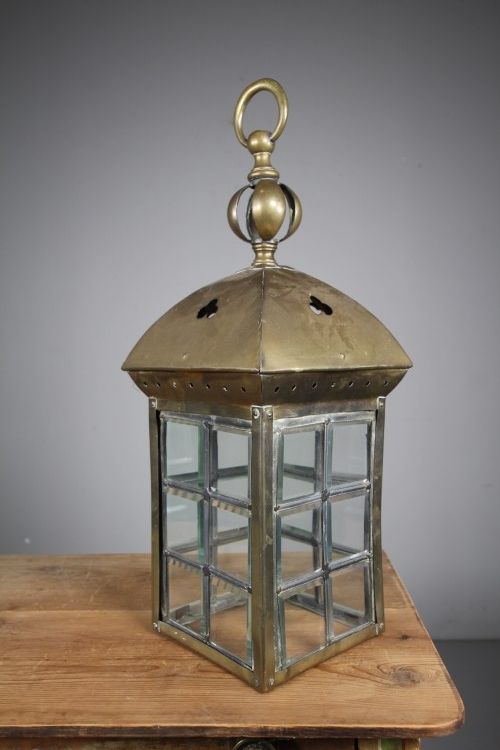
The most common examples encountered here are brass-framed pendants and copper wall lanterns dating from the Victorian and Edwardian periods. Makers designed these pieces to hang securely by doorways, vestibules, and corridors, utilising durable metals to withstand external conditions.
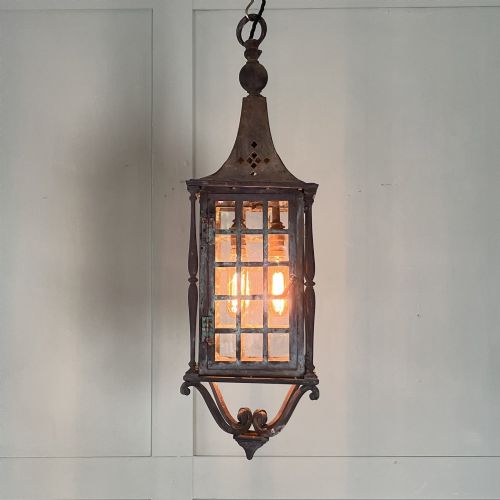
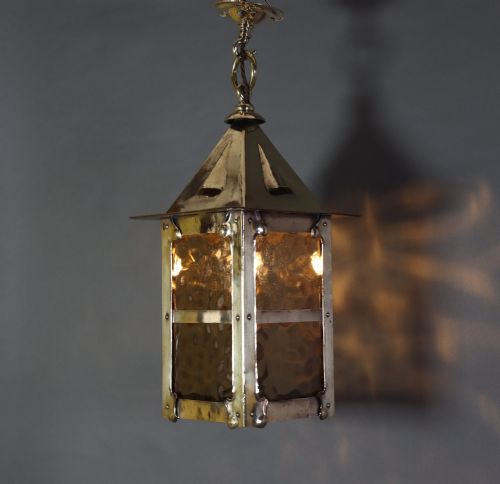
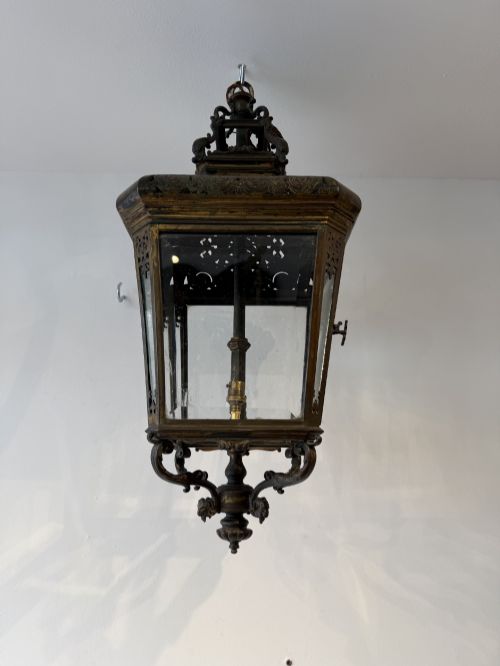
Stylistic variations range from simple hexagonal shapes to ornate Gothic Revival designs and geometric Art Deco layouts. Buyers select these lights to restore period properties or to introduce authentic historic texture into newer residential entrances.
How they were made
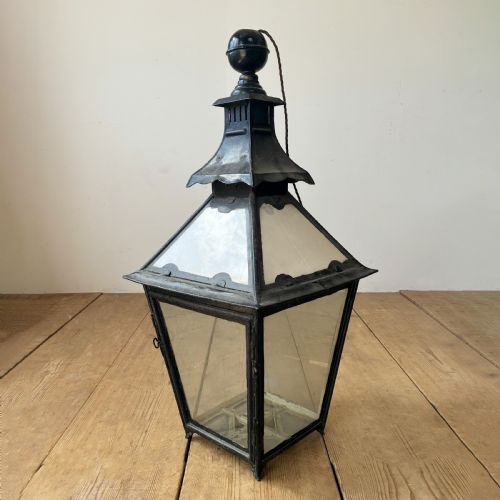
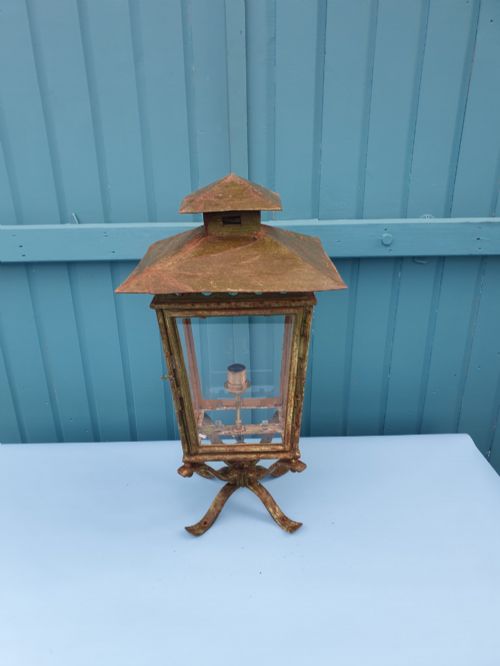
Craftsmen built each antique glass porch light using a combination of structural metal framing and glazed panels. Workshops utilised brass, copper, bronze, wrought iron, and cast iron to construct the housing, often joining metal sections with lead cames or solder.
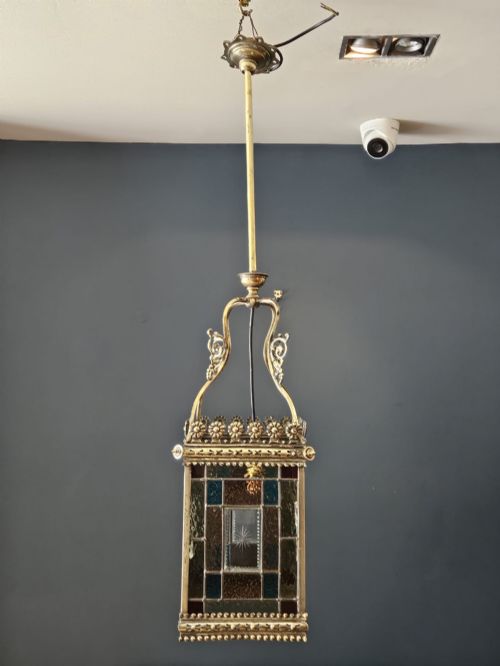
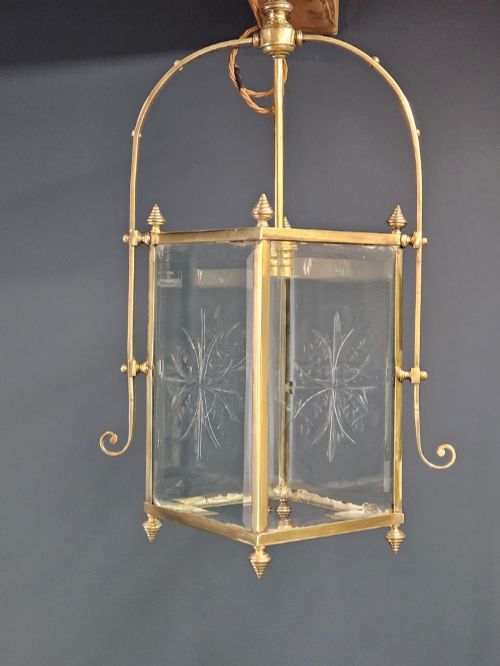
The glass elements include clear, frosted, leaded, and stained varieties, sometimes shaped into multi-sided hexagonal or octagonal configurations. Early examples frequently show conversions from original gas fittings to electrical wiring, retaining their heavy-gauge metal bodies and hand-finished patinas.
Listings feature brass, copper, bronze, and wrought iron structures fitted with frosted, leaded, and stained glass across Edwardian and Victorian periods.
What varies in quality
Quality in an antique glass porch light rests upon the heaviness of the metal casting and the precision of the frame construction. Heavier bronze, brass, and copper frames demonstrate superior durability and structural integrity compared to lighter sheet metal alternatives.
The sophistication of the glazing work distinguishes standard production from finer pieces, particularly where leaded, stained, or bevelled glass panels fit tightly into hand-soldered channels. Maker attention to decorative detailing on metalwork, such as blacksmith-forged iron scrolls or cast brass mounts, elevates the overall standard.
Voysey·Pugin
The Antique Glass Porch Light Glossary
- Lead glass
- Glass panels held together by lead cames in decorative patterns. This technique originates in medieval stained glass traditions and provides sturdy support for multi-panel lanterns.
- Hall lantern
- An enclosed hanging light fixture designed for corridors and entryways. These units distribute light evenly downwards and through translucent sides.
- Gothic Revival
- An architectural and decorative style drawing inspiration from medieval forms. Pieces in this style often feature pointed arches, tracery, and heavy ironwork.
- Arts and Crafts
- A design movement emphasising hand craftsmanship and simple utility. Lanterns from this tradition highlight honest metal construction and straightforward geometric forms.
- Verdigris
- A green patina that forms naturally on copper and bronze surfaces over time. This chemical layer protects the underlying metal from further atmospheric corrosion.
Antique Glass Porch Light: Frequently Asked Questions
Are these lights suitable for outdoor use?
Many of these pieces served as exterior entrance lighting or coaching lamps, built with robust metal frames of copper, brass, and iron to resist weather.
Buyers should consult individual listings regarding weatherproofing and electrical IP ratings before exposing historic fixtures directly to unsheltered rain.
How do I identify a Victorian lantern?
Victorian examples frequently utilise heavy brass frames, leaded glass, and robust hanging chains typical of nineteenth-century domestic architecture. Design cues often lean towards ornate detailing or strict Gothic Revival influences.
Later Edwardian and nineteen-twenties pieces tended toward cleaner hexagonal geometries and simpler copper or bronze housings.
Can converted gas lanterns use modern bulbs?
Several listed pieces record conversions from original gas operation to standard electrical fittings during their working lives. Electric lamp holders are installed inside the historic metal chambers to accommodate modern bulbs safely.
Rewiring may be necessary to meet current domestic electrical standards upon installation.
What is the difference between a pendant and a wall lantern?
Pendant lights hang downward from ceilings or beams by a chain or rod, illuminating open porches from above. Wall lanterns mount directly against vertical brickwork or timber beside a doorway.
Both forms utilise the same glass and metal construction techniques suited to entranceways.