
Antique Glass Plate
Selecting an antique glass plate brings historical tableware into modern spaces, uniting utility with decorative craft across past centuries.
Antique Glass Plate
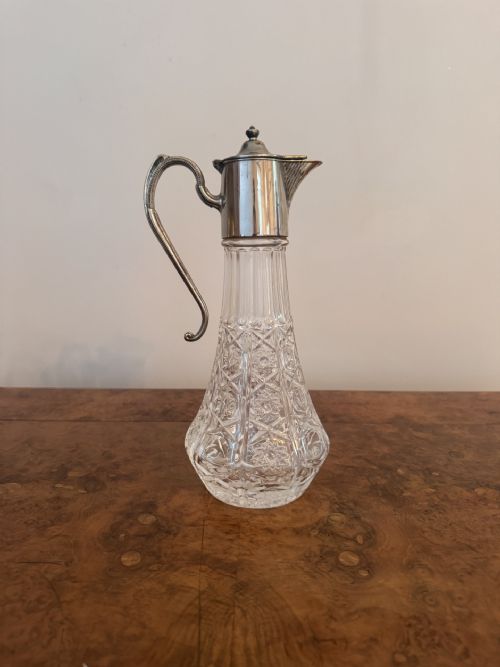
An antique glass plate serves as a functional or decorative flat vessel, appearing across various historical periods with distinct decorative intentions. Buyers hunting for an antique glass plate encounter utilitarian service dishes alongside decorative table glass from the nineteenth and early twentieth centuries.
The selection ranges from early geometric examples to later pressed or moulded vessels. Makers combined transparent or coloured glass with metallic mounts, integrating plates and dishes into broader dining services.
Materials and construction methods
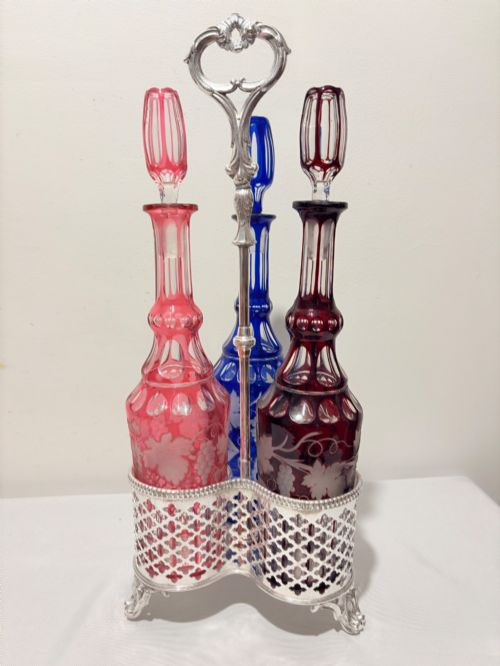
Objects use clear glass, cut crystal, and coloured variations such as cranberry and amethyst glass. Artisans shaped these elements through blowing, moulding, or heavy cutting to create facets and patterns.
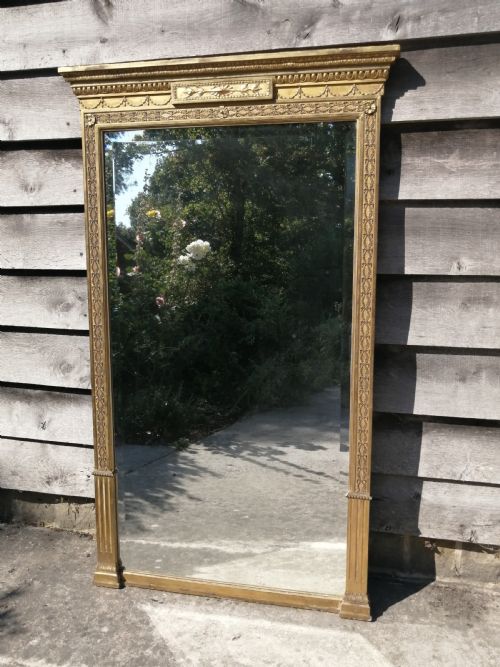
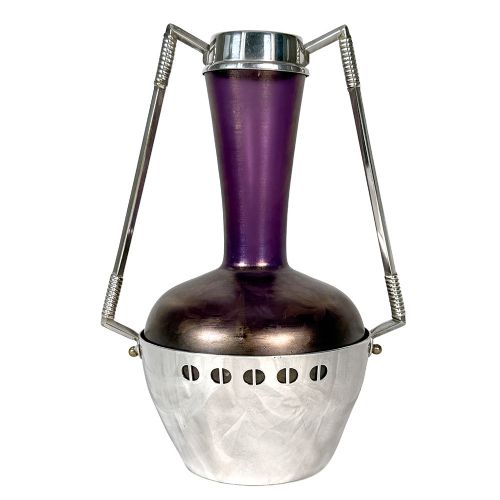
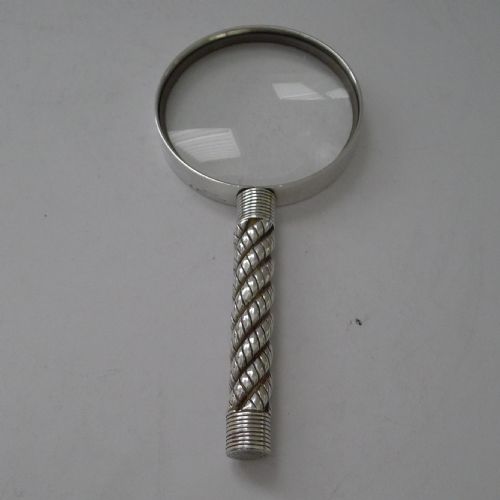
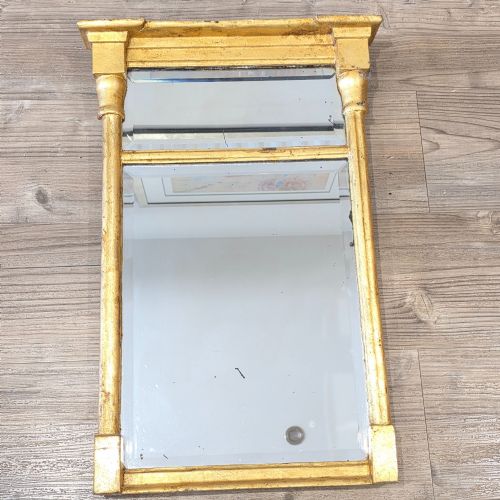
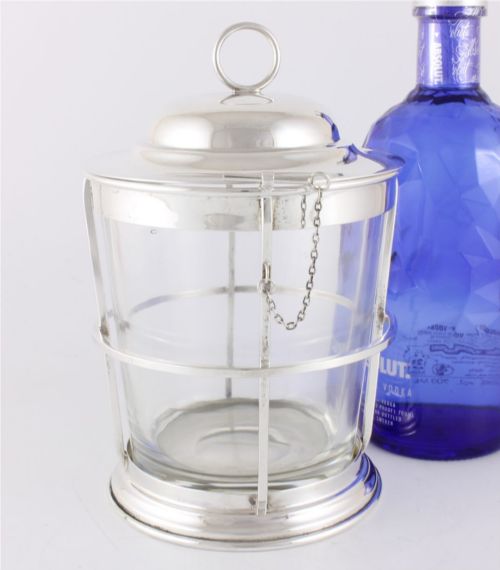
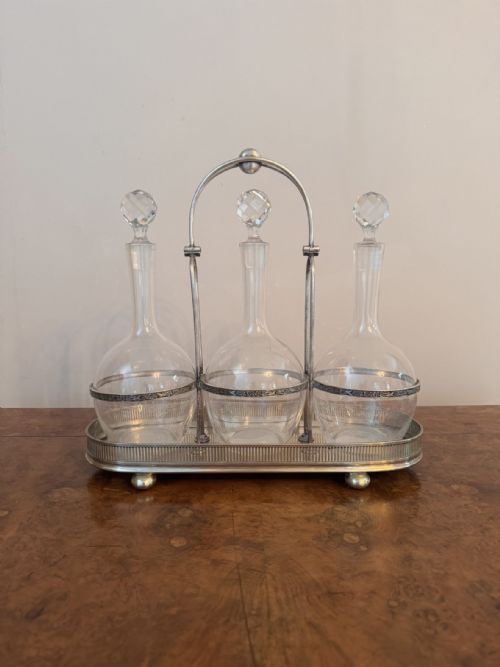
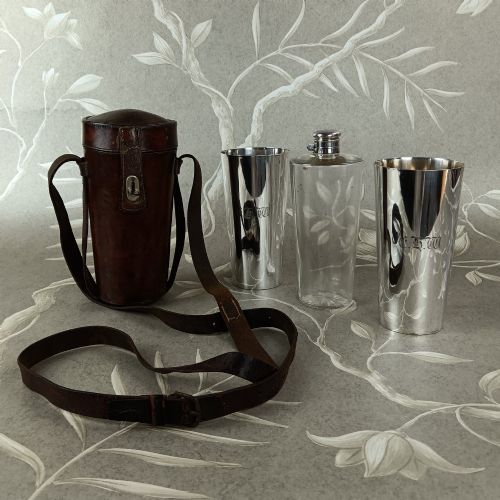
Many pieces incorporate silver plate mounts, giltwood frames, or gesso elements. Metal components provide structural support and decorative contrast to the brittle glass bodies.
Listings feature items spanning the 18th century through the Mid-Century Modern period, utilising glass, silver plate, and giltwood.
Distinctions in manufacture and preservation
Excellence relies on the crispness of cutting, the clarity of the glass, and the integrity of any metal plating. Superior pieces display deep, uniform facets and well-balanced proportions without clouding in the material.
The survival of original components, such as matching stands, liners, or mercury backing in mirror plates, elevates a piece's integrity. Wear patterns should match the age indicated by the style.
James Dixon And Sons·Elkington·Walker And Hall·Mappin And Webb·Wilkinson And Co·John Grinsell And Sons·John Round·Cooper Bros·Rene Lalique·Hermes Paris·PH Vogel·WMF
The Antique Glass Plate Glossary
- Cut glass
- Glass decorated by grinding facets or patterns into the surface using a rotating wheel. This technique produces sharp edges and high optical brilliance.
- Silver plate
- A base metal coated with a thin layer of silver through electroplating or older fusing methods. It provides the appearance of solid silver at a lower weight.
- Mercury glass
- Double-walled blown glass silvered on the interior with a liquid mercury amalgam before sealing. It creates a highly reflective, silvery sheen.
- Giltwood
- Timber carved and coated with gold leaf or gold paint for decorative effect. It appears frequently on frames and architectural mirrors.
- Opalescent glass
- Glass containing agents that create a milky, translucent appearance with subtle colour shifts in the light.
Antique Glass Plate: Frequently Asked Questions
Are these glass items suitable for daily dining?
Most antique glass serves best for display, light entertaining, or special occasions rather than heavy daily use. Older glass formulas and delicate cut patterns can chip easily under modern dishwasher conditions.
Hand washing preserves the fragile edges and prevents chemical corrosion on both the glass and any attached silver plate. Review each piece for structural stability before serving food or liquids.
How can I tell Victorian glass from earlier periods?
Victorian pieces often display heavier mouldings, inventive combinations with silver plate, and deep hobnail cutting. Earlier Georgian items tend toward simpler baluster forms and flatter, hand-cut facets.
Examining pontil marks on the underside also helps, as rough pontils generally indicate older hand-blown manufacturing methods. Stylistic motifs like naturalistic ferns or heavy embossing point directly to the nineteenth century.
What causes cloudiness in antique glass?
Cloudiness usually stems from mineral deposits left by standing water over long periods, a condition known as glass sickness. This occurs when moisture leaches alkaline components out of the glass matrix.
While mild haze sometimes responds to professional cleaning solutions, severe internal deterioration is permanent. Inspect items under good light to check for this surface alteration before purchase.