



Antique Glass Jewellery Jar
An antique glass jewellery jar holds small treasures on a dressing table, combining practical storage with decorative presence.
Antique Glass Jewellery Jar
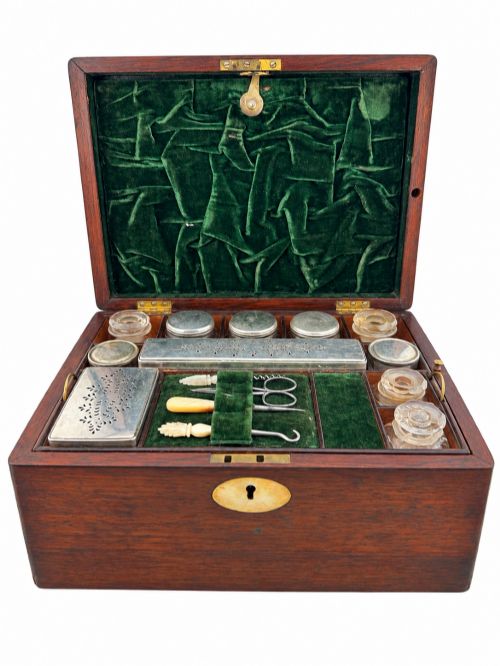
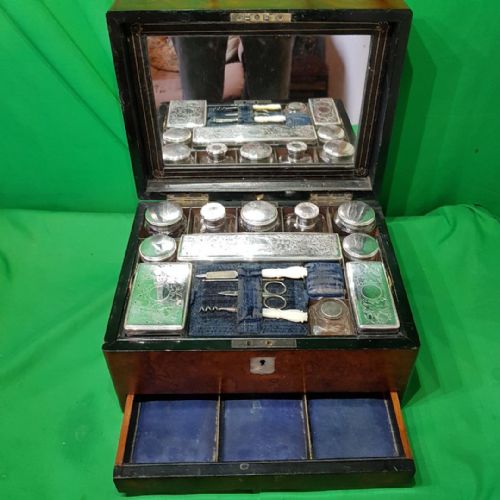
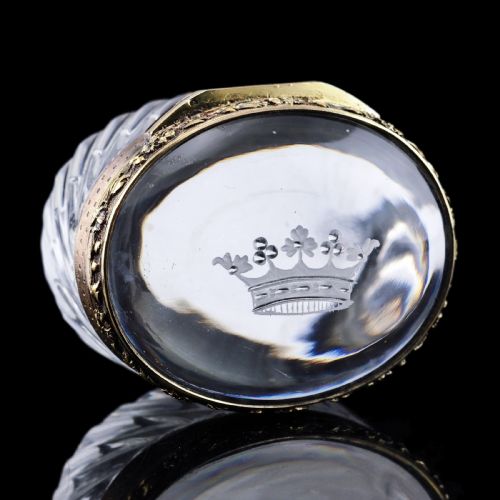
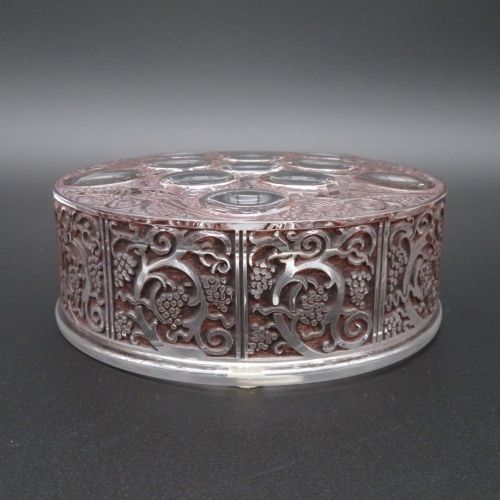
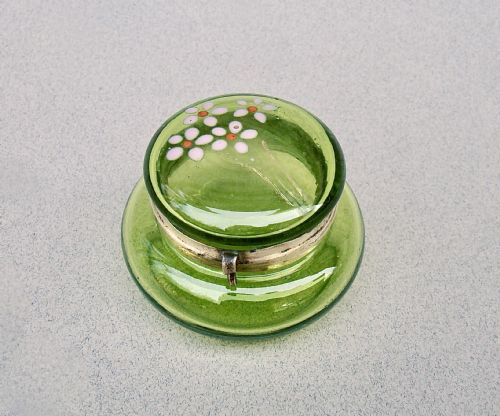
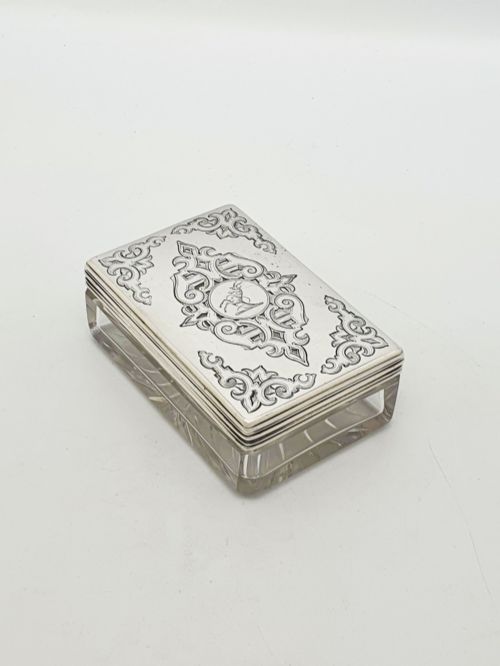
An antique glass jewellery jar is primarily found as a trinket box, powder box, or vanity box designed to hold small valuables on a dressing table. These pieces emerge from periods spanning the nineteenth century through the Edwardian era and into the Art Deco years of nineteen thirty. You are most likely to encounter cut glass and crystal vessels mounted with silver or brass lids.
The forms vary from simple circular powder boxes to heart-shaped containers and elaborate travelling sets. French pieces often feature enamelling or crystal from makers such as Baccarat and Lalique, whilst English examples frequently pair cut glass with sterling silver mounts.
How they were made
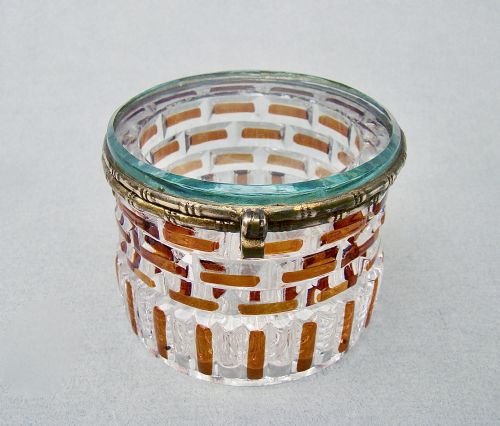
Makers utilised heavy glass and crystal, often shaped by cutting or moulding to catch the light on a dressing table. Metal mounts in sterling silver, silver gilt, and brass were fitted directly to the glass rims or hinged lids.
Interiors were occasionally lined with velvet to protect delicate items, whilst exterior decoration incorporated hand-painted enamel work or fitted wooden foundations such as burr walnut and rosewood.
Antique Glass Jewellery Jar Retail Price Guide 2026
Typical asking prices for glass jewellery jar among the pieces listed under this phrase on Sellingantiques today, from the lower quarter to the upper quarter. They describe what is for sale here now, not the wider market.
Listings feature glass and crystal combined with sterling silver, brass, enamel, and burr walnut across the Victorian and Edwardian periods.
What varies in quality
The thickness and clarity of the glass or crystal set the baseline for quality, alongside the depth and crispness of the facet cutting. Pieces with heavy, well-defined silver mounts or intricate enamel detailing sit at the higher end of the range.
The integration between the glass body and the metal hinge demonstrates the maker's precision, whilst secondary materials like burr walnut foundations add structural substance.
Baccarat·Lalique·Posen
The Antique Glass Jewellery Jar Glossary
- Silver gilt
- Silver that has been coated with a thin layer of gold on its surface. This technique provides a rich golden appearance whilst utilising a silver foundation.
- Enamel
- A decorative glassy substance melted onto metal or glass surfaces through high-heat firing. It introduces coloured ornamentation to the body or lid of the box.
- Cut glass
- Glass that has been shaped and patterned on a wheel by cutting facets into the surface. This process enhances the sparkle and weight of the object.
Antique Glass Jewellery Jar: Frequently Asked Questions
What were glass jewellery jars used for?
These jars served primarily on dressing tables to hold powder, rings, pins, and small precious trinkets. They kept daily accessories organised and protected within easy reach.
The lidded design also shielded delicate items from dust whilst adding a decorative element to bedroom furniture.
How do I date an antique glass box?
Dating relies on examining the style of the metal mounts, the hallmarks on silver components, and the manufacturing techniques of the glass. Victorian pieces often feature heavy cut crystal paired with sterling silver or enamel.
Later Edwardian and Art Deco examples introduce cleaner geometric lines, heart shapes, or distinct crystal forms associated with specific makers.
Are silver mounts marked on these jars?
Many silver-topped pieces carry hallmarks indicating the year of manufacture, the assay office, and the silversmith's mark. These small stamps usually appear on the rim of the lid or collar.
Some continental pieces feature alternative stamps denoting silver purity rather than traditional British assay marks.
How should I clean an antique glass box?
Glass and crystal components can be washed gently in warm soapy water using a soft cloth, avoiding harsh abrasives that might scratch the surface. Metal mounts and enamel work require careful spot cleaning to preserve the finish.
Velvet linings inside should be kept dry and brushed gently with a soft brush to remove dust.